
- Description and characteristics of Big Beef F1 tomatoes
- Fruit
- Description of the plant form
- Recycling
- Tasting properties of tomatoes
- Productivity and marketability
- Disease resistance
- Features of fruiting
- Pros and cons
- Features of growing the variety
- Preparing for sowing seedlings
- Caring for seedlings
- Planting in open ground
- Features of growing in a greenhouse
- Plant care rules
- Watering tomatoes
- Fertilization
- Bush formation
- Protection from diseases and pests
- Cleaning and storage
- Reviews from summer residents
The Big Beef tomato's popularity is due to its flavor and resistance to diseases and pests. Its widespread distribution is also explained by its ability to grow well in Russia.
Description and characteristics of Big Beef F1 tomatoes
Grown in the following regional zones:
- Central Black Earth;
- North;
- Center;
- Northwest;
- North Caucasus;
- Volgovyatskaya;
- Middle Volga.
The Big Beef F1 variety is considered to be of Dutch origin. It possesses numerous unique characteristics, affecting not only the plant's growth and development, but also the process and characteristics of its fruit formation.
Fruit
The following characteristics are characteristic of ripe and formed Big Beef vegetables:
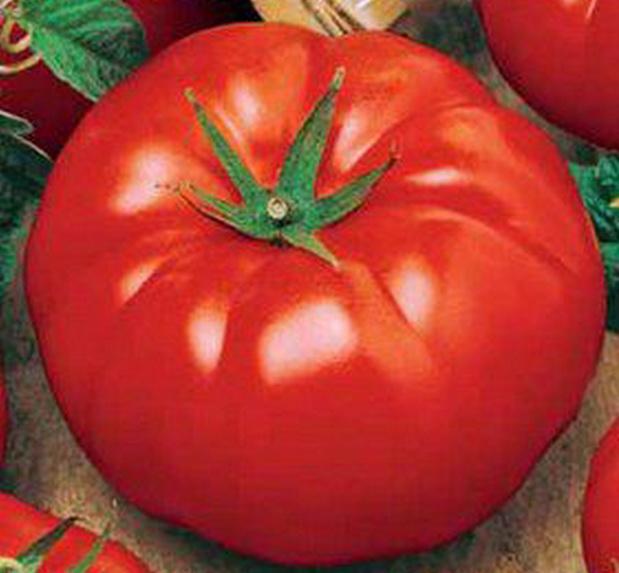
- round shape;
- smooth skin;
- average weight of vegetables is 200 g;
- high taste qualities;
- fleshy pulp with a lot of juice;
- The pulp contains more than 6 chambers.
The fruits also contain an increased concentration of dry matter.
Description of the plant form
This variety is included in the beefsteak tomato group. Its main characteristic is the large size of the tomatoes. In some cases, the fruits can reach 800 grams. There are reports of this variety producing tomatoes weighing up to 2 kilograms.
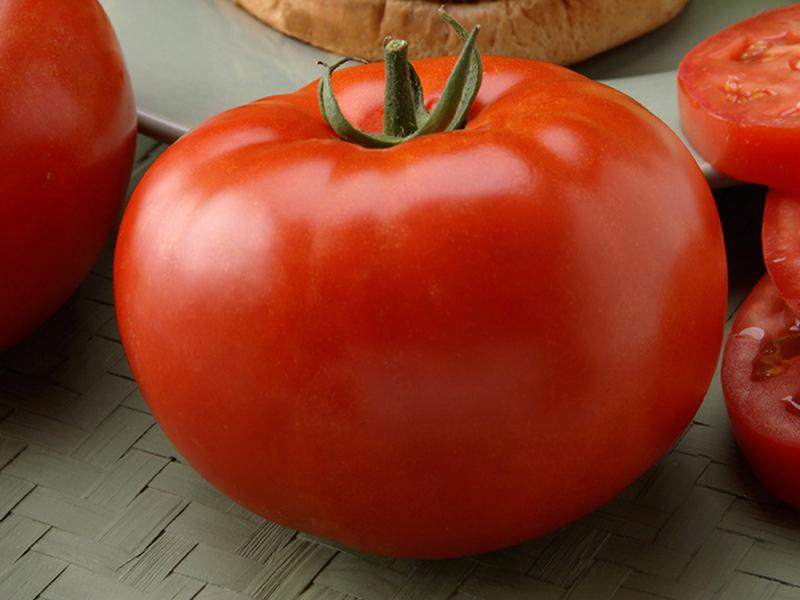
The plant form has the following characteristics:
- mid-early ripening, period from 100 to 110 days;
- indeterminacy;
- the need for trellis fixation;
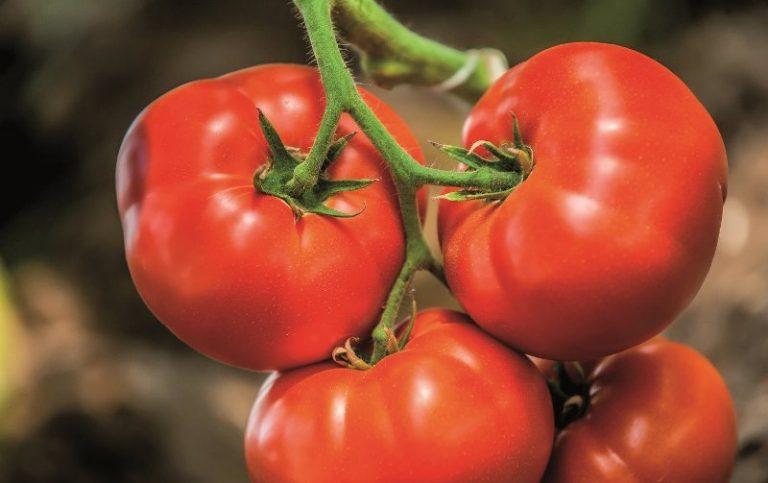
- 4-5 vegetables grow on 1 brush;
- resistance to various pathologies.
The variety actively develops in greenhouses and in open ground conditions.
Recycling
Big Beef is ideal for fresh consumption and processing. It makes delicious juices, tomato pastes, sauces, and winter snacks.
Tasting properties of tomatoes
The fruits are distinguished by a rich, pleasant tomato flavor and aroma. This tomato variety belongs to the salad group, but to obtain a tender dish, the tough skin must be removed by scalding.
Productivity and marketability
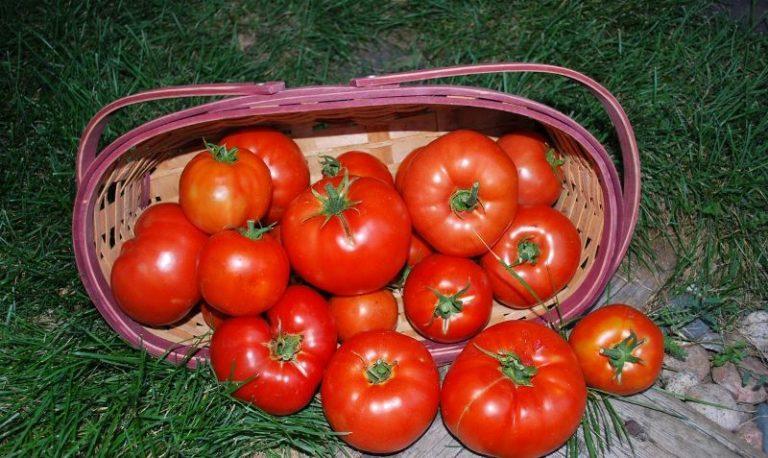
One planting yields an average of 4-5 kilograms of tomatoes. The harvested crop can be stored for a long time thanks to their thick skin. The vegetables retain their freshness well during long-distance transport.


Disease resistance
The variety's main advantage is its increased resistance to tomato diseases. Among the main diseases to which the variety exhibits resistance are:
- root-knot nematode;
- Cladosporiosis infection;
- verticillium and fusarium;
- tobacco mosaic virus;
- Alternaria stem cancer;
- Gray leaf spot.
Another advantage of this variety is that it is not afraid of low temperatures.
Features of fruiting
Each plant produces 5-6 large tomatoes per cluster. This allows for a large harvest of up to 4.5 kilograms per plant.
Pros and cons
Among the main advantages of this variety are its resistance to low temperatures and common tomato diseases. Its increased yield and fruit flavor are also noted. Among the disadvantages, some summer residents highlight the need to create supporting structures.
Features of growing the variety
To get the maximum yield, you need to know the nuances of growing such a plant crop.
Preparing for sowing seedlings
Seeds of hybrid varieties from companies operating in the Netherlands are generally already treated with fungicides. Therefore, they require no specific pre-planting preparations. The crop is sown a couple of months before the expected transplanting date.
The seeds are sown in boxes with a pre-mixed soil mixture. This can be purchased soil or a homemade peat-based mixture. The seeds are distributed in rows across the soil. They are then evenly covered with a similar mixture.
The seeds should then be planted no more than 3-5 millimeters deep. After this, water them with warm water. Cover the containers with plastic and leave them in a warm place. The optimal temperature for germination is 20-25 degrees Celsius. After 5-6 days, when the first shoots have emerged, remove the plastic covering.
Caring for seedlings
Transplant the seedlings into individual containers when a pair of true leaves appear, 14-21 days after germination. After transplanting, irrigate the soil using root stimulants.
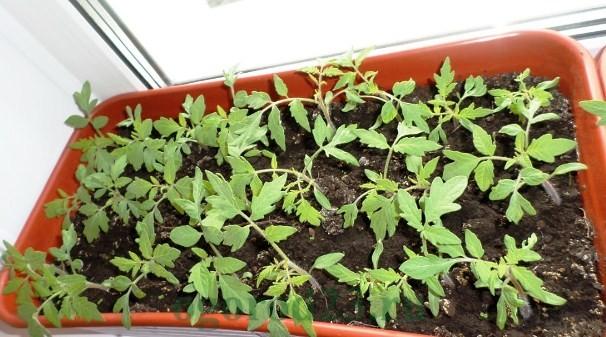
Tomatoes require at least 12 hours of daylight, so to prevent the sprouts from becoming elongated, artificial lighting is required. For this purpose, gardeners use fluorescent lamps.
Fourteen days before planting, the plant should be hardened off by lowering the temperature from 20 to 14-15 degrees Celsius, with periodic ventilation for a couple of hours per day. The duration of ventilation should be gradually increased.

Planting in open ground
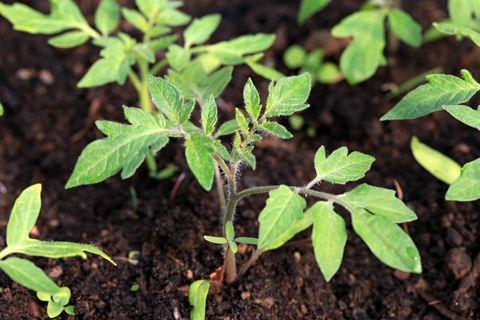
Transplanting the grown material into the soil occurs when the primary flower clusters have formed. This most often occurs at the ten-leaf stage. If the soil is open and the outdoor temperature has not yet begun to steadily rise, the seedlings should be treated with a growth regulator. This treatment will prevent them from becoming overgrown. Plants should be planted at a rate of no more than four seedlings per square meter.
Features of growing in a greenhouse
If this variety is not planted in southern regions, it should be grown in a greenhouse. It's important to keep in mind that the greenhouse should be sufficiently high, as the plant is indeterminate. Tomatoes must be formed into a single stem, separating all the side shoots that form in the leaf axils.
Plant care rules
In order for the plant to develop fully and form ovaries and fruits on time, it needs to be looked after.
Watering tomatoes
Watering should be regular and frequent. However, the amount of water added to the seedlings should be small. During the fruiting period, failure to water regularly will result in cracking of the fruit. Drip irrigation is the best solution.

Fertilization
Fertilizers should be applied in conjunction with irrigation. The proportions of nutrients required by the plant vary depending on the stage of tomato development:
- During the root system formation period, fertilizer is applied twice. A mixture with a higher phosphorus content is used for this purpose. During the period of active growth, the phosphorus concentration is significantly reduced. When active flowering begins, the phosphorus content should be increased again.
- To prevent blossom-end rot in vegetables, the soil should be fertilized with calcium nitrate once every 14 days.
- As vegetables ripen, they require increased amounts of potassium. A deficiency will prolong the coloring process and reduce the marketability of tomatoes.
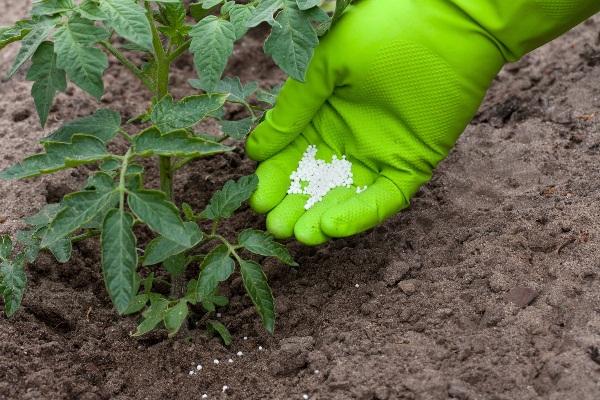
For successful tomato growth, it is necessary to use fertilizers that are characteristic of the period of growth and development.
Bush formation
Plant formation begins after securing the plant to the trellis. Side shoots are removed twice or three times a week while the lateral shoots are still small. The plant is trained into a single stem and regularly supported.
Protection from diseases and pests
The plant is highly resistant to common tomato diseases. However, it is still necessary to take protective measures against diseases and pests.


Bushes should be planted only in soil treated with a disinfectant solution in a place where no pathologies or soil pests have previously been observed.
If planting is carried out in a greenhouse structure, it must be regularly ventilated to prevent increased humidity and the spread of fungal diseases.
Regularly inspecting your plantings for signs of disease is also a good preventative measure. If any are detected, the plant should be immediately treated with an appropriate product and all fruit removed.
Cleaning and storage
Harvesting is done before watering to prevent ripe fruits from cracking. Brown tomatoes should also be picked for the same reason.
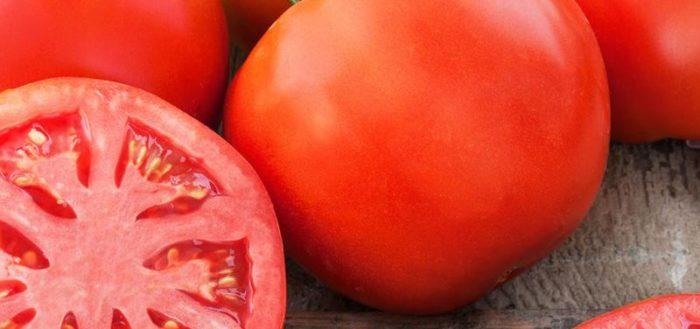
The harvested crop stores well thanks to its thick skin. It's best to store tomatoes in a cool, dry place.
Reviews from summer residents
Big Beef is very popular among Russian gardeners due to its delicious flavor. Gardeners also note the plant's low maintenance and abundant harvest. Its main advantage is its resistance to virtually all tomato diseases.
Tatyana Vitalievna Zimakina, Leningrad Oblast: "My favorite vegetable is the tomato, so I grow several varieties on my plot. I consider Big Beef tomatoes to be the best for making tomato paste and fresh vegetable salads. The fruits I grow are distinguished by their rich flavor and juiciness."
Mikhail Evgenievich Sitsev, Moscow Region: "I chose the Big Beef variety because these tomatoes don't require any special care. This is a key factor for me, as I don't have the time to spend much time at my dacha. Despite the plant's low maintenance, the fruits grow large, fleshy, and juicy. I mainly use the harvested tomatoes for vegetable salads and winter preserves."
Related posts:
 What are beef tomatoes, description and characteristics of varieties, growing rules
 Description and growing guidelines for the Beef Pink Brandy tomato
 What varieties of tomatoes are best to plant in a polycarbonate greenhouse?
 The best grape varieties for growing in the Urals, planting and care rules in summer
 Description and characteristics of the sweetest tomato varieties for greenhouses and open ground
 Description and characteristics of the best tomato varieties for outdoor cultivation in the Urals
 Description and characteristics of the best seeds of pea varieties and types
 80 Best Eggplant Varieties for Different Regions with Descriptions and Characteristics