
The Argonaut f1 tomato belongs to the first generation of hybrids. It tolerates high humidity well and is resistant to most fungal and viral tomato diseases. Argonaut is one of the varieties that produces high yields in open ground.
The early-ripening tomato category, which includes the Argonaut variety, allows for the first harvests to begin as early as early summer. Argonaut berries are used for juice and salads. The fruits can be preserved for the winter or pickled whole. This hybrid was bred in 2011 and was added to the Russian State Register four years later.
Technical data of the plant
The characteristics and description of the Argonaut variety are as follows:
- After transplanting the seedlings to their permanent soil, the first harvest occurs within 85-90 days. If the seedlings were sprouted from seeds in February or March, they can be transplanted to the open ground as early as April.
- The plant's bushes can grow up to a height of no more than 0.65-0.7 m. Since the hybrid does not form a standard, the bushes are trained into 1-3 stems.
- The plant has a compact crown with a medium number of leaves and strong roots. This allows Argonaut tomatoes to be grown without support, but does not eliminate the risk of the plant toppling over.
- Due to the early growing season, tomatoes of this variety are resistant to late blight and other diseases that affect almost all tomatoes that bear fruit in August or September.
- The plant's fruit weighs between 0.16 and 0.2 kg. The berries have a smooth, coral-colored surface.
- The fruit's flesh is dense. Each berry contains 5 to 9 seed chambers.
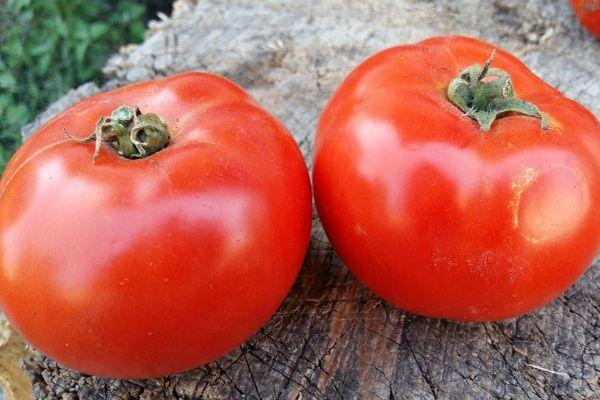
Reviews of the Argonaut tomato show that in southern Russia, direct sowing of tomato seeds into the ground is best. In central Russia, breeders recommend using plastic film structures to protect seedlings, while in Siberia and northern regions, heated greenhouse units are recommended.
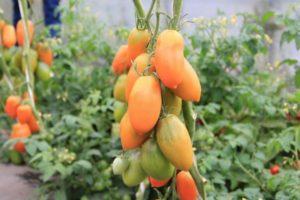
The fruits of the hybrid can be transported over long distances, as the berries tolerate transportation well due to the dense structure of the pulp.

The yield in open ground ranges from 3 to 4 kg per bush. When grown in plastic or glass greenhouses, it increases to 4-4.5 kg. Gardeners note the uniformity of the fruits produced from a single plant, allowing them to be used not only for personal consumption but also for selling to various retailers. Farmers consider the need to tie the bushes to supports to be a drawback of the Argonaut variety.

Growing tomatoes in a garden plot
The seeds of this plant are usually sown for seedlings in the first ten days of April. They are planted in boxes filled with special tomato soil, which can be purchased at retail stores specializing in seeds.
After the seeds germinate and sprouts appear, they are pricked out when the seedlings have developed 2-3 leaves. The plants are then hardened off for 1-2 weeks.

It's recommended to plant seedlings in permanent soil in the last ten days of May. Bush formation occurs simultaneously with tying the plants to support stakes. This tomato plant rarely produces side shoots. Therefore, along with hilling the bushes, watering them with warm water, and loosening the soil in the beds, remove old leaves that shade the plants.
During the entire growing season, mineral fertilizers are added to the soil no more than 2 times, and organic fertilizers (peat, manure) can be added to the soil 3-4 times.

To protect against diseases, you can treat the bushes with Fitosporin. Of all the garden pests, the most dangerous for Argonaut are mole crickets. To eliminate these pests, treat the bushes with appropriate chemicals, loosen the soil under the plantings regularly, and add pepper to the soil.
Related posts:
 How to propagate and grow peas, cultivation technology, and care in open ground
 Description of varieties of sowing peas and cultivation, to which family they belong
 Growing and caring for hazelnuts in open ground, rules for planting hazelnuts
 How to properly plant peas in a greenhouse and open ground
 Causes and treatment of eggplant pests and diseases, how to combat them at home
 How to grow ginger in the open ground at your dacha, planting and care
 Carrot care guidelines for outdoor cultivation to ensure a good harvest
 The best grape varieties for growing in the Urals, planting and care rules in summer
