
A versatile variety with calibrated fruits, the Simpatyaga tomato was bred specifically for the short Siberian summer. This modern, early-ripening, standard variety is designed for open ground cultivation. It's suitable for practical gardeners who don't particularly value exotic qualities, but value ease of maintenance and high yields.
What does the tomato bush "Simpatyaha" look like?
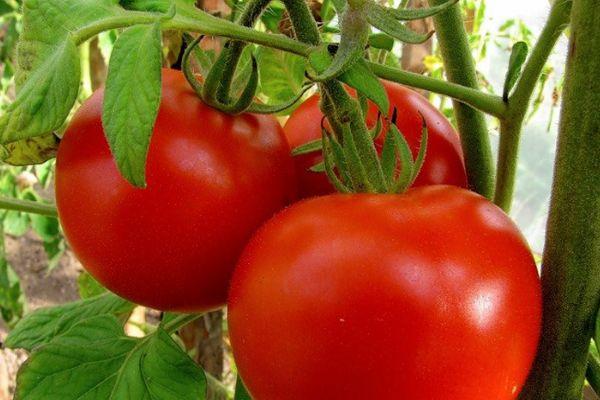
The Simpatyaga tomato variety is a determinate variety. These low-growing plants with sturdy stems can reach a height of no more than 60 cm. During the fruiting season, the small bushes are covered with masses of beautiful red fruits.
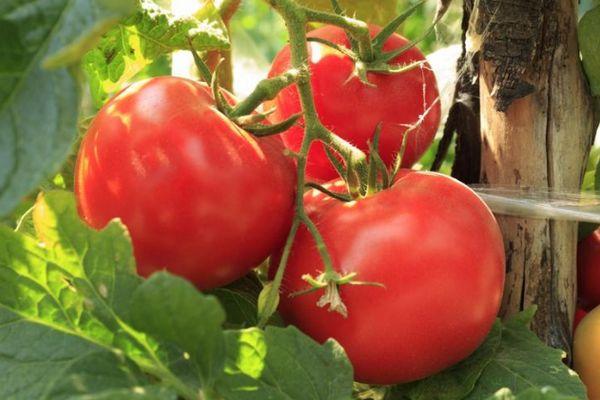
The variety is resistant to sudden temperature fluctuations, maintains yield during rainy seasons, and tolerates heat and drought well. Fruit sets in large numbers in any weather: each cluster produces up to seven identical, neat tomatoes.
The average weight of each tomato is about 150 g. With dense planting, up to 10 kg of calibrated tomatoes can be obtained per square meter. The fruits ripen evenly, with the fruits on the lower cluster ripening first, followed by the mass ripening process, which ends in 2-3 weeks.

Determinate varieties stop bearing fruit after this point, but you can extend the growing season and get another harvest by cutting the bush at a low height above the ground. New stems begin to grow from the lateral buds, which will produce smaller, but equally numerous, fruits closer to autumn.
The early tomato variety Simpatyaga is resistant to most saprotrophic fungi. Late blight may only initially affect secondary growth, and the main harvest can be harvested before the infection sets in.
Description of the fruit variety
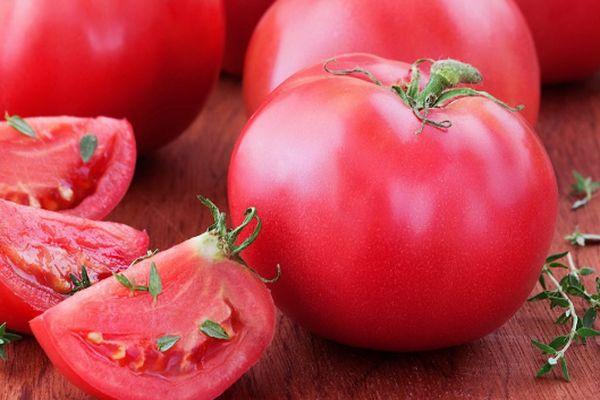
The tomato is round and ribbed. Its color is bright pink when ripe, and pale green when milky ripe, with no dark spot near the stem. Clusters contain 6-7 evenly developed, identical tomatoes.
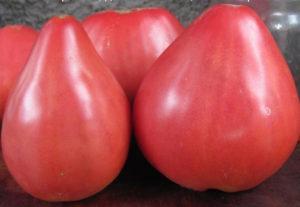
The skin of the fruit is strong and thick. It is resistant to cracking during ripening and filling, and it remains intact during cooking. When preparing delicate dishes, it is best to remove the skin, as it is quite tough.
The flesh is juicy and firm. The flesh is a deep pink color with no lighter spots in the center. The seed chambers are small and contain a small number of seeds. The variety's characteristics and description highlight the excellent taste of the Simpatyaga variety: the high sugar content of the fruit makes the tomatoes unusually sweet. Reviews from those who have planted this tomato for several years note the appearance of a sour taste during cold, heavy rainfall.
Any homemaker who has planted this variety of tomato in their garden will appreciate its early maturity, shelf life, and ease of processing. These tomatoes can be used in salads and appetizers, or eaten raw. The pink flesh is beautiful when sliced, and the small, spherical fruits are perfect for stuffing before serving at special events.
Simpatyaga tomatoes are ideal for whole-fruit canning. The juice or sauce is not rich in color, but it has dietary properties and contains a large amount of vitamins. The fleshy pulp dries well, acquiring an even richer flavor and aroma.
How to Grow Tomatoes
Sow seedlings two months before planting in the ground. To ensure proper germination, spread the seeds over well-watered soil and cover with dry sand or soil. The topsoil should be no thicker than 0.5 cm. Avoid watering this layer, as it will form a crust that prevents the seeds from sprouting.
Cover the seed trays with glass and place them in a warm place. At a temperature of around 25°C, the "Simpatiaga" tomatoes will sprout in 4-5 days. To ensure strong seedling growth and to ensure each plant is not just a "Simpatiaga" but a true beauty, transplant the seedlings into individual pots. This is done when the tomatoes have 1-3 true leaves.


Tomatoes are planted at 4-6 bushes per 1 m². Low standard plants do not need to be tied up if the planting is sparse. But when placing 6 bushes per unit area, it is better to do this anyway, so that when the fruits ripen, it will be easier to harvest.
Two weeks after planting, feed the Simpatyaga tomatoes with a complex fertilizer such as Kristallon tomato, Agricola, and others. Repeat the feeding when the first ovaries appear. Prepare the fertilizer solution according to the instructions.
Growing the Simpatyaga variety isn't particularly difficult. However, when planting tomatoes, keep in mind that the sweetest tomatoes grow in sunny areas. To ensure even better flavor, avoid overwatering the plants: once every 5-7 days is sufficient if there's no rain.
Related posts:
 80 Best Eggplant Varieties for Different Regions with Descriptions and Characteristics
 The best eggplant varieties for growing in a polycarbonate greenhouse: planting and care
 Description of the best varieties of black tomatoes for open ground and greenhouses
 Description of the Velika grape variety, cultivation and care tips
 Description and characteristics of the best seeds of pea varieties and types
 Description of the best tomato varieties for pickling and canning
 Descriptions of the 20 best cherry varieties for the Moscow region, their planting and care
 Description and characteristics of the best tomato varieties for outdoor cultivation in the Urals