
- Description and characteristics of the Batyanya tomato
- Varietal characteristics
- Flowers and fruits
- Bushes
- Harvest
- Application
- Endurance
- About infections
- Microclimate influence
- Cracks on the fruit
- Pros and cons of the variety
- Sowing and growing crops
- Growing seedlings
- Peculiarities of soil preparation for tomatoes
- Transplanting
- Growing the variety in a greenhouse
- Caring for Batyanya tomatoes
- Watering and fertilizing
- Formation of bushes
- Protection from diseases and pests
- Harvesting and use of the crop
- Reviews from summer residents and gardeners
- Negative
- Neutral
- Positive
Gardeners have been choosing the Batyanya tomato for many years. The description lists a long list of positive characteristics. It can be grown in open beds, as it tolerates adverse weather conditions well. Care involves a number of standard procedures. It's essential to establish a proper watering and fertilizing regimen, as well as properly shape the bush.
Description and characteristics of the Batyanya tomato
The variety was developed in 2007 by Siberian breeders. In 2008, the crop was added to the Russian Federation State Register and is intended for cultivation in all regions of the country, both in protected and open beds.
Varietal characteristics
The Batyanya variety is characterized by its indeterminate growth habit. In a greenhouse, the stem reaches up to 2.3 meters, while in open beds it's slightly shorter. Ovaries form equally well in any weather. The tomatoes ripen early, beginning to bear fruit after just 90 days. In cold and rainy weather, the ripening period may be delayed by 10-15 days.
The fruit ripens slowly. Gardeners harvest the fruit over the course of 1.5 months. This is very convenient, as the fresh vegetables will delight the whole family with their flavor for a long time.
Flowers and fruits
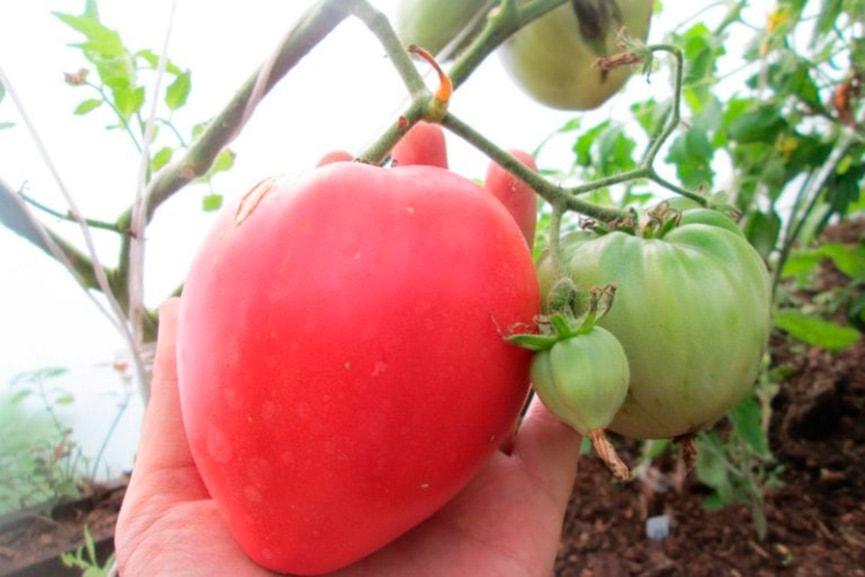
The plant is characterized by the formation of a simple inflorescence. A single bush typically bears nine flowers, which subsequently produce six to seven fruits.
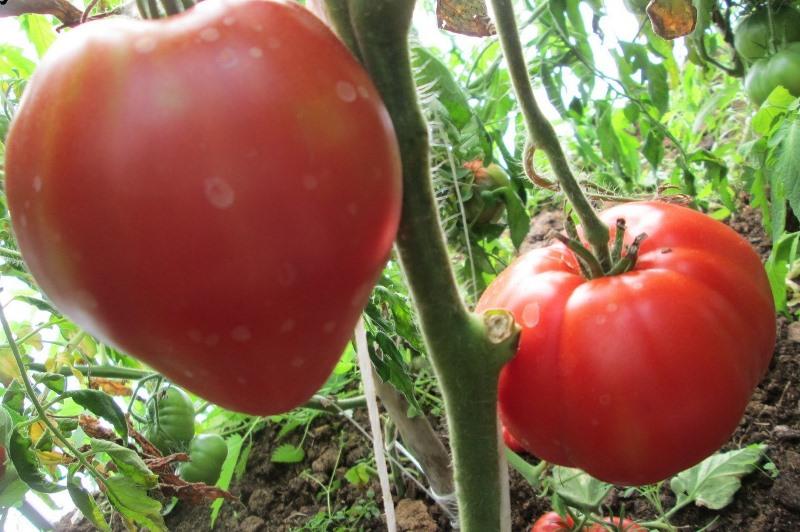
Distinctive features of the fruits of the Batyanya variety:
- large sizes;
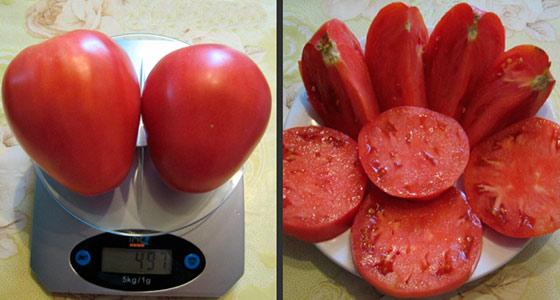
- dense structure, fleshy and juicy interior;
- there are few seeds in the pulp;
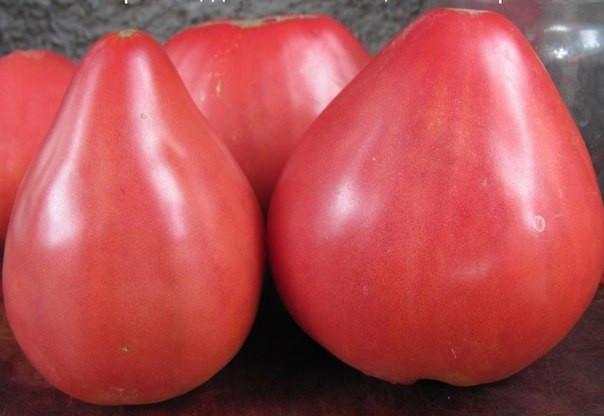
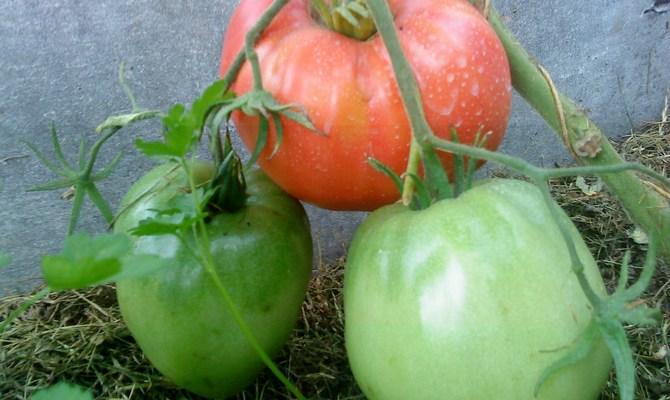
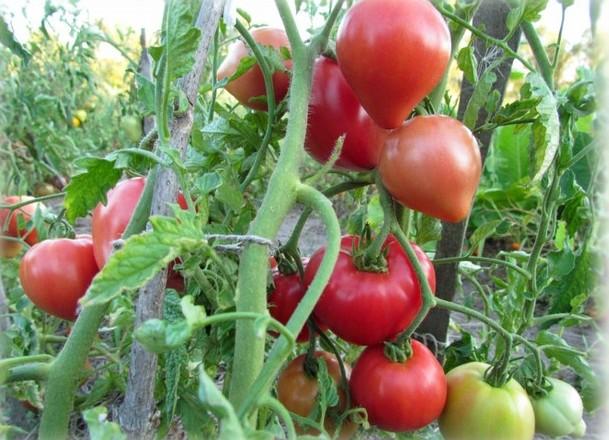
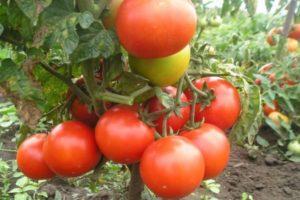
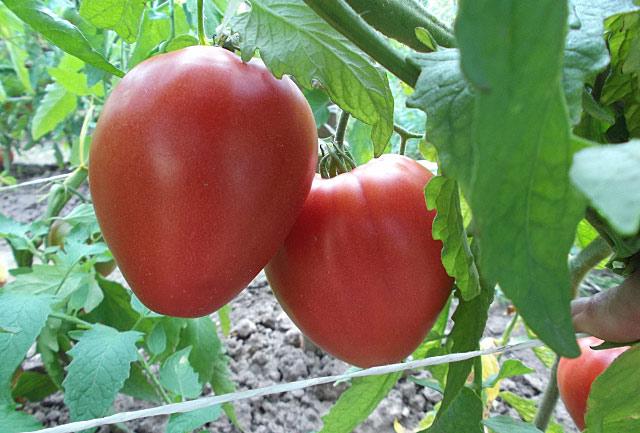
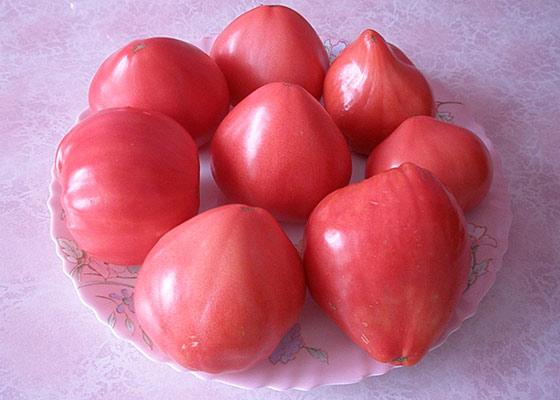
- the shape is round, slightly oblong, reminiscent of a heart;
- characteristic elongated nose;
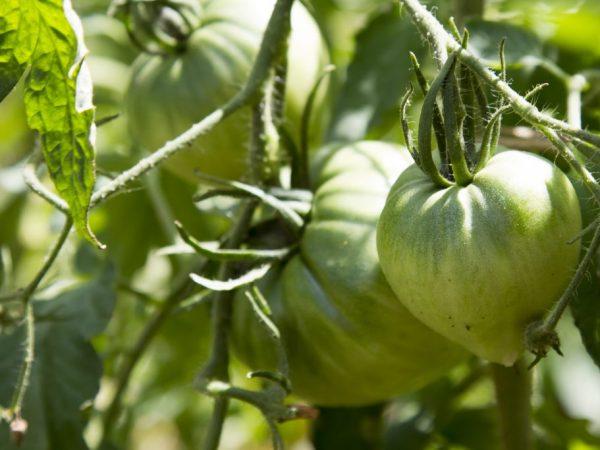
- the surface is smooth, even, without ribbing;
- the color of ripe fruits is red-pink;
- A large dark green spot is observed near the stalk.
The weight of most fruits reaches 380 g, but there are specimens whose weight reaches 750 g.
The harvested fruit keeps well. The dense skin prevents the flesh from cracking and allows for long-distance transport.
Bushes
The vigorous Batyanya tomato plants are characterized by unlimited growth and numerous long side branches. Therefore, it's important to prune the side shoots promptly.
It is necessary to tie up not only the long stem, but also the side branches, which may break under the weight of the fruit.
The large leaves are dark green. The leaf surface is smooth and slightly pubescent. The stem contains up to 8 clusters.
Harvest
The Batyanya variety produces quite a high yield. A single bush can yield between 2 and 6 kg of tomatoes. The yield depends largely on the chosen growing location. A greenhouse will yield a higher yield.
Application
The flesh of the Batyanya tomato variety has a pleasant sweet and sour flavor. Due to their large size, the tomatoes cannot be preserved whole. However, they make delicious juices, pastes, ketchups and vegetable assortments for the winter.
Endurance
Batyanya tomato plants are easy to grow and tolerate weather conditions. Even in cold weather and short-term drops in temperature, they continue to thrive.
About infections
The description states that the Batyanya variety is quite resistant to common tomato diseases. Many gardeners note in their reviews that the plant has never suffered from late blight, powdery mildew, or fusarium.
Microclimate influence
A prolonged lack of water or, conversely, a cold, rainy summer can negatively impact the crop's development. To improve the microclimate in the area where tomatoes are grown, it's necessary to loosen the soil and apply mulch.
Planting corn nearby will help protect the garden bed from winds. The plant's long stems will protect it from drafts and hot sun. The corn will also help maintain the necessary humidity.
Cracks on the fruit
As a result of improper care, cracks may appear on the fruit, and its shelf life and taste quality may decrease.
To prevent fruit cracking, it is important to organize the watering regime correctly.
Since the plant is strong and tall, there is a need for regular fertilization (tomatoes especially need potassium).
Pros and cons of the variety
The description of the Batyanya variety indicates the following positive characteristics:
- early ripening;
- large fruits;
- unpretentiousness;
- strong resistance to diseases and pests;
- resistance to cold, wet and dry weather.
Disadvantages include the need to install a support for tying during cultivation and regularly shape the bush.
Sowing and growing crops
It's best to grow the Batyanya variety from seedlings. To ensure the seedlings grow strong and healthy, it's important to properly prepare and plant the seeds.
Growing seedlings
Batyanya seeds are sown 62 days before planting in their permanent location. Before sowing, the seeds need to be prepared:
- Only dense, large seeds are ready to germinate. To facilitate the selection process, soak the seeds in a salt solution. Seeds suitable for planting will sink to the bottom within 8 minutes. It's best to discard any remaining seeds.
- The seeds are washed to remove any remaining salt and disinfected. To do this, the planting material is immersed in a potassium permanganate solution for 20 minutes.
- Then they begin to germinate the seeds. They are laid out on a damp cloth, covered with another layer of damp cloth, and stored in a dark, warm place.
Just three days after all the procedures, you can begin sowing the treated seeds. They are planted 8-10 mm deep in the soil, watered, and covered with plastic wrap. Once most of the seedlings have emerged, the plastic wrap is removed.
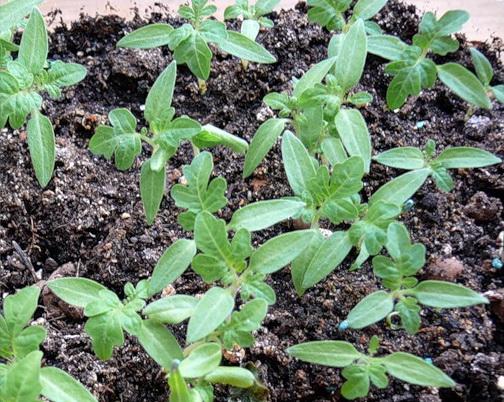
Watering the seedlings twice a week is sufficient. A month later, when the first pair of true leaves unfurls, they are pricked out. It's best to transplant them into individual peat pots.

Peculiarities of soil preparation for tomatoes
The soil for planting the Batyanya tomato variety should be fertile, loose, well-aerated, and neutral in pH. You can buy ready-mixed soil or prepare it yourself:
- Peat, river sand, humus and wood ash are added to ordinary soil brought from the garden.
- The soil mixture must then be disinfected. To do this, it is watered with a solution of potassium permanganate or baked in the oven.
- It is important to determine the acidity level (litmus paper will come in handy).
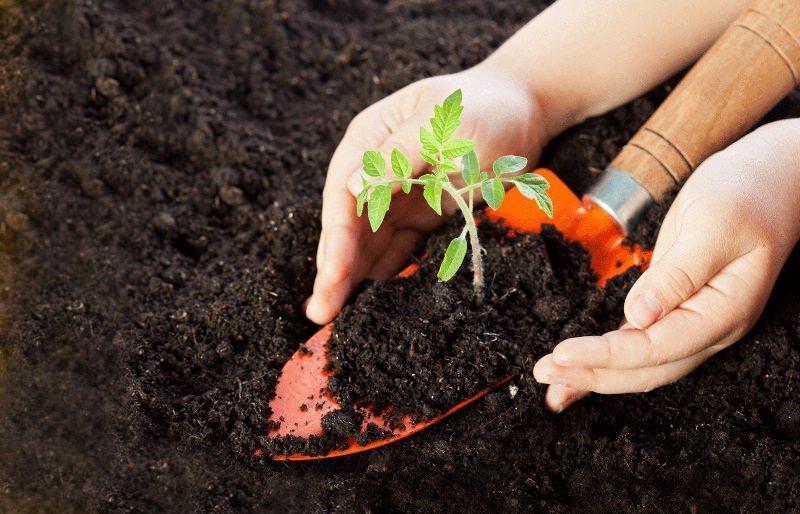
Only after this is the soil poured into a container, which must have holes in the bottom.
Transplanting
It is recommended to plant tomatoes in two rows in a staggered pattern. Leave at least 45 cm between plants (no more than three plants per square meter). At the selected locations, make holes slightly larger than the root system of the seedlings, including the root ball. Add mineral components to the bottom of the holes. Then, fill the holes with soil up to the bottom leaves and tie them to a support.
Growing the variety in a greenhouse
Growing this variety in protected soil is not much different from caring for it in open beds:
- Beginning in the fall, the area where the seedlings will be transplanted is prepared. The topsoil is replaced with fresh soil, dug over, and fertilized.
- Planting of seedlings in a greenhouse begins 10-12 days earlier than in open beds.
- During cultivation, it is necessary to tie up the stem, shape the bush, water and fertilize the soil.
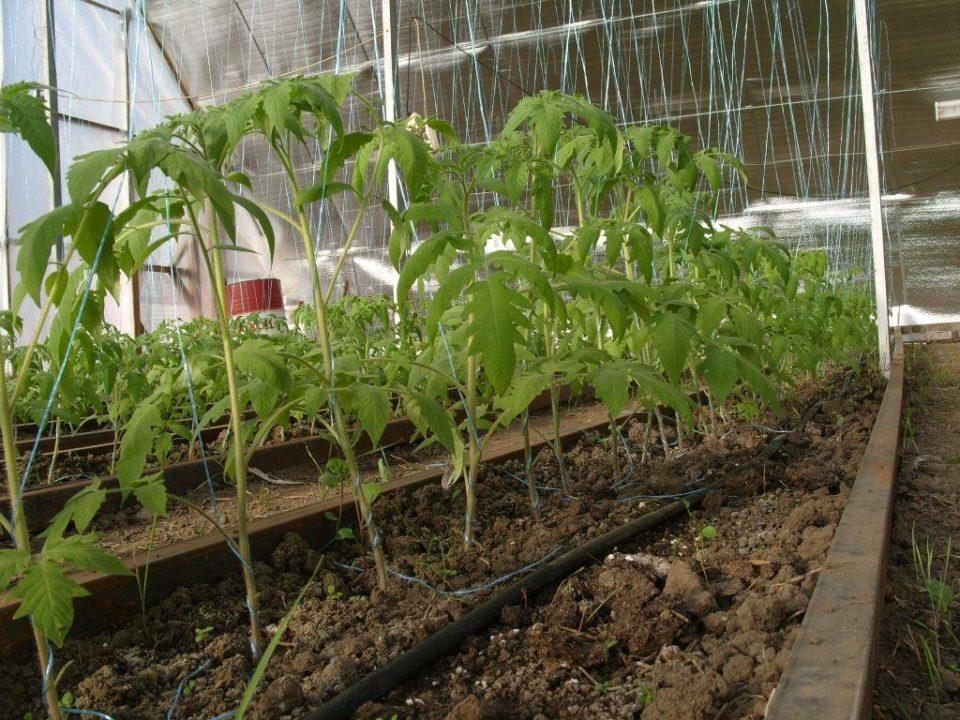
In a greenhouse, it's easier to maintain the desired temperature and humidity levels. Don't forget to regularly ventilate the room.
Caring for Batyanya tomatoes
Caring for the Batyanya variety, in addition to standard measures, involves tying up (at least four times during growth) and pinching out side shoots.
Watering and fertilizing
It's recommended to water the Batyanya variety early in the morning with warm, settled water. It's important to avoid watering the green parts of the plant. For the first 10 days after transplanting, water almost daily. Each plant should receive up to three liters of water. Then, reduce watering to once every seven days, but increase the amount of water to 9 liters per root.
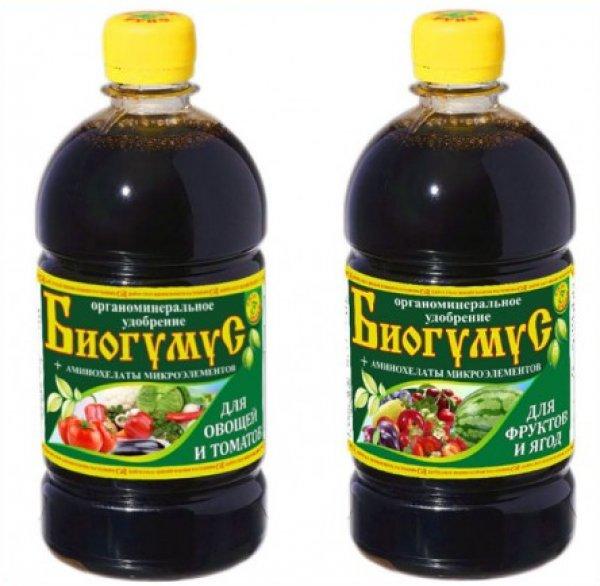
Fertilizers are applied twice a month. Popular ready-made fertilizers include "Agricola," "Biohumus," "Effekton," and "Fertika." Fertilizers can also be made from whey and wood ash. After the first harvest, nutrients are added. Superphosphate, urea, copper sulfate, and potassium sulfate are added to the mullein solution.
Formation of bushes
Tall tomato bushes of Batyanya showed the best results when formed into a single stem. In this case, you need to leave 4 brushes on which the fruits will develop.
Protection from diseases and pests
The variety has high immunity, but it would not hurt to carry out preventative spraying.
In most cases, tomatoes are susceptible to Alternaria wilt, late blight, fusarium wilt, and powdery mildew. It is recommended to treat the bushes with Bordeaux mixture, garlic infusion, and products such as Fitosporin, Hom, and Quadris. Pests that can disrupt the plant's development include whiteflies, aphids, and spider mites. These can be controlled with commercial products such as Actellic and Iskra or with folk remedies.
Harvesting and use of the crop
It's recommended to pick the fruit when it's unripe. The harvested crop is laid out in a single layer on a flat, clean surface. The room should have adequate air circulation. The room temperature should be between 10 and 14 degrees Celsius, with a humidity of 83%. The fruit is versatile. It can be pickled, marinated, used in vegetable preserves, juices, pastes, and adjika. Tomatoes make a wonderful addition to summer salads, adding a pleasant tartness.
Reviews from summer residents and gardeners
Selecting the right seeds is crucial. Their quality will determine your subsequent cultivation. Seeds should be purchased from specialist stores and reputable producers.
Negative
Marina, 46, Kirov: "I didn't like the Batyanya variety at all. After planting the seeds, the seedlings took a long time to emerge, and I never saw half of them. The stems of the seedlings were thin and weak. I also didn't like the taste of the tomatoes."
Neutral
Nadezhda, 59, Tolyatti: "The Batyanya variety requires constant attention. It's essential to fertilize it periodically, otherwise the plant begins to weaken. Without constant support, the branches break as the stem grows, reducing yield. Therefore, this variety isn't suitable for those with limited time and resources to care for tomatoes."
Elena, 58, Tambov: "I planted the Batyanya variety for the first time last year. The fruits ripened early, but were soft and tasteless inside. They took up a lot of space in the garden beds, and the results weren't impressive."
Positive
Reviews from those who planted the Batyanya variety vary, but are mostly positive.
Ekaterina, 45, Yekaterinburg: "I've grown the Batyanya variety both indoors and in open beds. The tomatoes performed exceptionally well in both. They were among the first to ripen among other varieties. I add the large, sweet tomatoes to salads and make juice from them."
Svetlana, 39, Tyumen: "The seedlings emerge quickly and uniformly. The seedlings grow strong, and I plant them outdoors. The tomatoes develop even in rainy weather. The bushes have never been sick."
Related posts:
 What varieties of tomatoes are best to plant in a polycarbonate greenhouse?
 Description and characteristics of the best indeterminate tomato varieties for greenhouses
 What is the best way to feed tomato seedlings to make them plump?
 80 Best Eggplant Varieties for Different Regions with Descriptions and Characteristics
 Description and characteristics of the 60 best sea buckthorn varieties, how to choose depending on the region
 Description of the best tomato varieties for pickling and canning
 Description of the best varieties of black tomatoes for open ground and greenhouses
 The best and most productive tomato varieties for greenhouse cultivation in the Urals, with descriptions