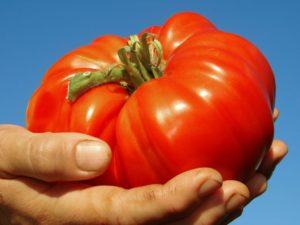
The Pink Dream F1 tomato is a first-generation hybrid, suitable for both greenhouse and open-field cultivation. This early-ripening variety boasts excellent flavor, marketability, and high yields.
Advantages of a hybrid
The Pink Dream variety belongs to the group of early-ripening tomatoes. It takes 95-100 days from germination to fruiting. The hybrid's growth habit is indeterminate. The plant is characterized by a medium amount of foliage and shortened internodes.

The first inflorescence forms at the level of the 5th or 6th leaf. Subsequent flower stalks form at intervals of every 3 leaves. Simple inflorescences contain 6-7 flowers. Tomatoes form simultaneously on the first 4 clusters, ripening evenly in shape and size.
The tomatoes are heart-shaped, with a distinctive pointed tip. They are intensely pink in color and have a glossy surface. A horizontal cut reveals 5-6 seed chambers. The Pink Dream variety is characterized by a gradual harvest.
Tomatoes are not prone to cracking. The fruit has firm flesh and a very tender yet firm skin. They contain 5.7-6% dry matter and have a higher sugar content than acids.

Fruit weight reaches 180-250 g. Yields are 13-15 kg per square meter. Reviews from vegetable growers indicate that the Pink Dream variety is resistant to tobacco mosaic virus and bacterial black spot. Due to its tall stature, the crop is less susceptible to late blight.
The hybrid's description indicates excellent commercial and flavor qualities, as well as the ability to transport the fruits over long distances. In cooking, the tomatoes are used fresh in a variety of dishes.
Cultivation techniques
The Pink Dream hybrid is grown from seedlings. To do this, the seeds are prepared by pre-treating them with an aqueous solution of potassium permanganate and a growth stimulant.
Take a look Also

The seeds are placed in containers with potting mix at a depth of 1 cm. The soil is lightly compacted and watered with warm water using a spray bottle. The container is covered with plastic wrap until the seeds emerge to create a greenhouse effect.
Growing seedlings requires maintaining proper temperature and lighting conditions. Fluorescent lamps are used to extend daylight hours. When one or two true leaves have formed, transplant the seedlings into individual containers.

Peat pots are ideal for this purpose, as they make it easy to plant the plants in their permanent locations. When planting in the ground, it's recommended to space 3-4 plants per square meter.
The hybrid is prone to producing additional side shoots. Their formation, even on flower clusters, is stimulated by increased mineral content in the soil.
The presence of shoots negatively affects the productivity of the bush, and in the shade and dampness created by the shoots, plants are easily susceptible to viral and fungal diseases.
The characteristics of the hybrid indicate the need to tie the bushes to a support. To increase the crop yield, it is recommended to grow the plant in 1 stem.

Side shoots begin to grow after the first flower stalk appears. Sometimes, a flower cluster is left on it and the shoot is pinched, leaving two leaves. Leaving one cluster on each side shoot will allow the majority of the tomatoes to ripen much earlier. As the plant grows, remove excess side shoots once a week to ensure proper sap circulation.
It is recommended to remove the lower leaves. No more than three leaves should be removed at a time, otherwise the plant will experience stress, which will cause stunted growth. The bush can be shaped by removing all side shoots, leaving 5-7 clusters. This ensures uniform ripening of the crop.
Caring for the crop involves a series of measures involving hilling and loosening the soil. During cultivation, it's important to monitor soil moisture and apply mineral and organic fertilizers in a timely manner.
Related posts:
 Description and cultivation technology of the Dubovsky Pink grape variety
 Description and characteristics of the Pink Elephant tomato variety, yield and cultivation
 Description of the Krasotka grape variety, planting and care technology
 Description and characteristics of the Pink Giant tomato variety, yield and cultivation
 Description of the Julian grape variety, planting and care instructions
 Description of the early-ripening tomato Pink Spam and cultivation techniques for the hybrid
 Description of the Pink Leader tomato, growing seedlings and care instructions
 Description of the Pink Souvenir tomato variety, cultivation and care features