
- Description and Features
- History of selection
- Properties
- Caloric content
- Benefits and harms
- Acidity
- Bush characteristics
- Vine
- Bunch
- Productivity
- Taste qualities
- Winter hardiness and drought resistance
- Disease resistance
- How to plant correctly
- Recommendations for choosing deadlines
- Site selection and preparation
- How to select and prepare planting material
- Planting diagram
- Care instructions
- Watering
- Top dressing
- Mulching
- Weeding and loosening
- Disease prevention
- Oidium
- Powdery mildew
- Anthracnose
- Chlorosis
- Rubella
- Bacteriosis
- Bacterial cancer
- Protection from birds and pests
- Preparing for winter
- Pruning and shaping
- Support and garter
- Methods of reproduction
- Advantages and disadvantages
- Harvesting and storage
- Tips and advice from experienced gardeners
The hybrid self-pollinating Dubovsky Rozov grape variety is gaining popularity among Russian gardeners every year. Its delicious, juicy berries and successful use in landscape design, coupled with its easy-to-grow vines, are its advantages. Ripe, large bunches weighing up to 2 kilograms are harvested as early as the second half of August. The variety is suitable for growing in regions with a temperate continental climate.
Description and Features
Dubovsky Pink is a hybrid grape variety. Characteristics of the variety:
- Self-pollinating hybrid.
- Early ripening period.
- Can form a repeat crop on side shoots.
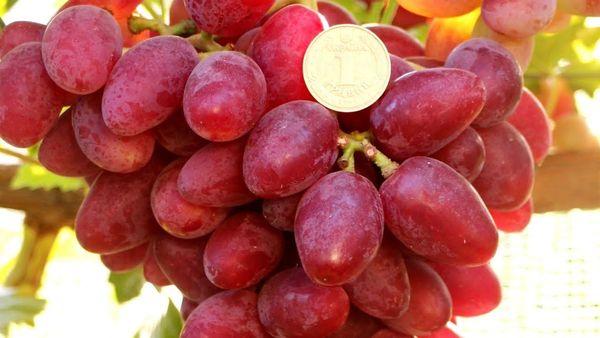
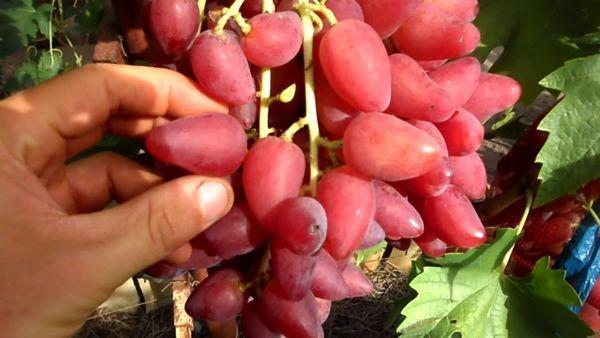
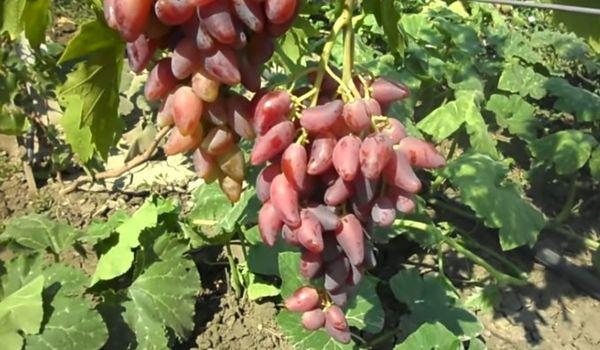
- The color of ripe berries is green-pink.
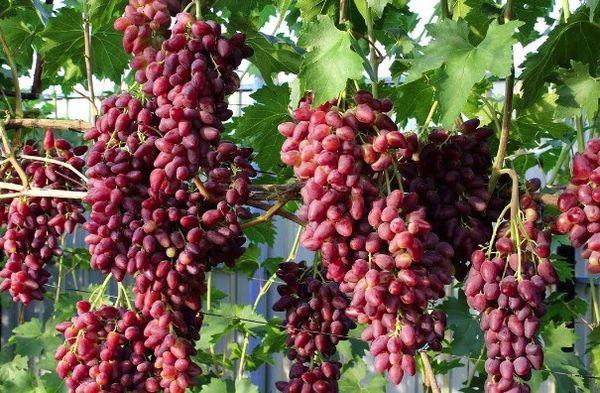
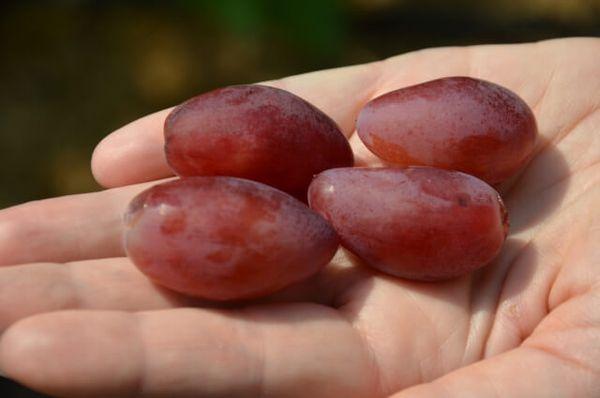
- The clusters are conical in shape, slightly disheveled, weighing up to 2 kilograms.
- The pulp is crispy, tender, sweet (sugar - 21%).
- Withstands winter temperatures down to -24 WITH.
Note: The bunches ripen large and heavy, and the grapes require additional support and garters to prevent the stems from breaking.
According to gardeners, Dubovsky Pink has strong immunity to fungal diseases and is most susceptible to powdery mildew.
History of selection
This domestically bred variety was created in the Volgograd region by crossing the Vostok Krasny and Yubiley Novocherkasska varieties. It was created by amateur breeder Sergei Gusev. Because it can withstand sub-zero winter temperatures, it is suitable for cultivation in northern regions.
Properties
Grapes are rich in microelements, vitamins, and nutrients. Homegrown grapes are not chemically treated and do not contain nitrates or harmful substances.
Caloric content
Due to their high sugar content, grapes are quite high in calories. 100 grams contain approximately 70 kilocalories. It is recommended to consume grapes in the morning and afternoon.
Benefits and harms
Regular consumption of grapes helps normalize blood pressure, resolve circulatory issues, and strengthen blood vessels. The high ascorbic acid content strengthens the immune system and helps the body resist respiratory infections. Grapes are an excellent antioxidant and are used in cosmetology.
Regular consumption of sweet berries is contraindicated for diabetics, as grapes can sharply increase blood sugar levels. People with stomach and intestinal conditions are also advised against consuming large amounts of these aromatic berries.
Acidity
Dubovsky Pink is considered a sweet grape variety, with a sugar content above average at 21%. Its acidity is low, but the berries are suitable for long-term storage and transportation.
Bush characteristics
The Dubovsky Pink grapevine forms a vigorous, spreading perennial bush. Repotting is not recommended; additional support and staking may be required.
Vine
Vine formation begins in the second year of growth. The bush is characterized by medium branching and is suitable for landscaping. It produces abundant leaves and side shoots. To maintain productivity, additional pruning of new growth is required.
Take a look Also
Bunch
Dubrovsky Pink is a large-fruited variety, with a single berry weighing up to 25 grams and a cluster weighing up to 2 kilograms. Many gardeners say the conical shape of the clusters resembles an "inverted Christmas tree." Ripe berries are not prone to shedding and remain firmly attached to the cluster.
Productivity
One of the variety's key advantages is its high yield. Up to 15 kilograms of grapes can be harvested from a single vine per season. Additional fertilizing in the spring stimulates increased yield.
Taste qualities
Ripe berries have a medium-strong muscat aroma and a sweet flavor. The flesh is tender, without tartness. There are few seeds, and the skin is firm. According to breeders, Dubrovsky Pink scores 9.3 out of 10 points for flavor.
Winter hardiness and drought resistance
The ability of the Dubrovsky Pink grape to withstand cold frosty winters is average; without shelter, the bush can withstand ambient temperatures down to -24 In other cases, winter shelter is required.
The hybrid tolerates drought well; in the second half of the growing season, the vine does not require additional watering.
Disease resistance
A weak point of the Dubrovsky Pink's immunity is the hybrid's susceptibility to powdery mildew, but with preventative measures to combat the disease, the risk of the disease becomes minimal.
How to plant correctly
The future harvest of this new hybrid grape variety depends on proper agricultural practices. It's important to adhere to planting timing, select the right site, and prepare the soil.
Recommendations for choosing deadlines
Planting of grape seedlings is carried out in spring or fall. Young vines must develop a good root system during the season to withstand the upcoming frosts.
Depending on the region, spring planting can begin in late March, and fall planting in late September. Planting holes are often prepared and shaped in advance: in the fall for spring planting, and in the spring for fall planting.
Site selection and preparation
For successful grape growing, the site must be well-lit; a southern or southwestern slope is ideal.
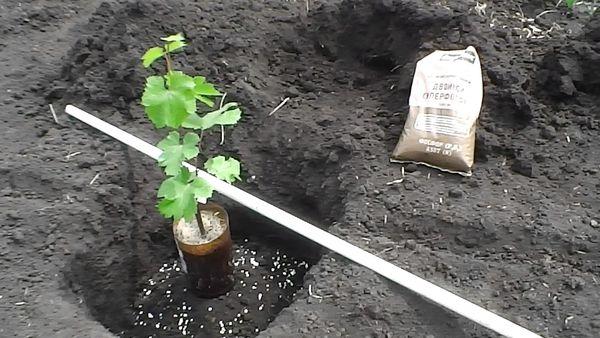
Grapes should not be planted in lowlands or marshy areas. Stagnant moisture around the roots is harmful to plants; drainage is recommended at the bottom of the planting hole. When planting, apply organic and mineral fertilizers and ensure the soil is well-moistened.
How to select and prepare planting material
When selecting planting material, pay attention to signs of fungal infections. The root system should be well developed. It is recommended to purchase seedlings with a closed root system and grafted roots. The buds should be viable and the stems undamaged.
Before planting, water the seedling generously. You can disinfect the plant and soil by spraying with a potassium permanganate solution.
Planting diagram
The hole should be at least 80 centimeters deep and about 1 meter in diameter. The distance between the vines should be 3 meters. The plants should not interfere with each other or shade each other. A staggered planting of grape vines is common.
Care instructions
To ensure a bountiful harvest and minimal problems from grapes, it's important to properly manage the plant's care, including ensuring adequate watering and fertilization. Mulching helps maintain soil moisture balance, and disease prevention helps build a strong immune system.
Watering
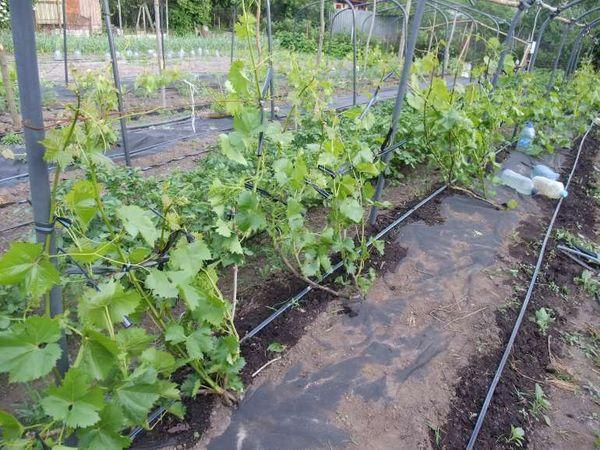
Dubrovsky Pink is a drought-resistant grape variety. The plant requires ample watering in the spring and during bud formation. On average, a grape bush should be watered once a week, right at the roots. A mature plant should be watered with 20-30 liters of water per watering.
Top dressing
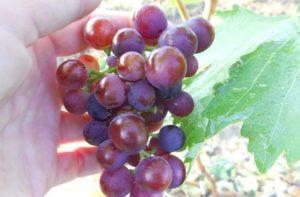
Grapes respond well to organic fertilizers. Liquid fertilizers such as bird droppings or mullein infusions can be used. Of the minerals, grapes require potassium.
Mulching
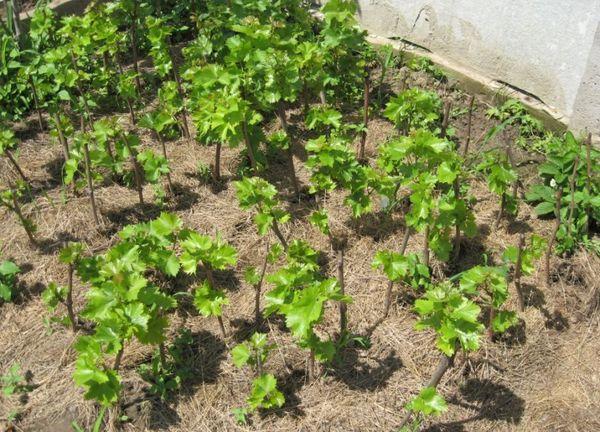
To maintain optimal soil moisture, bushes are mulched with freshly cut grass, straw, or wood shavings. In the fall, the bushes are sprinkled with humus and last year's leaves.
Weeding and loosening
Weeding and loosening the soil around the trunk can help ensure oxygen access to the root system. This procedure is performed after watering and is followed by mulching.
Disease prevention
Preventative disease control measures can help prevent fungal and bacterial infections in grapevines. Let's look at the main grapevine diseases.
Oidium
The disease is caused by a fungus. Early signs of infection include:
- White, fuzzy spots appear on the leaf blades, gradually turning into ulcers.
- The berries become covered with a grey coating, burst and dry out.
- The bush begins to lag in growth and sheds its fruits.
- The berries become more acidic and develop a putrid odor.
- Affected bushes freeze in winter.
The primary method of combating severe infestations is the use of chemicals, such as Topaz, Falcon, and others. After treatment, the plant should be fertilized with organic matter.
Powdery mildew
It can spread to grapevines from other plants. The vine becomes covered with a white fungal coating. The first signs of fungal activity can be seen on the underside of the leaves. The grapevine may die completely.
It is necessary to immediately spray the grape plantation with fungicides or chemical preparations: Topaz, Aktara, Vitaros.
Anthracnose
Fuzzy brown spots of varying sizes and shapes on grape leaves signal the onset of a dangerous disease called anthracnose. The disease quickly spreads from the leaves to the trunks and fruit, where they begin to rot. Copper-containing products, such as Gaupsin, are used to combat the disease.
Chlorosis
This insidious disease disrupts photosynthesis in the plant's leaves, causing them to turn yellow and fall off. It can often be caused by over-fertilizing alkaline soils. If left untreated, the vine will die within a month.
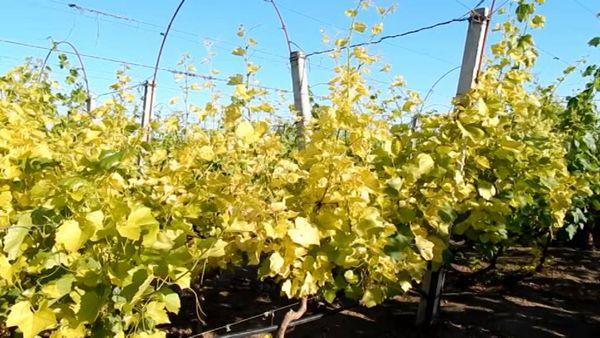
The bushes need to be fertilized with magnesium and zinc, and excess lime should be removed from the soil. Experienced gardeners use ferrous sulfate to combat the disease.
Rubella
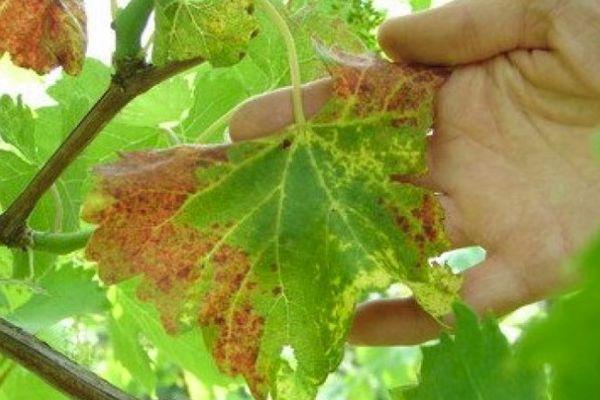
The fungal disease begins with leaf lesions, with extensive rusty-brown spots appearing along the edges, and the affected area dries out. The infection progresses deeper each day, and rubella is usually incurable, requiring the bush to be removed.
It is important to prevent vine infection; prevention and proper systematic care of the plant are necessary.
Bacteriosis
Birds transmit the disease. An outbreak begins when grapes reach a size slightly larger than a pea. The bacteria penetrate the berries and quickly spread throughout the plant. Infected fruits fall off, and the plant's development is stunted.
To prevent grapes from becoming infected with bacteriosis, it is recommended to carry out preventive spraying of plants with colloidal sulfur.
Bacterial cancer
The plant trunk becomes covered with peculiar growths, disrupting metabolism and protein synthesis. Such grapes cannot be used for propagation. The vine must be removed, otherwise the disease will spread throughout the vineyard.
Take a look Also
Protection from birds and pests
To prevent birds from pecking and damaging the grapes, bunches are covered with a thin, breathable material, such as gauze. Decoys and rustling pinwheels are used to repel avian pests.
Preparing for winter
The Dubrovsky pink requires additional protection for the winter. The vines are pruned, tied, and bent to the ground. The top of the bush is covered with spruce branches, straw, or last year's leaves. The plant's root system should also be protected from the coming frosts.
Pruning and shaping
Winter pruning is done with pruning shears at the eighth bud. In summer, excess shoots are trimmed and the stems are tied to encourage fruit formation.
Support and garter
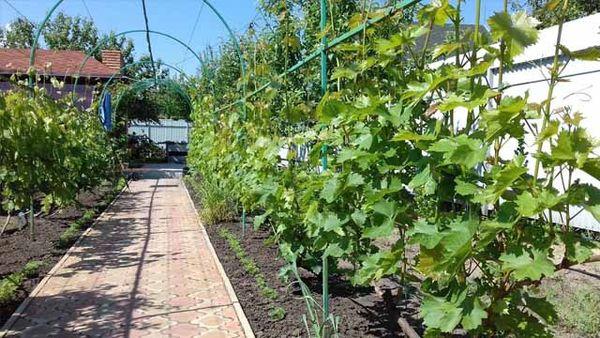
Walls, nets, or other fencing are used for support. Grapes can be tied to the fence. When growing vines on slopes, vertical stakes and nets are used.
Methods of reproduction
The best way to propagate Dubrovsky pink is by cuttings. The survival rate of the cuttings is almost 100%. Before rooting, the cuttings are soaked in water for 6-9 hours. The cut is made at an angle with pruning shears. At least four live buds should remain on the branch.
Advantages and disadvantages
The positive characteristics of the new hybrid include:
- Large-fruited.
- High yield.
- Early maturity.
- Unpretentiousness.
- Easy propagation.
- Berry resistance to shedding.
- Excellent taste of fruits.
- Versatility in use.
- Transportability and long-term storage of crops.
Gardeners highlight the following disadvantages of the variety:
- Susceptibility to oidium infection.
- Average winter hardiness.
- Additional pruning of shoots is required.
Dubrovsky pink can grow both in the south of our country and in the northern regions.
Harvesting and storage
Harvested grapes can be stored for a long time in the refrigerator or cellar. It's important to ensure adequate air circulation and remove any overripe berries. Dubovsky Rozov is a variety suitable for transportation.
 Harvesting begins in the second half of August. A second crop may form on young shoots throughout the season.
Tips and advice from experienced gardeners
To ensure minimal hassle when caring for grapes, experienced gardeners recommend:
- Always cover grapes for the winter.
- Sanitary pruning is performed and the bush is properly shaped.
- Organic fertilizers are applied in early spring and during the period of ovary formation.
- The tree trunk circle is mulched.
- Choose the right place for planting.
- Preventive treatments of shrubs against fungal diseases and pests are carried out.
The Dubovsky Pink grape variety is capable of growing vigorously; in order to preserve the harvest and increase its quantity, lateral shoots are removed.
Related posts:
 Beginner's Guide to Growing Grapes in Open Ground in Central Russia
 Description of 30 grape varieties for Siberia, planting and care for beginners
 Description of 30 varieties and types of Muscat grapes, planting, cultivation and care
 How to grow grapes in the Moscow region in open ground without a greenhouse
 The ripening time of grape vines by variety, how to speed up the process, and what to treat the plant with
 Description of the Julian grape variety, planting and care instructions
 Description of the Krasotka grape variety, planting and care technology
 The best grape varieties for growing in the Urals, planting and care rules in summer