
- History of selection
- Description and Features
- Appearance
- Taste qualities
- Varieties
- Pink
- White
- Characteristics of the variety
- Frost resistance
- Drought resistance
- Productivity and fruiting
- Applications of berries
- Disease resistance
- Benefits and harms
- Transportability
- Advantages and disadvantages of the variety
- How to plant correctly
- Recommendations for choosing deadlines
- Site selection and preparation
- How to select and prepare planting material
- Planting diagram
- Care instructions
- Watering mode
- Top dressing
- Trimming
- Protection from birds and insects
- Preparing for winter
- Preventive spraying
- Mulching
- Methods of reproduction
- Cuttings
- Graft
- Layers
- Diseases and pests
- Grape leaf roller
- Mildew
- Mealybug
- Harvesting and storage
- Tips and advice from experienced gardeners
The time-tested oriental grape variety Taifi was introduced to domestic plantations several centuries ago. Taifi is a late-ripening table grape, and its beautiful, aromatic bunches are readily available on store shelves at any time of year. This is because this oriental variety is grown commercially in various countries.
History of selection
The Taifi grape originates from the East and was brought to Europe eight centuries ago from the Arabian Peninsula. It claims to be one of the most ancient grape varieties. Taifi is sensitive to climate conditions, so it hasn't thrived on all continents. In Russia, it's successfully grown in Dagestan and Crimea, while Taifi primarily reaches store shelves from Georgia and Uzbekistan.
Description and Features
Taifi is a member of a group of oriental hybrid grapes. In some countries, this vine has been renamed and given names such as Toipi-Kyzyl and Gissori. It thrives in warm, sunny climates with long summers.
Appearance
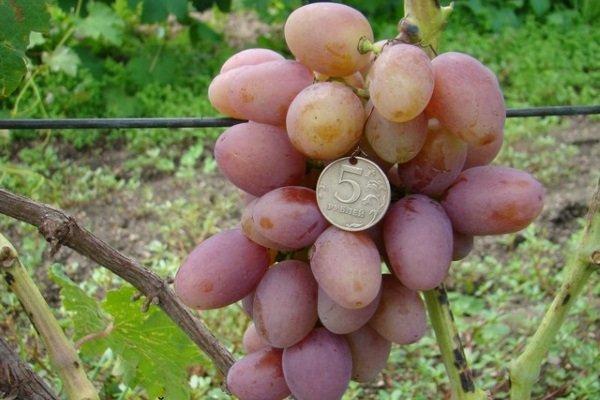
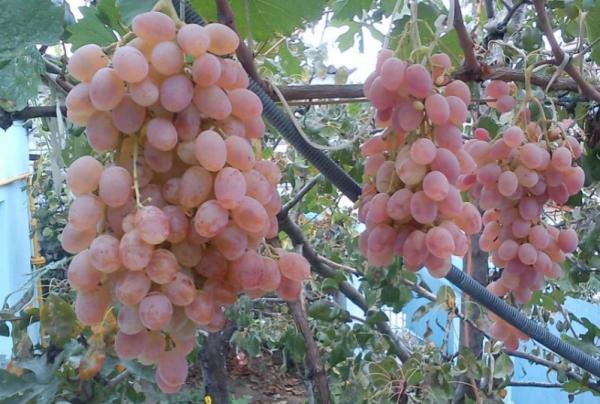
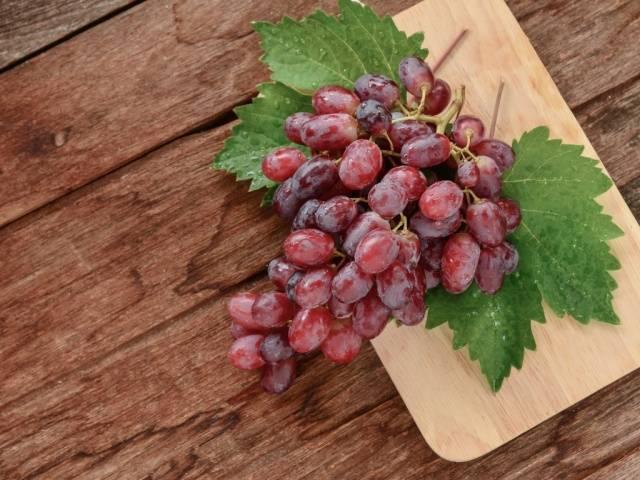
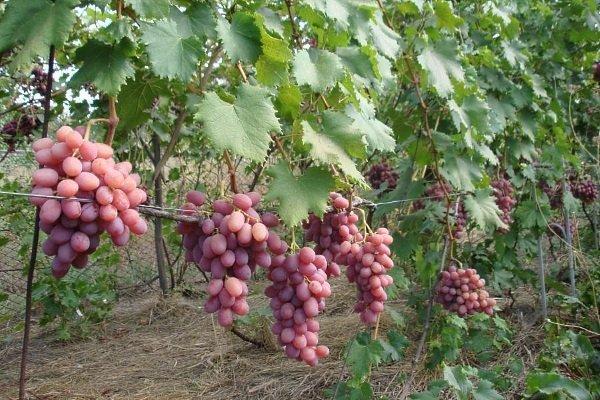
A robust vine and vigorous shoots are the hallmark of this oriental hybrid. Both one-year-old shoots and mature vines are distinguished by a brownish-red hue. The clusters ripen to be very large (up to 2 kilograms), conical in shape, and the berries are elongated and oval. When fully ripe, the fruits acquire a rich crimson color.
Taste qualities
Taifi berries have a dense skin, which facilitates long-term storage. The flesh is firm, and the berries are crisp and juicy. This oriental hybrid is highly prized by tasters for its harmonious sweet flavor. Despite its low calorie content (65 kilocalories per 100 grams), Taifi contains 17.5% sugar.
Note! Taifi is a seeded grape variety, with each berry containing 2-3 large seeds. The fruit can be eaten with the seeds and skin.
Varieties
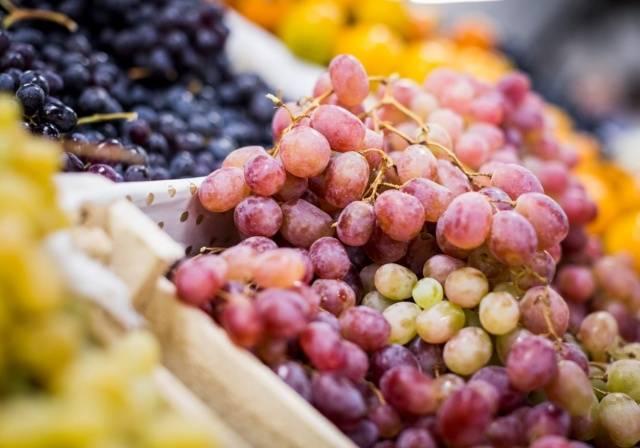
Breeders distinguish three varieties of Taifi: white, pink, and black. All of these subspecies are classified as table varieties.
Pink
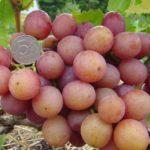
Characterized by a late ripening period, the fruit's color at full ripeness is bright red, crimson. Pink Taifi produces high yields, and the fruit's flavor is sweet and rich. The shoots are dark red. Frost resistance is poor.
White
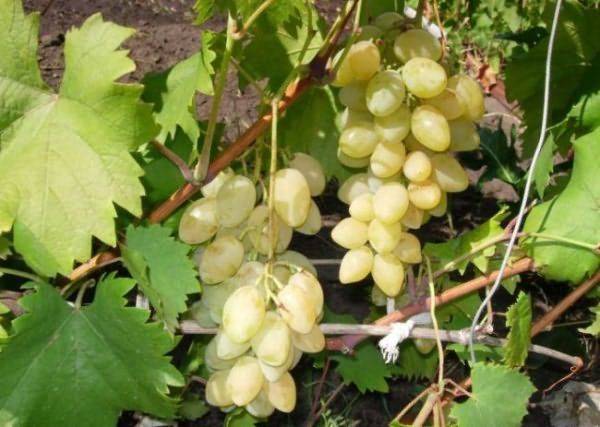
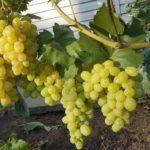
The White Taifi variety's characteristics are not significantly different from the pink variety. The berries are pale yellow-green when fully ripe. They are not very frost-resistant, and their flavor is harmonious. White Taifi is also known as Monty.
Characteristics of the variety
This heat-loving hybrid is suitable for growing in private gardens. Variety characteristics:
- A powerful vine with vigorous shoots is formed.
- Late ripening period is 160 days.
- The stem of the vine and shoots turns brown.
- Ovaries can form on shoots.
- Self-pollinating variety.
- The clusters are large and conical in shape.
- The immunity is poor, the variety is susceptible to fungal diseases.
- The yield is high.
- Grows in warm or hot climates.
- The skin of the fruit is dense, the berries are stored well and can be transported.
- The berries contain large seeds.
All the difficulties in growing this variety are more than offset by the excellent taste of the fruit and the abundant harvest of aromatic grapes.
Frost resistance
Taifi can withstand winter temperatures down to -15°C. This frost resistance is considered weak, and the variety is suitable for cultivation only in the southern regions of our country.
Drought resistance
Taifi tolerates drought and heat with ease. Historically, grapes grew in regions with low rainfall. Stagnant water at the roots is detrimental to the vine.
Productivity and fruiting
All Taifi varieties are late-ripening, with the vines beginning to bear fruit after 160 days of vegetation. The Eastern hybrid is a high-yielding variety. A single vine can yield up to 20 kilograms of grapes per season.
Taifi begins to bear fruit in the fourth year of life.
Applications of berries
It's a table grape variety. Its berries are distinguished by their excellent flavor. Taifi is used to make raisins, jams, and juices. It's also eaten fresh, and is often used to make homemade wine.
Disease resistance
Taifi has a moderate immunity; under unfavorable conditions, the vine is susceptible to powdery mildew, downy mildew, and oidium. Spider mites are a common pest.
To prevent fungal diseases, it is recommended to spray grapes with fungicides in early spring and during the flowering period; it is also recommended to feed the vines with potassium fertilizers.
Benefits and harms
Regular consumption of aromatic berries strengthens the cardiovascular system and replenishes vitamins and minerals in the diet. Grapes contain large amounts of ascorbic acid, which stimulates the body's defenses against viruses and bacteria, and contains substances that normalize blood pressure and thin the blood.
These tasty berries are contraindicated only for diabetics due to their high sugar content. People with serious gastrointestinal conditions should consume grapes with caution.
Transportability
The dense skin protects the berries from mechanical damage, making Taifi an ideal variety for transportation. The grapes are transported in special fruit crates, ensuring good ventilation.
Advantages and disadvantages of the variety
The advantages of the variety include:
- taste characteristics of ripe berries;
- high yield;
- low calorie content;
- drought resistance;
- can grow and bear fruit in poor soils;
- Ripe grapes do not fall off.
Disadvantages of Taifi:
- late-ripening variety;
- demanding of warmth and light;
- poor frost resistance;
- average immunity.
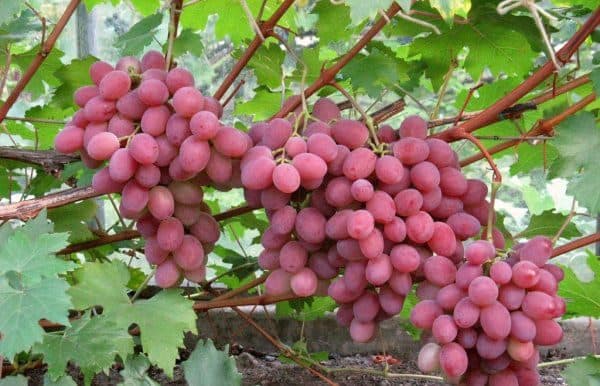
With the right choice of location and growing region, Taifi will delight you with a bountiful harvest and the quality of the ripened fruits.
How to plant correctly
Each grape variety has its own soil and planting requirements. Taifi is an easy-to-grow grape variety and grows in any soil, but it requires a sunny, south-facing, elevated site.
Recommendations for choosing deadlines
The best time to plant young seedlings is spring. The young plant needs time to develop a root system and establish itself in its new location. Fall planting is common, and should be done in late August or early September; otherwise, the young bush will be damaged by the first frost.
Take a look Also

Site selection and preparation
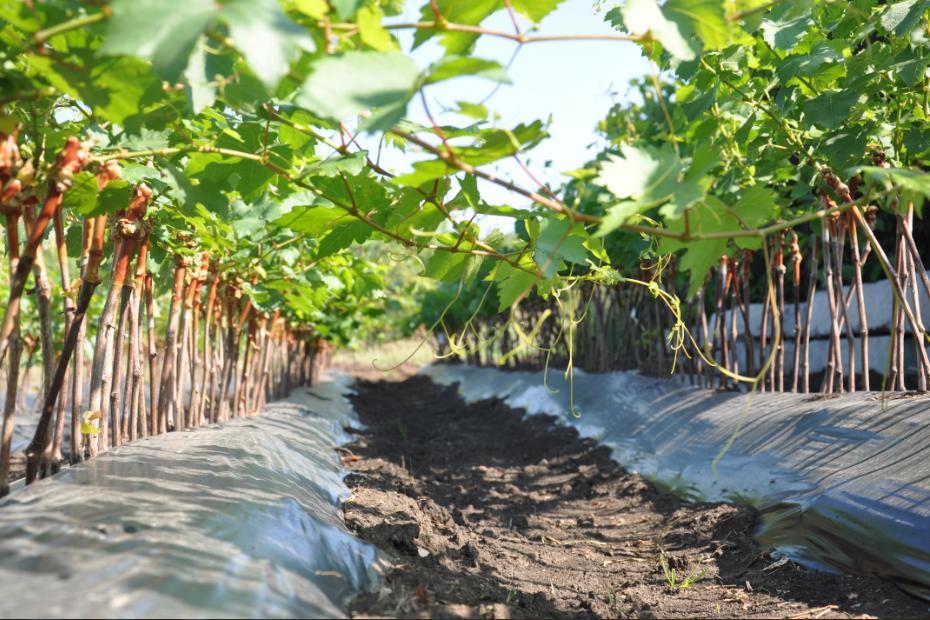
An important stage of planting. A south-facing slope with a low water table, protected from northerly winds, is the optimal location for growing Taifi. In private gardens, this oriental hybrid is often grown near a fence or building wall. Taifi forms a vigorous vine that beautifies and enhances the landscape.
How to select and prepare planting material
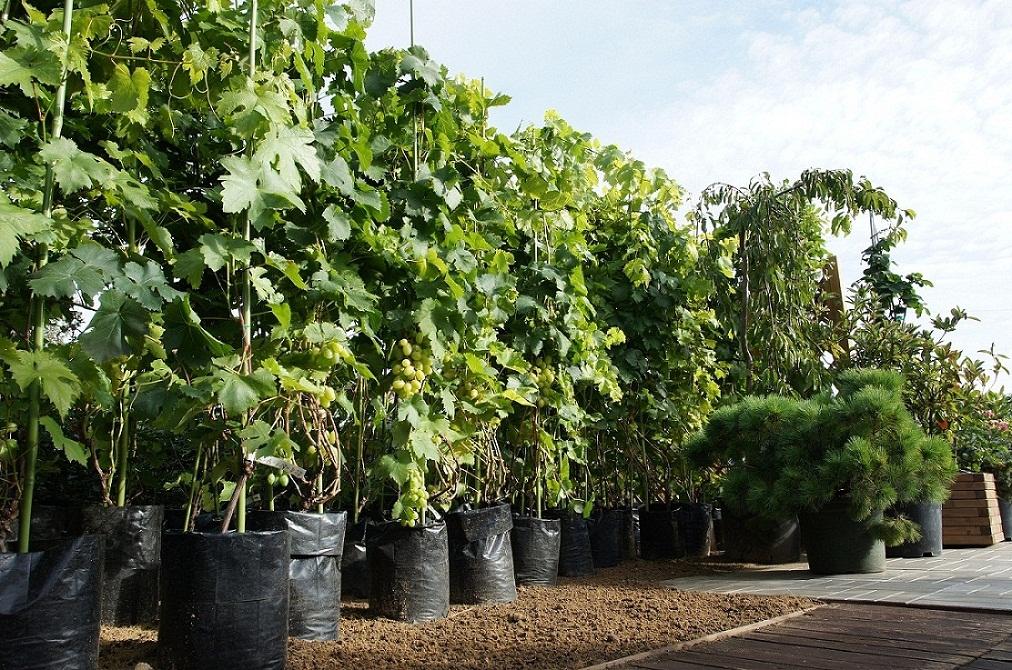
When purchasing seedlings, pay attention to the degree of root development; the plant should have live buds or open leaves. Cuttings taken from mature plants are soaked in a growth stimulant before planting.
Planting diagram
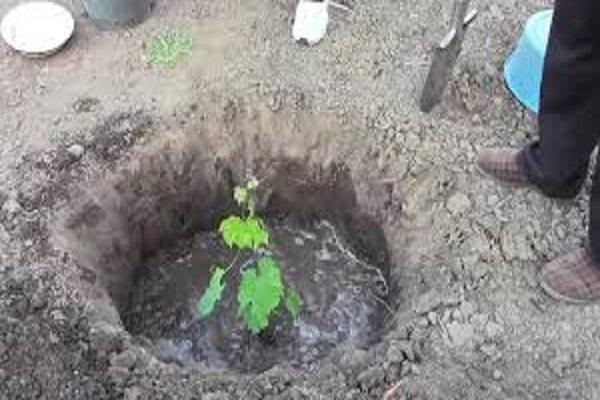
Planting holes are prepared in advance, in the fall or at least two weeks before planting. Drainage is placed at the bottom, and humus and potassium fertilizer are added.
The distance between bushes should be at least two meters, as Taifi's vines are vigorous and spreading. The planting hole should be at least 80 centimeters deep.
Care instructions
Systematic plant care is essential for harmonious growth and a bountiful, high-quality harvest. It's important to provide the vine with the necessary moisture throughout all stages of the growing season, apply fertilizer promptly, and prevent the development of fungal diseases.
Watering mode
Taifi is a drought-resistant hybrid and does not require additional watering. The vine requires additional irrigation during the first two months after planting and during the flowering period.
Top dressing
The oriental hybrid grows successfully in poor soils, but with sufficient sun. In spring, the vine can be fed with organic matter such as infused bird droppings or cow dung. Immediately after flowering, apply phosphorus-potassium fertilizers.

Trimming
Taifi vines are trained in a fan-shaped pattern. Pruning is done when the plant is dry and dormant, leaving six buds on the shoot. Older vines do not tolerate pruning well; in this case, 8-9 buds are left on the stem.
Protection from birds and insects
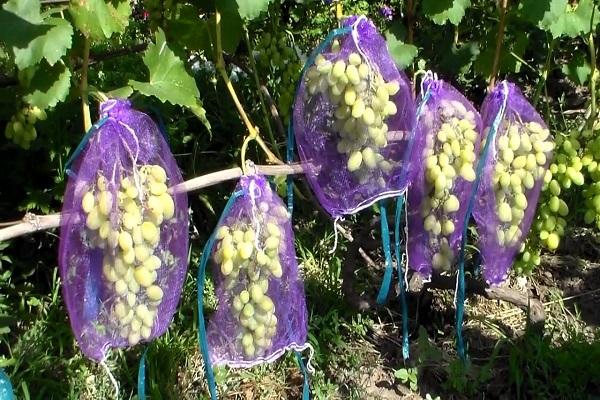
Ripe clusters of fragrant grapes are a favorite delicacy for birds and insects. Feathered pests can be protected by using nets placed over the bunches, and by placing pinwheels near the plantings.
Insecticides such as Aktara and Fitoverm are used to combat insect infestations. Folk remedies that help include a soap solution and mustard powder.
Preparing for winter
The critical winter temperature for Taifi is -15°C. The grapevine has weak frost resistance and requires shelter even in southern regions. The vines are covered with agrofibre or dug in. Mulching with spruce branches, hay, or sawdust is recommended.
Preventive spraying
To avoid outbreaks of infections and infestations by insect pests, preventative spraying of grapes with bacterial preparations, fungicides and insecticides is carried out in early spring, after awakening and during the flowering period.
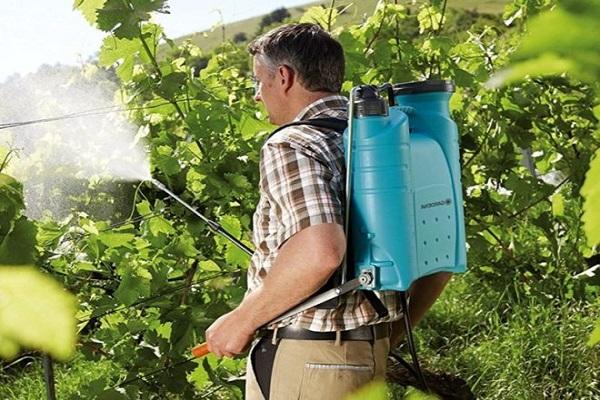
In addition, it is recommended to carry out sanitary pruning of plants and fertilize with potassium-phosphorus complexes.
Mulching
To maintain the required level of soil moisture, it is recommended to mulch the tree trunk circle with freshly cut grass, hay or wood sawdust.
First, the vines are hilled, loosened, and weeds are removed.
Methods of reproduction
Propagating Taifi is easy; young seedlings can be obtained by cuttings, layering, or grafting. Success depends on the gardener's skill and the quality of the mother vine.
Cuttings
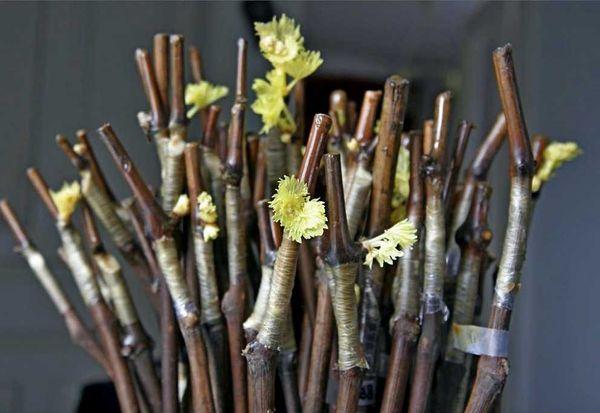
A popular and effective method of grape propagation. It's important to choose and prepare the cuttings correctly. The middle, woody part of the stem is used as the base, and the cuttings are made with pruning shears, leaving about five buds on the cutting.
The preparation is carried out in the fall and the material is stored in the refrigerator until the end of winter.
In the southern regions, seedling cuttings are planted directly into the ground at the onset of spring; in the northern regions, they are planted in individual containers at the end of February and transplanted to a permanent location at the beginning of May.
Graft
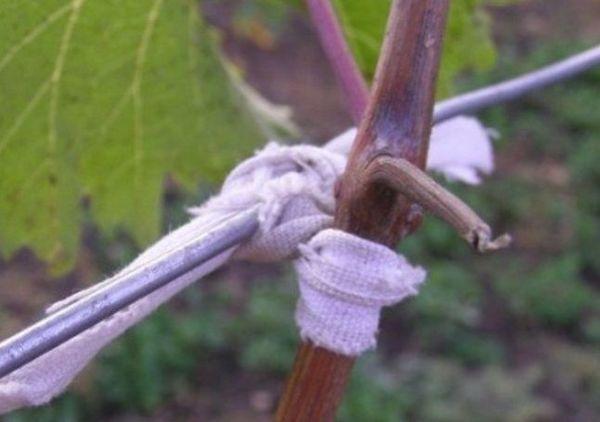
This method is suitable for experienced winegrowers. It involves grafting the rootstock onto the scion. This operation can be carried out in spring, summer or autumn; the advantage of this method is the rapid formation of the root system.
Layers
The lower branch of the vine is dug into the ground, and shoots with their own root system form from the buds, while the shoot receives the necessary nutrients from the mother bush.
Diseases and pests
Grape diseases and pests can be controlled with modern fungicides and insecticides. It's important to loosen and hill the vines regularly, removing weeds.
Grape leaf roller
A common vineyard pest, this small moth poses a threat to grapevines. The caterpillars damage leaves and fruit. Traps or insecticides can be used to control this insect.
Mildew
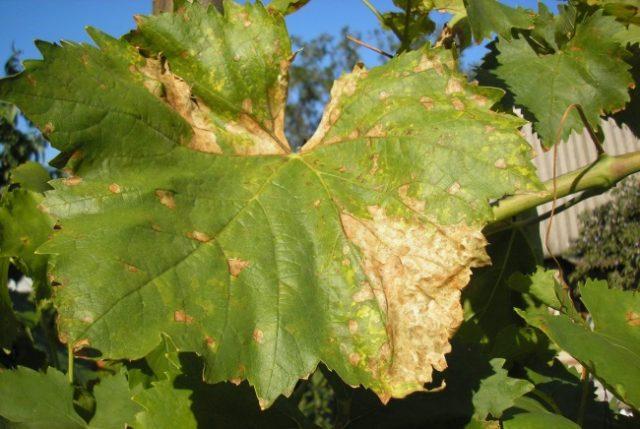
A fungal infection, a type of downy mildew. The disease thrives in damp and warm conditions and can destroy more than half of the crop.
The first signs of the disease can be found on the leaves; the leaf blades turn pale and become covered with brown spots and a coating.
The disease often enters a plot via infected planting material. Spraying with Bordeaux mixture is used as a preventative measure against mildew.
Mealybug
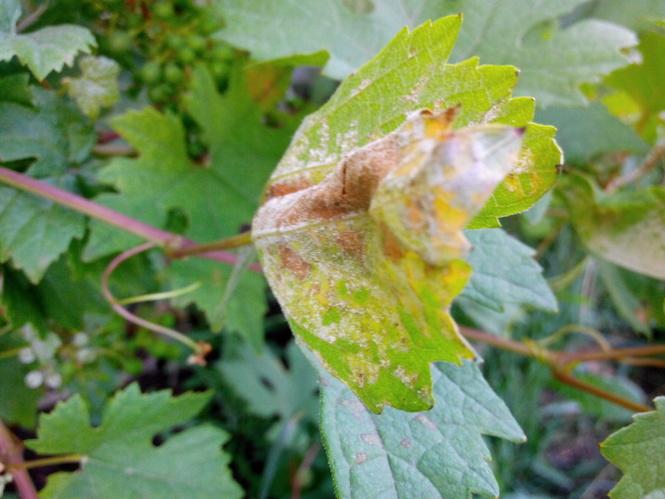
Mild mealybug infestations can be treated with simple methods: simply wipe the plant leaves with cotton pads soaked in soapy water. For severe infestations, use products such as Aktara, Confidor, and Fitoverm.
Harvesting and storage
The Taifi harvest begins in late September or early October. Ripe bunches are resistant to shedding and can be stored for several weeks after harvest in fruit crates, designated areas, or the refrigerator.
Tips and advice from experienced gardeners
Taifi is recommended for cultivation in the southern regions of our country; the grapes require a long summer to fully ripen. The vigorous vine requires staking and additional support. This large-fruited hybrid is ideal for growing in arid regions.
Related posts:
 How to grow grapes in the Moscow region in open ground without a greenhouse
 Description of the Julian grape variety, planting and care instructions
 Description of the Krasotka grape variety, planting and care technology
 The ripening time of grape vines by variety, how to speed up the process, and what to treat the plant with
 Description of 30 grape varieties for Siberia, planting and care for beginners
 Description and characteristics of the Preobrazhenie grape variety, planting and care
 Description and characteristics of the Laura grape variety, planting and care
 Description and characteristics of the Livia grape variety, cultivation and propagation