
- Description and characteristics of the disease
- What harm can it cause?
- Types
- Non-infectious
- Infectious
- Edaphic
- Carbonate
- Iron deficiency form
- Symptoms
- Main reasons
- Cold weather during the growing season
- Excessive mulching
- Lack of moisture
- Treatment and control methods
- Fertilizers to increase nitrogen
- Urea
- Ammonium nitrate
- Ammonium sulfate
- Increasing phosphorus levels
- How to increase potassium
- Potassium chloride
- Potassium salt
- Potassium sulfate
- Complex fertilizers
- Nitrophoska
- Nitroammophos
- Azofoska
- Universal remedies
- Bordeaux mixture
- Ferrous sulfate
- Colloidal sulfur
- Lime-sulfur infusion
- Treatment with iron sulfate
- Resistant varieties
- Alexa
- Venus
- Delight
- Zaporizhzhya raisins
- Pink Timur
- Eastern Talisman
- Preventive measures
When growing grapes, gardeners face many challenges, including chlorosis, which causes significant damage to the harvest, sometimes even leading to complete failure. Therefore, it is important to diagnose the disease promptly, determine the cause, and promptly initiate appropriate treatment.
Description and characteristics of the disease
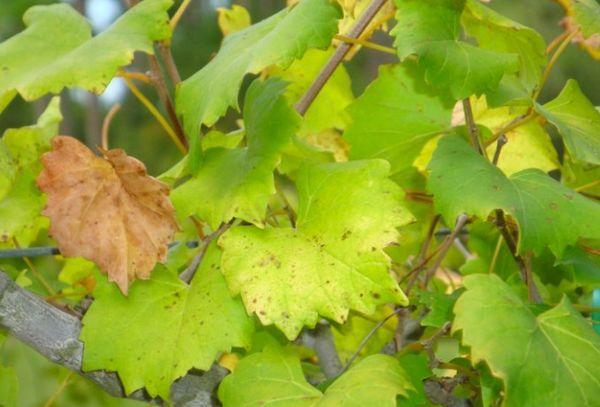
Chlorosis is a disease that disrupts chlorophyll production in leaves and photosynthesis. Leaves turn pale, and plant growth stops. As a result, shoot tips and foliage die, fruit buds fall off, and vine wood ripens poorly.
What harm can it cause?
Chlorosis causes irreparable damage to vineyards. It leads to pea-shaped clusters, drying and dropping of leaves, and reduced frost resistance.
Chlorosis is detected in spring, at the time of bud formation, and in autumn, during the ripening of late berries, preparing for winter.
Types
There are several types of chlorosis.
Non-infectious
A deficiency of minerals (nitrogen, zinc, sulfur, magnesium, iron) in the soil can cause non-infectious chlorosis, which is diagnosed early in the growing season by delayed bud break and pale green foliage. If left untreated, damaged leaves dry out and fall off, and shoots become short-noded and underdeveloped.
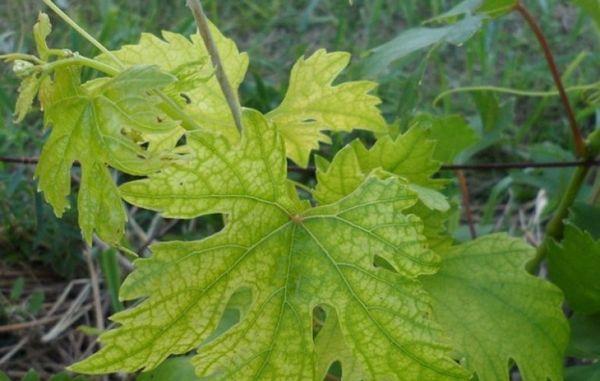
Infectious
This type of chlorosis develops as a result of a viral disease. The virus is introduced into vineyards via infected seedlings. Symptoms of this type of chlorosis include yellowing of the veins, which are the pathways through which the virus is transmitted. Leaves take on a mosaic-like appearance, which is why infectious chlorosis is also known as yellow mosaic. The virus is common in regions with mild climates.
Infectious chlorosis is not treatable, so if it is detected, the grape vine must be removed and burned.
Edaphic
Edaphic chlorosis is triggered by stressful situations, such as sudden temperature fluctuations, excessive moisture, and drought. It can be diagnosed by yellowing of the leaf blade between the veins.
Once the damaging factor ceases, the plant will recover on its own. You can help it recover from chlorosis more quickly and resume normal functioning by feeding it with minerals.
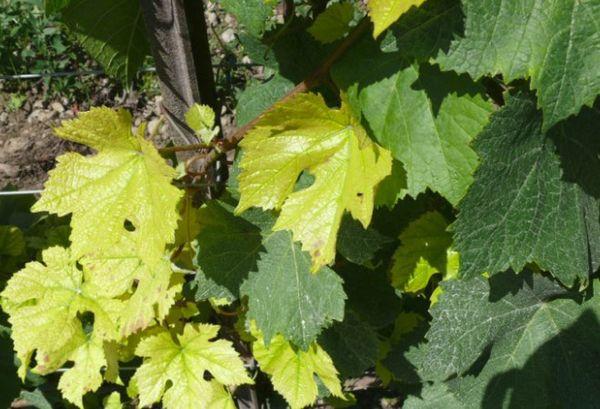
Carbonate
Alkaline, humus-rich soils can develop carbonate chlorosis. This type of soil structure is characterized by excess iron, which is unavailable to the plant because lime impedes the movement of metal ions, such as boron, manganese, and zinc. The main symptom of chlorosis is a sudden and severe weakening of the grapevines.
Iron deficiency form
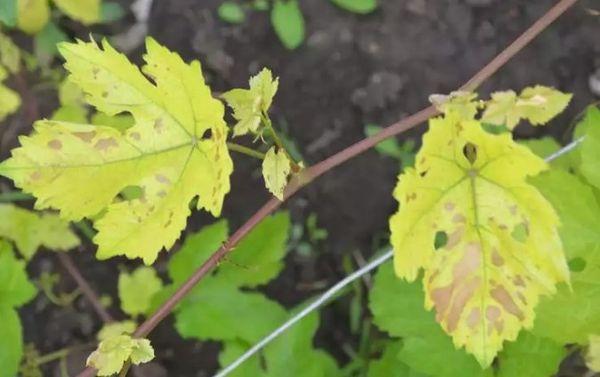
This type of chlorosis is observed on bushes due to an iron deficiency. Iron deficiency is often reduced by excess copper in the soil, as copper is considered an antagonist to iron. Iron chlorosis develops slowly, making it difficult to detect in its early stages. It only becomes visible in later stages.
Bushes that are characterized by high yields and fruiting often suffer from this chlorosis, since the more fruits are formed, the more the crop's need for iron increases.
Symptoms
Chlorosis can be caused by a nutrient deficiency. Knowing the symptoms can help you visually determine which micronutrient your plant needs.
| Element | The main signs of chlorosis |
| Iron | Exhaustion of vines and shoots |
| Bromine | The edges of the leaves dry out, the flowers fall off without opening, the fruits become covered with necrotic plaques and do not reach the required size. |
| Zinc | Incomplete development of petioles, appearance of light green spots on the foliage of the upper shoots, while the veins do not change color |
| Manganese | Yellowing of the leaves at the edges, while the area adjacent to the veins remains green |
| Magnesium | The lower leaves lose the intensity of their green color, which leads to their premature falling off and weakening of synthesis |
| Nitrogen | Yellowing and falling of leaves, stunted growth, poor development of bunches |
All types of chlorosis are characterized by curling and falling of leaves, cessation of grape growth, drying of fruits, and falling off of flowers and ovaries.
A correct diagnosis will help quickly cure chlorosis by fertilizing the crop with fertilizers containing the required mineral.
Main reasons
Chlorosis is a process that occurs in a plant under the influence of various causes.
Cold weather during the growing season
Grapes grown in heavy, poorly permeable soils are most susceptible to chlorosis. Rainy, cold weather favors the development of this disease.
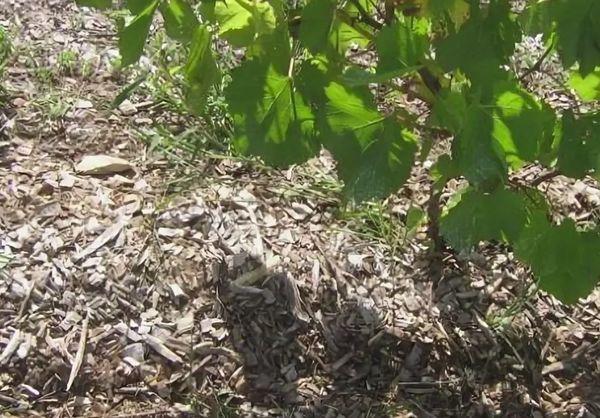
Excessive mulching
Chlorosis is caused by a complex violation of grape cultivation conditions; a lack of nutrients is caused by non-compliance with agricultural practices, in particular excessive mulching.
Lack of moisture
Chlorosis can also be caused by a lack of moisture. Prolonged drought leads to the drying out of the fertile soil layer.
Treatment and control methods
To treat and prevent chlorosis, enrich the vineyard with valuable substances annually, using root feeding in the spring before flowering and foliar feeding in the fall.
Fertilizers to increase nitrogen
During the growing season, a single bush produces numerous branches up to 4-5 meters long, densely covered with leaves and clusters. To replenish the soil's nutrients and prevent chlorosis, apply nitrogen fertilizer in the spring.
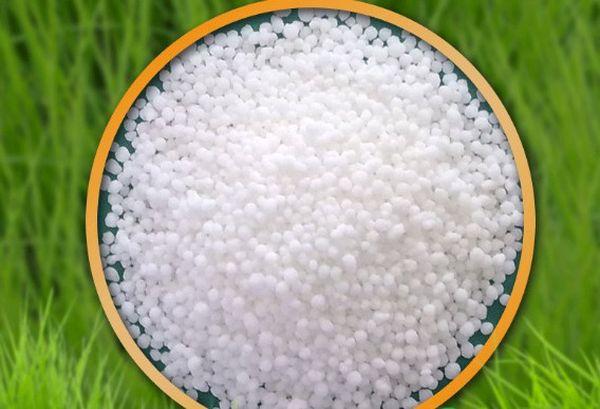
Urea
The fertilizer is easily absorbed by plants and is considered an effective remedy for chlorosis. Apply it to the soil as a root dressing in early spring and spray it with a liquid solution in late fall. Urea is also recommended for treating chlorosis.
Ammonium nitrate
A useful nitrogen mineral fertilizer for viticulture that prevents soil oxidation and promotes nitrogen leakage.
Ammonium sulfate
The product is suitable for all soil types and is not washed away by water. For chlorosis, apply it to soil with increased moisture levels as a primary fertilizer.
Increasing phosphorus levels
Superphosphates will help enrich the soil with phosphorus:
- A simple solution designed for all soil types. Its composition includes gypsum, which is considered a source of sulfur.
- Double is a concentrated product, the dosage of which in solution is 3 times less than that of simple superphosphate.
Proper supply of phosphorus to crops promotes early flowering, accelerates the ripening of fruits and vines, and activates root growth.
How to increase potassium
Potassium is an essential nutrient for grapes. Its deficiency affects photosynthesis and reduces resistance to diseases and pests. The following products can help prevent chlorosis in grapes by increasing potassium levels.
Potassium chloride
A concentrated mineral supplement containing potassium as its active ingredient. It has a positive effect on grapes, boosting their immunity, preventing diseases, including chlorosis, and helping them tolerate temperature fluctuations. The fertilizer dissolves readily in water and enters the soil in an easily accessible form, making it easily absorbed by the soil and plants.
Potassium salt
This substance contains a large amount of chlorine-containing substances. It is used to treat shrubs against chlorosis only in late autumn.
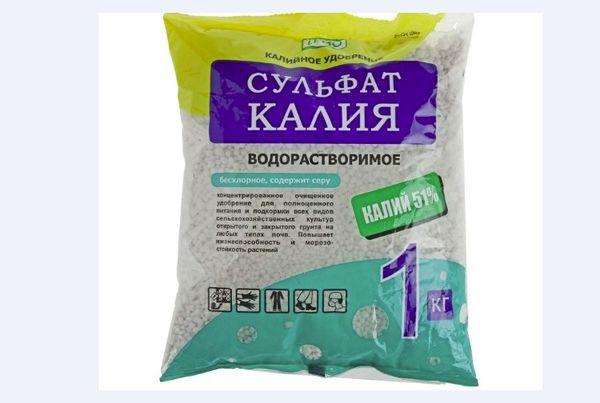
Potassium sulfate
To protect against chlorosis, the preparation is effective when enriching light soils.
Complex fertilizers
In case of chlorosis, combined fertilizers can saturate the grape crop with nitrogen, phosphorus and potassium.
Nitrophoska
Nitrophoska is a universal, combined fertilizer containing nitrogen, phosphorus, and potassium in equal proportions. The easily soluble granules, when released into the soil, disintegrate into ions and are readily absorbed by the crop. Nitrophoska can be used in any soil, but it works best in acidic and neutral soils due to its nitrogen content. Grapes can be fertilized in both spring and fall.
Nitroammophos
A complex mineral-based fertilizer consisting of nitrogen, phosphorus, and potassium. These substances help grapes grow green mass, increase yield and fruit quality, and enhance the plant's resistance to low temperatures, diseases, and pests. Available in gray granular form.
It is recommended to apply in 4-5 waterings, before the formation of berries after flowering, at the rate of 50 g per 10 liters of water.
Azofoska
This mineral fertilizer provides the crop with the necessary complex of nutrients, accelerates its growth and strengthens the root system, and also increases resistance to diseases and resistance to adverse weather conditions.
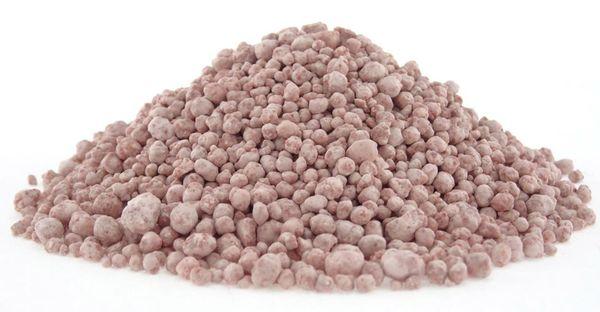
The preparation can be applied in dry form, scattering it at the rate of 35 g per 1 m2 The soil around the bushes can also be treated with a solution, diluting 2 tablespoons of the substance in 10 liters of water and watering at the roots. Fertilize before flowering and after fruit set. The advantage of this fertilizer is that it doesn't wash out of the soil during precipitation.
Universal remedies
To treat chlorosis, experienced gardeners use time-tested, universal remedies. They are chosen for both their effectiveness and their wide range of effects.
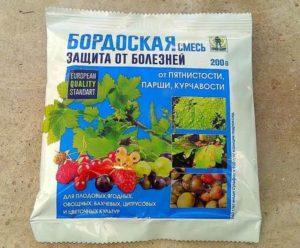
Bordeaux mixture
Bordeaux mixture has many advantages, allowing it to remain a popular fungicide. It's a light blue liquid composed of water, slaked lime, and copper sulfate. Copper, a mineral found in Bordeaux mixture, is essential for grapevines to thrive. Copper deficiency occurs in acidic, sandy, and peaty soils, leading to chlorosis. To address this, treat the vines with the mixture, quickly replenishing the missing nutrients.
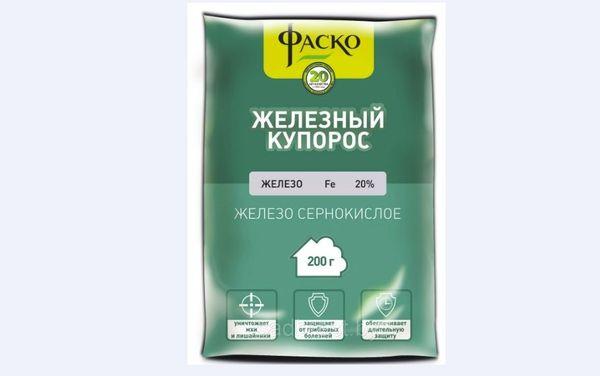
Ferrous sulfate
Ferrous sulfate can also help combat chlorosis. To do this, prepare a solution of 100-150 g of powder per 10 liters of water and apply it to the soil; each plant should receive 3-5 liters of the solution. Treatment involves repeated application to the affected plant. For effectiveness, repeat the treatment every 6-7 days.
Colloidal sulfur
A specialized chemical that combats fungal diseases, promotes protein synthesis, and increases the nutritional value of the crop. To neutralize limescale in the soil during chlorosis, add colloidal sulfur. This product stimulates grape growth, especially in alkaline soils. This is due to its oxidation and further increase in water-soluble nutrients in the soil.
Lime-sulfur infusion
The product is applied before bud break on grapes to combat diseases and insects, and after harvest for preventative treatment. It is recommended to use it at the first signs of chlorosis, applying it to the entire surface of the vine, including the vines and foliage. The soil surrounding the vine should also be sprayed.
Treatment with iron sulfate
The product has a contact effect on fungal infections of crops. It destroys pathogenic microorganisms and prevents their reproduction. It also replenishes iron deficiency. This pale green powder dissolves easily in water.
To replenish essential iron reserves, feed the grapes with 50 grams of iron sulfate diluted in a bucket of water. Spray the vines, leaves, or apply it directly to the soil. Continue this process until the leaves acquire their characteristic green color.
Resistant varieties
There are grape varieties that can withstand adverse conditions that cause chlorosis.
Alexa
This table grape variety has a well-developed, wide root system. Large, medium-density, cylindrical clusters adorn the plant. Each cluster weighs between 800 and 1200 grams. It is prized for its light-green, oval-shaped, matte-pollinated fruits, which are large in size and weigh up to 15 grams per berry. The flesh is dense and meaty, with a sweet, rich, muscat flavor, and is covered with a thick, crisp skin.
The distinctive qualities of the variety are its high yield, resistance to diseases, and it performs well during transportation and storage.
Take a look Also
Venus
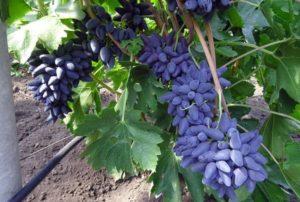
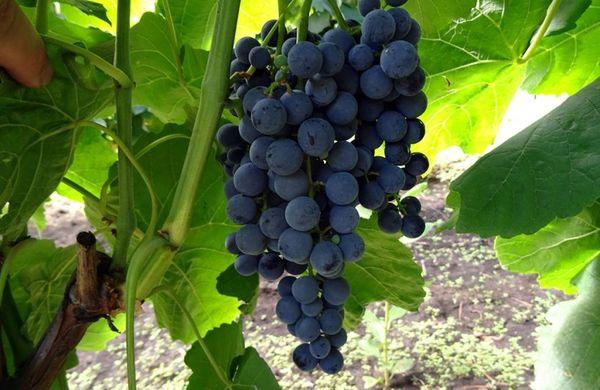
The bushes are of medium vigor. The cultivar produces cylindrical, moderately dense bunches weighing 200 g or more. The berries are small, weighing up to 2-3 g, round, and blue. The juicy flesh has a harmonious, light strawberry-muscat aroma.
The variety is easy to care for, resistant to chlorosis, and versatile in use.
Delight
This variety is characterized by high yields across all parameters, making it popular among winegrowers. The bushes are vigorous, the clusters are conical, up to 2 kg in weight, and the berries are elongated, weighing 10-12 g, white and yellow in color, and have a sweet taste.
The advantages of the variety are high yield, ease of cultivation and care, immunity to major diseases, and frost resistance.
Zaporizhzhya raisins
The bushes grow rapidly and produce large, conical clusters weighing up to 1,500 g. The fruits are small, weighing 2 to 2.5 g, oval, and dark purple. The flesh is meaty with a pleasant marmalade flavor.
The variety has a good yield, excellent taste, resistance to diseases and infections, but attracts the attention of insects.
Pink Timur
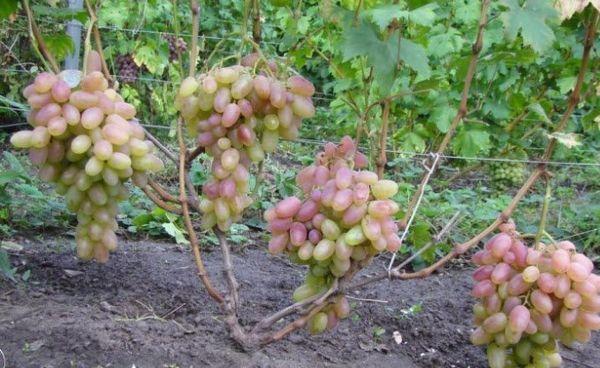
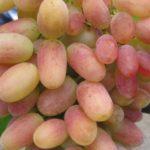
The bushes are medium-vigorous. The clusters are moderately loose, cylindrical, and weigh 800 g. The fruits are elongated, weighing 6-8 g, and are pink with a purple tint. The flesh is crisp, sweet, and has a distinct Muscat aroma.
This variety has good frost resistance, transportability, and disease resistance, but is susceptible to spider mites, so it is rarely chosen by novice gardeners.
Eastern Talisman
The bushes form large clusters, weighing up to 1,000 g, of medium density. The berries are large, weighing 12-16 g, oblong, white with a greenish tint, covered with a thin skin that is imperceptible when eaten. When fully ripe, they acquire a noble muscat flavor.
Its popularity is due to its good adaptability to any conditions, high productivity, trouble-free transportability, and resistance to diseases such as powdery mildew, anthracnose, and chlorosis.
Preventive measures
To minimize the risk of chlorosis on grapes, the following preventative measures should be taken:
- Improve soil conditions. When planting, ensure good drainage using expanded clay or crushed stone. This will improve oxygen access to the roots and maintain optimal soil moisture, even during long periods without watering. Mulch the soil to create a favorable temperature regime for grape growth.
- Apply fertilizer promptly. Fertilize the crop using suitable organic matter (compost, peat, sapropel). Avoid using manure, as it increases the harmful effects of lime. When it comes to mineral fertilizers, potassium sulfate and superphosphate are preferred. These valuable, chlorine-free substances have a low salt index, making them ideal for use on soils at risk of salinization.
- Plant green manure crops. To enrich the soil with nutrients, improve its structure, and regulate air and water conditions, green manure crops such as lupine, alfalfa, vetch, and clover should be planted under the grape vines.
- Provide moderate watering in summer.
- Dig up the soil in the autumn to ensure free penetration of moisture.
- Grow varieties resistant to chlorosis.
By following these simple recommendations, you can protect your vineyard from chlorosis and enjoy a delicious harvest, as well as admire the beautiful appearance of graceful vines.
Related posts:
 How to grow grapes in the Moscow region in open ground without a greenhouse
 Description of the Julian grape variety, planting and care instructions
 The ripening time of grape vines by variety, how to speed up the process, and what to treat the plant with
 Description of the Krasotka grape variety, planting and care technology
 Description of 30 grape varieties for Siberia, planting and care for beginners
 Description and characteristics of the Livia grape variety, cultivation and propagation
 Description and characteristics of the Laura grape variety, planting and care
 Description and characteristics of the Preobrazhenie grape variety, planting and care