
- Description and Features
- History of selection
- Properties
- Caloric content
- Benefits and harms
- Acidity
- Bush characteristics
- Vine
- Bunch
- Productivity
- Taste qualities
- Winter hardiness and drought resistance
- Disease resistance
- How to plant correctly
- Recommendations for choosing deadlines
- Site selection and preparation
- How to select and prepare planting material
- Planting diagram
- Care instructions
- Watering
- Top dressing
- Nitrogen
- Phosphorus
- Potassium and copper
- Boron and zinc
- Mulching
- Garter
- Dry
- Green
- Disease prevention
- Oidium
- Powdery mildew
- Anthracnose
- Chlorosis
- Rubella
- Bacteriosis
- Bacterial cancer
- Protection from birds and pests
- Preparing for winter
- Pruning and shaping
- Methods of reproduction
- Advantages and disadvantages of the variety
- Harvesting and storage
- Tips and advice from experienced gardeners
The Viking hybrid table grape variety was developed in Ukraine. It is a large-fruited, early-ripening variety. It boasts good yields and delicious fruit. It is easy to care for, suitable for novice gardeners, and will be a true highlight of any garden plot, even for landscaping.
Description and Features
Viking grapes are a table grape variety, suitable for fresh consumption. They are early ripening, and the fast-growing vines reach full maturity in 100 days.
Characteristics of the variety:
- Grapes of super early ripening period.
- Frost resistance is average.
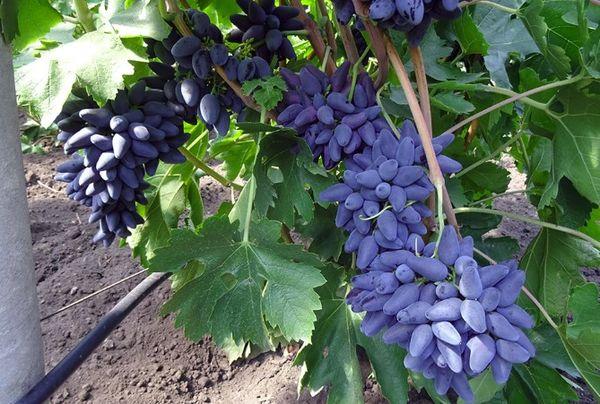
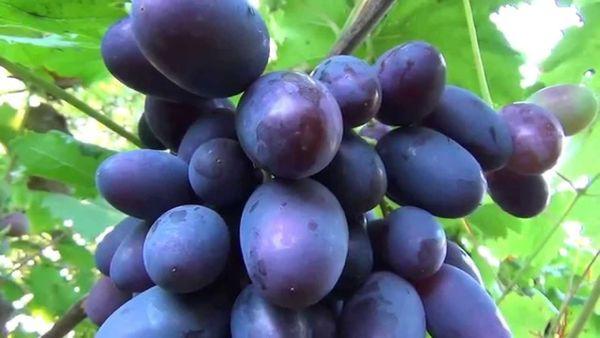
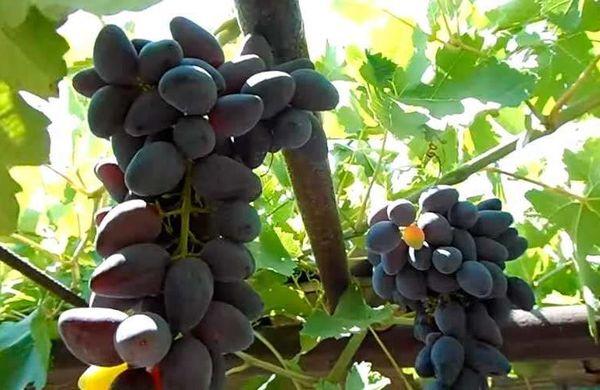
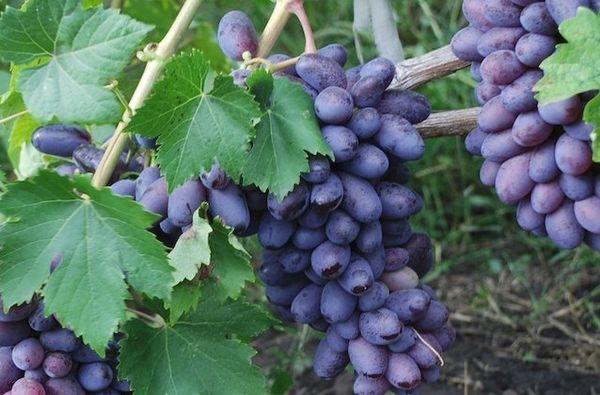
- The berries are deep purple in color and oblong in shape.
- The liana is powerful, vigorous, and is used for landscaping.
- The weight of a bunch can reach 600 grams.
- The fruits do not fall off or crack.
- The yield is average.
This variety has average frost resistance and requires winter protection. Its immunity to fungal infections is above average, so preventative spraying is recommended.
History of selection
The variety's creator is Ukrainian breeder V. V. Zagorulko. During his career, he developed 25 hybrid grape varieties. Viking was created by crossing the Kodryanka and ZOS-1 varieties. The presence of Kodryanka in Viking's pedigree is responsible for the variety's early maturity.
Properties
Eating grapes is beneficial for your health. These delicious berries contain essential micronutrients and vitamins. The shelf life of fresh grapes depends on the berry's acidity, and the characteristics of the grapevine determine its use and planting location.
Caloric content
Grapes are considered a very high-calorie berry. 100 grams of ripe grapes contain approximately 70-80 calories. In Viking grapes, this figure is due to the sugar content, which accounts for 18%. The berries are very sweet, so they are best eaten fresh.
Benefits and harms
The ascorbic acid found in grapes has a beneficial effect on heart function and strengthens the immune system. Essential amino acids—lysine, leucine, arginine, and many others—are also found in this aromatic berry. Regular consumption of grapes helps normalize blood pressure, purify the blood, and remove excess fluid from the body.
 Potential harm from consuming grapes in large quantities can be caused to the health of diabetics or people suffering from gastrointestinal diseases.
Acidity
Viking is characterized by a medium acidity in taste, while the berries are suitable for storage and transportation. The acidity is 5 grams per liter.
Bush characteristics
The Viking grape is a folk-selected variety and is not suitable for commercial cultivation, but it is quite capable of decorating a private garden plot.
Vine
The vine takes about three years to develop, growing into a vigorous vine with a well-developed root system and large leaves. Viking is often used for landscaping gazebos and fences in garden plots.
Bunch
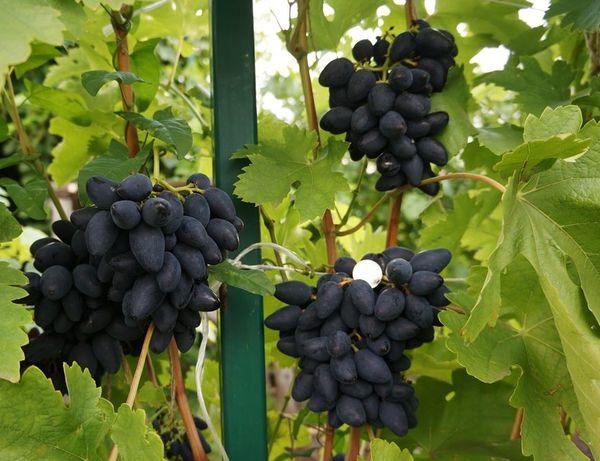
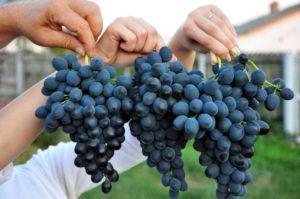
The conical shape of the clusters, consisting of elongated purple berries, is the distinctive feature of this variety. The average cluster weight is 600 grams. The berries are medium-sized, weighing up to 20 grams. The fruits do not fall off and remain on the vine until September.
Productivity
The variety's yield is average; to increase fruit production, it's recommended to leave additional shoots. Overfertilization causes the vine to become overweight, and the berries become noticeably smaller.
Taste qualities
Viking berries are juicy and sweet, with a pleasant cherry or fig flavor. The acidity is light, and the skin is soft and easy to bite into.
Winter hardiness and drought resistance
The vine can withstand frosts down to -21 Frost resistance isn't exceptional, so winter protection is essential. Grapes tolerate drought well, and supplemental watering is important during the early stages of growth.
Disease resistance
Viking has average immunity to fungal diseases and pests. The variety is susceptible to gray mold. Diseases progress rapidly in high humidity and heavily shaded areas.
How to plant correctly
The quantity and quality of the future harvest depend on the choice of planting site and adherence to agricultural practices. When planting grapes, it's important to adhere to the timing and properly prepare the soil and site. Grapes do not transplant well, so careful site selection is essential.
Recommendations for choosing deadlines
The ideal time for planting young seedlings is early spring. Fall planting is also practiced in regions with warm climates.
Site selection and preparation
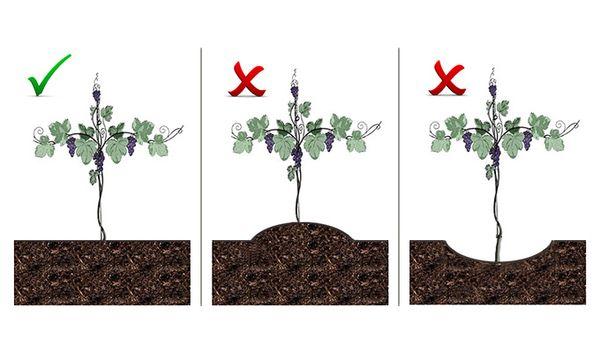
Grapevines prefer to grow in well-lit, draft-free locations. South- or southwest-facing slopes are ideal. The soil should be light, rich in black soil.
 Important! Avoid waterlogged soils and lowlands; stagnant moisture at the roots is harmful to grapevines.
Viking is suitable for arched cultivation, but it is important to remember that the variety requires mandatory winter shelter.
How to select and prepare planting material
It is recommended to purchase seedlings from specialized stores or grow the planting material yourself. The root system of grape seedlings should be well developed, and the stem should have more than three living buds. There should be no mechanical damage or signs of rot on the planting material.
Planting diagram
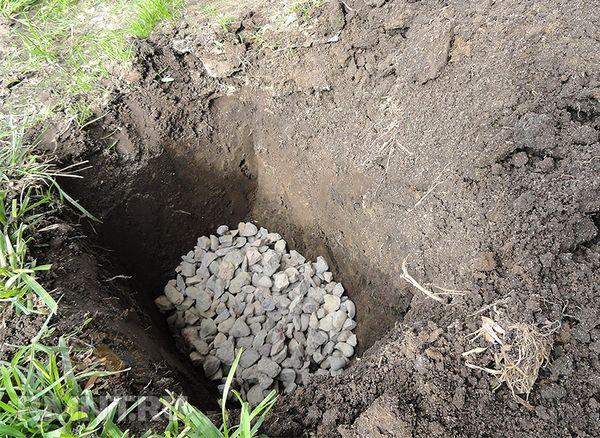
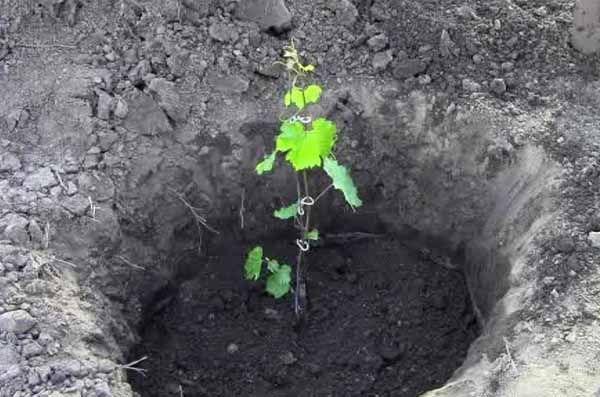
The planting hole should be 70 centimeters deep, with drainage at the bottom. Space the bushes 2 meters apart, keeping in mind that Viking produces a vigorous, spreading vine. When planting in large numbers, use a staggered planting pattern.
Care instructions
The hybrid is suitable for novice gardeners, but when cultivating Viking, it is necessary to follow basic plant care rules, provide timely fertilizing, and spray preventatively against diseases.
Watering
Excessive moisture is detrimental to the variety. Viking requires additional watering during the first stage of growth—before flowering. Irrigate at the roots, avoiding direct moisture onto the leaves.
Top dressing
To ensure balanced growth of the vine, additional fertilizing with mineral and organic fertilizers is used.
Nitrogen
Fertilizing Viking with nitrogen-containing fertilizers should be done with caution. The hybrid is prone to excessive foliage production, which compromises yield.
Phosphorus
This micronutrient is essential for young vines during the initial growth period. Phosphorus fertilizers stimulate the formation of buds and ovaries and are applied before flowering.
Potassium and copper
Potassium is an essential micronutrient for grapevine growth and development. A potassium deficiency can be seen in the plant's leaves: leaf edges dry out and the leaves lose their vibrancy.
The application of fertilizers containing copper significantly strengthens the immunity of grapes and promotes the growth of young shoots.
Boron and zinc
The introduction of boron helps to normalize the process of energy exchange in the plant, the process of photosynthesis is established and regulated, the synthesis of nitrogenous substances is reduced, and crop yields are increased.
Mulching
To maintain soil balance, grape bushes are mulched. Mulch options include black agrofibre, straw, freshly cut grass, and wood shavings.
Garter
To shape and support the vine, the plant is gartered. This garter can be dry or green.
Dry
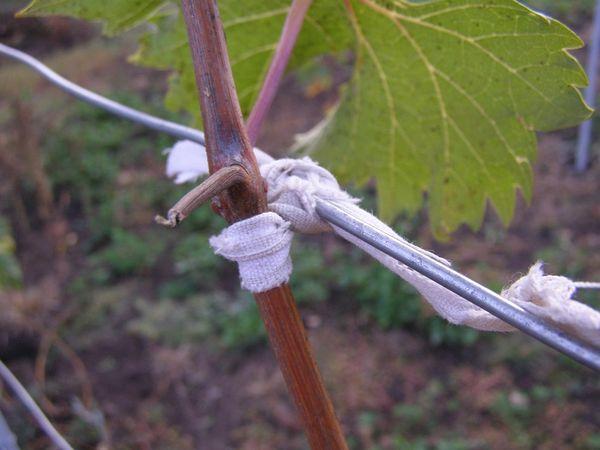
The main difference of this type of garter is that the vine is secured during the period when the buds have not yet awakened.
Important! Do not tie grapes by their tops; the delicate stems can be damaged by gusts of wind and other adverse conditions.
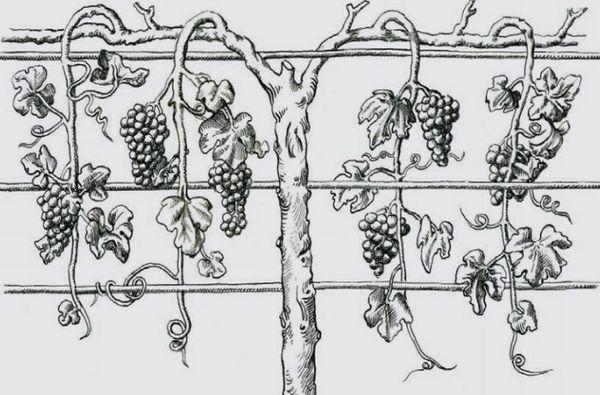
It's important to remember that grapes grow poorly without support and produce little fruit. However, staking the plant horizontally is often practiced. Experienced gardeners claim that this position produces more berries because the light is evenly distributed throughout the vine.
Green
When the young shoots reach 40 centimeters, they are re-tied—green. The purpose of this procedure is to secure the lower branches, which, without tying, would thicken the bush and trail along the ground.
Disease prevention
To ensure a stable harvest, Viking grapes should be treated for fungal infections and insect pests. This grape variety is susceptible to gray mold and powdery mildew.
Oidium
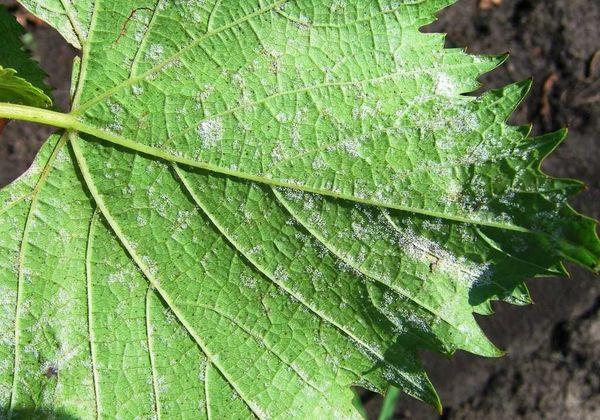
A fungal disease that slows plant metabolism and attacks inflorescences early in the growth cycle. The first signs of infection are the appearance of pale white spots on the leaves, which soon turn yellow, curl, and fall off. Colloidal sulfur and Azofos are used to combat the infection.
Powdery mildew
A common fungal disease of grapevines—"leaves that look like they're covered in flour"—is how many gardeners describe the onset of the disease. The infection quickly spreads to neighboring vines and thrives in conditions of excess moisture. Chemical treatments include fungicides such as Topaz, Vitaros, and Skor.
Anthracnose
It attacks the fruits and leaves of the plant, then penetrates the stem, causing the bark to crack. Copper-containing chemicals are used to combat the infection. Gaupsin is a biological treatment.
Chlorosis
It disrupts photosynthesis in plant leaves. Leaf blades begin to abruptly fall off and turn yellow. Excess organic matter, such as fresh manure, can also cause serious disease in alkaline soils. Excess limestone must be removed from the soil.
Chlorosis can be overcome with the help of ferrous sulfate and preventative fertilization of plants with manganese and zinc.
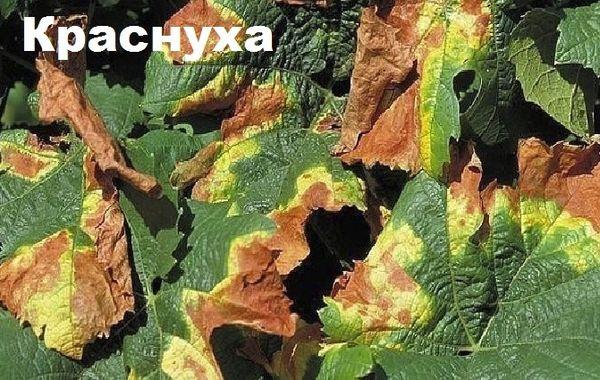
Rubella
This insidious fungus attacks leaf blades, causing extensive brown spots to appear on the edges and the leaf to dry out. The infection then penetrates deeper, and there is usually no cure for rubella, requiring the vine to be removed. Infection can be avoided with preventative measures and proper, systematic care of vineyards.
Bacteriosis
The disease is spread by migratory birds. Bacteria penetrate the fruit and quickly interfere with the plant's metabolic processes. Infected fruit drop, and the vine's development is stunted. Prevention of bacterial blight involves prophylactic spraying of the bushes with colloidal sulfur.
Bacterial cancer
The plant's trunk becomes covered in peculiar "tumors," disrupting metabolism and protein synthesis. The vine cannot be used for propagation. The bush must be removed, otherwise the disease will spread throughout the vineyard.
Protection from birds and pests
Birds cause significant damage to grapevines. They carry infectious diseases and also peck at berries. To prevent pests from damaging grape clusters, they are covered with a thin, breathable material, such as gauze.
Preparing for winter
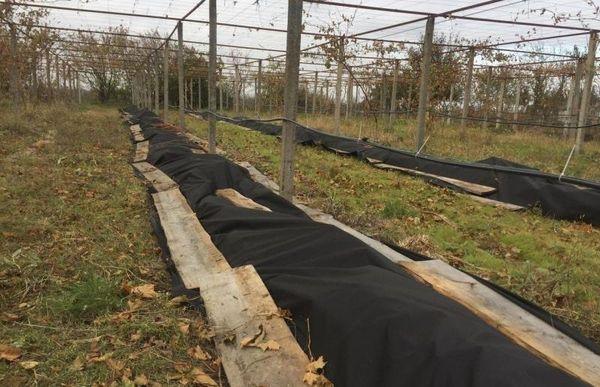
Viking grapes need winter protection. In the fall, the grapes are pruned, the vines are dug in, and covered with agrofibre or spruce branches.
Pruning and shaping
To increase the number of Viking ovaries, trim and prune the side shoots. Horizontal training of the vines is recommended. This variety is used for landscaping and decorating vertical surfaces.
Methods of reproduction
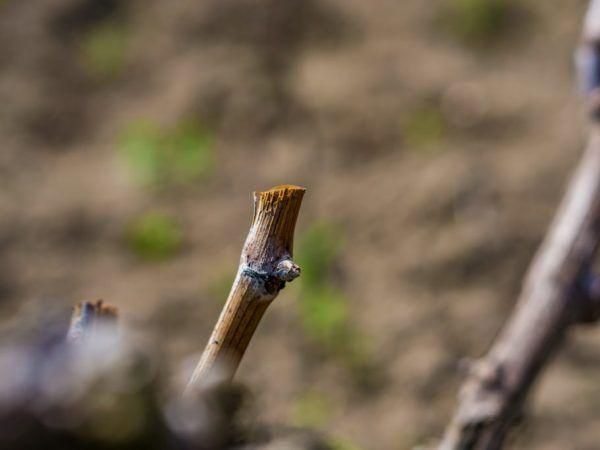
Cuttings are the most successful method of propagating Viking. Young shoots are pruned; the optimal length of the cutting is 15 centimeters, with three to four living buds on the branch.
Advantages and disadvantages of the variety
The main advantages of the variety include:
- Self-pollinating hybrid.
- Early ripening period.
- Not prone to cracking.
- High taste characteristics of ripe fruits.
- Suitable for landscaping.
- Easy to propagate.
- The fruits are suitable for transportation and do not fall off.
Disadvantages of the hybrid grape Viking:
- Average winter hardiness, requires winter shelter.
- Susceptible to diseases such as oidium and grey mould.
- Average yield.
- Requires pruning and vine shaping.
This variety is not recommended for industrial cultivation, but is perfect for growing grapes for home use.
Harvesting and storage
Harvesting begins in August; ripe clusters can remain on the vine for over two weeks without falling off. Viking grapes do not crack and are suitable for transportation and storage.
For storage, grapes are placed in wooden boxes with good ventilation, in a single layer.
Tips and advice from experienced gardeners
Viking is an easy-to-grow grape variety. To ensure a high-quality harvest, preventative treatments against fungal infections are necessary in early spring. For this Ukrainian hybrid, horizontal training is recommended, and winter cover is essential.
Related posts:
 How to grow grapes in the Moscow region in open ground without a greenhouse
 Description of the Julian grape variety, planting and care instructions
 Description of the Krasotka grape variety, planting and care technology
 Description of 30 grape varieties for Siberia, planting and care for beginners
 The ripening time of grape vines by variety, how to speed up the process, and what to treat the plant with
 Description of 30 varieties and types of Muscat grapes, planting, cultivation and care
 Beginner's Guide to Growing Grapes in Open Ground in Central Russia
 Description and characteristics of the Alpha grape variety, the subtleties of cultivation