
- Description and Features
- Vine
- Inflorescences
- Berries
- Taste
- Growing regions
- History of selection
- Main characteristics
- Drought resistance
- Frost resistance
- Productivity and fruiting
- Areas of application of fruits
- Resistance to diseases and pests
- Varieties
- Black
- Pink
- Crimean pearl
- Saba
- Pros and cons of the variety
- How to plant correctly
- Recommendations for choosing deadlines
- Choosing a location
- Soil requirements
- Site preparation
- How to select and prepare planting material
- Planting diagram
- Care instructions
- Watering mode
- Top dressing
- Protection from rodents
- Preparing for winter
- How to protect crops from birds
- Mulching
- Trimming
- Preventive spraying
- Weeding and loosening
- Methods of reproduction
- Diseases and pests
- Harvesting and storage
- Tips from experienced gardeners
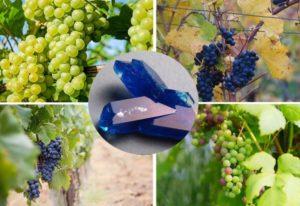
The Black Pearl grape variety has gained popularity in many European countries due to its low maintenance, excellent flavor, and increased tolerance to temperature fluctuations. The harvested grape is suitable for fresh consumption, as well as for various types of preserves and processing. The variety has been known since the early 20th century. It was then that it was developed by Hungarian breeders who crossed the Hungarian Muscat and Ottonel grapes.
Description and Features
The individual characteristics of the Zhemchug grape can easily be distinguished from other similar varieties. Experienced gardeners recommend carefully studying the variety's characteristics before planting the vines in their garden.
Vine
Young grapevines are purple in color. A light, web-like pubescence is noticeable on the upper part. As they mature, the vines turn brown.
Inflorescences
Pearl produces 0.56 inflorescences on a developed shoot, and 1.37 on a fruiting shoot. Flowering occurs approximately in May, but timing may vary by region.
Berries
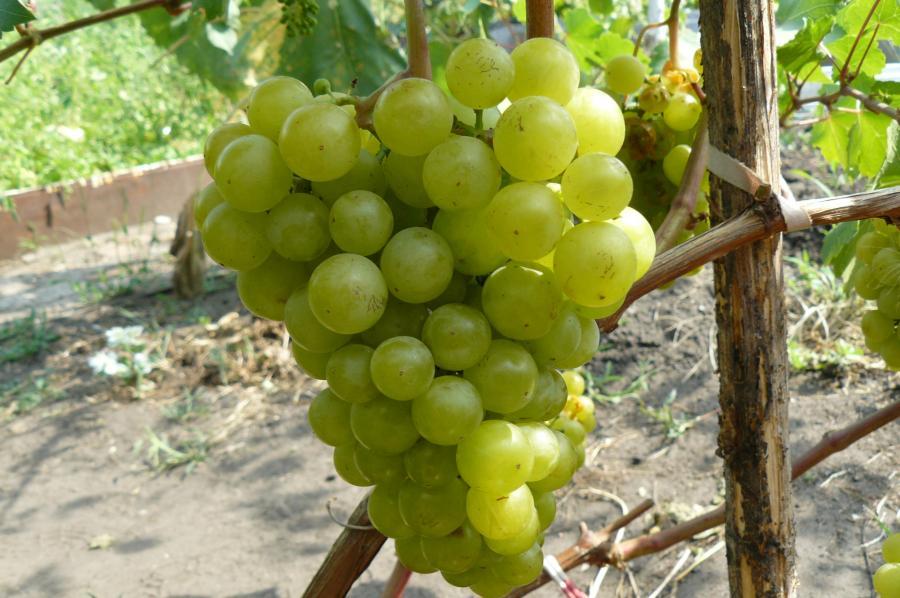
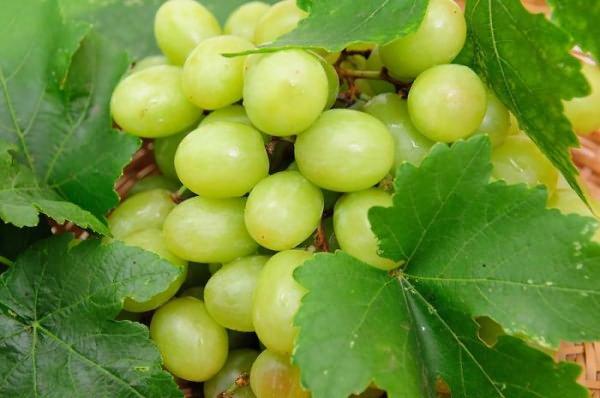
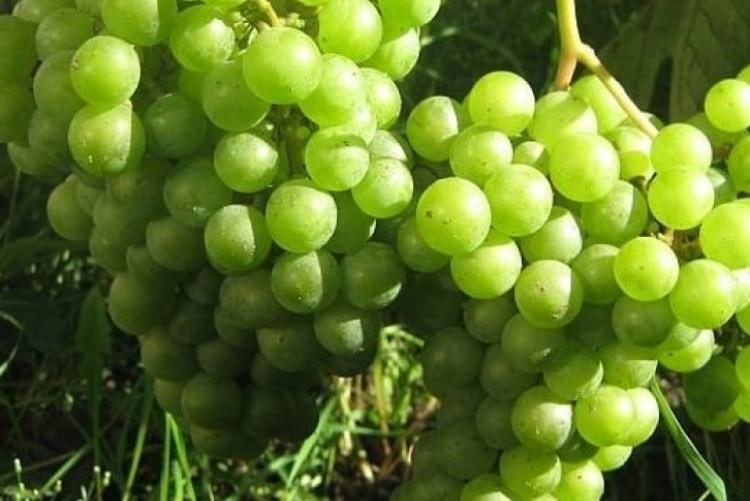
The Pearl grape harvest ripens by mid-summer, which allows it to be classified as an early variety. The fruits are round in shape and medium in size. The skin is thin.
Taste
In terms of flavor, Zhemchug is classified as a dessert variety. The berries have a balanced, distinctive flavor and a muscat aroma.
Growing regions
The Zhemchug grape variety is suitable for cultivation in Europe and Transcarpathia. When grown in other regions, the plants require more careful care to ensure high yields and protect the bushes from pests and diseases.
History of selection
Breeders first encountered the Zhemchug grape at the beginning of the 20th century. It was then that an unknown seed was grown into bushes that bore amazing pearl-like fruits, covered in a waxy coating. A little later, scientists crossed Muscat of Hungary and Ottonel, producing a grape with similar characteristics.
Thanks to this, the parent pair of Zhemchug was identified. The variety became widespread in Eastern European countries and Transcarpathia.
Main characteristics
The main characteristics of the Zhemchug grape allow us to distinguish it from other similar varieties and highlight its advantages and disadvantages.
Drought resistance
Pearl is considered a drought-resistant variety, but with timely watering, yields increase significantly and the quality of the harvest improves.
Frost resistance
The variety is distinguished by its high frost resistance, which is why it is in demand among gardeners in European countries and Transcarpathia.
Productivity and fruiting
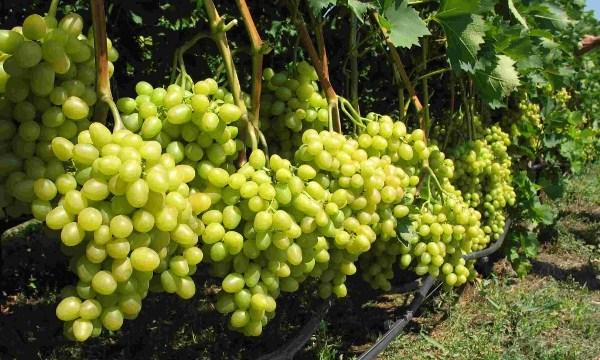
Each Zhemchug grape bush produces up to 8 kg of berries per season, with a 95% ripening rate. The fruits ripen in mid-summer..

Areas of application of fruits
The Zhemchug grape harvest is suitable not only for fresh consumption, but also for all types of processing and preparation.
Resistance to diseases and pests
The Pearl variety is almost unaffected by pests and is not affected by common diseases.
Varieties
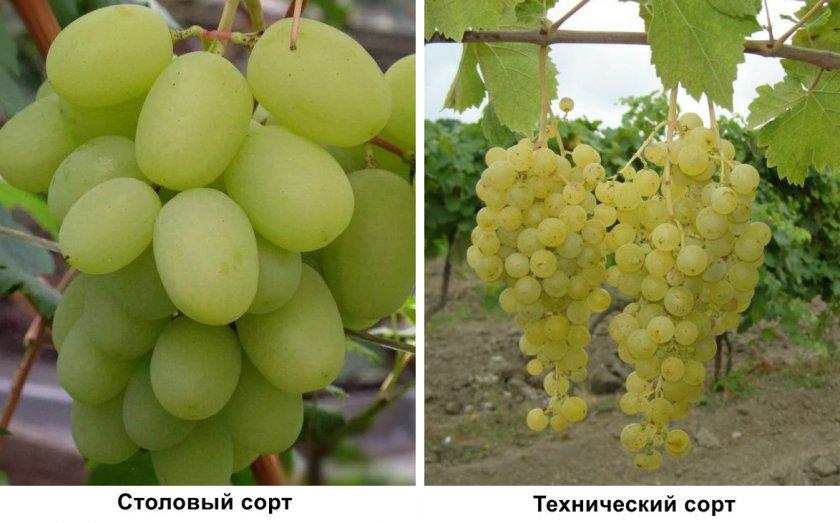
Today, several varieties of the Pearl grape variety are known, each of which has its own characteristics, concerning not only the characteristics of the fruit, but also agricultural technology.
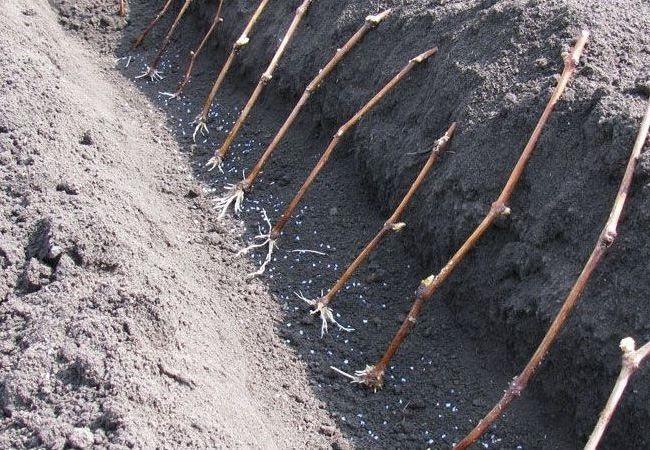
Black
This Zhemchug grape variety is grown for industrial use and is used primarily for wine production. Ripe berries are beneficial for the human body, strengthening blood vessel walls, preventing blood clots, and generally improving circulatory health.
Pink
Pink Pearl bushes are distinguished by their increased frost resistance and tolerance to temperature fluctuations, making this variety widely grown in temperate climates. In winter, vineyards can withstand temperatures as low as -30°C. The harvested grapes are used both for fresh consumption and for wine and juice production.
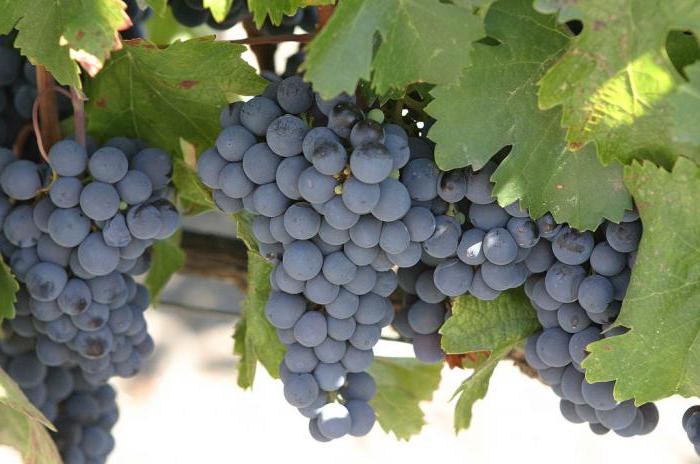
Crimean pearl
Krymskaya Zhemchuzhina is an early-ripening variety, delighting with ripe berries just four months after fruit set. They have a sweet, rich flavor. In winter, the vineyards can withstand temperatures as low as -25°C. The plants are virtually immune to diseases and pests.
Saba
Compared to other varieties, Zhemchug Saba has lower yields. The clusters are medium-sized. The skin is thin, with a slight waxy coating visible when ripe. The flesh has a pleasant muscat aroma and a balanced flavor.
Pros and cons of the variety
The Zhemchug grape, like other varieties, has its advantages and disadvantages. Its positive qualities include:
- high frost resistance;
- early ripening;
- high immunity to diseases;
- resistance to pests;
- simplicity of agricultural technology;
- undemanding in care.
Experienced gardeners note the following disadvantages:
- poor transportability of the crop;
- when the vines are overloaded, the fruits become smaller;
- If berries are not harvested in a timely manner, they lose their taste.
How to plant correctly
When planting Pearl grapes, there are certain considerations that must be taken into account to ensure a rich, high-quality harvest in the shortest possible time.
Recommendations for choosing deadlines
It is recommended to plant grapes in the plot in the spring, immediately after the threat of recurrent frosts has passed.
The seedlings must have time to take root well.
Choosing a location
Grapes should be planted exclusively in well-lit, sunny locations, protected from drafts and cold winds. Preference is given to sites located on hilltops or hillsides.
Soil requirements
Loamy or sandy loam soil with a neutral acidity level is ideal for growing grapes.
Site preparation
Before planting Pearl seedlings, deep-till the soil in the selected area, apply fertilizer, and remove weed roots. It's best to begin this preparatory work in the fall so that the fertilizer has time to decompose and enrich the soil with nutrients by spring.
How to select and prepare planting material
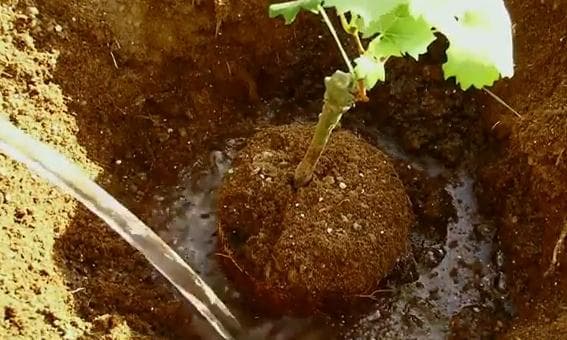
Ready-made Zhemchuga seedlings are purchased at retail outlets from reliable and trusted sellers. Be sure to pay attention to the condition of the root system, the presence of signs of disease and the condition of the vine. The shoots should not show signs of mechanical damage or injury.
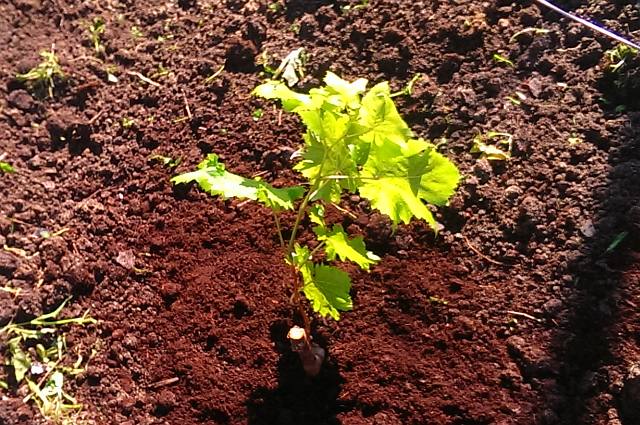
If you can't buy a ready-made seedling, you can root cuttings yourself. To do this, take them in the fall and store them in a cool, dark place (such as a basement). When the weather warms up, remove the cuttings, treat them with a rooting stimulant, and plant them in soil to root. They can be moved to their permanent growing location only the following year.
Planting diagram
When planting the Pearl grape variety, leave a distance of at least 1.5 m between the bushes and 2 m between the rows.
Care instructions
To achieve a high-quality and abundant harvest, it's important not only to plant vines correctly but also to provide proper care. Plants require regular inspection, watering, pruning, and soil cultivation.
Watering mode
The Zhemchug variety has excellent drought tolerance and doesn't require frequent watering. However, periodic irrigation increases yields and promotes good bush growth. Watering is necessary in arid regions where rainfall is rare. However, avoid overwatering, which promotes fungal diseases and root rot. Allow the topsoil to dry out.
Top dressing
The first fertilization of the Zhemchug grape should be done three years after planting the seedlings. Fertilization is done in the fall and spring. Fertilizers containing phosphorus, potassium, and nitrogen are used.
Protection from rodents
Rodents pose a threat to vineyards during the cold season, capable of destroying entire vines.
To protect the vines, small grooves are made, the width of which does not exceed 0.75 cm, and they are filled with spruce needles and black root.
This aroma repels rodents and helps keep the grapes safe and sound. For best results, experienced gardeners recommend placing mouse poison near the bushes.
Preparing for winter
Covering Zhemchug grapes for the winter is only necessary in regions with cold climates or those characterized by sharp temperature fluctuations. Burlap or other non-woven material is used for this purpose. It's important to ensure adequate airflow, otherwise the vines will rot.

How to protect crops from birds
Birds also enjoy feasting on the delicious fruits of the Zhemchug grape. To keep the harvest safe and sound, it's recommended to cover the bushes with fine mesh (fine-grain fishing netting is also suitable) before they ripen. Some gardeners attach computer disks or pieces of foil to the bushes to repel birds. Such tricks, however, are generally unsuccessful.
Mulching
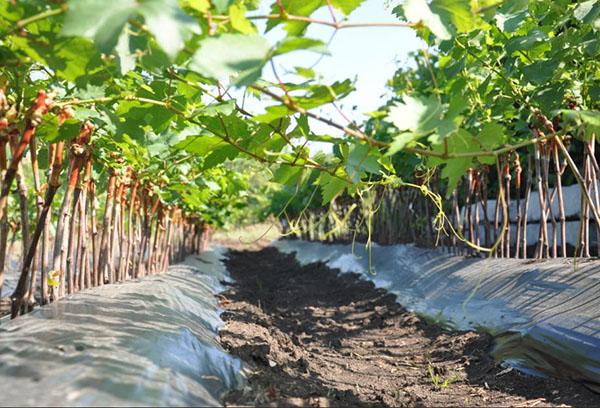
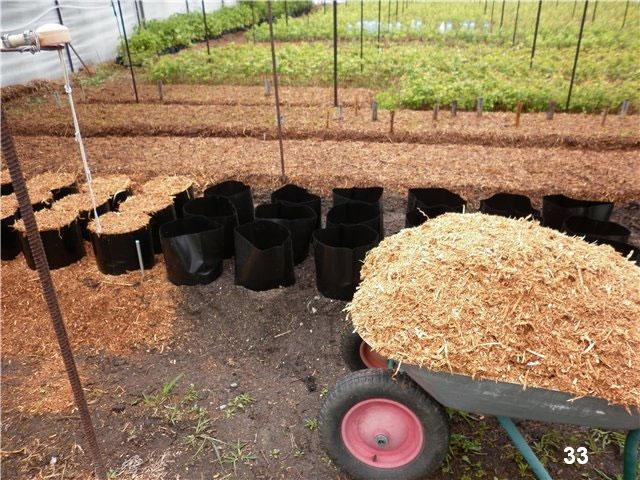
Mulching is necessary to prevent excess moisture from evaporating from the soil during the summer. It also prevents weed growth under the grape vines. Wood shavings, hay, straw, and pine needles are used as mulch.
Trimming
Pruning of the Zhemchug grape bushes is done in the spring to prevent frost damage during the winter. Old branches are primarily removed. Main shoots are shortened with pruning shears to give them a neat and decorative appearance. Lower shoots are completely cut back to a height of 0.5 m from the ground.
Preventive spraying
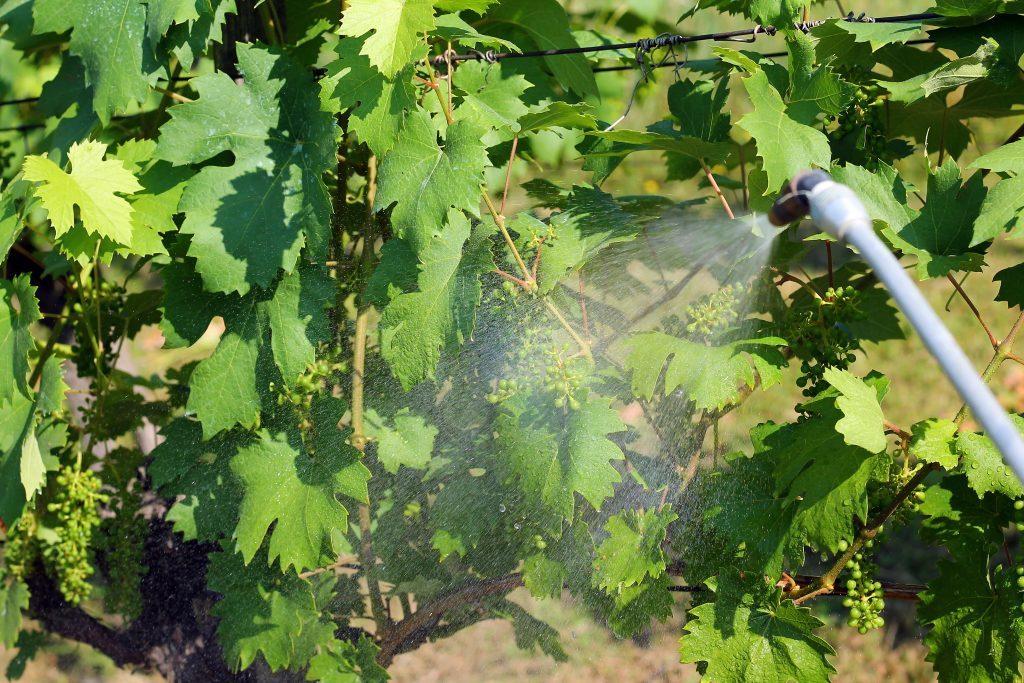
In the spring, after removing the covering from the Pearl vines, spray them with ferrous sulfate. After some time, experienced gardeners recommend treating them with Bordeaux mixture. These measures help prevent the development of fungal diseases.
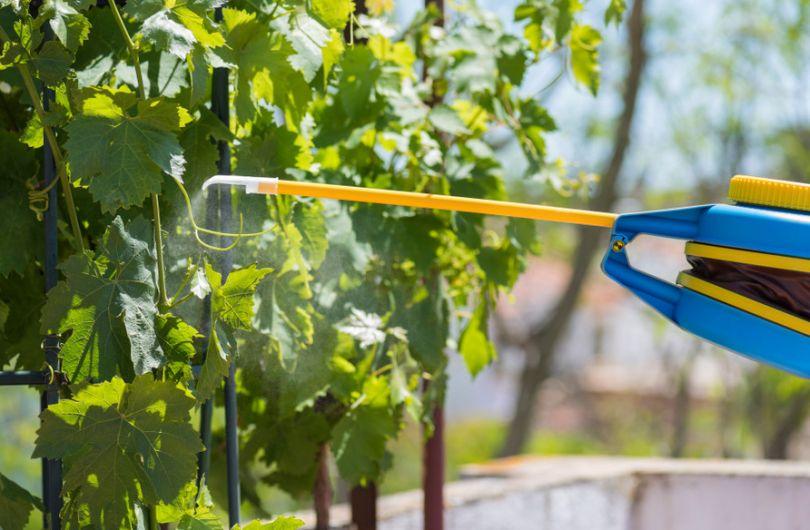
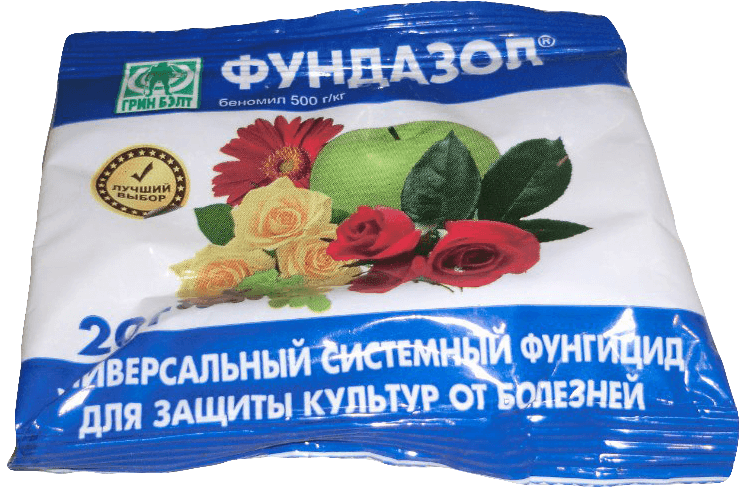
In the fall, before covering the vineyards for the winter, the Bordeaux mixture treatment is repeated. If there is a risk of diseases or pest infestations during the summer, the plants are treated with insecticides or fungicides.
Weeding and loosening
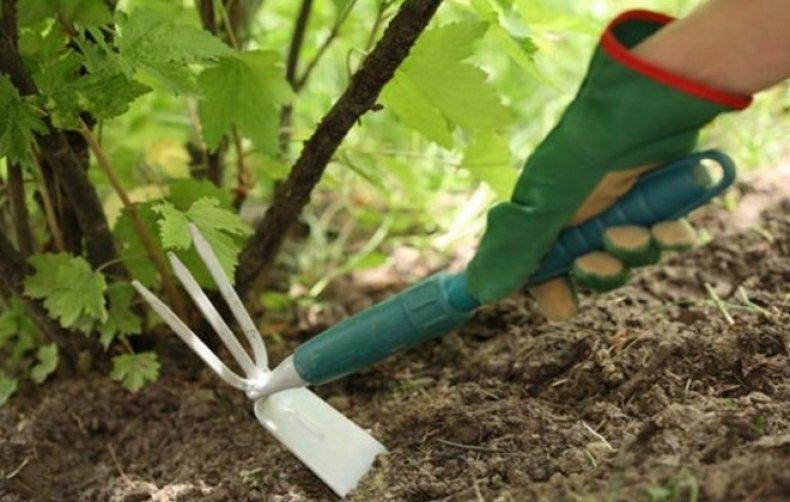
Weeding around the trunk of the Zhemchug grape is done after each watering or heavy rainfall. Deep soil loosening is required in the fall. The soil is dug to a depth of up to 1 meter, moving the top layer of fertilizer downward. This brings the bottom layer of soil to the surface and continues to be enriched with nutrients as fertilizer is applied.
Methods of reproduction
The Zhemchug grape variety can be propagated by layering, cuttings, or seeds. The latter method is primarily used by breeders to develop new varieties, as it is virtually impossible to preserve the qualities of the parent plant. However, layering and cuttings are successfully used by both novice and experienced gardeners.
Diseases and pests
The Zhemchug grape variety is characterized by increased resistance to pathogens and pests. However, improper agricultural practices or unfavorable weather conditions can sometimes contribute to the plant's exposure to powdery mildew. To prevent negative consequences, timely preventative treatments are recommended.
Harvesting and storage
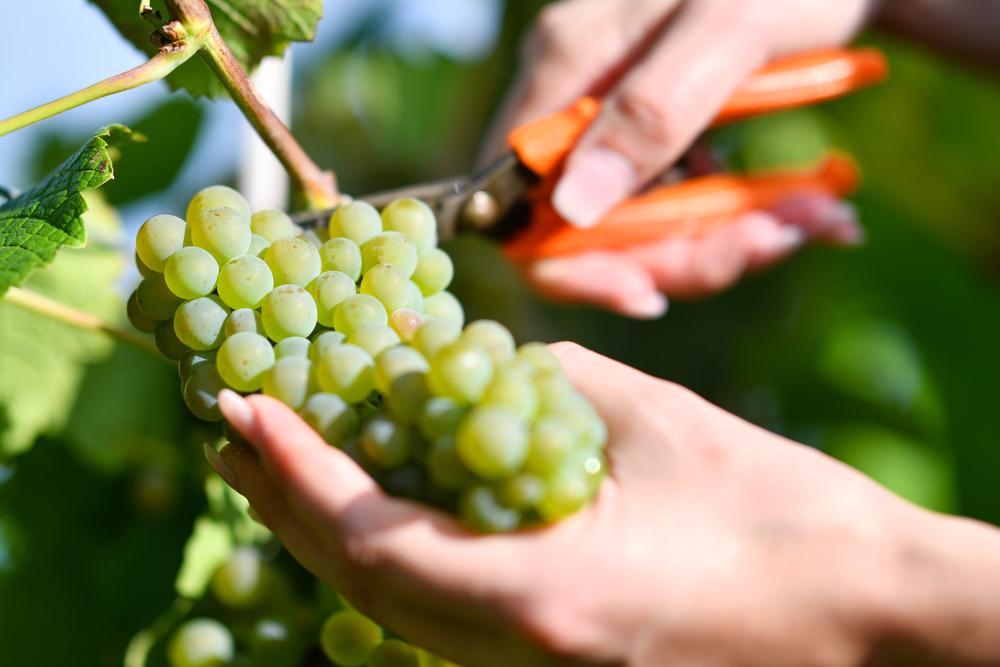
The harvest must be done promptly, preventing it from becoming overripe. However, bunches cut unripe are not suitable for long-term storage.
Grapes harvested on time not only have the best taste, but also the greatest supply of nutrients.
The harvested berries are used both for fresh consumption and for making wine and juice. They are also suitable for storage in a cool, dark place. Some gardeners prefer to freeze their harvest.
Tips from experienced gardeners
Over the years of cultivating the Zhemchug grape, gardeners have gained experience in planting and caring for it. To achieve an earlier harvest, it's not enough to simply follow proper agricultural practices and plant the vine correctly.
It is necessary to systematically apply fertilizers and trim the bushes.
Pruning should be planned for spring, since after the autumn procedure the vine does not survive the winter well and often freezes.
This is especially true in regions with cold climates. In these conditions, additional protection for vineyards during the cold season is also necessary. Frost-resistant Zhemchug (Pearl) overwinters without additional cover in southern climates, but in temperate climates, it requires additional protection.
Related posts:
 Description of 30 grape varieties for Siberia, planting and care for beginners
 How to grow grapes in the Moscow region in open ground without a greenhouse
 The ripening time of grape vines by variety, how to speed up the process, and what to treat the plant with
 Description of the Julian grape variety, planting and care instructions
 Description of 30 varieties and types of Muscat grapes, planting, cultivation and care
 Description of the Krasotka grape variety, planting and care technology
 Beginner's Guide to Growing Grapes in Open Ground in Central Russia
 Description and characteristics of the Syrah grape variety, where it grows