
- The history of the origin of the mixture
- Description and effect of the drug
- Compound
- Advantages and disadvantages
- Rules and recipe for preparing a solution for grapes
- 1%
- 3%
- When to apply
- Treatment
- Downy mildew
- Gray rot
- Anthracnose
- Rubella
- Cercospora leaf spot
- Melanosis
- Deadlines
- Spraying rules
- Common mistakes
- Safety precautions
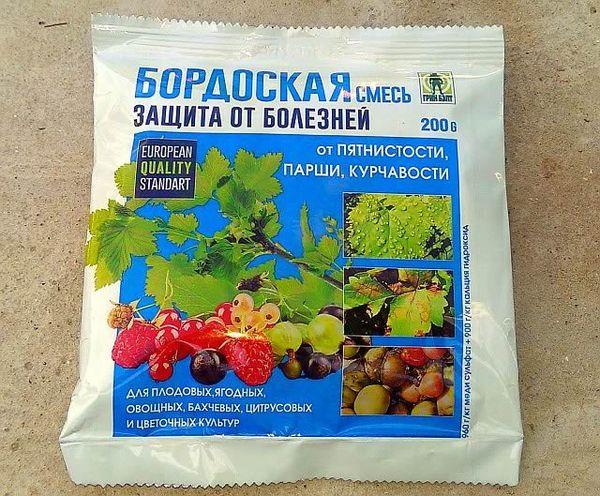
Different grape varieties require special protection, especially when it comes to fungal diseases. Since ancient times, both amateur and professional gardeners have sought solutions by spraying plants with folk remedies and various chemicals. Treating grape bushes with Bordeaux mixture in the summer has become a real lifesaver for gardeners, protecting plants not only from diseases but also from pests. However, before using it, it's important to read the instructions for use and a detailed description of this time-tested product.
The history of the origin of the mixture
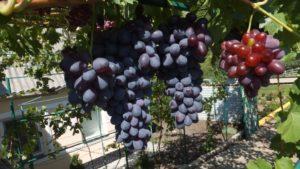
Gardeners and scientists searched for a solution that would not only eliminate fungi but also avoid weakening and weakening plants. French botanist Pierre Millardet made a breakthrough by inventing a unique fungicide, later named after the city of Bordeaux. Professor Millardet worked there at the local university.
The Bordeaux mixture contained water, copper sulfate, and potassium hydroxide. The key was to get the proportions right. Preparing the solution is incredibly simple. Even novice gardeners can handle it.
Description and effect of the drug
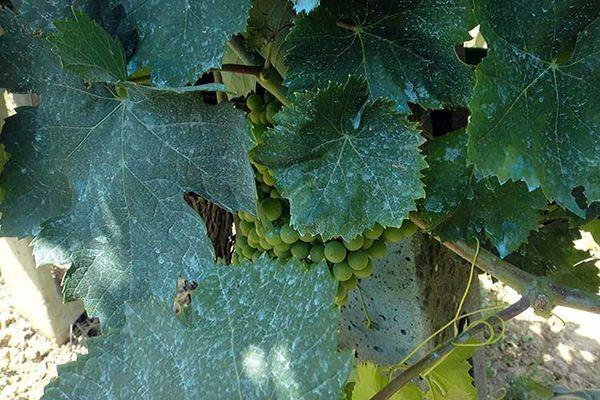
As soon as the main components of Bordeaux mixture come into contact with grape leaves, they begin to penetrate the cells of pathogens, destroying them. If the solution comes into contact with insects, they die. If preventative treatments are performed, grape vines will remain unattractive to pests and pathogens for a long period.
Some gardeners expect the effect to be immediately apparent after using Bordeaux mixture. In reality, it only takes a few hours after application. The product's effectiveness lasts for a couple of weeks.
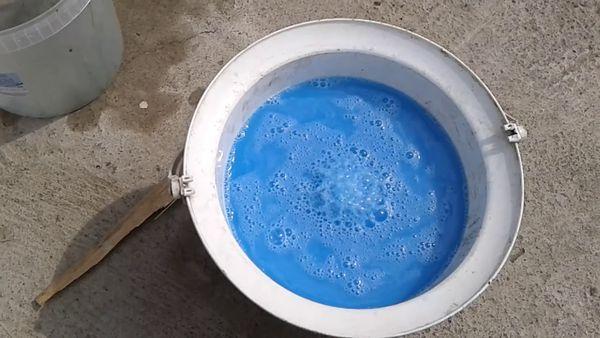
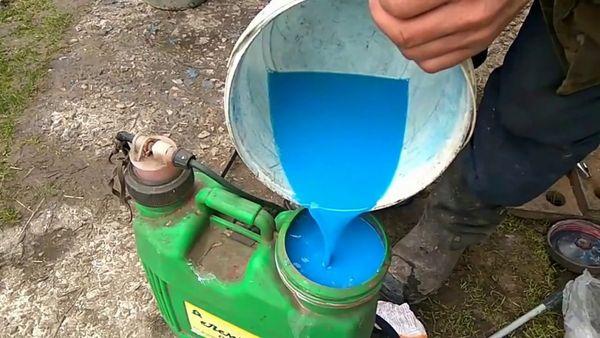
Winegrowers determine the quality of the solution by its color. A properly prepared solution has a beautiful blue color. Low-quality solutions are colorless, lacking even a slight blue tint. Experienced gardeners do not recommend using them, since this fungicide does not adhere well to foliage and is quickly washed away by water.
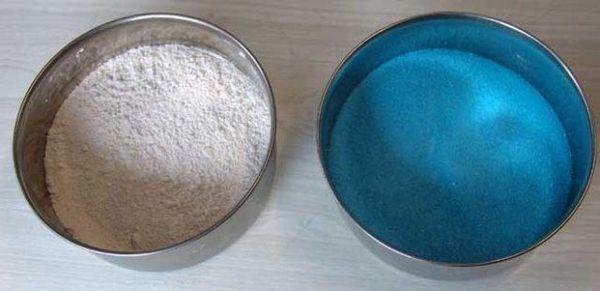
Another way to test the quality of the prepared solution is to dip a regular nail into a container of Bordeaux mixture. If a light coating forms on the nail, add a small amount of lime milk to the solution. A ready-made dry mixture for making the fungicide can be purchased at gardening stores. Simply add the required amount of water and mix thoroughly.
Compound
Bordeaux mixture is prepared from the following ingredients:
- the water is clean;
- slaked lime;
- copper sulfate.
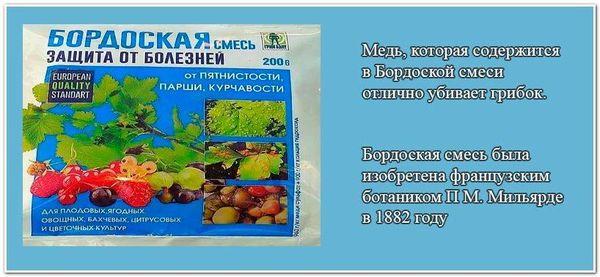
Copper sulfate is considered the main ingredient in this mixture. It promotes grapevine growth and strengthens the plant's immune system, thereby reducing the risk of various diseases.
Due to the properties of some of the components of Bordeaux mixture, some gardeners are wary of using it to treat their vineyards. Therefore, they seek similar products to protect against diseases and pests.
The most popular products in this category are "Hom" and "Kuproskat," distinguished by their affordability and effectiveness. They are suitable for both treating the first symptoms of illness and for prevention.
Advantages and disadvantages
All preparations designed to prevent and treat grape diseases have their advantages and disadvantages. Bordeaux mixture is no exception. Its positive qualities include:
- rapid penetration of microelements into the bark and leaves;
- active ingredients are not washed off with water;
- the drug is considered universal, suitable for use not only in spring, but also in autumn;
- The liquid is effective against most pathogenic microorganisms and parasites.
Negative qualities include:
- with frequent spraying, the phytotoxicity of the drug appears;
- Copper is considered dangerous to humans, so all work with it must be carried out in a special protective suit;
- Bordeaux mixture components tend to accumulate in the soil, which can subsequently cause yellowing and leaf fall.
The fungicide is considered toxic, so its use requires the mandatory use of personal protective equipment. All containers in which Bordeaux mixture was stored or prepared are unsuitable for further storage of drinking water supplies or for irrigation.
Rules and recipe for preparing a solution for grapes
Experienced winegrowers already know the recipe for preparing a spray liquid by heart, but beginners will find it useful to familiarize themselves with the intricacies of preparing Bordeaux mixture.
1%
A 1% solution is prepared from 100 g of the prepared fungicide and 1 liter of water. Mix thoroughly, then add another 4 liters of water and mix again.
3%
To prepare a more concentrated solution, take 300 g of the prepared mixture per 5 liters of water and mix everything thoroughly.
When to apply
Bordeaux mixture can protect grapes from many diseases, but it's important to time the application correctly to achieve maximum results. Spraying typically produces good results in spring and fall.
In case of extreme necessity, summer treatments are carried out using a 1% solution, since the foliage of the bush during this period is very sensitive to the main active ingredients.
Treatment
Treating grapevines for various diseases is effective when done early. Preventative treatments are recommended to prevent the development of diseases.
Downy mildew
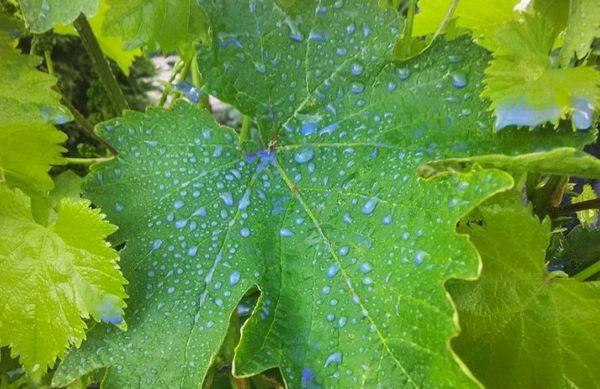
High temperatures and humidity promote the development of downy mildew. The disease progresses in spring and summer, when favorable weather sets in and leaves emerge. As a result, affected grape foliage dries up and falls off, significantly reducing yields. A 1% Bordeaux mixture solution is used to prevent and control the disease.
Gray rot
Gray mold pathogens attack not only leaves and stems, but also inflorescences and berries in weakened vineyards. As a result, a significant portion of the harvest is lost, becoming unsuitable for processing and consumption.
To protect plants, treat them with a 1% Bordeaux mixture solution in early spring, when buds are just beginning to open. The treatment can be repeated in the fall to prevent pathogenic bacteria from overwintering and continuing their activity when warmer weather arrives.
Anthracnose
Anthracnose is dangerous because its pathogens easily survive winter cold and summer heat. They overwinter directly on the affected plant parts. A 1% copper sulfate solution is used for prevention. Treatment is carried out at the very beginning of the growing season, when shoots reach 5 cm in length.
Rubella
Rubella primarily affects grapevine leaves. Its appearance is indicated by characteristic thickened red spots. To prevent the disease, use a 1% Bordeaux mixture solution. Spraying is done in the spring, when the bushes have 3-4 leaves.
Cercospora leaf spot
Cercospora leaf spot is dangerous for older vineyards. The disease also develops if vines are planted too densely. Lower leaves are affected first, and the fungus then spreads upward. If the first signs of the disease are detected, spray with a 3% solution of Bordeaux mixture. A 1% solution is suitable for prevention. The first treatment is carried out when buds begin to swell, the second after flowering has completed, and the third when preparing the vines for winter.
Melanosis
This disease primarily affects American grape varieties. Its characteristic symptom is blackening of the leaves. Experienced winegrowers spray the grapes with a 1% Bordeaux mixture solution in early spring to prevent the disease from progressing.
Deadlines
In early spring, spray the dormant vines with Bordeaux mixture before buds appear. In early March, remove the winter covering and immediately apply a fungicide. Repeat the treatment a month later.
In the fall, grape vines in the south are sprayed with Bordeaux mixture immediately after leaf fall, and in the north, before covering them for the winter. One treatment is sufficient in the fall.
If spraying is necessary in the summer, use only a 1% solution. Spraying should be performed no more than once a month.
Spraying rules
To treat cuttings, use a 3% Bordeaux mixture solution. Dip the prepared cuttings into the solution for 20 seconds. To disinfect wounds on grapes, spray with a 1% solution.
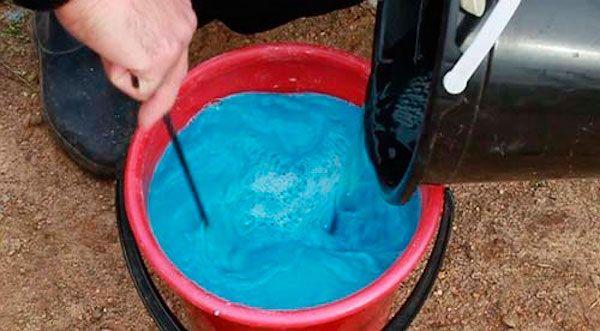
Mature bushes are typically treated with a 1% solution. It's poured into a sprayer, mixed thoroughly, and sprayed liberally onto each shoot.
The detailed instructions for use included with the product contain detailed recommendations on how to use Bordeaux mixture for various purposes.
Common mistakes
Beginning winegrowers often make mistakes when working with Bordeaux mixture. The most common ones include:
- Avoid using a sprayer. A sprayer when applying the product facilitates the penetration of the active ingredients into every part of the grapevine.
- Failure to follow recommended application times. Failure to apply treatment promptly may not only be ineffective but also harmful to the plant.
Safety precautions
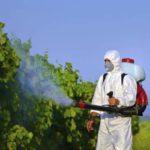
Bordeaux mixture is dangerous to humans primarily due to its copper content. When working with the mixture, it is necessary to follow recommended safety precautions and wear personal protective equipment:
- protective glasses;
- gloves;
- respirator.
A respirator provides protection for the mucous membranes of the respiratory tract. After finishing work, personal protective equipment should be washed in hot water with laundry soap.
Related posts:
 How to grow grapes in the Moscow region in open ground without a greenhouse
 Description of the Julian grape variety, planting and care instructions
 The ripening time of grape vines by variety, how to speed up the process, and what to treat the plant with
 Description of the Krasotka grape variety, planting and care technology
 How to treat grapes after rain in July: medications and folk remedies
 Description and characteristics of the Laura grape variety, planting and care
 Description and characteristics of the Preobrazhenie grape variety, planting and care
 Description of 30 grape varieties for Siberia, planting and care for beginners