
- The Importance of Fertilizer Application
- Fertilizing calendar
- Period
- Early spring
- Before and after flowering
- During the ripening of berries
- After harvesting
- In preparation for winter
- Plant age
- Seedling
- First year of planting
- Adult
- Methods of fertilizing grapevines
- Foliar (leaf)
- Root
- Types of fertilizers
- Minerals
- Potassium-phosphorus
- Potassium monophosphate
- Potassium sulfate
- Superphosphate
- Urea
- Potassium humate
- Boric acid
- Organics
- Chicken manure
- Mullein
- Wood ash
- Yeast
- Manure
- Complex mixtures
- Folk remedies
- Important tips
During the growing season, any crop, including grapes, requires fertilizer for vigorous growth and fruiting. A lack of fertilizer often leads to stunted plants, smaller fruits, and reduced yields. Knowing how to feed grapes in July and other periods will help you grow a large harvest with excellent flavor.
The Importance of Fertilizer Application
Grape vines thrive and bear fruit in nutrient-rich soil. Over time, the amount of beneficial micronutrients decreases, and the soil becomes depleted. Growing in such conditions, grapes produce less fruit, the vines slow down, and they lose their resistance to adverse weather conditions.
To prevent grapevines from dying, proper fertilization is essential. Depending on the stage of the growing season, the crop requires different nutrients. The key components required by grapes include:
- Nitrogen. This element is responsible for the growth of green mass, so nitrogen fertilization is essential at the beginning of the growing season. As the season progresses, nitrogen levels are reduced, as the active growth of greenery on grape vines interferes with the maturation of the wood.
- Phosphorus. Phosphorus fertilizers have a positive effect on grape inflorescence formation, berry set, and bunch ripening.
- Potassium. As autumn approaches, it's beneficial to fertilize grapes with potassium to speed up fruit ripening and prepare the vines for the coming frosts.
- Zinc. The presence of this component in the soil contributes to increased crop yields.
- Copper. This trace element increases crop resistance to drought and frost and enhances grapevine growth.
Fertilizing calendar
Since each stage of development requires different fertilizers, it's important to follow a schedule to ensure you apply only the necessary nutrients. An under- or over-fertilization negatively impacts plant growth and fruiting.
Period
The stage of the vegetative process and the time of year play an important role in choosing fertilizers. Applying the wrong fertilizers can cause disruptions in plant development.
Early spring
After winter, the first fertilizer application is required to restore the plant's strength. Nutrients help the plant gain strength and begin active growth. The first spring fertilizers are applied immediately after the snow melts or after the covering material is removed.
For spring feeding, use complex fertilizers containing high amounts of nitrogen, phosphorus, and potassium. The ratio of nutrients in these ready-made fertilizers is calculated based on the specific crop characteristics, so simply follow the recommended dosage. In addition to complex fertilizers, organic solutions and rotted manure can be used.
Before and after flowering
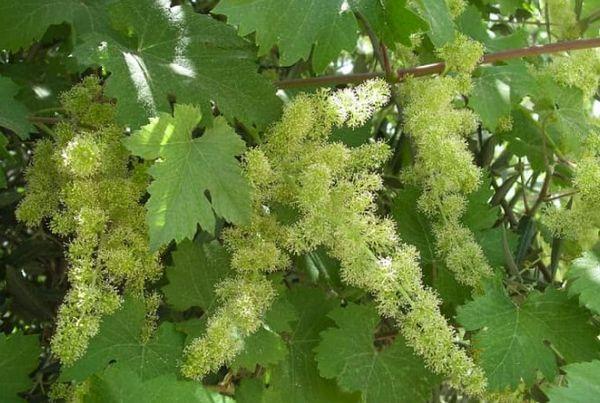
The purpose of pre-flowering fertilization is to enrich the soil with nutrients for proper ovary formation and increased fruit production. The fertilizer should be nitrogen-free to ensure proper distribution of nutrients and prevent them from being lost to the leaves.
Summer fertilization after flowering using superphosphate is necessary to stimulate fruit development.
During the ripening of berries
During the berry ripening period, it's recommended to use organic matter. Applying well-rotted manure improves soil permeability and promotes the development of microorganisms necessary for grape fruiting. Watering the soil with a solution of bird droppings also promotes fruit ripening.

After harvesting
After harvesting, the soil should be replenished with the nutrients the plant used throughout the season. This is typically done in late August or fall. Fertilizers should contain phosphorus, potassium, zinc, and magnesium. These elements boost plant immunity and help them withstand frost.
In preparation for winter
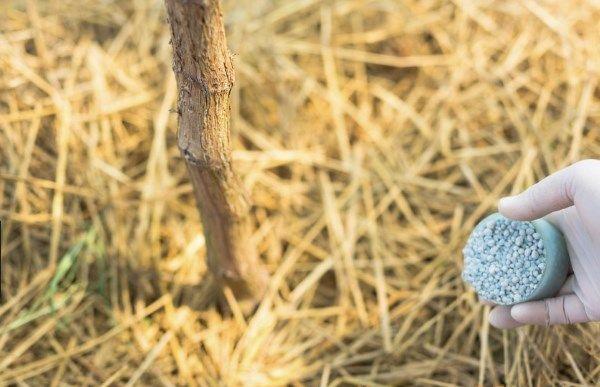
When preparing grapevines for winter after harvest, it's recommended to add organic matter. Compost is an effective fertilizer for grapes. Prepare the fertilizer in advance, storing the organic waste in a separate pit.
Plant age
Young and mature plants require different nutrients, so it's important to consider the plant's age when applying fertilizer. Improper application can lead to stunted vines and problems with fruit set.
Seedling
After transplanting the seedlings to their permanent location, the soil should be enriched with essential micronutrients. If the soil is clayey, potassium fertilizers should be added to promote root development. Also, in the summer, around mid-June, superphosphate should be used, mixed with other beneficial compounds.
First year of planting
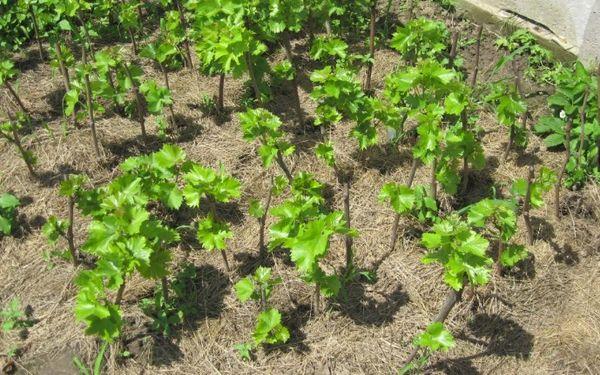
Young grapes require nitrogen, potassium, and carbon in their first year of planting. When choosing a complete fertilizer, select options that contain the maximum amount of these components. It's important to keep in mind that one-year-old shoots have fresh mulch on top, which cannot provide the grapes with these nutrients.
Adult
Mature vines need to be fertilized every 3-4 years to ensure the berries develop well and in a timely manner. For convenience, a complex fertilizer can be used. Enriching the soil with all the necessary components is essential for the formation of round and juicy fruits.
Methods of fertilizing grapevines
Fertilizers can be applied by watering the soil or by spraying the above-ground parts of plants. Each method has its own unique characteristics and advantages.
Foliar (leaf)
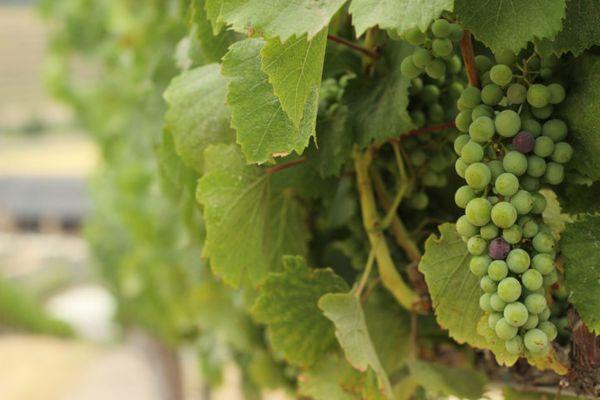
Grapevines can absorb nutrients through their leaves in the form of solutions. Foliar application is best for replenishing specific nutrient deficiencies. The advantage of foliar feeding is that many nutrients in the soil become inmobile and do not reach the roots.
Root
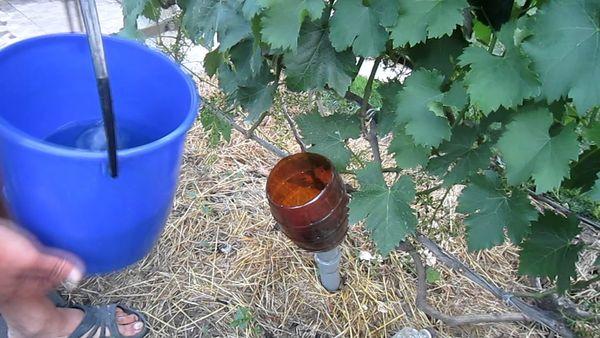
Root fertilization involves the use of liquid solutions. The micronutrients are delivered directly to the roots. Root fertilization is especially important during fruit ripening.
Types of fertilizers
When purchasing grape fertilizers, it's worth reading the descriptions beforehand. Each fertilizer provides specific benefits to the plant and should be applied at the appropriate stage of development.
Minerals
Minerals are an important nutrient requirement for grapes. Adding these nutrients to the soil is essential for proper vine development and timely fruiting.
Potassium-phosphorus
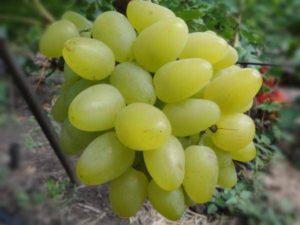
Mineral fertilizers containing potassium and phosphorus are essential for producing high-quality fruits with excellent flavor. Potassium micronutrients promote cell regeneration and stimulate photosynthetic production. Phosphorus supplementation has a positive effect on root development and fruit set.
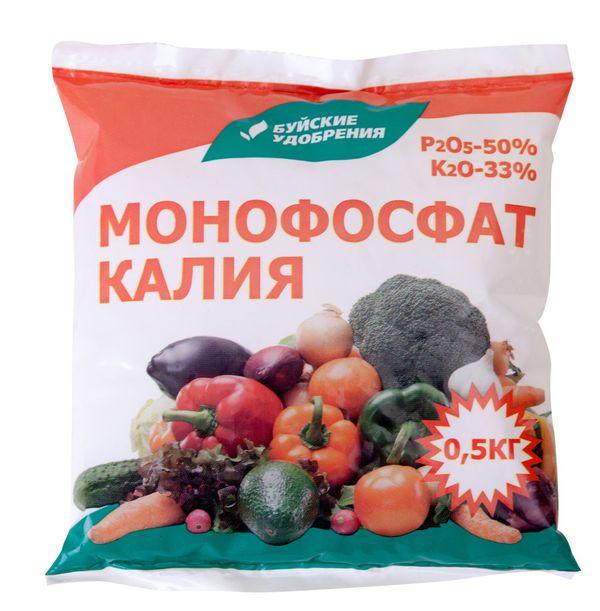
Potassium monophosphate
The advantage of monophosphate fertilizer is that its solubility in soil allows for its use at various stages of vine development. Monopotassium phosphate stimulates growth, accelerates shoot ripening, and improves fruit quality. After application, plants better withstand cold and soil freezing. Monopotassium phosphate can be used in open ground and greenhouses.
Potassium sulfate
This element is also known as potassium sulfate. The fertilizer is gray crystals that dissolve readily in water. In addition to potassium and sulfur, it contains magnesium and calcium. It is important to know that potassium sulfate should not be used on acidic soil, as regular use can cause the soil to become oversaturated with acid.
Superphosphate
The phosphorus fertilizer superphosphate has a multifaceted effect on crops. Specifically, it increases yields and improves fruit quality, promotes root development, and accelerates plant growth and flowering.
Regular fertilization increases the resistance of bushes to common infectious diseases.
Urea
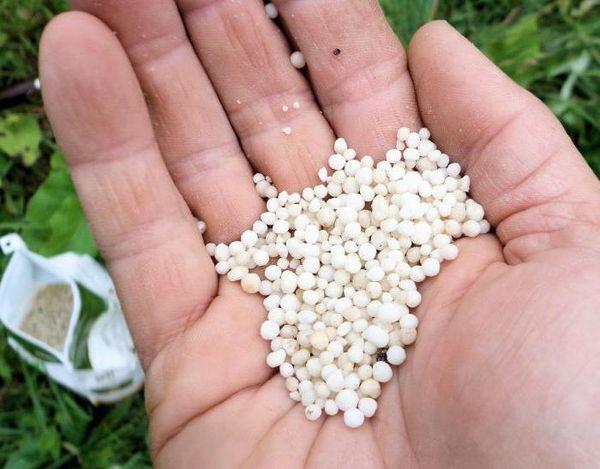
Urea is a granular fertilizer with a high nitrogen content. It dissolves easily in liquid and is odorless.
The positive characteristics of urea include the following:
- the solution is quickly absorbed by plants sensitive to soil acidity;
- foliar application of urea does not cause leaf burns;
- a couple of days after using urea, the amount of nitrogen in plant protein increases significantly;
- By using urea in early spring, it is possible to delay the onset of flowering and reduce the risk of flower shedding in the event of recurrent frosts;
- The urea solution not only saturates the soil with useful components, but also provides protection against harmful insects and diseases;
- Urea fertilization increases crop yield.
Potassium humate
Natural humate fertilizer Potassium is used for soil application or foliar spraying of grapes. Potassium humate consists of humic acid salts and is available in liquid form.
Boric acid
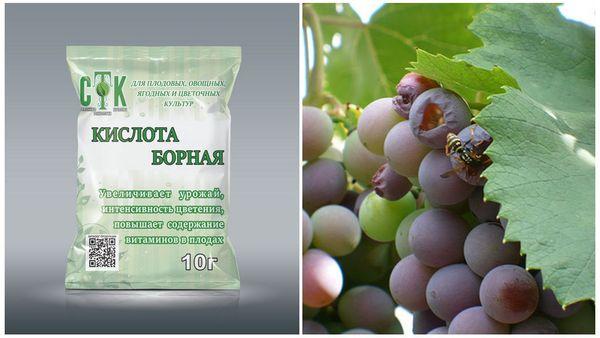
Boron is involved in the vegetative process of grapes and promotes mineral metabolism in living microorganisms. The element is not used in its pure form, so boric acid is used to treat grape bushes. This component is suitable not only for plant fertilizer but also acts as an insecticide and fungicide.
Organics
Grapevines can be treated not only with specialized multi-component fertilizers but also with organic substances. Natural fertilizers are often used as a supplement to base fertilizers.
Chicken manure
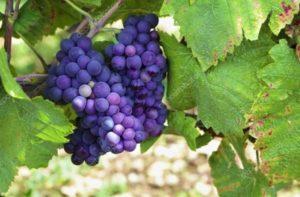
Chicken manure solution is one of the most common organic fertilizers. Its use helps increase crop yields by 30-40%, accelerate the ripening process, and improve plant resistance to a number of diseases. The only drawback of chicken manure is its short shelf life due to the nitrogen content.
Mullein
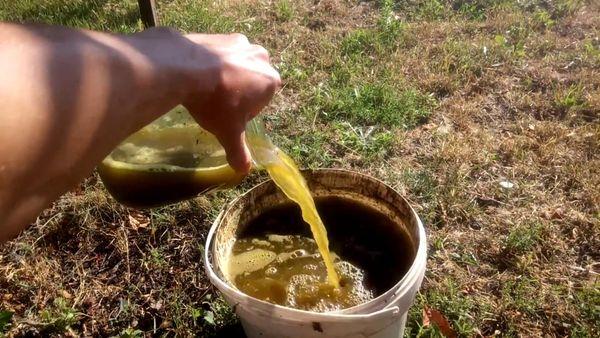
In terms of its beneficial component content, cow manure surpasses the excrement of other animals. The elements contained in cow manure can change the structure of the soil. Cow manure forms the topsoil and improves its composition. After cultivation, the soil retains moisture better and is well aerated.
Wood ash
Wood ash dissolved in water is often used to regulate soil acidity in a garden. This is possible due to the presence of calcium carbonate. Watering with a wood ash solution is done after allowing it to steep for a week. Regular use of wood ash improves soil health.
Yeast
The yeast's composition stimulates the growth of grape seedlings and enriches the soil with beneficial bacteria. To prepare a solution for watering the vines, simply dissolve the yeast in water.
Manure
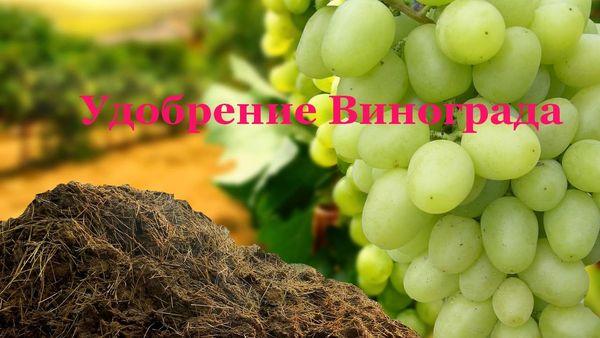
Manure is a common organic fertilizer used in growing a wide variety of crops. Manure contains numerous microelements that positively influence plant growth and fruit formation.
Complex mixtures
Many gardeners prefer to use complex fertilizers, as they boast a balanced content of all the necessary components for grapes. Common examples of such mixtures include Florovit, Kristalon, Rastvorin, and Rost-1.
When considering purchasing a complete mix, it's important to examine the exact composition, as at certain stages of grapevine development, certain components may slow growth or cause problems with fruit formation.
Folk remedies
In practice, folk remedies are often used when growing grapes. They help combat diseases, repel pests, and improve the growing process. Folk remedies include:
- Tobacco dust boiled in water. The tobacco waste, steeped in warm water, is mixed with liquid soap and poured onto the soil around the bushes.
- Potassium permanganate solution. Mix 5 g of the solution with 10 liters of water to create a solution for spraying above-ground parts of plants.
- Iodine solution. Using a ratio of 1 ml of iodine to 1 liter of liquid, prepare a mixture that, when applied to bushes, stimulates growth and accelerates berry ripening.
Important tips
Grapes appreciate regular fertilization, so it's important to maintain a consistent care routine. When choosing a fertilizer, consider the overall condition of the plantings, soil type, climate, time of year, and the stage of development of the vines.
When caring for plants, you can combine different fertilizers depending on the needs for a specific period.
Related posts:
 The best eggplant varieties for growing in a polycarbonate greenhouse: planting and care
 What is the best way to feed cucumbers during flowering and fruiting?
 What is the best way to feed tomato seedlings to make them plump?
 The best way to feed cherries after harvesting and during ripening
 What is the best way to feed carrots? Fertilizers and preparations, using folk remedies.
 80 Best Eggplant Varieties for Different Regions with Descriptions and Characteristics
 How and what to feed watermelons in open ground after planting, during flowering
 What is the best way to feed zucchini in open ground and greenhouses during flowering and fruiting?