
- History of selection
- Description and Features
- Characteristics of the variety
- Frost resistance
- Drought resistance
- Productivity and fruiting
- Applications of berries
- Disease resistance
- Advantages and disadvantages of the variety
- How to plant correctly
- Recommendations for choosing deadlines
- Site selection and preparation
- How to select and prepare planting material
- Planting diagram
- Care instructions
- Watering mode
- Top dressing
- Trimming
- Protection from birds and insects
- Preparing for winter
- Preventive spraying
- Methods of reproduction
- Cuttings
- Graft
- Layers
- Diseases and pests
- Gray rot
- Grape leaf roller
- Bacteriosis
- Anthracnose
- Chlorosis
- Bacterial cancer
- Harvesting and storage
- Tips and advice from experienced gardeners
The Harold grape variety is considered very popular. This crop is characterized by excellent yields and easily tolerates sharp drops in temperature. To achieve good growing results, it is necessary to plant it correctly and strictly follow the care instructions. This includes watering, fertilizing, and pruning the plant at the right time.
History of selection
This early-ripening hybrid was developed at the Ya. I. Potapenko All-Russian Research Institute of Viticulture and Winemaking. The crop was obtained by crossing the Arkadiya and Vostorg varieties. The resulting intermediate hybrid was crossed with the Summer Muscat variety.
The Harold grape was originally named IV-6-5-pk. The plant has not yet been included in the State Register, but has already become popular among winegrowers in various regions. Its popularity is due to its excellent taste and high yield.
This crop is suitable even for growing in Siberia, since a short summer is enough for ripening.
Description and Features
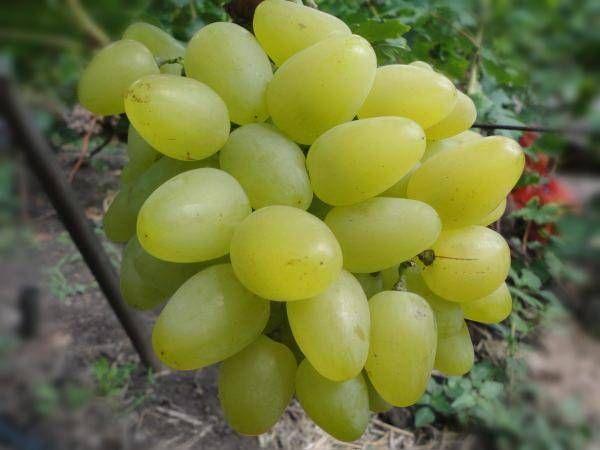
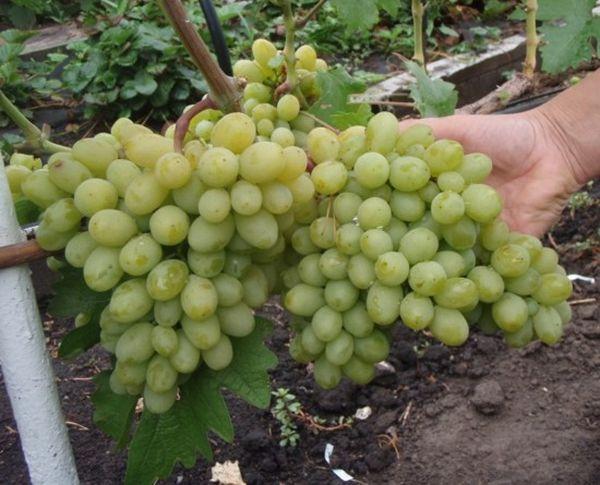
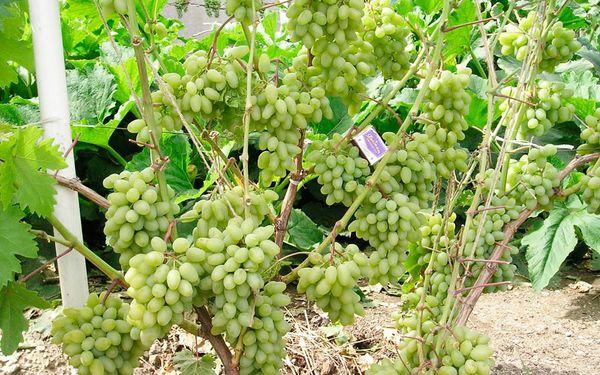
This variety's bush is quite vigorous. The grape clusters are cylindrical-conical in shape and weigh 500 grams. The vines of this fruiting bush are brown in color and highly flexible.
The foliage is a rich green and heart-shaped. Young branches are light green, while mature branches turn brown and become covered with red nodules.
Characteristics of the variety
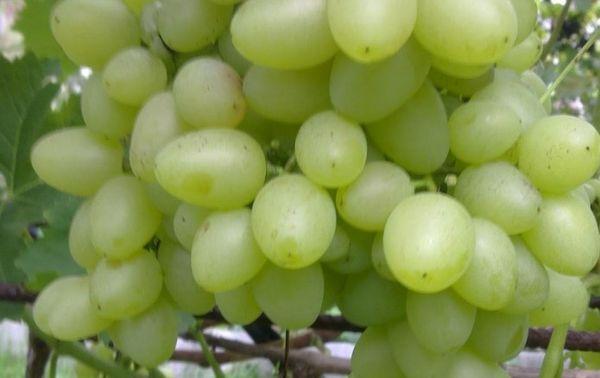
This grape variety is very popular among gardeners. The berries are elongated and pointed. They are amber in color and weigh 6 grams. The skin is firm. The pulp is juicy and sweet. The aftertaste has hints of strawberry and muscat.
Frost resistance
This plant is frost-resistant, so it can be grown even in Siberia. It easily tolerates temperatures down to -25 degrees Celsius. Grape vines don't require extensive shelter. Covering them with spruce branches is sufficient for the winter. Only in Siberia is it worth using covering material for the vines.
To ensure proper plant development in the harsh Siberian climate, it is recommended to plant the grapes in trenches. This will make it easier to cover them.
Drought resistance
Grapes are highly resistant to drought. However, regular watering will help improve their yield and ensure the plant's full development.
Productivity and fruiting
This early-ripening grape variety produces fruit within 100 days of cluster formation. This typically occurs in late July or early August. The exact timing depends on climate conditions. During this time, the fruit does not fall off or lose its marketable appearance. They can hang on the branches for up to three weeks.
Take a look Also
With strict adherence to agricultural recommendations, each grape bush can yield up to 15 kilograms of delicious fruit with a distinctive Muscat aroma over the course of a season. In the southern regions, grapes are harvested twice, as some of the clusters appear on side shoots.
Unfavorable climatic conditions do not result in a decrease in yield. However, improper care negatively impacts fruiting, resulting in a decrease in the number of clusters.
It's important to remember that yield declines are often associated with overloading the vines. Therefore, it's crucial to regulate the formation of grape clusters.
Applications of berries
This table grape variety is distinguished by its versatility. It produces delicious fruits that can be eaten fresh or processed. Many housewives make juices and compotes from the berries. Harold grapes can also be made into wine, which has a distinct Muscat aroma.
Disease resistance
The crop is virtually immune to mildew, oidium, and gray mold. It's also resistant to wasps, which are unable to pierce the fruit's thick skin with their stings.
Advantages and disadvantages of the variety
The key advantages of culture include the following:
- excellent taste;
- pleasant aroma;
- high resistance to diseases;
- excellent transportability;
- short ripening period;
- frost resistance.
However, grapes also have certain disadvantages. These include:
- rapid formation of shoots - they must be constantly regulated;
- risk of fruit damage by birds – bunches of grapes require cover.
How to plant correctly
To ensure the bush develops properly, proper planting is recommended. First of all, it's important to choose the right growing time and location.
Recommendations for choosing deadlines
This grape variety should be planted in the spring. The best time to do this is between April 20 and the end of May. It is not recommended to postpone planting until later, as the seedlings have a harder time taking root.
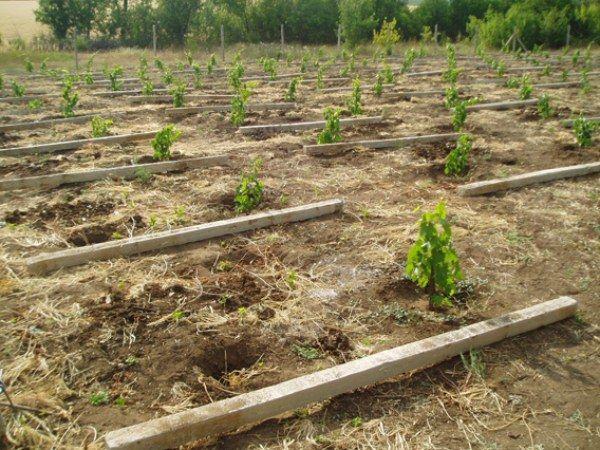
The key to planting vines is soil warming to 10 degrees Celsius per 20 centimeters. This will allow the vines to mature during the summer, preventing them from freezing in the winter.
Site selection and preparation
Harold grapes can be grown in a variety of locations and soil types. However, choosing the right site will help achieve high yields. A southern or southwestern exposure is best.
When choosing soil for grapes, it's best to choose soil with a neutral pH. It's important that the soil contains plenty of nutrients. Light, permeable soil is ideal for grape vines.
Avoid sites with high groundwater levels. If no other option is available, create an artificial mound. A high-quality drainage layer is also essential. It's important to consider that the chosen site should be well-lit and protected from the wind.
How to select and prepare planting material
To grow a healthy plant, high-quality planting material is essential. Careful selection of seedlings is essential. They must meet the following criteria:
- have 4 thick and long roots;
- have no damaged areas, symptoms of disease or rot on the roots;
- have a flexible vine of a light brown color, which is ripe along its entire length.

Planting diagram
To plant grapes, you need to do the following:
- Prepare the planting hole in the fall. This will give the soil time to settle.
- It's important that the hole be sized to accommodate the plant's roots. Typically, it's 80 centimeters deep and wide.
- Place a drainage layer of small stones on the bottom.
- Add a mixture of soil, superphosphate, and potassium salt.
- Fill the remaining volume with nutritious soil and add water.
- Before planting, soak the bush in a growth stimulant. You can also dip it in a clay slurry. Trim the roots by a third and remove any dead tissue.
- Shorten the shoots to 5 buds.
- When planting, place the bush in the center and sprinkle with soil.
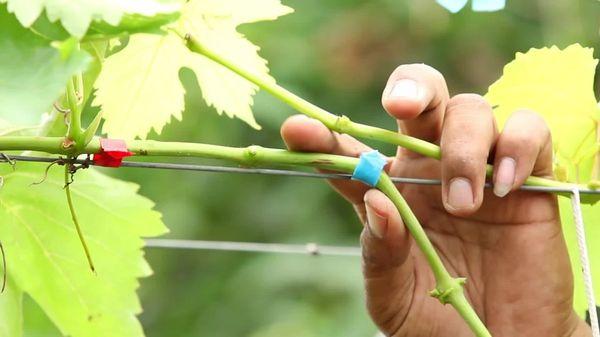
- Place a peg in the middle and attach the vine to it.
- After planting, compact the soil to remove air and water well.
- Pour at least 2 buckets of water under each bush.
Care instructions
For a culture to develop normally, it needs to be provided with comprehensive and high-quality care.
Watering mode
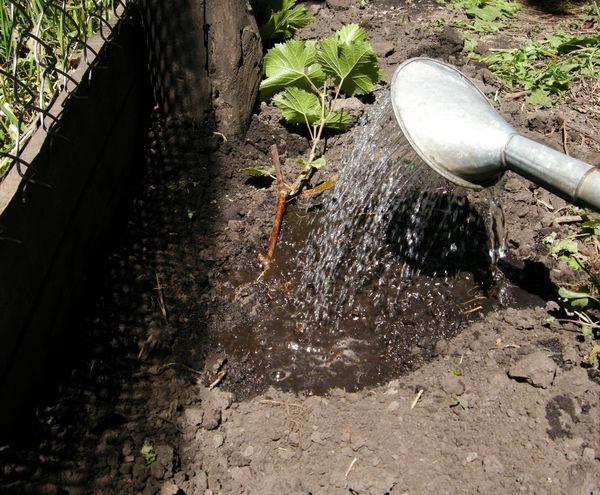
The plant tolerates moisture and mild drought well. Periodic watering is recommended from April to October. 40 liters of water per plant is recommended. Before winter, increase the watering amount to 70 liters.
Top dressing
If you plant the plant in nutritious soil, you can go four years without fertilizing it. After this time, you should use mineral fertilizers. These should include potassium, nitrogen, and phosphorus. Organic fertilizers are applied every few years.
Trimming
This procedure is aimed at shaping the bushes and managing their growth. This affects the quantity and quality of the harvest. The Harold variety is prone to overgrowth. Therefore, it is recommended to shorten the shoots. After pruning, the plant should have 35 buds. Inflorescences should be removed from secondary shoots. A maximum of 20 buds should remain on the bush.
Protection from birds and insects
Wasps are unable to pierce the fruit's thick skin, so there's no need to worry about them. However, birds can cause serious damage to grapes. Special nets or bags can help prevent this.
Preparing for winter
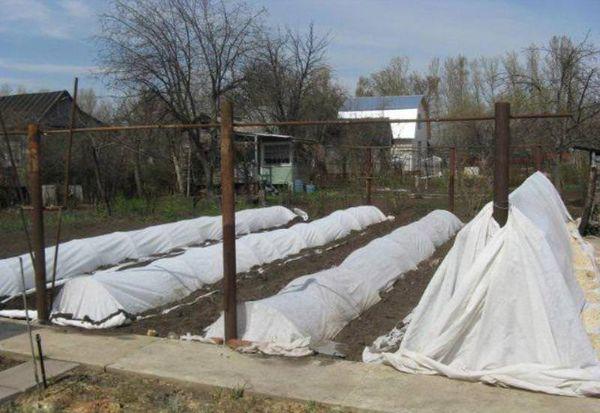
Despite their high frost resistance, in harsh climates, grapes need to be covered for the winter. Polyethylene film is best. It reliably retains heat and protects from frost.
Preventive spraying
To prevent diseases, it is recommended to treat the crop with fungicides. Bordeaux mixture at a concentration of 1% can also be used for this purpose. Preventative treatments are performed before flowering.
Methods of reproduction
Grapes can be propagated in a variety of ways, allowing gardeners to choose the best option.
Cuttings
This is one of the most effective methods. It's recommended to cut the planting material from mature vines, wrap it in plastic wrap, and refrigerate it. In February, place it in water. After some time, roots will form. When they're large enough, the cuttings can be planted in the ground. When the weather warms up, the grapes are transferred to the ground.
Graft
Grafting helps create several different grape varieties. There are two main methods:
- copulation - in this case, 2 shoots are combined;
- budding - when this is done, a bud is applied to a shoot.
Layers
Grapes can be propagated by green or semi-green layering. To do this, it's recommended to place a one-year-old vine in a trench 15-20 centimeters deep and secure it to the ground. Cover with soil and water. In the fall, dig up the shoot and divide it into vines.
Diseases and pests
Sometimes grapes are plagued by various diseases and pests. Chemical and folk remedies can help combat these.
Gray rot
To combat this problem, use fungicides containing phosphorus or Bordeaux mixture at a concentration of 1%. These are applied before flowering.
Grape leaf roller
The Harold grape variety is often plagued by these pests. Insecticides can help combat the problem. These include Carbocin, Arrivo, and Sherpa.
Bacteriosis
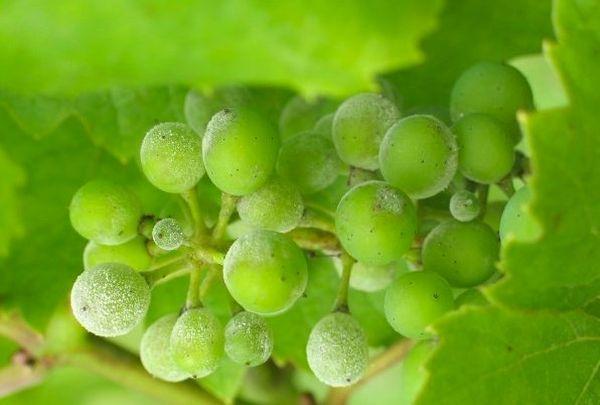
This disease causes light yellow spots to appear under the skin, which subsequently causes the grapes to dry out. To cope with the problem, it is important to protect the plant from sunburn and damage. It's also important to ensure comprehensive pest control. Chemicals alone are ineffective against dangerous bacteria.
Anthracnose
This is a fungal infection that causes the leaves to become covered in bumps. The disease weakens grapevines and can be controlled with fungicides.
Chlorosis
As the disease progresses, grape leaves become covered with yellow spots. This can lead to foliage dieback, decreased frost resistance, and pea-shaped fruit.
Bacterial cancer
The problem is caused by rod-shaped bacteria. White growths form on the vines. After some time, these growths die off. The disease can lead to the death of the plant.
Harvesting and storage
The first grape harvest can be achieved in late July or early August. In southern regions, a second harvest is also possible. It ripens in late September or early October. It is recommended to trim the bunches with pruning shears. When stored in shallow boxes, the grapes travel well.
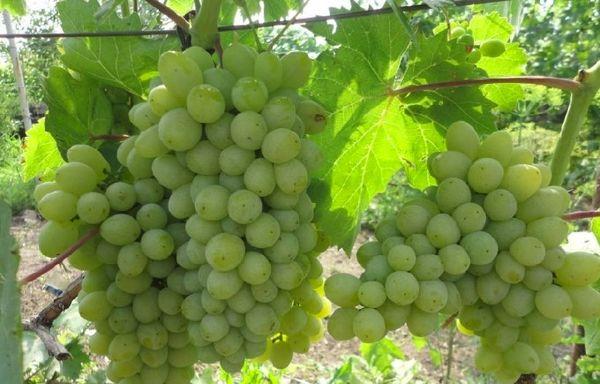
Ripe fruits can hang on the bush for 1.5-2 months. However, experts advise harvesting the crop on time. Overripe berries lose their muscat flavor.
Tips and advice from experienced gardeners
To achieve success in growing grapes, it is worth following these recommendations:
- water the plant on time;
- apply fertilizers;
- weed and loosen the soil;
- perform pruning;
- tie the bush to supports;
- cover the crop for the winter.
Harold grapes are considered a popular crop grown by many gardeners. They boast excellent flavor and high yields. To ensure successful cultivation, they require proper care.
Related posts:
 Description of 30 grape varieties for Siberia, planting and care for beginners
 How to grow grapes in the Moscow region in open ground without a greenhouse
 The ripening time of grape vines by variety, how to speed up the process, and what to treat the plant with
 Description of 30 varieties and types of Muscat grapes, planting, cultivation and care
 Description of the Julian grape variety, planting and care instructions
 Beginner's Guide to Growing Grapes in Open Ground in Central Russia
 The best grape varieties for growing in the Urals, planting and care rules in summer
 Description of the Krasotka grape variety, planting and care technology