
- Features of grapes
- Taste
- Aroma
- Color
- The best varieties
- Chemical composition and caloric content
- Squirrels
- Fats
- Carbohydrates
- Vitamins
- Microelements
- Beneficial properties for the human body
- For the cardiovascular system
- For immunity
- For the gastrointestinal tract
- For the kidneys
- For the central nervous system
- For hormonal background
- For vision
- In cosmetology
- Pregnancy and lactation period
- Harm and contraindications
- Diabetes mellitus
- Obesity
- Allergy
- What is the best way to use it?
- Fresh look
- Juice
- Wine
- Raisin
- Result
The health benefits of grapes are numerous. They contain a large number of beneficial minerals and vitamins. They are also a food that helps remove harmful compounds and toxins.
Features of grapes
Grapes have characteristics that distinguish them from other berries. These characteristics include the taste and color of the fruit. The following types of grapes are distinguished:
- table variety of the crop - such berries are large, contain a large amount of sugar, and are seedless;
- Wine varieties - distinguished by their rich taste and small size.
Each plant variety has its own taste differences, which are taken into account when planting.
Taste
Each variety has its own distinctive flavor. Berries can be sweet, slightly tart, or sour. These flavors are selected by the grower. The distinctive flavor does not affect the nutritional value of the product.
Aroma
Grapes don't have a strong aroma. The product has a faint odor that appears after ripening.

Color
The berries come in a variety of colors. The following crops can be grown:
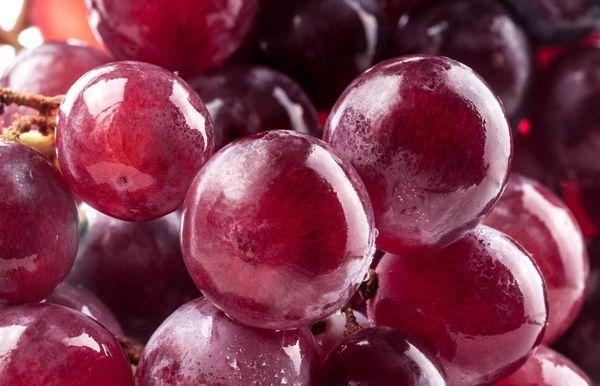
- Red grapes are small, sweet-tasting berries. Their red color is characterized by their high nitrogen content. This substance normalizes heart and circulatory system function. Red berries also have the potential to prevent cancer.
- Green grapes are often grown by gardeners. Once fully ripe, the berries acquire a light green color. Green berries are considered dietary and are often used for weight loss. These varieties can also help combat conditions such as bronchial asthma.
- Dark grapes can be deep blue or deep purple. These grapes are known to improve memory and prevent blood disorders. Their high pectin content helps cleanse the body of waste and toxins.
Gardens often grow several varieties of berries with distinctive characteristics and different ripening periods.

The best varieties
The benefits of eating the fruit have been proven repeatedly. Certain varieties stand out as particularly popular among gardeners:
- Veles;
- Adler;
- Jupiter;
- Muscat;
- Chardonnay;
- Sauvignon;
- Lady's finger;
- Lydia;
- Kishmish;
- Cardinal.
The varieties differ in taste and are suitable not only for consumption but also for storage.
Chemical composition and caloric content
Grapes are rich in beneficial vitamins and minerals. Each variety may have differences in sugar content. Grapes have varying calorie content, but the average is 68 calories per 100 grams. Therefore, this product is often used in dietary nutrition.

Squirrels
The average protein content of grapes per 100 grams is 0.6 grams. Therefore, consuming large quantities of the berries can provide the body with the required daily protein intake.

Fats
One hundred grams of grapes contain 0.6 grams of fat. This value is suitable for human health. The fruit also contains 80 grams of water, which improves digestibility.
Carbohydrates
Grapes contain a small amount of carbohydrates, only 15.4 grams. This amount makes them suitable for those who are overweight.
Vitamins
Grapes contain the following types of vitamins:
- group B;
- N;
- A;
- WITH;
- E.
These types of vitamins are necessary for the restoration of the body and the prevention of diseases.

Microelements
Grapes also contain useful microelements, which include:
- copper;
- zinc;
- iron;
- potassium;
- silicon;
- fluorine.
Depending on the variety, grapes can contain up to 15 beneficial elements. They also contain macronutrients such as magnesium, calcium, and chlorine.
Beneficial properties for the human body
Eating berries can reduce the risk of disease. The plant is also often used to prevent skin aging and to cleanse the body of waste and toxins.
For the cardiovascular system
Grapes are a healing fruit whose potassium content strengthens the heart muscle and reduces the risk of heart disease. They also contain antioxidants that remove harmful cholesterol from the blood and prevent blood clots and circulatory diseases. Grapes also contain substances such as flavonoids, which strengthen the human circulatory system and reduce the risk of complex heart diseases.

For immunity
Grapes are beneficial for boosting the immune system. Throughout the season, people are provided with essential vitamins to reduce the risk of illness. The berries contain vitamin C, which improves immune function and acts as an antiviral agent.
Eating berries in childhood helps strengthen the immune system, which can then fight infectious diseases and colds on its own.
For the gastrointestinal tract
The therapeutic effect of consuming berries is achieved by accelerating metabolism. Grapes also improve intestinal function and eliminate gas. In cases of digestive disorders, consuming berries can reduce inflammation without the use of medications. Berries can also be used for the following conditions:
- constipation;
- increased fermentation process in the stomach;
- accumulation of slag;
- removal of parasites;
- gastritis.
To treat the digestive organs, it is necessary to regularly consume the fruits.
Important: Increase the amount of berries gradually. Otherwise, diarrhea may develop, which is harmful to human health.
For the kidneys
Regular consumption of the product helps normalize kidney function. It relieves inflammation of the genitourinary system and has a diuretic effect. To treat kidney problems, it is necessary to consume the berries for at least 1-2 weeks.

For the central nervous system
Eating berries helps prevent the destruction of nerve cells. Dark grapes can relieve stress and have a mild calming effect. The presence of organic acids also reduces tension in the nervous system, preventing the risk of disease. Consuming dark grapes promotes nervous system recovery after physical and mental stress.
For hormonal background
Eating berries with seeds and skins helps normalize hormonal balance. They also improve thyroid function, which is a common cause of hormonal imbalance.

For vision
Grapes contain vitamin A, which improves vision and prevents diseases. Dark-colored grape varieties are used to improve vision. For treatment, regular consumption of grapes is recommended for 2-3 weeks.
In cosmetology
Grapes have the ability to prevent not only diseases but also skin changes. The product can be used in cosmetology in the following forms:
- As rejuvenating face masks, antioxidants prevent skin aging and remove toxins, thereby refreshing and evening out the skin.
- Grape seeds are used to make oil. The resulting substance is used for facial and hand care. It is also often used for damaged hair.
- Crushed grape seeds can be used for peels and other skin cleansing methods.
- Grape skin helps reduce puffiness and dark circles under the eyes.
These treatments are suitable for all ages and can quickly improve the condition of your skin. Berries are also used to remove cellulite and stretch marks.

Pregnancy and lactation period
Eating grapes during pregnancy helps normalize hemoglobin levels. This is important for the health of both mother and child. Vitamins and minerals also contribute to normal fetal development. Eating grapes is recommended for removing harmful toxins from the mother's body. However, after childbirth, consuming grapes is not recommended, as it may cause an allergic reaction and colic in the baby.
Important: During pregnancy, the fruit should be eaten without the peel. The peel can cause flatulence.
Harm and contraindications
Despite the beneficial properties of grapes, you need to carefully study the contraindications before consumption.
Diabetes mellitus
Berries contain sugar. Therefore, grapes are contraindicated for those with diabetes. This food tends to increase blood sugar levels, which can lead to malaise and the risk of coma.

Obesity
Eating grapes is not recommended for those who are obese. It can cause flatulence and digestive upset. Eating large amounts of grapes can cause diarrhea, which can lead to the loss of nutrients and dehydration. These effects can lead to weight gain.
Take a look Also

Allergy
Caution is advised for people who frequently suffer from allergic reactions, especially dark grape varieties. These products contain specific substances that trigger a reaction. In children, this product should be introduced into the diet gradually.
What is the best way to use it?
When choosing grapes, the question arises as to how to consume them. This choice depends on a person's preferences.

Fresh look
Fresh berries contain a full range of nutrients and are most beneficial for the human body. Fresh berries have a comprehensive effect on human health.
Important: Consuming large quantities of this product may cause stomach upset.
Juice
Preserved juice helps boost immunity during the winter. It's also beneficial for the intestines and stomach, as it doesn't contain the skins, which can cause fermentation in the stomach. Grape juice is safe for young children, unless there are contraindications.
Wine
Drinking homemade grape wine can help raise blood pressure and improve sleep. However, wine contains alcohol, so it should not be consumed in large quantities. It is also not recommended for children, during pregnancy, or for those with internal organ diseases. Grape wine does not contain essential nutrients that strengthen the immune system.

Raisin
Kishmish (sultanas) are most often used to make raisins, as they are seedless and don't lose their beneficial properties when dried. While you won't fully appreciate the freshness of raisins, they still contain all the essential vitamins and minerals. Eating raisins is often used for weight loss, as they are carbohydrate- and fat-free. The advantage of raisins is that they can be consumed throughout the year.
Result
Grapes are a popular crop among gardeners, primarily due to their ease of cultivation and excellent taste. They contain numerous beneficial components that not only promote health but also improve skin condition. To preserve these nutritious berries for a long time, canning and drying methods are used. Grapes can also be frozen. Exposure to low temperatures does not affect their taste or nutritional content.
Related posts:
 Description of 30 grape varieties for Siberia, planting and care for beginners
 How to grow grapes in the Moscow region in open ground without a greenhouse
 Description of 30 varieties and types of Muscat grapes, planting, cultivation and care
 The ripening time of grape vines by variety, how to speed up the process, and what to treat the plant with
 Beginner's Guide to Growing Grapes in Open Ground in Central Russia
 Description of the Julian grape variety, planting and care instructions
 The benefits and harms of gooseberries for human health, properties and uses
 Description of the Krasotka grape variety, planting and care technology