
- Description and Features
- History of selection
- Main characteristics
- Description of the bush
- Description of bunches and berries
- Productivity
- Transportability
- Frost and drought resistance
- Disease resistance
- Taste qualities
- Application of berries
- Pros and cons of the variety
- How to plant correctly
- Recommendations for choosing deadlines
- How to choose and prepare a site
- How to select and prepare planting material
- Planting diagram
- Care instructions
- Watering mode
- Top dressing
- Spring
- Before flowering
- At the stage of ovary formation
- Pruning and shaping
- First year
- Second year
- Third and subsequent years
- Mulching
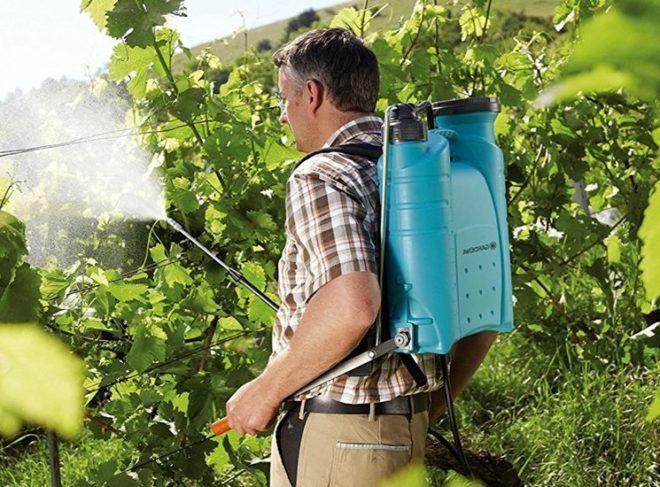
- Preventive spraying
- Protection from birds and pests
- Preparing for winter
- Methods of reproduction
- Diseases and pests
- Leaf roller
- Phylloxera
- Oidium
- Mildew
- Gray rot
- Harvesting and storage
- Tips from experienced gardeners
Seedless grapes are especially prized by winegrowers and consumers. Not only are they delicious and healthy, they can also be used to make potassium-rich raisins. Stoletie is a seedless grape variety. Below is information on the main characteristics, planting and care, diseases and pests, advantages and disadvantages of the plant, as well as harvesting and storage.
Description and Features
The Stoletie grapevines are vigorous and resistant to heavy harvests. It is an early-ripening variety: harvesting begins in the third year after planting. It takes 130 days from leaf formation to technical ripeness of the fruit. Stoletie does not require pollinators: the variety self-pollinates due to the presence of male and female flowers.
History of selection
The Stoletie grape is a product of American selection. The variety was developed in California in 1966 by crossing Emperor and Pirovano-75. There, it was named Centeniel Seedless. It began to be widely grown in America 15 years later. Kishmish grapes were introduced to Russia and the CIS in 2010, and have since enjoyed great popularity.
Main characteristics
The Stoletie grapes are seedless, making them versatile. Sugar content is 15%. The longer the bunch hangs on the vine, the sweeter the berries.
Description of the bush
The Stoletie grapevine is robust and ripens throughout the season. Mature shoots are dark brown, while young shoots are green. The leaves are large, dark olive, five-lobed, and held on long petioles. After flowering, the grape clusters produce berries.
Description of bunches and berries
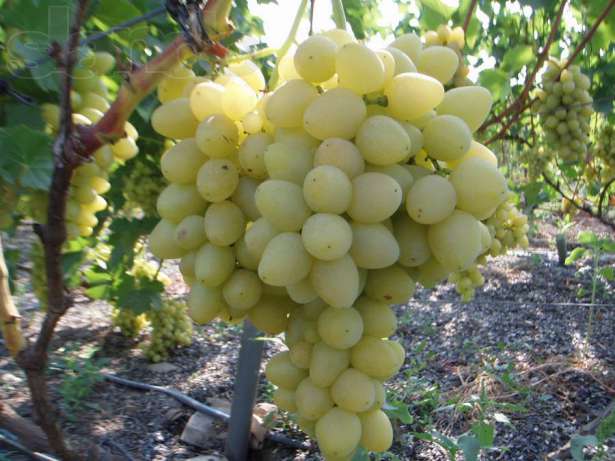
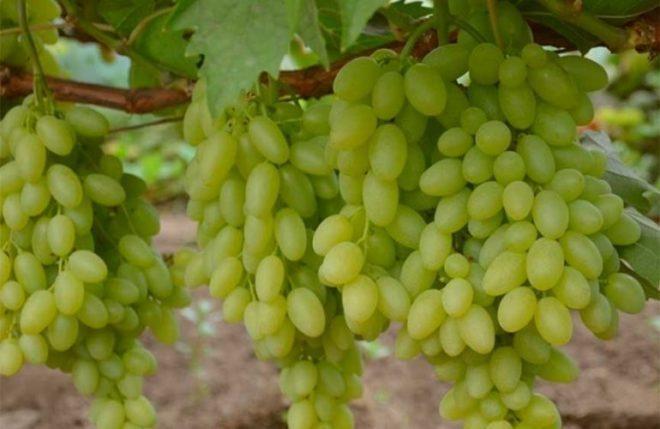
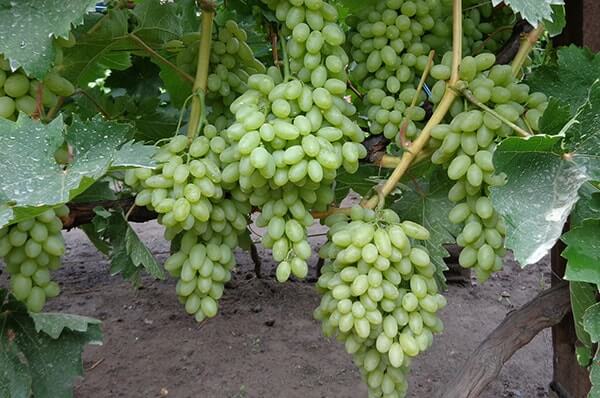
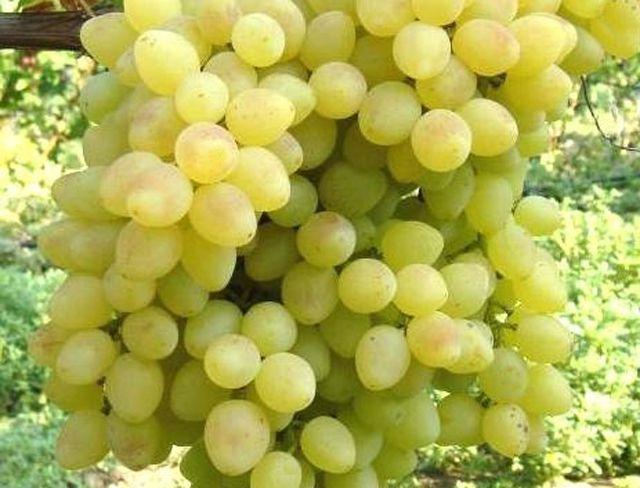
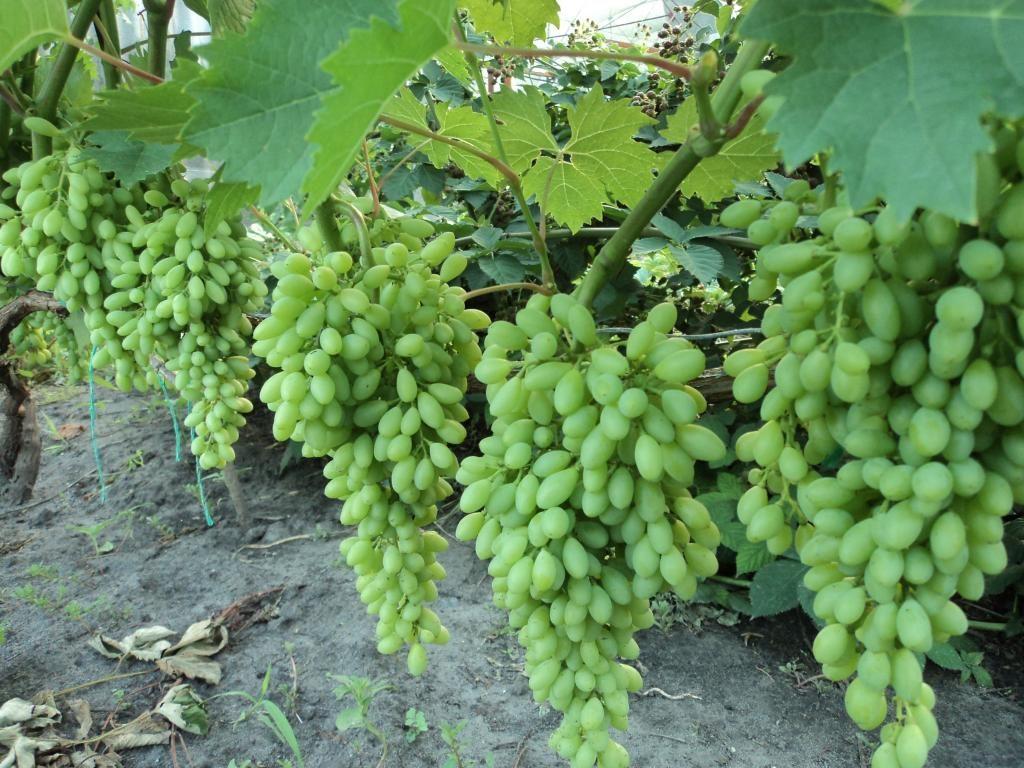
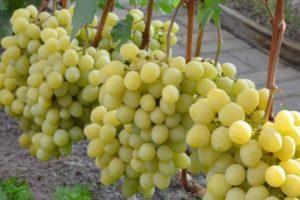
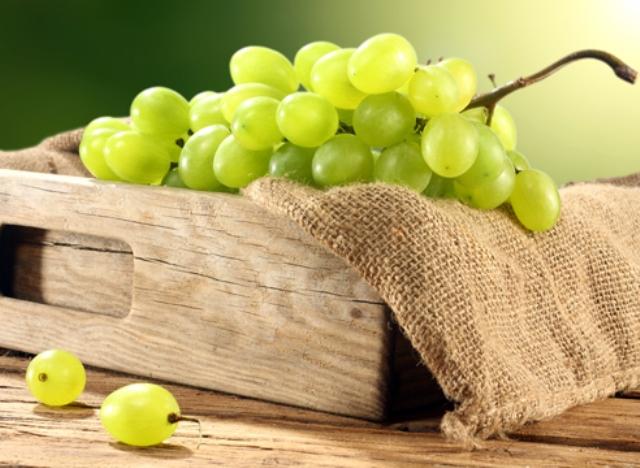
The clusters are cone-shaped and moderately loose. Their weight ranges from 700 to 1,200 grams, but can reach up to 1,400. The berries are oblong, 16 x 30 millimeters in size, yellow-green, and acquire an amber hue in the sun. They weigh up to 8 grams, have thin skin, and firm flesh.
Productivity
The Stoletie grape harvest begins in early September. Fruiting is good and consistent. The berries are not prone to pea formation, ensuring the clusters always have a high marketable appearance.
Transportability
The berries have firm flesh but soft skin, making them difficult to transport. Moreover, the fruit doesn't crack; it simply peels easily from the bunch. While the berries retain their flavor, their commercial value is reduced.
Frost and drought resistance
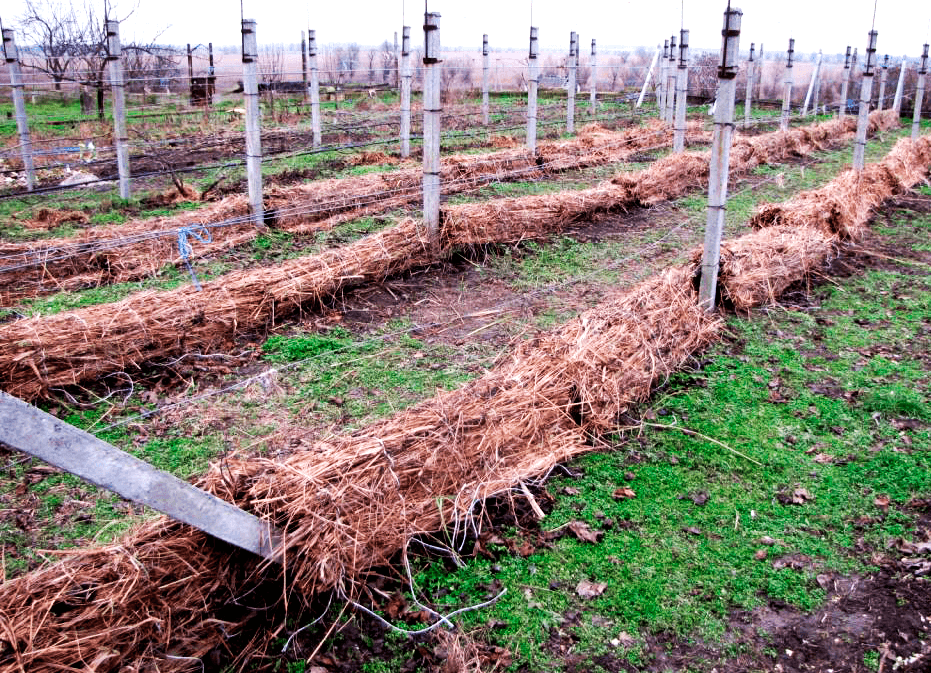
The Stoletie grape variety can withstand winter temperatures down to -23°C. It is better suited for growing in southern regions. In cold climates, grape vines require shelter. Stoletie has a strong root system, so it tolerates drought well.
Disease resistance
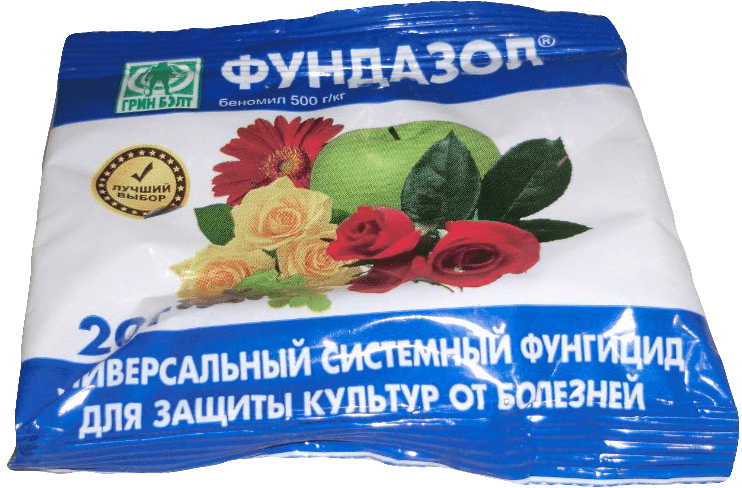
This variety is resistant to major grape diseases, but can be susceptible to them under unfavorable weather conditions. To prevent diseases, the bushes should be sprayed with antifungal agents. The first treatment is performed before bud break.
Taste qualities
Experts gave the Stoletie grape a score of 9 out of 10. The berries are sweet but not cloying, with a delicate muscat aroma. The skin is soft and easy to eat. The seedlessness of the fruit played a significant role in the rating.
Application of berries
Grape clusters are purchased primarily for fresh consumption. The berries are also used to make desserts, compotes, and juices. Another use for the fruit is drying it into raisins.
Pros and cons of the variety
The positive qualities of the Stoletia grape include the following characteristics:
- rapid ripening;
- resistance to pea formation;
- good immunity;
- self-pollination;
- good presentation;
- high taste characteristics;
- ease of care.
The negative qualities of the Stoletie grape include average frost resistance, poor transportability, and a short shelf life of the berries.
How to plant correctly
Grapes adapt to any soil, but fertile soil is best. If it's heavy or clayey, add sand. The substrate is prepared from garden soil, compost, and wood ash or superphosphate.
Recommendations for choosing deadlines
Grapevines are planted in the spring, after the weather warms up, or in the fall. Experienced winegrowers recommend planting in the spring, as this will allow the vines to acclimate well to the site before the cold weather sets in. If planting in the fall is chosen, the procedure should be carried out a month before the onset of frost.
How to choose and prepare a site
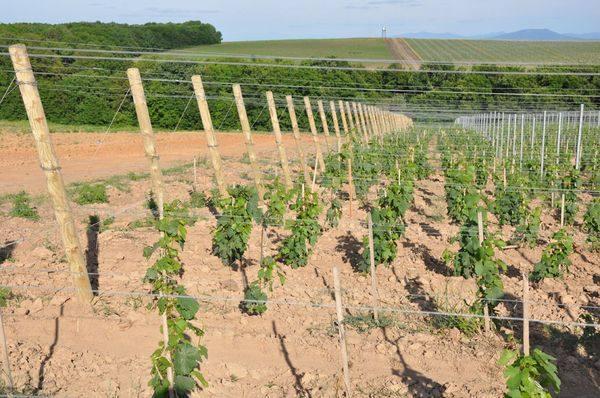
The grape planting site should be protected from northerly winds. Rows should face south, with good sunlight. Groundwater in the selected area should be deep, otherwise the root system may be affected by pathogenic microflora.
It is permissible to plant grapes near buildings, but it is necessary to maintain a distance of at least 1.5 meters from them.
The area for planting the bushes is cleared of plant debris, and a hole is prepared in advance. It is dug two weeks before the procedure. Drainage and fertilizer are placed at the bottom.
Please note! The grape planting site should not be flooded during the spring snowmelt.
How to select and prepare planting material
Stoletie grape seedlings are purchased from reputable sellers or nurseries. A healthy plant has a firm trunk, free of dents and damage, and well-developed roots.
If you cut them slightly, the cut area should be white.
It's preferable to buy grape seedlings in containers, with their root systems covered. Plants grown and sold in pots will tolerate transplanting better. If the planting material is purchased with bare roots, soak it in water for 12-24 hours.
Planting diagram
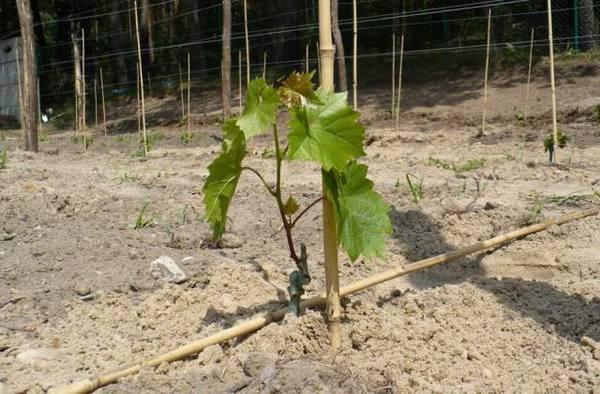
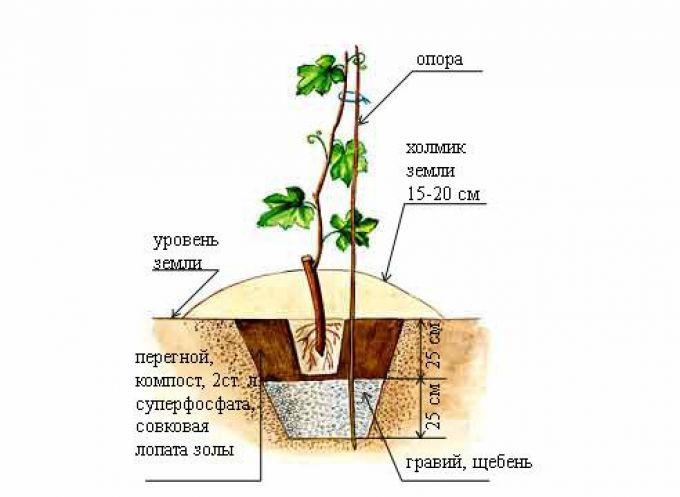
The size of the grape planting hole depends on the soil: in heavy soils, the hole should be 70 centimeters deep and 60 centimeters in diameter; in light soils, the depth should be 60 centimeters deep and 40 centimeters in diameter. Planting should be done as follows:
- expanded clay or other drainage material is placed at the bottom of the pit;
- some of the substrate is poured on top;
- a seedling is placed in the middle of the hole and watered generously;
- fill in the remaining soil and compact it lightly.
Take a look Also

To help the soil retain moisture, the tree trunk circle is sprinkled with mulch.
Care instructions
Grapes require care, including fertilizing, pruning, and mulching. Preventative spraying is used to protect against diseases and pests. To ensure the vines survive the winter with minimal damage, they need to be prepared for the cold in the fall.
Watering mode
The Stoletie grape variety is drought-resistant. It requires watering when young and during prolonged dry weather. The soil is watered during bud break, after flowering, and in the fall after fruiting.
Top dressing
To develop strong vines and produce high-quality fruit, grapes require fertilization several times per season. The dosage is determined based on the recommendations on the packaging. If the grapes were planted in fertile soil, fertilization should be done in the third year of growth.
Spring
In the spring, vines actively grow. This process requires a lot of energy, so during this period, they are fed with nitrogen. Ammonium nitrate and rotted manure can be used as fertilizer.
Before flowering
During the grapevine flowering period, use mineral fertilizers containing phosphorus, potassium, and boron. You can use 60-70 grams of nitrophoska, diluted in a bucket of water.
At the stage of ovary formation
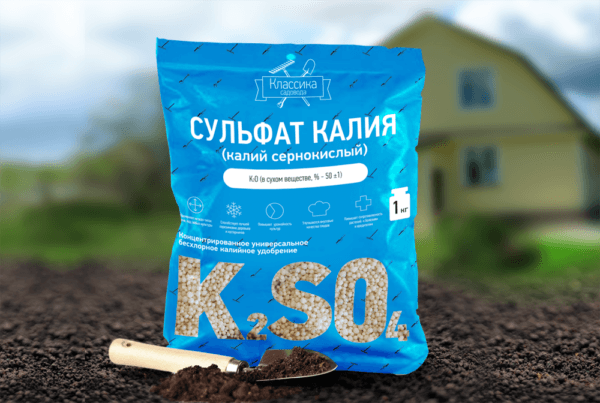
Grapes require potassium to produce large berries. Fertilizers such as potassium sulfate and potassium magnesium sulfate can be used, as directed. Wood ash, which is also organic, is rich in this mineral.
Pruning and shaping
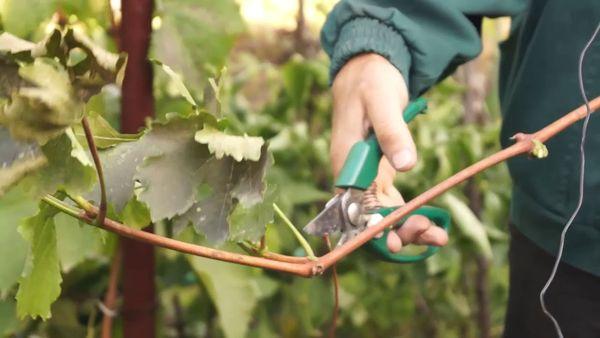
To prevent grape vines from becoming overgrown, they require pruning. This procedure is carried out in the spring, before the sap begins to flow, and in the fall, after the first frost. In addition to formative pruning, sanitary pruning is performed, removing frozen and diseased branches.
First year
By winter, the vine grows from two buds left in the spring. In late autumn, two or three buds are left on these shoots, and the rest are removed. The bush is covered for the winter.
Second year
Each of the remaining shoots from the previous year develops a replacement knot and a fruiting scape. In the fall, 2-3 buds are left on the knot, and 6-10 on the vine.
Third and subsequent years
In the third year, four shoots are left. Then, when fruiting begins, in the fall, the fruiting vine is removed, and the replacement shoot with young shoots is left. The remaining branches will produce fruit the following year.
Mulching
To retain moisture in the soil, which is especially necessary for bushes when planting, the area around the trunk is mulched. Peat, straw, and dry grass are used as covering material. Mulch also prevents weeds from growing.
Preventive spraying
To prevent diseases and pests on grape vines, they are sprayed with insecticides and fungicides several times per season. However, it's important to remember that spraying chemicals during flowering is prohibited.
Protection from birds and pests
To combat feathered pests, people use scarecrows, cut up rustling film, and cover grape clusters with fine-mesh netting. Experienced winegrowers note that birds are wary of the color blue, so they can hang ribbons and bags of that color from the trellis.
Preparing for winter
After fruiting, the bushes are fed with potassium, such as wood ash: this will help the plants survive winter frosts. In late autumn, before frost sets in, the soil is generously watered: moist soil freezes less quickly. The area around the trunk is mulched, and young bushes are removed from their supports and covered with spruce branches and agrofibre.
Methods of reproduction
Gardeners can propagate the Stoletie grape variety using cuttings, layering, and grafting. Seed propagation is generally not used by grape growers, as it is labor-intensive and requires a long wait for a harvest. Regardless of the method chosen, sharp, disinfected tools must be used when handling cuttings.
Diseases and pests
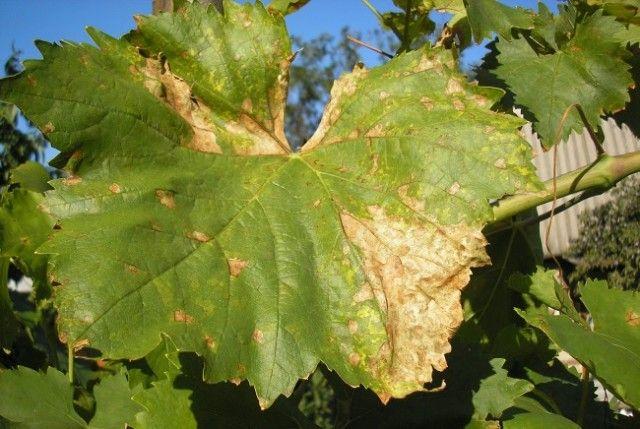
Even with a strong immune system, grapevines can be susceptible to certain diseases and pests. Below are the most common ones.
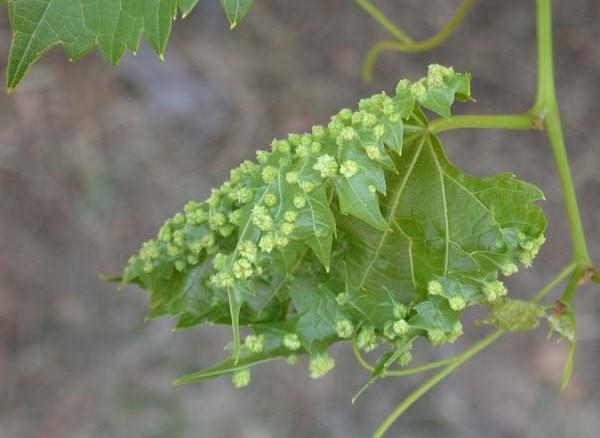
Leaf roller
Leaf roller caterpillars feed on all parts of the grape plant. To prevent their occurrence, remove plant debris from the trunk area. Additionally, spray the bushes with insecticides before and after flowering.
Phylloxera
Grape aphids infest roots and leaves, feeding on their sap. To prevent their occurrence, Stoletie grapes are grafted onto aphid-resistant varieties, planted deeply, and pruned from the top roots.
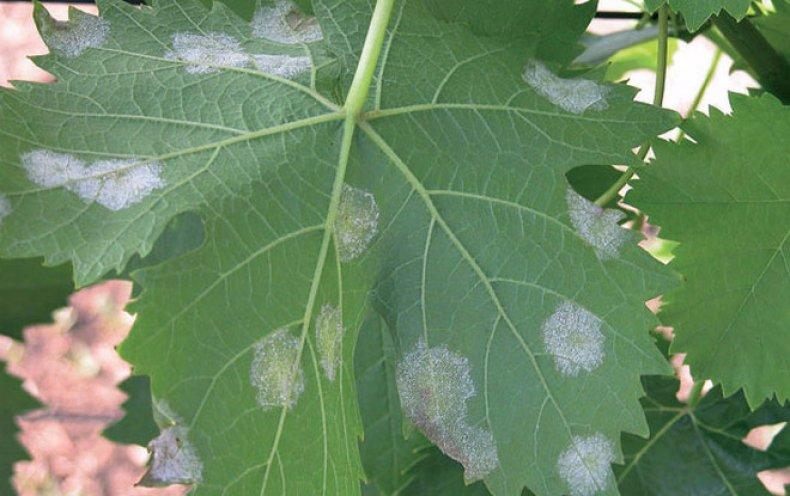
Oidium
Powdery mildew, also known as powdery mildew, appears as a white coating on the leaves. The fruit begins to dry out and rot. The disease occurs during excessively dry weather or fluctuations in humidity. To prevent it, grapes are sprayed with fungicides several times during the season.
Mildew
Another name for downy mildew is downy mildew. It manifests itself as an oily liquid on the upper surface of leaves. It occurs due to over-nitrogenation and in damp, hot weather. To prevent downy mildew, grapes are sprayed with antifungal agents.
Gray rot
The disease affects the above-ground portion of the bushes. When the fungus appears, the fruits stop developing, wither, and dry out. To prevent the disease, plants are sprayed with fungicides.
Harvesting and storage
The berries begin to be harvested in August. They are intended for quick consumption fresh or dried into raisins. Due to their thin skin, the fruits do not have a long shelf life.
Tips from experienced gardeners
Experienced winegrowers offer the following advice on growing the Stoletie grape variety:
- When planting, shorten the root system by 2 centimeters and remove the upper roots completely.
- To prevent the appearance of diseases and pests, do not neglect preventive spraying.
- Water mature grape bushes only when dry weather persists for a long time.
- Pruning is a mandatory technique in bush care.
- If the expected winter temperature is more than -23°C, remove the shoots from the support and cover.
Armed with knowledge about growing Stoletie grapes, a farmer can easily grow the crop on his plot. He can use the delicious, aromatic berries to make raisins and sell the surplus at market.
Related posts:
 Description of 30 grape varieties for Siberia, planting and care for beginners
 How to grow grapes in the Moscow region in open ground without a greenhouse
 Description of the Julian grape variety, planting and care instructions
 The ripening time of grape vines by variety, how to speed up the process, and what to treat the plant with
 Description of 30 varieties and types of Muscat grapes, planting, cultivation and care
 Beginner's Guide to Growing Grapes in Open Ground in Central Russia
 Description of the Krasotka grape variety, planting and care technology
 Description and characteristics of the Laura grape variety, planting and care