
- Description and characteristics of the insect
- Life cycle
- What harm can it cause?
- Pest-resistant varieties
- Frumoasa Albe
- In memory of Negrul
- December
- Moldova
- Fruitful
- Crane Anniversary
- Signs of infection
- Methods of control
- Traps
- Burning of affected ovaries and shoots
- Chemical methods
- Aktara
- Karbofos
- Actellic
- landing
- Binom and Alatar
- Alfacin
- Fastak
- Ivanhoe
- Intavir
- Biological insecticides
- Folk remedies
- Tincture of tobacco dust
- A decoction of wormwood and celandine
- A decoction of potato and tomato tops
- Terms and conditions of processing
- Preventive measures
- Particularly vulnerable varieties
- Pinot Noir
- Riesling
- Muscat
- Aligote
Many gardeners are interested in methods for controlling grape berry moths. Today, there are numerous ways to eliminate this dangerous pest. Chemicals or biological agents can be used to achieve good results. In simple cases, effective folk remedies are sufficient. Adherence to proper agricultural practices is also crucial.
Description and characteristics of the insect
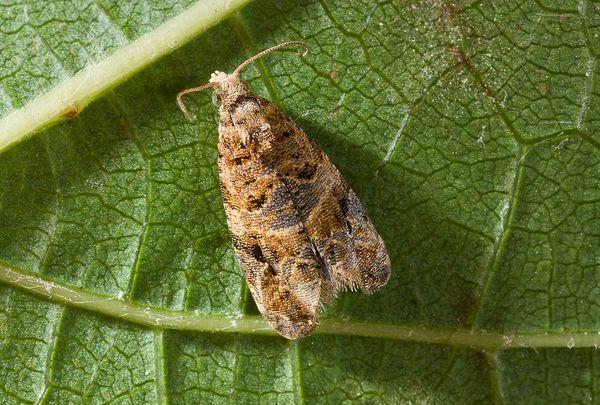
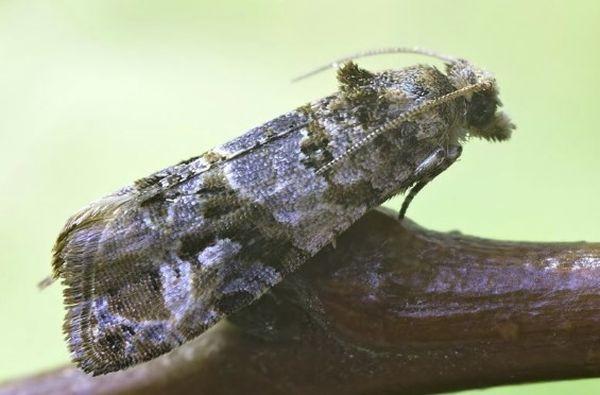
The grape berry moth is a butterfly. Adults reach 6-8 millimeters in length, with a wingspan of 11-13 millimeters. Males and females have similar wings covered in a mosaic pattern.
The first pair of wings is a distinctive brownish hue with spots of various colors—gray, black, and brown. The second pair is gray and fringed. When at rest, the wings are fixed above the abdomen in a bell-shaped formation.
Life cycle
The grape leaf roller produces 3 generations per year:
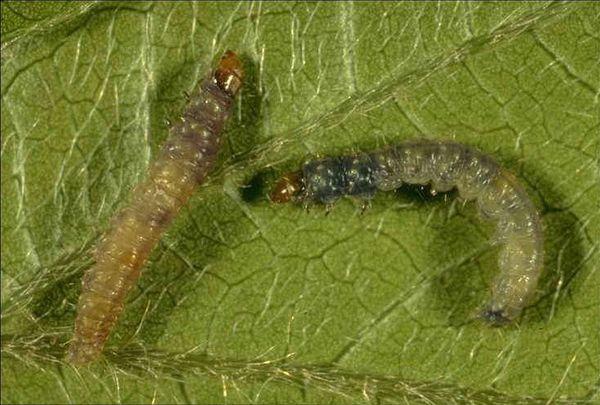
- The first occurs during bud break. The spring flight lasts more than 20 days. Ten days after the start of active flight, the insect lays eggs on the grapevine. This stage most often coincides with the formation of inflorescences. After 6-12 days, caterpillars are born, which consume the buds. Each larva can consume up to 60 buds per day. Caterpillar development ends at the end of the flowering phase, which occurs in the first half of June. The caterpillars then transform into pupae. This stage lasts approximately 10 days.
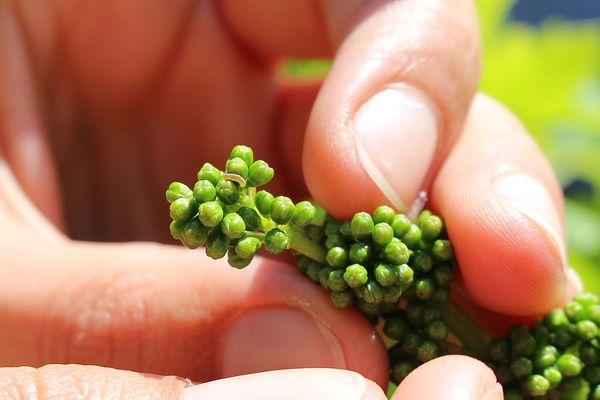
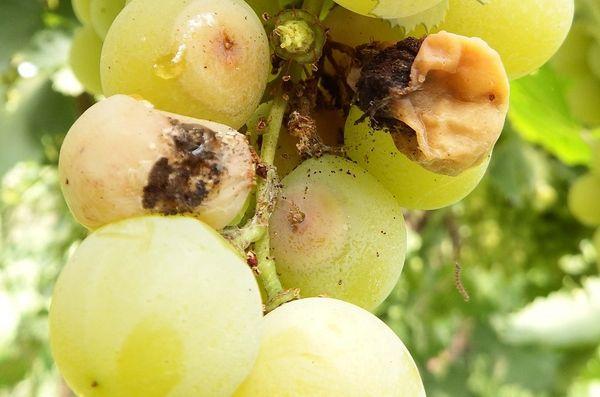
- Second, at this stage, new moths emerge from the pupae. After two days, they lay eggs. After another 10 days, caterpillars emerge from these eggs. This occurs during the pea stage and berry development. The caterpillars consume the green fruit, creating round holes in it. The damage is visible to the naked eye. Affected fruit becomes wrinkled and takes on a brown or blue tint. Such berries often suffer from gray mold or other fungal infections.
- Third, the butterflies emerge in the second half of July or early August. At this stage, early varieties are already ripening. The insects finish pupating in October. Most caterpillars do not have time to pupate. They are collected from the bushes during harvest.
What harm can it cause?
Pests damage buds, flowers, and fruits. As a result, yields drop by 30-40%. Fruit quality deteriorates significantly.
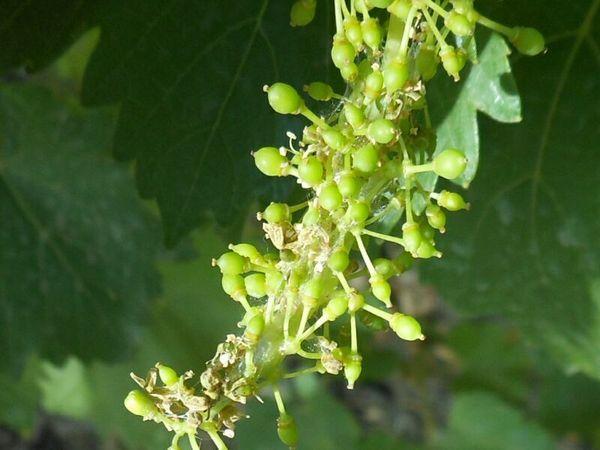
The grape leaf roller can cover flowers and fruits with webbing. This disrupts the normal development of reproductive organs. Furthermore, the dense web nests help protect the caterpillars, who then consume the berries' flesh. As a result, the fruit begins to rot.

Pest-resistant varieties
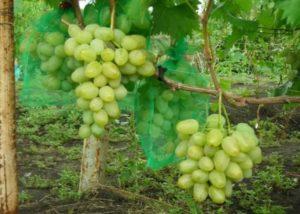
The grape leaf roller most often attacks grape varieties whose fruit contains large amounts of essential oils. However, the parasites are less likely to infect Moldovan-bred varieties.
Frumoasa Albe
This variety boasts excellent immunity to major grape pests. It produces medium-sized bushes and large clusters weighing up to 400 grams.
In memory of Negrul
This hybrid variety has excellent immunity and is virtually immune to leaf rollers. The grapes are characterized by firm flesh.
December
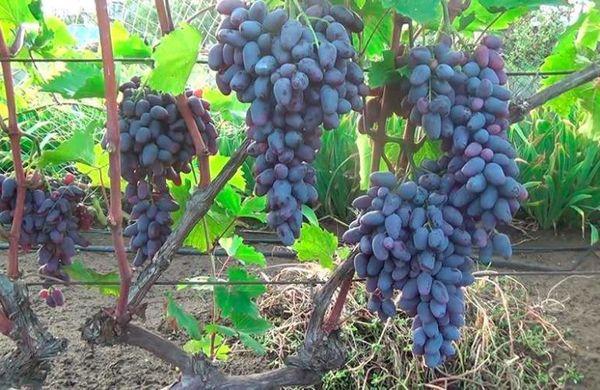
This plant has a mid-season ripening period and is resistant to major pests.
Moldova
This is a fairly robust variety, characterized by vigorous bushes. The clusters are medium to large in size and weigh up to 400 grams. The bunches are conical in shape.
Fruitful
These are medium-sized bushes with large clusters weighing up to 400 grams. The berries are large and greenish-yellow in color.
Crane Anniversary
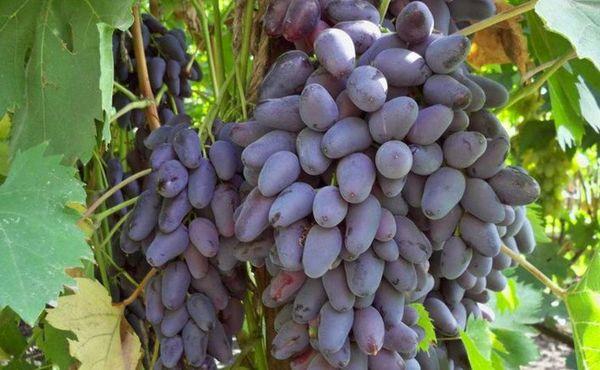
This variety is characterized by medium-sized bushes. The clusters are large and loosely structured. The fruits are round and dark pink in color.
Signs of infection
The presence of parasites can be detected by the webbing that entangles the grape clusters and branches. The caterpillars also consume the ovaries, causing damage to green and ripe fruit. The breakdown products of the parasites negatively impact the health of the vine.
Methods of control
When webbing appears on a plant, measures must be taken after each new generation of leaf rollers emerges. A variety of methods are used to eliminate the pests. These include traps, agricultural practices, chemical and biological agents. In simple cases, folk remedies are sufficient.
Traps
Special traps help eliminate leaf rollers. To do this, cut up plastic bottles and hang them at the height of the grape vines or between the bushes. Fill the traps with wine made from grape pomace. Sugar and a small amount of vinegar can be added to the mixture.
During the summer, traps should be checked regularly. This should be done early in the morning. The number of dead moths depends on the weather. Light traps are also often used. However, this method is best for catching males, which do not lay eggs and therefore cause less damage to the grapevine.
Burning of affected ovaries and shoots
To effectively control pests, it's necessary to remove damaged fruit and branches from the shrub. These should be destroyed immediately. Experts recommend burning the affected plant fragments outside the property.
Chemical methods
To control leaf rollers, special measures must be taken. These include agricultural practices, systematic chemical treatments, and the use of bioinsecticides.
It's best to apply treatments based on butterfly activity. The first spraying is done when caterpillars appear, which occurs 18-20 days after the onset of butterfly flight. The second treatment is done 7-10 days later. The final treatment should be done when the third generation of caterpillars appears.
However, not all gardeners can monitor their plots daily. In this situation, systematic insecticide treatments are used, depending on the grapevine's development stage.

This is done at the following stages:
- along the green cone;
- when 5-7 leaves are formed;
- 10 days before flowers appear.
Today, manufacturers offer a variety of products that can be used to control grape berry moths. This allows every gardener to find the best option.
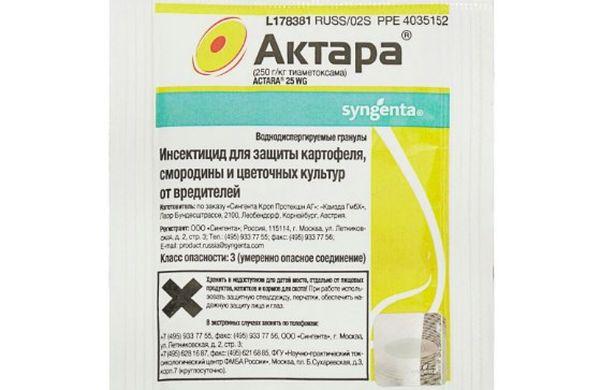
Aktara
This insecticide has a broad spectrum of activity and is used to kill leaf rollers. To treat bushes, prepare a solution. To do this, add 8 milligrams of the solution to 10 liters of water.
Karbofos
This insecticide also has a wide range of applications. To make a useful solution, add 1 milligram to 1 liter of water. In special cases, the amount of insecticide can be increased to 2 milligrams.
Actellic
This is an insecticidal acaricide that works through intestinal and contact contact. Use 1 milliliter of the product per 1 liter of water.
landing
This substance has a broad spectrum of action. To treat the plant, use a solution. To prepare it, add 1 milliliter of the substance to 1 liter of water.
Binom and Alatar
These are universal insecticides. To make a working solution, add 3-5 milligrams of the product to 10 liters of water.
Alfacin
It is a synthetic pyrethroid that helps control larvae present in grape leaves.
Fastak
Another synthetic pyrethroid. This product is considered highly toxic and is used when other treatments are ineffective.
Ivanhoe
This pyrethroid must be used strictly according to the instructions. The air temperature should not exceed 23 degrees Celsius. Otherwise, the product will be ineffective.
Intavir
This is a popular chemical that can be used to kill leaf rollers. To treat grapes, mix one tablet with 10 liters of water.
Biological insecticides
Chemical pesticides pose a danger to humans. They can accumulate in berries and produce toxic substances. However, less harmful biological pesticides can be used to control leaf rollers. These include Bitoxibacillin or Lepiodocid. Treatments are repeated every ten days until the leaf roller population is completely eliminated.
Folk remedies
In simple cases of bush damage, folk remedies can be used. Today, many remedies are known that can achieve good results.
Tincture of tobacco dust
To prepare the mixture, add 500 grams of tobacco dust to a bucket of hot water. Let the mixture steep for two days, strain through cheesecloth, and squeeze out the excess. Mix the mixture with equal parts water. Before use, add 40 grams of crushed soap to the mixture.
The infusion is toxic to humans. Therefore, caution should be exercised when treating vineyards.
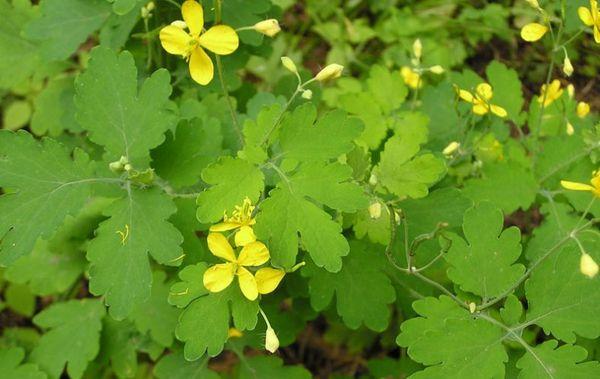
A decoction of wormwood and celandine
To make this mixture, add 700 grams of dried herb or half a bucket of fresh to 10 liters of water. You can also use a little celandine. Let the mixture steep for two days. Then simmer for half an hour over low heat. Bring the volume to 10 liters. Before treatment, mix with water in equal proportions.
A decoction of potato and tomato tops
Take 4 kilograms of chopped tomato roots and fresh green tops and pour a bucket of water over them. Let it steep for 3-4 hours. Simmer for half an hour over low heat. After cooling, strain the mixture and squeeze out the tops well.
The product can be stored in sealed containers for up to a year. Before use, mix it with equal parts water. Add 40 grams of soap to every 10 liters of the product. An infusion of potato tops is also highly effective. To make it, add 4 kilograms of fresh potato tops to a bucket of warm water. Let it steep for 3-4 hours. Strain and add 40 grams of soap.
Terms and conditions of processing
To achieve good results from using the products, it's important to strictly adhere to the treatment schedule. However, the development of moths can occur at different times. Therefore, there are no exact treatment schedules.
Gardeners are advised to consider the plant's development phases. The first preventative sprayings are performed when buds begin to appear.
Pheromone traps are also used to determine the timing of insecticide application. These devices attract males. The number of individuals can be used to determine the onset of the butterfly flight.
Experts recommend inspecting traps every morning and counting the number of captured individuals. If more than 5-8 butterflies are caught over the course of three days, the third day is considered the beginning of a persistent flight. Massive flight occurs after 8-10 days.
Preventive measures
To prevent leaf rollers from appearing on grape vines, it's essential to follow proper agricultural practices. To do this, we recommend the following:
- tie up shoots;
- perform thinning pruning;
- carry out pinching out of side shoots;
- destroy weeds;
- remove affected brushes.
Particularly vulnerable varieties
The grape leaf roller primarily affects varieties characterized by dense clusters and high essential oil content. These crops require especially careful care.
Pinot Noir
This is a wine grape variety characterized by a mid-season ripening period. Its origins are considered to be France.
Riesling
This German grape variety is known for its high-quality fruit. It is a popular wine grape with a mid-season ripening period.
Muscat
This oriental variety boasts high quality. It is characterized by a muscat aroma and a medium ripening period.
Aligote
This French variety produces high-quality table wine. The berries are also used to make champagne.
The grape leaf roller is a dangerous pest that can cause serious damage to grapevines. Effective folk remedies can be used to combat the parasite. In more severe cases, chemicals may be necessary.
Related posts:
 How to grow grapes in the Moscow region in open ground without a greenhouse
 Description of the Julian grape variety, planting and care instructions
 Description of the Krasotka grape variety, planting and care technology
 The ripening time of grape vines by variety, how to speed up the process, and what to treat the plant with
 Description of 30 grape varieties for Siberia, planting and care for beginners
 Description and characteristics of the Preobrazhenie grape variety, planting and care
 Beginner's Guide to Growing Grapes in Open Ground in Central Russia
 The best grape varieties for growing in the Urals, planting and care rules in summer