
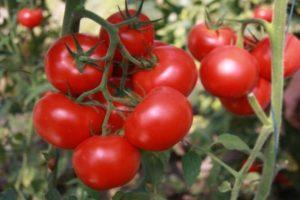
The Bagheera f1 tomato is highly productive and boasts excellent flavor. Bagheera f1 is an early hybrid of domestic selection. It is ideal for temperate climates. Reviews of this vegetable's flavor remain consistent regardless of how it is consumed: the same pleasant taste is retained in various dishes and sauces, canned whole, and eaten fresh.
What is Bagheera tomato?
Characteristics and description of the variety:
- determinate plant (height varies between 50-85 cm);
- resistance to low temperatures;
- the ripening period is only 65 days from planting the seeds;
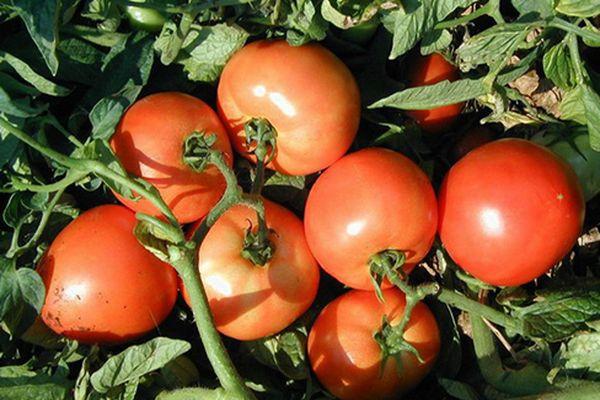
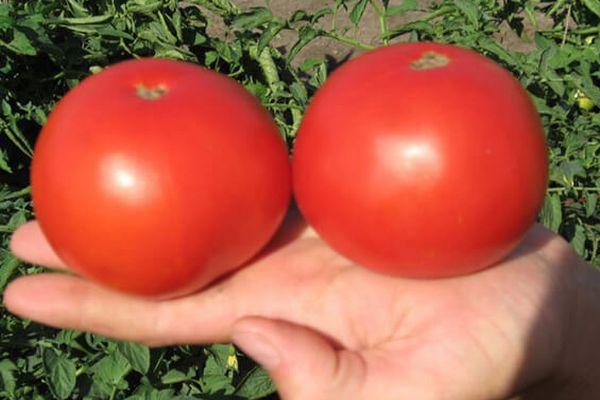
- Bagheera tomato has an average weight (80-220 g), with large fruits growing closer to the ground;
- with proper care, the yield is 10 kg per 1 m²;
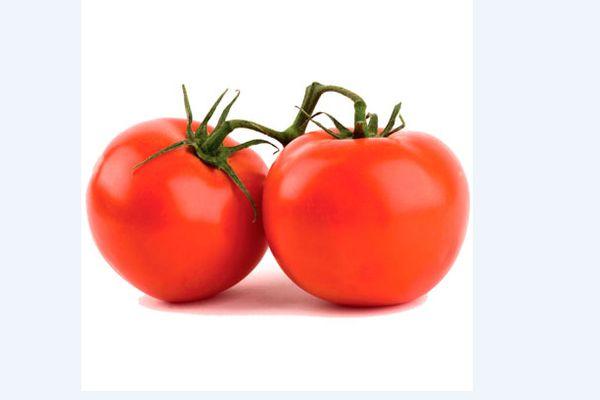
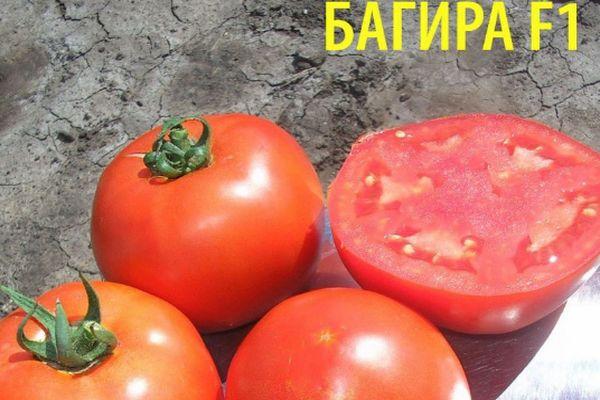
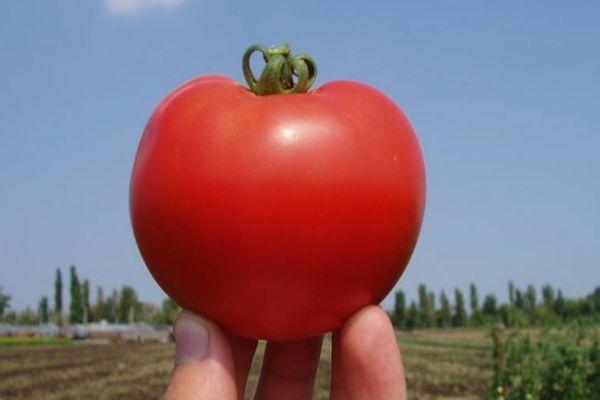
- the vegetables have a slightly flattened round shape with slight ribbing at the base of the stalk;
- ripe tomatoes are red in color, without stripes or spots;
- the pulp is slightly sweet, juicy, not watery;
- The dense skin of the fruit allows tomatoes to be stored for up to 30 days and transported over long distances.
How to grow tomatoes?
Let's look at how to grow Bagheera f1 tomatoes and describe plant care methods. The seeds are already processed when packaged, so no additional treatments are required. Bagheera tomatoes can only be grown from seedlings.
These seeds are best grown in a mixture of peat, garden soil, and humus. They are placed at a depth of 1.5 to 2.5 cm, then sprayed, covered with plastic wrap, and placed in a warm place.
When the first shoots appear, move the seedlings to a brighter location. When the first leaf appears, it's time to transplant. During this period, it's best to use a liquid, complex fertilizer.
Planting in the ground can begin towards the end of May or early June. It's crucial to harden off the seedlings before this point. Seedlings should be moved outdoors, increasing the time spent outdoors each time. Seedlings planted in the afternoon or on cloudy days will thrive best. Plants are spaced 90x40 cm, meaning 90 cm between rows and 40 cm between plants.

To achieve good results, you should follow the watering guidelines:
- It is permissible to give plants water in the evening or in cloudy weather;
- Constant monitoring of soil moisture will help avoid cracks in the ground that damage the plant's root system;
- when transplanting into the ground, pour at least 0.5 liters of water into each hole;
- as soon as the tomato begins to bloom, 20 liters of water must be poured per 1 m² of soil;
- fruit setting requires 40 liters for the same area;
- ripening of fruits and new ovaries absorb up to 65-75 liters per 1 m²;
- To avoid various diseases, it is advisable to water under the bush, preventing moisture from getting on the leaves and fruits;
- After each watering, the plant needs to be loosened to a depth of no more than 10 cm (so as not to damage the root system);
- As harvest approaches, watering should be reduced to prevent ripe fruits from bursting.
Fertilizing is recommended at all stages of plant growth. This should begin no earlier than 2-3 weeks after planting. Mineral fertilizer mixtures are suitable for this purpose. After another 3-4 weeks, potassium and phosphorus fertilizers are added. During the period when fruit set begins, fertilizers should be used to prevent fungal diseases. During the harvest period, nitroammophoska can be used to increase the yield and the formation of new fruit.
Despite the bushes' low growth, don't neglect staking them. Support will ensure a sufficient and uniform flow of oxygen to the plant. It's important to ensure that stakes are installed during the seedling stage to avoid damaging the root system later. Only use soft threads for staking to avoid damaging the stem.
Like any hybrid, Bagheera tomatoes are resistant to the vast majority of diseases and pests. Unfortunately, not all of them. To ensure a bountiful harvest, don't neglect preventative measures.
Treatment should begin at the seed planting stage. The soil should be treated with a solution of pale pink potassium permanganate. The seedlings themselves should be sprayed with antifungal agents.
If tomatoes are grown in a rainy climate, then treatment with Bordeaux mixture is simply irreplaceable.
The main insect pests for this vegetable are aphids, mole crickets, and the Colorado potato beetle. Insecticides should only be applied before the fruiting period begins. Larvae that attack the plant should be collected by hand, and the bushes should be sprayed with a weak ammonia solution.
Easy to care for and high yields make the Bagheera tomato suitable for both experienced and novice gardeners. With little effort, even inexperienced gardeners, you'll achieve excellent results.
Related posts:
 Description of the Bagheera blackcurrant variety, planting and care features
 The best eggplant varieties for growing in a polycarbonate greenhouse: planting and care
 Methods for planting and propagating cherries at home
 Planting, growing, and caring for peppers in open ground in the Moscow region: the best varieties
 Peach tree care and agricultural secrets, pest control
 The best grape varieties for growing in the Urals, planting and care rules in summer
 Description of varieties of sowing peas and cultivation, to which family they belong
 How to control carrot flies with medications and folk remedies