
- History of selection and growing area
- Advantages and disadvantages of Bagheera
- What is characteristic of this variety?
- Botanical description of the bush
- Productivity and fruiting
- Scope of application of fruits
- Immunity to diseases
- Frost and drought resistance
- How to plant on a plot
- Selecting and preparing a site
- Dimensions of the planting hole
- Timing and step-by-step instructions for planting
- Further care
- Watering
- Top dressing
- Pruning rules
- Prevention and control of diseases
- Insect protection
- Weeding and loosening
- Shelter for the winter
- Reviews
Blackcurrant is an ancient crop. It has been cultivated for over a thousand years, and its popularity is only growing year after year. Fruiting and berry flavor largely depend on the variety chosen. Gardeners have long favored the Bagheera currant for its high yield, sweet flavor, pleasant aroma, and ease of care. Below is information on growing this variety, as well as reviews from gardeners.
History of selection and growing area
The Bagheera currant was bred in 1985 by scientists T.S. Zvyagina and K.D. Sergeeva. Breeding work was conducted at the I.V. Michurin Tambov All-Russian Research Institute of Crops. In 1994, the variety was added to the Russian State Register.
Bagheera currant is recommended for cultivation in the European part of Russia, as well as in the Urals and Siberia.
Advantages and disadvantages of Bagheera
The advantages of the variety include the following qualities:
- excellent taste of berries;
- abundant fruiting;
- good transportability;
- versatility of fruit use;
- winter hardiness;
- unpretentiousness in cultivation.
Disadvantages include poor resistance to powdery mildew, anthracnose and bud mite.
What is characteristic of this variety?
Bagheera currant is self-fertile, but when planting mid-late varieties of the crop, its yield will increase significantly.
Botanical description of the bush
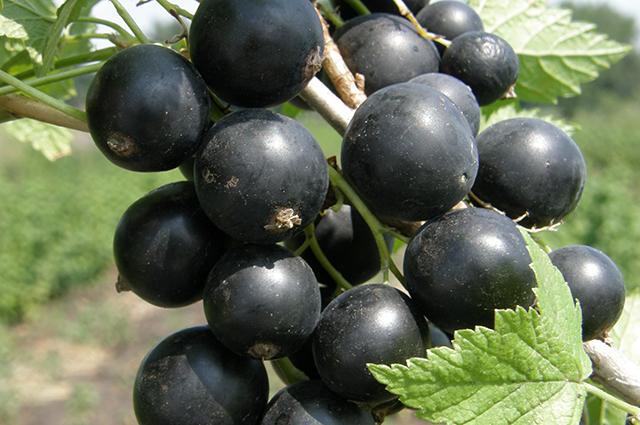
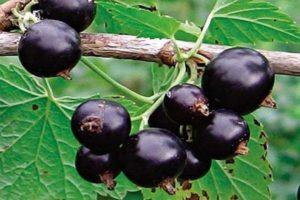
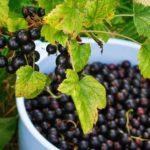
The plant grows up to 2 meters in height. The bushes are medium-spreading and densely foliated. Smooth, green leaves remain on the plants until frost. Flower clusters reach 5-8 centimeters in length. They bear 4-7 black, shiny berries.
Productivity and fruiting
This variety is marketed as mid-late: berries weighing 2-2.5 grams ripen in mid-July. Currants bear fruit annually, with the largest harvest occurring in the fourth year, after which the bushes require rejuvenation. A bush yields 3.5-4.5 kilograms of berries, which can hang on the branches for a long time without falling off.
Take a look Also
Scope of application of fruits
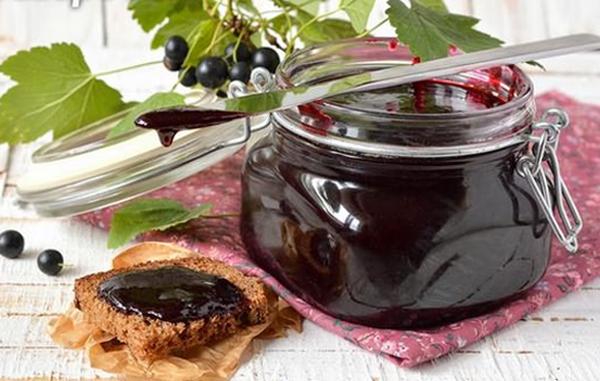
Bagheera currants are used in industrial production and home canning. The berries are eaten fresh, used to make compotes, juices, jams, and wine. They are also frozen and dried for winter use.
Immunity to diseases
Bagheera currants have a strong immune system and are resistant to many diseases. However, they can be affected by powdery mildew and anthracnose. To prevent these diseases, inspect the bushes regularly, remove dead and diseased branches, thin out the crown, and remove plant debris from the tree's surrounding area.
Frost and drought resistance
This variety is adapted to growing in challenging climates. It can withstand temperatures down to -32°C, as well as extreme heat and prolonged periods without rain. Bagheera currants easily tolerate sudden changes in temperature and humidity.
How to plant on a plot
The hole for the currants is dug 15-30 days before planting. Add rotted manure and compost. You can also add mineral fertilizers: 100 grams of superphosphate, 150 grams of ash, and 20 grams of potassium sulfate.
Selecting and preparing a site
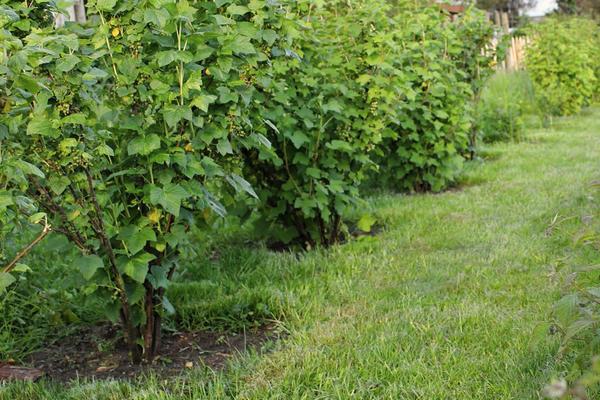
Currants prefer a sunny location, but some shade during the hot midday sun. For this reason, they are planted near fences, walls, and hedges. These structures will also protect the plants from drafts. Groundwater should not be closer than 50 centimeters to the soil surface.
The site for planting Bagheera currants is cleared and dug over. The bushes grow best in sandy or loamy soils with some black soil added.
The soil reaction should be neutral or slightly acidic.
Dimensions of the planting hole
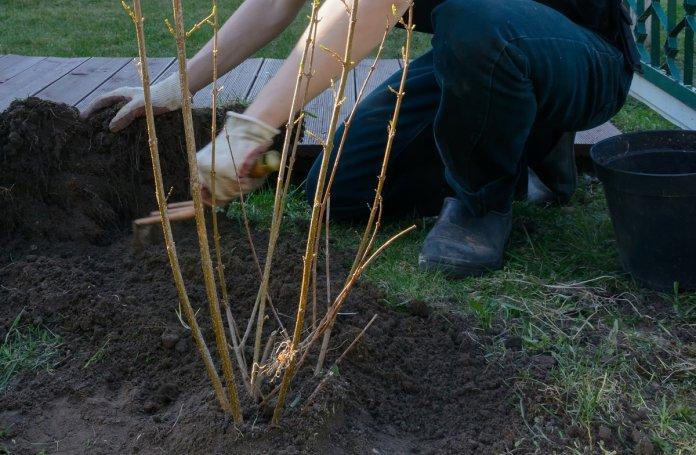
Blackcurrants have a root system close to the soil surface, so the hole dug is shallow. It is dug 15-30 days before planting. The hole dimensions are: diameter – 50 centimeters, depth – 40 centimeters.
Timing and step-by-step instructions for planting
Bagheera currants are planted in open ground in the spring before bud break or in the fall, when the leaves begin to fall. Planting is done as follows:
- the currant root system is placed in the prepared hole;
- water is spilled abundantly;
- The bush is covered with soil in such a way that the root collar is buried no more than 10 centimeters deep.
Please note! Currants can be planted straight or at a 45° angle.
Further care
When caring for plants, you need to pay attention to the fact that they require regular watering, fertilizing, loosening, weed removal, and pruning.
Watering
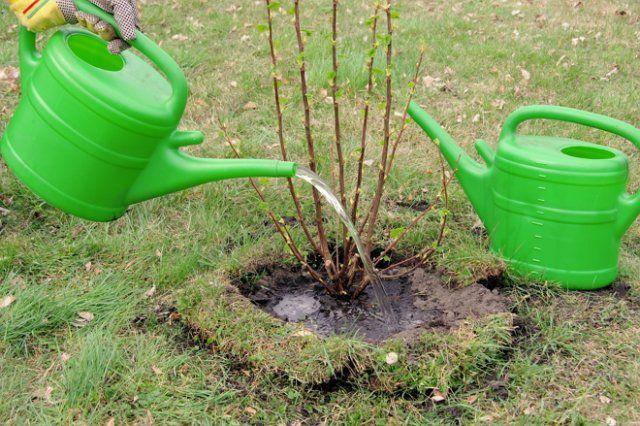
Soil moisture must be maintained throughout the season. Watering is especially important during bud formation and fruiting. The frequency of irrigation depends on precipitation. During dry weather, Bagheera currants should be watered at least once a week.
Top dressing
Considering that fertilizer was added to the planting hole when the plants were first planted, additional fertilizing is done after two years. Then, in the spring, nitrogen is added to the currants, for example, 50 grams of urea per bush. In the summer and fall, a complex mineral fertilizer with a high content of phosphorus and potassium is applied. In the fall, the root system is also mulched with humus, which protects the root system from freezing and also serves as fertilizer.
Pruning rules
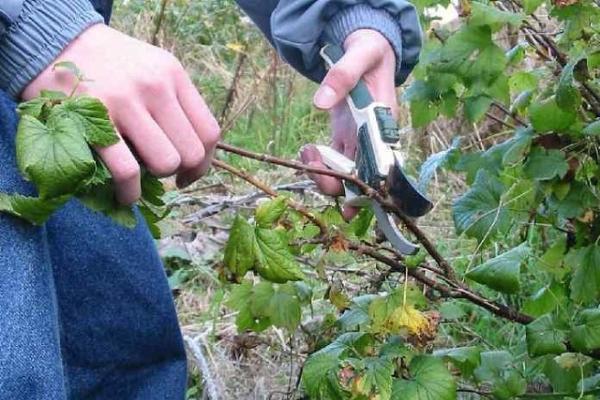
The bushes require regular pruning. First, the shoots are cut back by ⅓, after which 3-4 of the strongest ones are left. Similar pruning is performed every year. By the age of 5, the bush should consist of 3-4 branches of each year. Subsequently, a more drastic pruning is performed, leaving only a few young shoots.
Prevention and control of diseases
The plant may be susceptible to fungal diseases. To prevent this, follow these steps:
- remove weeds;
- dig up the soil in spring and autumn;
- apply potassium-phosphorus fertilizers;
- prune diseased, dry, frozen branches that thicken the crown.
Additionally, in the spring, the bushes are sprayed with a 1% copper sulfate solution to prevent disease. If the Bagheera currant is affected by disease, it is treated with an antifungal agent after fruiting.
Insect protection
To prevent the appearance of harmful insects, take the following steps:
- Before planting, the root system is placed in a container with a solution prepared from 10 liters of water, 40 grams of colloidal sulfur, and 10 milliliters of Fufanon;
- onions and garlic are planted around the perimeter of currant growth;
- remove weeds;
- mulch the root circle with peat.
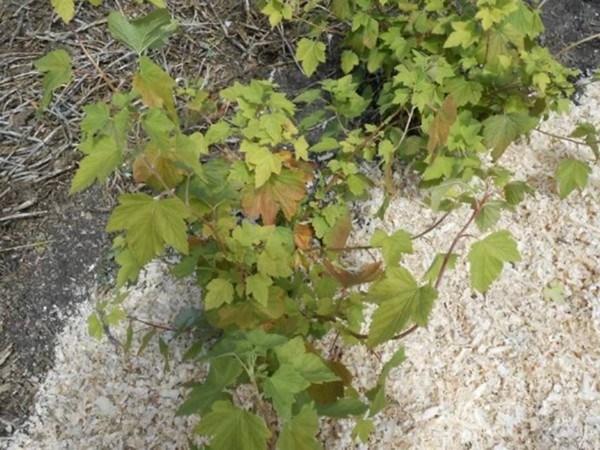 If plants are damaged by harmful insects, they are sprayed with insecticides.
Weeding and loosening
After each watering or rainfall, loosen the root zone. Otherwise, the soil will become crusty, and currant growth will be stunted. To prevent diseases and pests, remove weeds from around the bushes.
Shelter for the winter
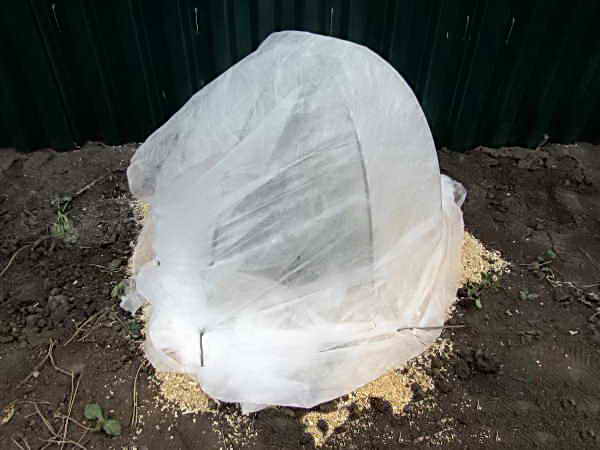
Bagheera currants are winter-hardy, but if temperatures below -30°C are expected, the bushes require protection. To do this, tie the shoots and wrap them in burlap or agrofibre. Before frost sets in, mulch the root zone with compost.
Reviews
Farmers describe the Bagheera currant as a productive variety with fragrant, sweet berries. The crop is occasionally susceptible to pests and diseases, but with appropriate treatment, these problems are easily resolved.
Nikolay, 5 years old, Vitebsk region
This is an old variety that has stood the test of time. It is highly self-fertile and produces fruit early. It is sometimes affected by bud mites, but this problem can be controlled. Insecticides such as Actellic or Fitoverm help get rid of the pest. I propagate according to the instructions, spray the bushes, and the mites disappear.
Marina, 35 years old, Ufa
I'm happy with my bagheera: I get a bountiful harvest even in a dry summer. When I pick the berries, they don't get soggy, and I put them in the freezer clean and dry. In the winter, I defrost them, drink currant tea, and I never catch a cold.
Kirill Petrovich, 54 years old, Verhnedvinsk
The Bagheera currant bushes were left behind by the previous owners of the dacha. They grow near the fence and require little care. My wife mashes the berries with sugar and refrigerates them. In winter, she makes currant pies and hot drinks. This is a high-yielding variety, and I recommend it for gardeners.
Related posts:
 Characteristics and descriptions of the 40 best red currant varieties
 The health benefits and contraindications of black currants
 Description and characteristics of the 25 best blackcurrant varieties for Siberia
 Description of the 50 best blackcurrant varieties for different regions
 Red currant health benefits, properties, and contraindications
 The health benefits and contraindications of white currants
 20 Best Blackcurrant Winter Preserves Recipes
 The best and new varieties of black currant for growing in the Urals, planting and care