
- History of selection
- Description and characteristics of the Izumnaya currant
- Bush
- Flowering and fruiting
- Productivity and annual growth
- Drought and frost resistance
- Susceptibility to diseases and pests
- Algorithm of landing operations
- Optimal timing
- Site selection and preparation
- Preparing the beds and planting hole
- Landing technology
- Organization of competent care
- Irrigation and fertilizing
- Loosening the soil
- Bush formation
- Preventive treatments
- Covering for the winter
- Methods of reproduction
- Gardeners' reviews of the variety
Blackcurrant is rightfully considered the most common berry bush in gardens and vegetable patches. It has been proven that the berries and foliage of this fruit tree contain a unique composition of vitamins and nutrients that have a beneficial effect on the human body. The Izyumnaya currant variety has only recently appeared in gardens, vegetable patches, and farmland, but has already gained popularity due to its high yield, winter hardiness, drought tolerance, and excellent flavor.
History of selection
The Bryansk Lupine Research Institute has given the world numerous new and unique developments in the field of fruit and berry crop breeding. In the late 1990s, under the guidance of renowned breeder Astakhov, a new blackcurrant variety was created. Pollination was used for this development. currant variety Golubka 37-5.
As a result of these experiments, a new fruit variety, the Izyumnaya currant, was developed, with improved characteristics and flavor. In 2007, the berry variety was added to the state register.
Description and characteristics of the Izumnaya currant
Before choosing the Izumnaya currant variety, it is necessary to understand all the pros and cons of this berry crop.
Advantages:
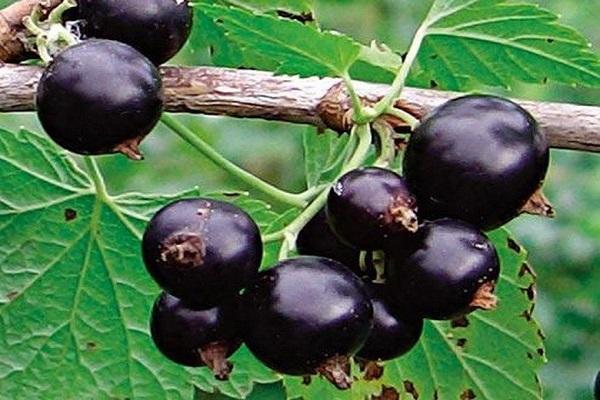
- Ripe berries do not fall from the bush, but gradually dry out under natural conditions and, as a result, resemble raisins.
- The variety is resistant to both low temperatures and drought.
- Natural immunity to some fungal diseases and pests.
- The berry bush is not demanding in care.
- Excellent taste of berries, appreciated by experts.
 Important! Disadvantages of this fruit crop include low survival rates when propagated by cuttings and possible allergic reactions to the sweet berries..
Bush
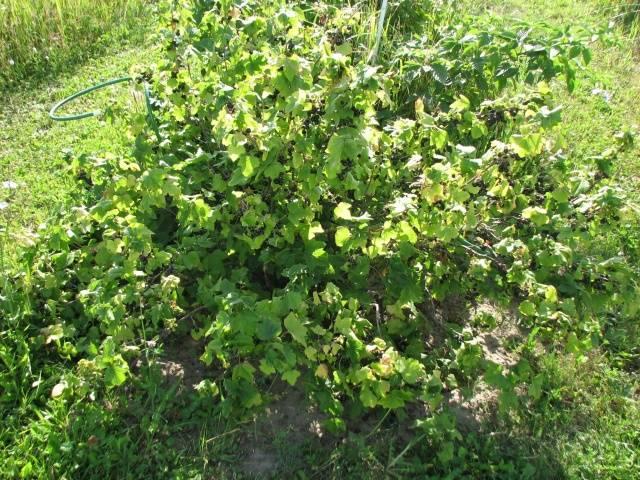
The fruit tree's bushes grow up to 1.5 m tall, with straight, thick branches and shoots. The leaves are large, corrugated, with serrated edges and a deep notch at the base, and are dark green. The main crown of the bush is formed by shoots and twigs of varying ages, but most fruit buds appear on one-year-old growth. The shrub's root system is superficial, reaching a maximum depth of 35-40 cm.
Flowering and fruiting
Currants enter the flowering phase in mid-May. Clusters of multiple, light-yellow flowers appear on the branches. Each cluster produces 8 to 12 berry ovaries. The Izumnaya currant is capable of self-pollination.
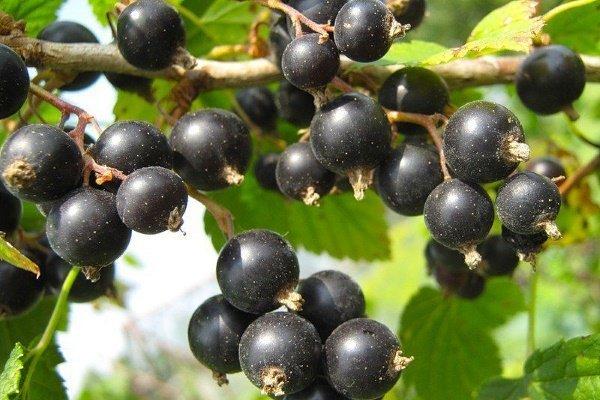
The first fruits ripen in the first half of July. The berries are large, up to 3 g, black, with a sweet taste and a distinct currant aroma.
With proper and timely care, berry bushes bear fruit for up to 15 years, but the peak yield occurs in the 5th-6th year of growth of the fruit crop.
 Tip! If you leave ripe berries on the bushes, you can harvest naturally dried and cured fruits by the end of summer.
Productivity and annual growth
The yield and flavor of the Izumnaya currant depend on the growing climate. Commercially grown currants yield up to 12-13 tons of ripe berries per hectare. According to gardeners, a single bush can yield up to 2.5 kg of fruit.
The largest annual growth of basal shoots occurs in the first year of growth of the berry bush, and can be up to 80 cm.
During subsequent growing seasons, growth decreases. The Izumnaya currant is considered a versatile dessert variety. Ripe berries are recommended for consumption fresh, processed, or frozen.
Note: 100 g of fresh Izumnaya currants contain up to 198 mg of vitamin C.
Drought and frost resistance
Thanks to its high tolerance to sub-zero temperatures, this berry crop easily survives winter frosts down to -35 degrees Celsius, making it suitable for cultivation in Siberia, the Far East, and the Urals.
During the period of spring frosts and temperature changes, buds and flowers do not freeze.
The Izumnaya currant is not demanding of climatic conditions, so the bush easily tolerates short-term drought.
Susceptibility to diseases and pests
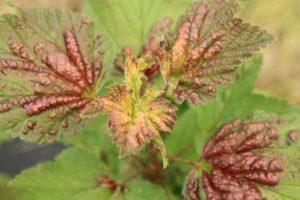
When developing the new variety, we also took into account its enhanced immunity to fungal and viral infections. However, as a preventative measure, we recommend treating the bushes with professional pest and disease control products before the growing season begins.
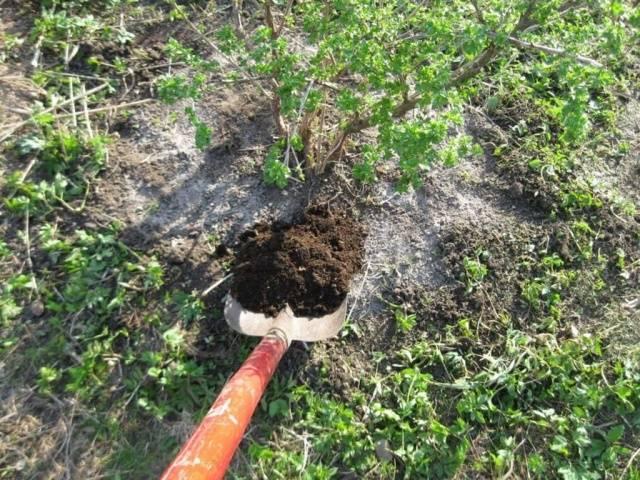 Tip! Planting calendula or garlic near currant bushes will reduce the risk of insect attacks.
Algorithm of landing operations
To obtain a high-quality and large harvest of healthy berries, it is necessary to follow the rules for planting and caring for the fruit crop.
Optimal timing
In southern and temperate climates, it's recommended to plant currant seedlings outdoors in the fall, 4-6 weeks before the first frost. This allows the bushes to root and begin to bear fruit in the summer. In regions with cold winters, planting currant bushes is postponed until spring.
Site selection and preparation
For planting berries, select sunny, level, dry, and draft-free soil. Groundwater should also be at least 1.5-2 meters below the soil surface. Soil preparation begins 3-4 weeks before planting.
- The selected area is carefully dug up, cleared of weeds and loosened.
- The soil is mixed with humus, mineral and organic fertilizers.
- Lime or wood ash is added to soil with high acid content.
- Clayey, heavy soil is mixed with sand and humus.
- If the area is dominated by sandy soils, then river sand and peat are added.
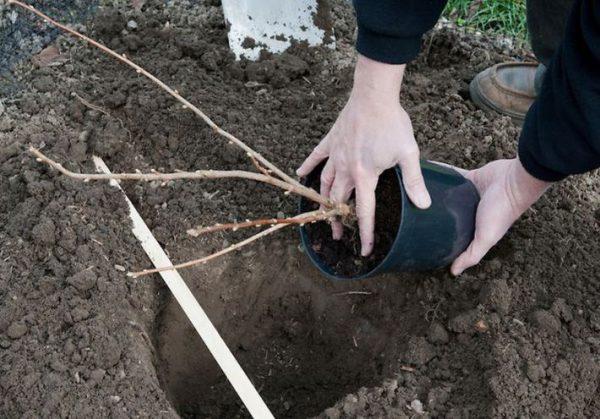 Important! It is not recommended to plant hybrid currant bushes in low-lying or marshy areas. Excessive moisture will cause the rhizome to rot and the plant to die.
Preparing the beds and planting hole
When selecting seedlings, first and foremost, pay attention to the integrity and health of the roots. Rhizomes should not be broken, dried out, or damaged. Any growths, growths, rot, or fungal manifestations are unacceptable.
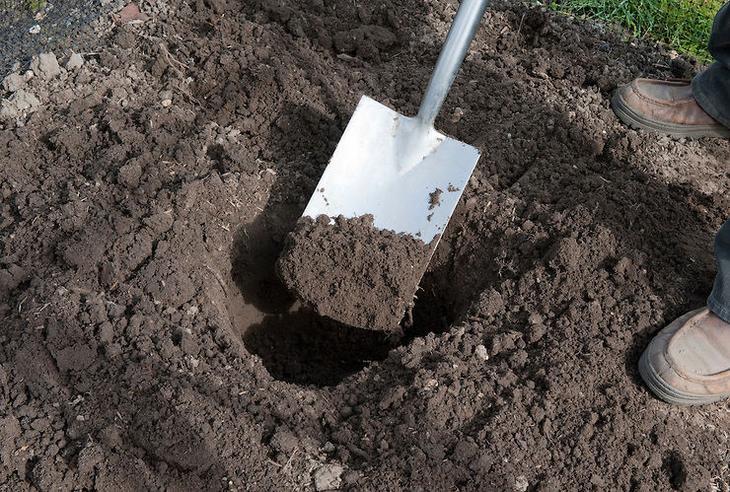
- Planting holes are dug in a prepared area with fertile soil.
- The depth and width of the holes are from 45 to 50 cm.
- The distance between plantings is from 80 cm to 1 m, between rows is 1.5 m.
- A drainage layer of broken stone or crushed rock is placed at the bottom of the hole.
- Next, add fertile soil in the shape of a small mound.
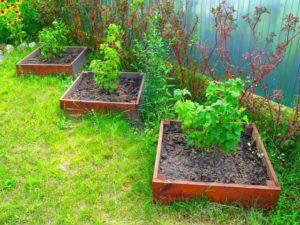
When preparing planting holes, consider the size of the mature plants. The more ventilation the berry bushes have, the lower the risk of fungal and viral infections.
Landing technology
Before planting in open ground, the roots of the seedling are soaked in warm, settled water and treated with antibacterial agents.
- The seedling is placed on top of the mound at a slight angle.
- The roots are evenly distributed in the hole and carefully covered with fertile soil, trying not to leave voids between the roots and the soil.
- The soil under the bush is compacted and watered.
After planting, the tree trunk circle is mulched with peat mixed with sawdust or straw.
Organization of competent care
For proper growth, development and fruiting, the Izumnaya currant requires timely watering, fertilizing and pruning.
Irrigation and fertilizing
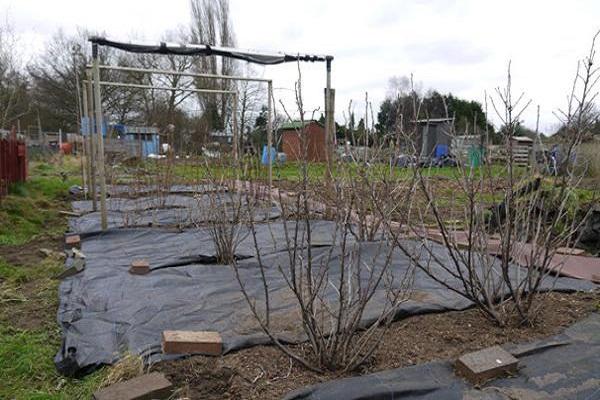
Berry bushes are watered generously in early spring and late fall. During this time, each plant should receive up to 40 liters of warm, settled water.
Watering is also important during flowering, fruit set, and berry ripening. If the summer is hot and there is no precipitation, the currants should be thoroughly moistened using a fine spray.
Although currants are drought-resistant, watering should be increased during hot weather. If the soil is well-fertilized, fertilize them twice a season using a mineral fertilizer. The first feeding is done during fruit formation, and the next application is done after harvest.
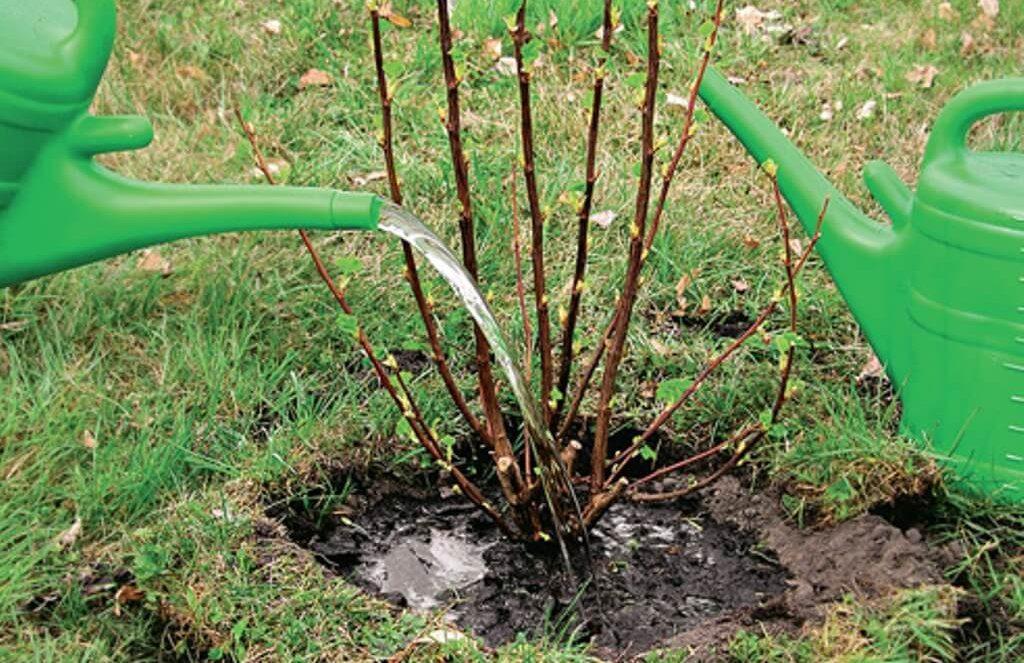 Advice! Nitrogen fertilizers are used only at the very beginning of the growing season, when the plant begins to emerge from hibernation.
Loosening the soil
If the berry plant's trunk is properly mulched, there's no need to loosen the soil. Otherwise, the soil around the bush must be regularly loosened and weeded. This allows oxygen and nutrients to reach the plant's roots more quickly.
Bush formation
Currant bush formation begins immediately after planting in open ground. Each year, 3-4 new shoots are left on the bush, pruning the tops to two buds.
In the 4th year of growth, old branches are subject to pruning by 10-15 cm. Then, all 5-year-old branches of the bush are pruned to the root.
In autumn and spring, sanitary and rejuvenating pruning of berry crops is carried out, removing all damaged, dry, frozen and broken branches and shoots.
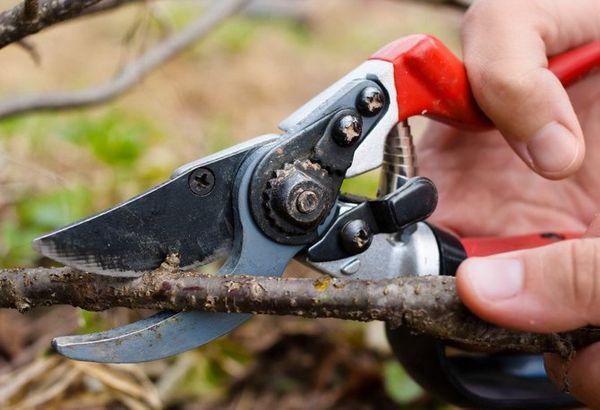 Important! To prevent the spread of disease, treat the cuts with garden pitch after pruning.
Preventive treatments
In early spring, before the growing season begins, plants are treated prophylactically against diseases and pests. This can be done using professional products or infusions based on traditional recipes.
Covering for the winter
The Izumnaya currant variety easily tolerates winters down to -35 degrees, but in some cases the berry bushes require additional insulation.
- In late autumn, mulch the area around the bush’s trunk with a thick layer of humus, dry leaves, or spruce branches.
- If a cold winter and lack of snow cover are expected, bushes up to 3 years old are additionally covered with a special fiber.
- Plants weakened by diseases and pests also require insulation.
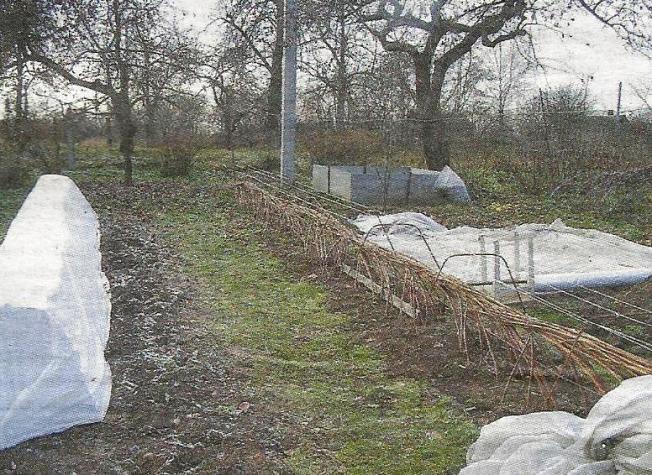
With proper and timely care, currant roots receive a sufficient amount of useful and nutritious substances for wintering, so they will survive the winter easily.
Take a look Also
Methods of reproduction
Hybrid currant Izumnaya is propagated by vegetative methods.
The easiest way to propagate and rejuvenate berry crops is to divide the bush.
- For the procedure, an adult, healthy bush is selected.
- The plant is carefully dug out of the soil and cleared of soil.
- Using a sharp knife, divide the roots into several equal parts. Each plant should retain the rhizome, leaf blades, or buds.
- The divided bushes are planted in separate holes.
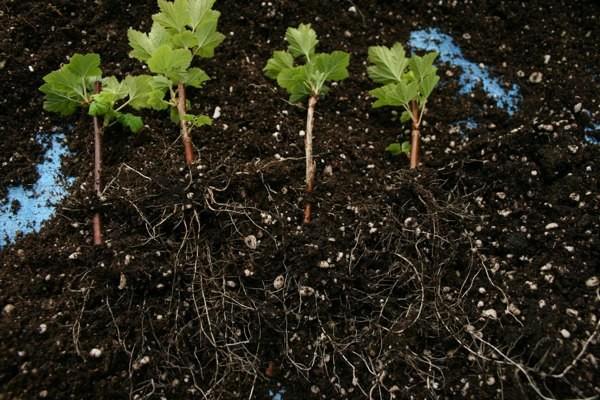
Although propagation by cuttings is not always successful for this currant variety, experienced gardeners prefer this method of obtaining new plants.
- On an adult bush, young, healthy and strong shoots are pruned.
- The shoot is divided into several cuttings, each of which should have 3-4 buds or leaves.
- The cuttings are planted in a container with fertile soil and sent to a warm place.
- In spring, rooted plants are planted in open ground.
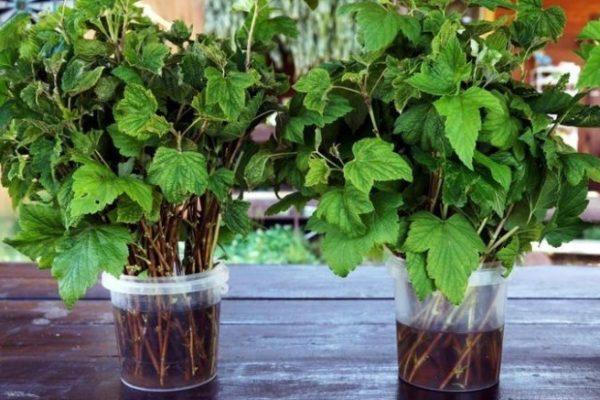
Izumnaya currants are also propagated by layering. To do this, in early summer, select 2-3 strong root shoots from a mature bush, place them on the soil surface, and secure them. The shoots are covered with soil, leaving the tip of the plant above the soil. In the fall, the layers are dug up and separated from the mother bush along with the emerging roots.
Gardeners' reviews of the variety
Viktor Stepanovich, 40 years old, Magnitogorsk
We've been growing Izumnaya currants on our plot for seven years now. The bushes are easy to care for and don't require any specific soil conditions. The berries ripen in late July and early August. We harvest some of the fruit immediately, while the rest is left until autumn, where we harvest it dried. We use dried currants all winter long; they're especially effective against colds and viruses.
Igor Sergeevich, 34 years old, Tula
We planted the Izumnaya currant about four years ago, and now we want to gradually replace all other varieties with it. Currants are completely undemanding in terms of care, watering, and fertilizing; the bushes are disease-free and rarely attacked by pests. The berries are gorgeous, both in appearance and taste. My wife makes jam, compotes, and freezes them. This currant variety can also dry out right on the bushes, turning into raisins.
Inga Petrovna, 48 years old, Simferopol
A few years ago, my husband and I bought Izyumnaya currants from a nursery. The bushes took root immediately; we planted them in the fall, so we were already harvesting our first crop of berries that summer. I'm not a big fan of black currants, but I can eat this variety nonstop. The berries are very sweet, completely tart, juicy and aromatic.
Related posts:
 20 Best Blackcurrant Winter Preserves Recipes
 Description of the best ornamental currant varieties, planting rules and care
 Description and rules for growing black currant variety Veloy
 The health benefits and contraindications of white currants
 Description of the 10 best currant varieties for the Moscow region, planting and care
 Causes and treatment of blackcurrant terry, what to do and how to combat it
 Characteristics and descriptions of the 40 best red currant varieties
 Characteristics and description of the red currant variety Jonker Van Tets