
- Causes and factors of the disease
- Signs of currant damage
- The rate of spread of the disease
- What is the danger of terry?
- How to save currant bushes
- Removing infected buds and shoots
- Treatment with boiling water
- Spraying with chemical and biological preparations
- Plant nutrition to boost immunity
- Preventive measures
- Compliance with agricultural practices
- Selecting resistant varieties
Currants grow in almost every garden and allotment. The berry is a treasure trove of vitamins, pectin, organic acids, sugar, phosphorus, iron, potassium, manganese, magnesium, and essential oils. Good growth and a bountiful harvest can only be achieved with proper care, timely pruning, and disease and pest prevention. The most damaging disease of black currants is the double leaf lump. How to recognize the disease and protect the plant is discussed below.
Causes and factors of the disease
Agronomists consider currant terry to be a dangerous viral disease spreading across the central and northwestern regions of Russia. The disease is caused by tiny particles of living protein substances—viruses that live exclusively in living organisms. Mycoplasma viruses are transmitted by insects to new bushes via pollen and juices from infected currants.
The main vector causing terry leaf spot is the bud mite. Migration of the pest begins in late May to early June. Mite migration ceases during flowering and fruiting. The migration period lasts from 14 to 60 days, during which time the mites are carried throughout the garden by strong gusts of wind, animals, birds, and insects.
The following are also considered to be factors that provoke terry growth:
- aphid;
- plant-eating bug;
- spider mite.
Mycoplasma viruses are frost-resistant and can survive the cold in infected shoots. After exiting the insect's body, it migrates to the affected currant plant. Double-flowered currants can develop when planting poor-quality material, grafting infected cuttings onto healthy plants, or pruning berries with dirty, uncleaned pruning shears.
Signs of currant damage
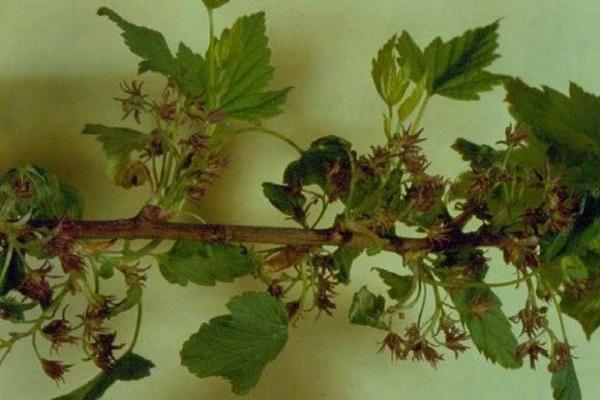
First, the bushes are carefully inspected. Gardeners should be alert to the following symptoms of possible double-flowering:
- changing the shape of the leaves from five-lobed to three-lobed;
- elongation of the shape of leaves and shoots, disappearance of small veins;
- absence of characteristic odor of the berry;
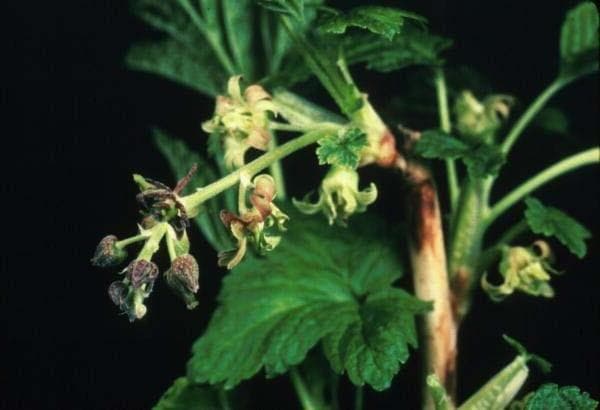
- modification of leaf blades, color and shape of flowers;
- absence of fruits;
- At the first stage of doubleness, the flowers are fiery red, then they become lilac-violet;
- flower petals of healthy currants grow together, while those of infected ones separate;
- the pistil becomes thin and long;
- The stamens, petals, and sepals are covered with narrow scales, making them look like terry flowers.

Flowers dry out quickly, berries are absent, or the fruit and leaf segments become deformed. When the shrub is completely infested with terry, additional shoots begin to develop at the tips of branches, thickening the foliage.
Tracing the onset of terry leaf disease is difficult, as it tends to develop in a latent form. The first symptoms of terry leaf disease can be observed several years after infection.
The above signs will help gardeners recognize something is wrong and begin treating black and red currants. The situation can be exacerbated by hereditary leaf differences. Initially, a few branches are affected, and symptoms are subtle. Because the diseased areas are hidden among healthy branches, diagnosis is difficult.
The rate of spread of the disease
During the first few years, shoots infected with terry blight merge with healthy ones. The virus then enters the vascular system, infecting the bush. This leads first to partial, then complete terry blight and crop destruction. Terry blight progresses slowly, masking its symptoms while rapidly spreading throughout the currant plant.
Double growth appears 2-3 years after infection on individual branches. Sometimes, in hot, dry weather, after fertilizing, the currants begin to revive. This is a false sign, as the pathogens do not disappear; they attack the plant again within 1-2 years.
What is the danger of terry?
Blackcurrant terry disease significantly damages crops. Once infected, 50-95% of the harvest is destroyed. The gradual progression of the disease leads to a gradual decline in productivity. Introducing the virus into the garden via planting material can result in complete sterility.
The only source of terry leaf spot is infected shrubs. These must be removed, pruned, and treated.
How to save currant bushes
Terry leaf spot is insidious, with symptoms difficult to recognize in the early stages. Agronomists have not yet discovered a universal treatment or method for eliminating viral and mycoplasmal diseases.
During the active phase of the disease, the bush cannot be saved by chemical or biological treatments. The infected plant must be dug up immediately, as even drastic pruning will not save it.
Protecting currants immediately after planting is crucial; this helps prevent infection. Sanitary pruning is essential each season, removing young shoots.
Removing infected buds and shoots
When inspecting currants for terry mite infestation in early April and during flowering, it's important to monitor the buds and shoots. Affected buds are enlarged, swollen, and deformed. This is caused by the large number of overwintering mites within them—a single bud can contain up to 2,500-3,000 mites and their larvae.
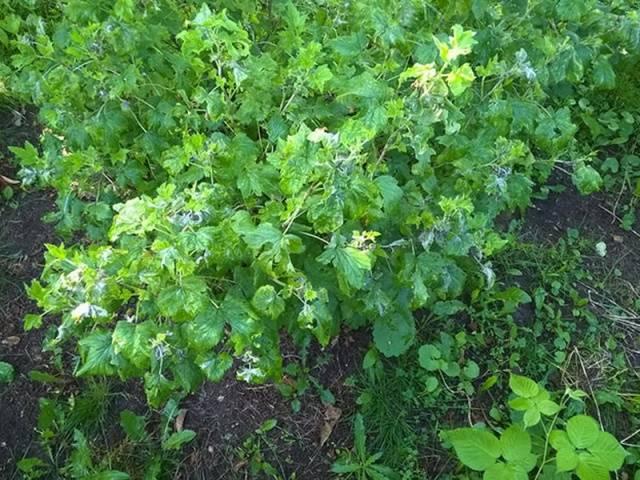 Affected areas are pruned and burned. Infected shoots are removed before the buds begin to open. After buds open, the mites migrate to nearby plantings.
Treatment with boiling water
Combating terry currants involves pouring boiling water over the currants. This is done when the soil is still calm and cool, and the buds have not yet swollen. The ideal time for this procedure is late February to early March. Before scalding, the plants are pruned.
If dark spots appear at the cut site, the currant bush is trimmed back to the healthy trunk, and the affected parts are burned. All branches should be tied before the procedure. Water the currant bushes evenly using a watering can.
The water should not exceed 70-80°C. After boiling, pour the water into a watering can, allowing it to cool to the desired temperature. This eliminates the risk of burning the plant, but all pests, eggs, and larvae are killed instantly. A bucket of boiling water is enough for 2-3 shrubs.

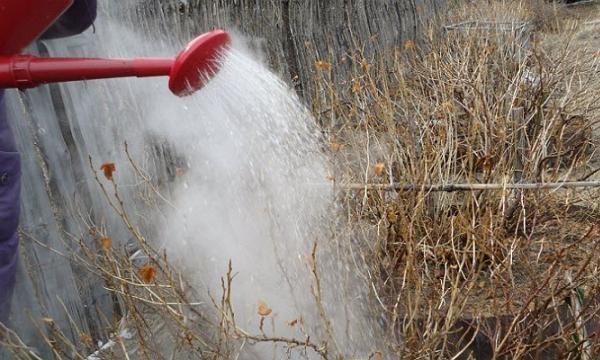
This simple procedure protects currants from colonies of mites that cause currant berry rot and other insects, and destroys the microspores of pathogenic bacteria. Pouring boiling water will increase the berries' resistance to environmental factors, promoting a higher yield.
By adding copper sulfate or potassium permanganate to the water, you can enhance the solution's antimicrobial and antifungal properties. This mixture will kill not only terry but also powdery mildew.
Spraying with chemical and biological preparations
You can fight kidney mites with the help of preparations such as:
- colloidal sulfur;
- lepidocide;
- bitoxydacillin.
The initial spraying is carried out during the insect migration period, during bud formation. A secondary spraying is carried out after the currants have finished blooming. Additional treatments are possible after the berries are picked.
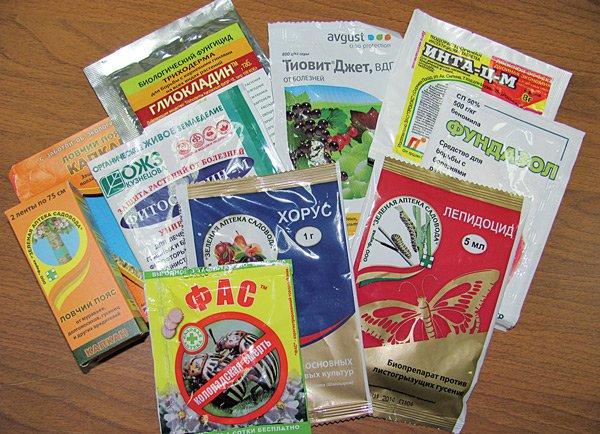
If the bushes are severely affected, they are treated with chemicals such as:
- Akarina;
- Fufanon;
- Fitoverma.
The mixture must be diluted with water according to the manufacturer's instructions, strictly observing the dosage.
Plant nutrition to boost immunity
Weakened, diseased bushes are at a higher risk of infection. By following proper agricultural practices and strengthening the currant's immune system, you can prevent the currant plant from developing double flowers.
Bushes can withstand adverse conditions with potassium and phosphorus fertilizers. Fertilizing currants with mixtures containing molybdenum, boron, and manganese is effective. Immune-boosting preparations have proven effective.
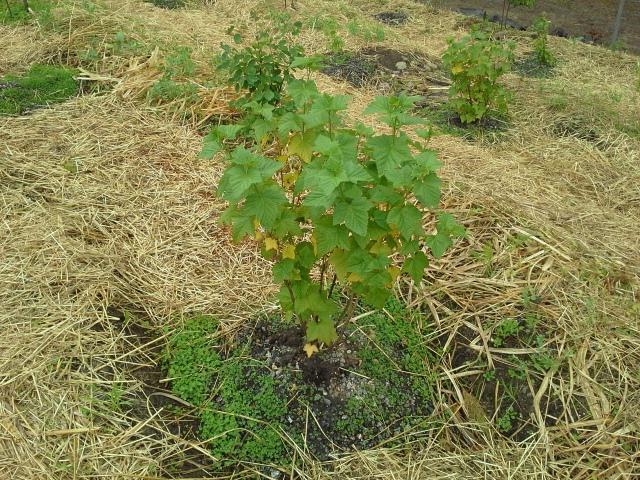 Gardeners use compost or grass clippings as fertilizer and mulch. It's important to remember to fertilize with nitrogen-potassium mixtures.
Preventive measures
You can protect currants from terry growth using preventative measures:
- It's essential to purchase and plant healthy seedlings. When selecting seedlings, carefully inspect them for any initial symptoms. It's best to purchase seedlings from a reputable garden center or nursery.
- Observe quarantine measures. Careful monitoring of the seedling for 3-4 years can prevent terry. It is recommended to plant new currants away from other plantings.
- Organize your mother plants properly. When creating mother plants, leave 1-2 fruiting branches on the parent plant. This will help determine the presence or absence of disease.
- Properly harvest cuttings. They should be taken only from uninfected currants that have shown no signs of infection for four years. It is strictly not recommended to use cuttings from one-year-old plants. Each cutting should be heat-disinfected by soaking them in hot water for 15-20 minutes.
- Choose varieties with high resistance to terry. To date, no varieties have been bred that are 100% resistant to infection.
- Regularly inspect the plantings and destroy any diseased bushes. Pruning individual branches will not protect the currant bush from the disease. If the virus penetrates the tissue, the bush must be immediately dug up and burned. It is not recommended to replant currant bushes in the same location for the next five years.
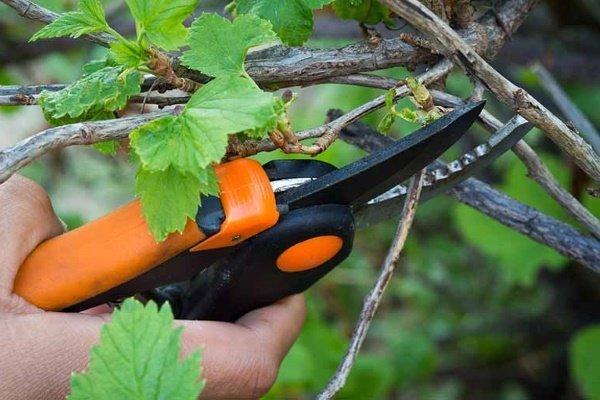
- Conduct proper pruning. Excessive pruning causes basal shoots to grow vigorously. Young shoots are quickly attacked by virus carriers. Perform sanitary pruning in early April. Disinfect the pruning shears after each bush.
Sometimes, even with professional care, it's impossible to prevent a terry weed infestation. In this case, the plant must be destroyed.
Compliance with agricultural practices
The seedlings must be healthy; under no circumstances should suspicious planting material with the slightest signs of disease be used.
At the initial stages of terry growth, the plant is cut off; if the pathology spreads further, the currant is uprooted and burned.
It's essential to protect the shrub from aphids, bugs, and mites, and spray with acaricidal agents. It's also crucial to provide the plant with comprehensive care, including regular watering, soil tillage, loosening the soil, weed removal, and fertilizing.
Selecting resistant varieties
For home growing, it's recommended to plant currant varieties with high resistance to fungal and viral diseases. Resistant currants are categorized by region:
- Binar is suitable for the Northern region; it ripens in mid-summer;
- For the Central region, early varieties include Golubichka, Dara Smolyaninova, Gulliver, Izyumnaya, Moskovskaya, and Nara. Mid-season varieties include Sensei, Veloy, Orlovia, Orlovskaya Serenada, and Smuglyanka. Lentyai is considered a late-ripening currant.
- for the North-West District, the mid-early varieties Dachnitsa and Peterburzhenka are suitable;
- in the Volga-Vyatka region they plant Nester Kozina, Globus, Podarok Kuzinovu, Yadernaya, Arkadiya;
- Varieties such as Gamma and Temptation are suitable for the Central Black Earth region;
- In the North Caucasus District, Biryulevskaya and Pamyat Lisovenko are planted;
- For the West Siberian region, currant varieties such as Glarioza, Berdchanka, Vasilisa, Kanakhama, Lama, and Garmoniya are suitable;
- In the East Siberian region, Otradnaya, Selenga, Berezovka, Voroninskaya, and Minusinskaya sweet currants are planted.
Agronomists recommend giving preference to varieties with high resistance to bud mites, since this is the one that tolerates terry.
Related posts:
 20 Best Blackcurrant Winter Preserves Recipes
 The health benefits and contraindications of black currants
 Description and rules for growing black currant variety Veloy
 The health benefits and contraindications of white currants
 Description of the best ornamental currant varieties, planting rules and care
 When is the best time to plant currants to get a good harvest?
 Characteristics and descriptions of the 40 best red currant varieties
 Red currant health benefits, properties, and contraindications