
- The history of currant breeding in Vologda
- Characteristics and description of the bush
- Habitat
- Bush and fruits
- Tasting evaluation of berries and their scope of application
- Immunity to diseases
- Resistance to frost and drought
- Advantages and disadvantages of culture
- Planting technology
- Optimal timing
- Site preparation
- Selecting a seedling
- Layout and distance between bushes
- Step by step process
- Care instructions
- Watering
- Top dressing
- Soil cultivation
- Trimming
- Protecting currants from pests and diseases
- Harvesting and storage
- Gardeners' reviews of the variety
The Vologda currant variety is a popular plant grown by many gardeners. It boasts excellent flavor and high yields. To achieve good results, it requires comprehensive care. This includes timely irrigation, fertilization, and pruning. Disease and pest control are also crucial.
The history of currant breeding in Vologda
Vologda is considered one of the best blackcurrant varieties bred in Russia. It was developed at the All-Russian Scientific Research Institute of Fruit Growing (VSTISP) by crossing the Breedtorp and Compact varieties by breeders V. M. Litvinova and A. N. Zarubin. Vologda currant was added to the State Register of the Russian Federation in 1995.
Characteristics and description of the bush
This plant has a number of distinctive characteristics, which is why it is often chosen by gardeners for growing in their gardens.
Habitat
The plant is recommended for cultivation in the northwestern regions and central Russia. It is also widely planted in the Far East and the middle Volga region.
Bush and fruits
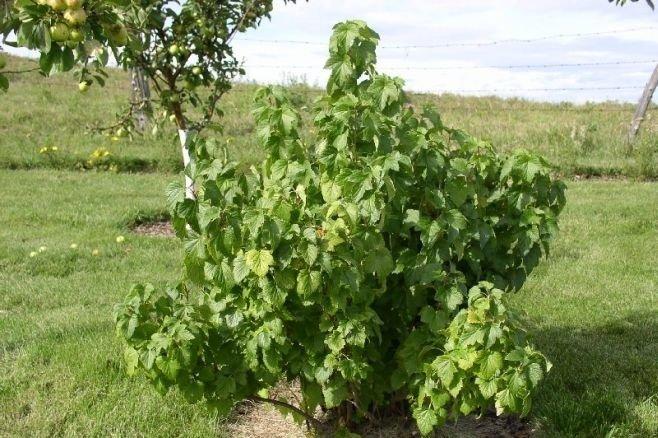
This variety is characterized by spreading bushes. They are medium-height and dense. Young shoots are light green and have a curved tip. Woody branches have a distinctive curve and a gray-brown hue.
The leaves are five-lobed and can be large or medium-sized. The foliage has a green tint and a matte surface. The petioles are medium in length and thickness.
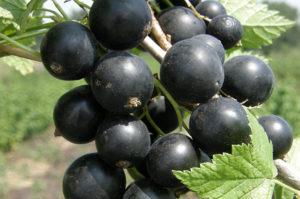
The plant's flowers are medium-sized and cup-shaped. They have a yellow-green hue. The clusters reach 10 centimeters and are of medium density. Each cluster bears seven berries, weighing 1.7-3 grams. The fruits are oval in shape and contain a medium number of seeds.

Tasting evaluation of berries and their scope of application
Blackcurrants have a high tasting score of 4.5 points. They contain 8.1% sugars. 100 grams of berries contain 137.8 milligrams of ascorbic acid. Blackcurrants of this variety are distinguished by their versatility. They are used to make baked goods, preserves, jams, fruit drinks, jellies, and compotes.
Immunity to diseases
The Vologda currant has excellent immunity, making it resistant to diseases and pests. The plant is virtually immune to powdery mildew, bud mites, and other problems.
Resistance to frost and drought
The shrub is characterized by unique frost resistance, allowing it to be cultivated even in northern regions. The plant tolerates dry weather well. However, in summer, it is recommended to increase the frequency of watering.
Advantages and disadvantages of culture
The main advantages of the plant include the following:
- Strong immunity. The crop adapts to any climate.
- Good frost resistance. The plant easily tolerates even significant temperature drops.
- Undemanding in terms of soil composition, with the exception of rocky and marshy soil.
- Resistance to major diseases and pests.
- Excellent transportability. If harvested correctly, the fruits can be stored for a long time.
- Versatility. Berries can be eaten fresh or processed. They can be cooked, frozen, or canned. All of these preserve the maximum nutritional value.
The variety's drawbacks include uneven ripening. As a result, the berries may crack when overripe. Another drawback is the plant's very spreading crown, which takes up a lot of space in the garden.

Planting technology
To ensure normal development of currants and a bountiful harvest, it is necessary to carry out planting work correctly.
Optimal timing
It's recommended to plant the plant starting in October. If frosts occur earlier in the region, the planting date shifts to mid-September. Blackcurrant roots have no dormant period.
If planting is carried out in the fall, the plant has time to take root.
Currants can also be planted in the spring. This is done in March or April. The soil should be slightly warmed. It's important for the buds to swell but not open.

Site preparation
It's recommended to thoroughly dig over the area where currants are planted, removing any weeds and debris. Keep in mind that currants do not thrive in highly acidic soil. Lime can help alleviate this problem.
It is recommended to take 0.6-0.8 kilograms of the product per 1 square meter.
Next, dig a planting hole or trench. It should be 40 centimeters deep and 55 centimeters in diameter. Add half a bucket of compost and the same amount of rotted manure to the bottom. You'll also need 180 grams of superphosphate and 40 grams of potassium sulfate.
Selecting a seedling
For rooting, it's recommended to use 2-year-old seedlings. Be sure to pay close attention to the plant's root system. It should contain 2-3 main rhizomes and numerous branched, thread-like roots. The total length should be at least 15 centimeters.

Layout and distance between bushes
When planting a plant, it is recommended to maintain a certain distance between it and other objects:
- Currant bushes are considered spreading. They take up a lot of space. Therefore, the minimum distance between plants should be 1.5 meters.
- Blackcurrant bushes can be used to create a hedge. For this purpose, it's recommended to plant the bushes along a fence at a distance of 1.5 meters.
- In large areas, plants are planted in rows. Because the bushes grow extensively, the distance between rows is 2.5 meters.
- Bushes can be planted next to fruit trees. However, the distance between young plants should be at least 2 meters.
Take a look Also


Step by step process
When planting a plant, it is recommended to do the following:
- Dig the area to a depth of a shovel blade. Remove any weed roots and large stones.
- Make a hole with a diameter of 50 centimeters.
- Pour a bucket of water into the hole. Once it's absorbed, make a mound at the bottom.
- Place the currant seedling at a 45-degree angle. Spread the roots over the mound and cover with soil. Firm the soil around the plant with your hand. Do this carefully to avoid damaging the roots.
- After planting, it is recommended to pour 4 buckets of water into the hole. Cut the seedling in half. For currants with strong roots, trim off a third of the top. This will ensure vigorous growth.
- Create a mound of soil around the seedling. Cover the hole with mulch, which should consist of sawdust or peat.

Care instructions
For the crop to thrive, it requires high-quality care. This will help produce a bountiful harvest and large fruits.
Watering
The plant needs to be watered infrequently. However, it is recommended to use at least 40 liters of water at a time. The soil should be moistened during flowering and after the leaves have fallen. If the soil is low in moisture, it should be watered in early spring. During dry summers, increase the frequency of watering. It is important that the water reaches a depth of at least 40 centimeters.
Top dressing
Blackcurrants require fertilizer. It is recommended to apply it in the third year after planting:
- in autumn, after the leaves have fallen, 3 kilograms of organic fertilizers are added under the bush;
- Every year, mineral preparations are added along with organic agents: 15 grams of potassium and 30 grams of phosphorus and nitrogen;
- during the ripening period of the fruits, a solution of 10 grams of potassium and 40 grams of superphosphate should be poured under the bush;
- In spring, during the flowering period and after harvesting, urea is used - 40 grams of the product is used per bush.

Soil cultivation
The soil around the bushes should be weeded and loosened. It is then recommended to sprinkle it with wood ash or dry fertilizer. Compost is used as mulch. This prevents moisture evaporation, soil compaction, and weed growth.
Trimming
The plant should be pruned for the first time immediately after planting. By autumn, five shoots should appear, each about 45 centimeters long. New shoots will appear the following year. It is recommended to prune all weak branches.
In the third year, last year's shoots begin to bear fruit. Older branches also bear fruit, but they should be pruned in the fall. Subsequently, the pruning cycle is repeated annually. A mature bush should have 10-15 fruiting branches.


Protecting currants from pests and diseases
Blackcurrants can be susceptible to anthracnose. This disease causes small brown spots to appear on the leaves. These spots eventually dry out and fall off. Bordeaux mixture can help prevent this problem. Apply it before bud break.
The plant is also susceptible to cup rust. As the disease progresses, yellow pads appear on flowers, ovaries, and leaves. In this case, the leaves and shoots of the plant should be treated with Bordeaux mixture.
This is done in three stages: during leaf unfolding, during bud formation, and after flowering. If the bush is severely affected, another treatment is performed after two weeks.

Bud mite attacks cause swelling of the buds. Chemical treatments are ineffective in this situation. To combat the pests, it is recommended to destroy the damaged areas immediately. The plant can also be damaged by glassworms. A solution based on onion peels, wormwood extract, and pine needles will help combat the parasite.
Harvesting and storage
This plant is considered a mid-season variety. It begins blooming in late spring, with the fruits ripening by mid-summer. Harvesting continues until autumn. Each bush produces approximately 4 kilograms of currants per season. The fruits are highly transportable.
At room temperature, currants can be stored for several days. After that, they become soft and rot. To preserve currants for a longer period, they can be frozen, mashed with sugar, or dried.

Gardeners' reviews of the variety
Numerous reviews of the plant testify to its popularity:
- Maria: "I bought a 'Vologda' bush from a nursery. I can say it produces sweet but small berries. I read that proper care can help overcome this problem. I'll try fertilizing the plant next year."
- Andrey: "I planted a 'Vologda' currant bush several years ago. I'm very pleased with the results. The plant is an excellent yielder and produces sweet berries."
Vologda currant is a popular plant that produces a bountiful harvest and boasts excellent flavor. To achieve good results, it requires proper care.
Related posts:
 Characteristics and descriptions of the 40 best red currant varieties
 The health benefits and contraindications of black currants
 Description and rules for growing black currant variety Veloy
 Methods for planting and propagating cherries at home
 Description of the 10 best currant varieties for the Moscow region, planting and care
 20 Best Blackcurrant Winter Preserves Recipes
 The health benefits and contraindications of white currants
 Step-by-step instructions for planting, caring for, and growing red currants