
- What pests and diseases are currants susceptible to?
- Preventive treatment of bushes: timing
- In the spring
- In summer
- In the fall
- Specifics of drug application
- Before bud swelling
- When the first leaves appear
- Before flowering
- During the fruiting period
- After harvesting
- The best remedies for currant control and treatment
- Biological agents
- Trichodermin
- "Dendrobacillin"
- Fitop
- Insecticides
- Fungicides
- Bordeaux mixture
- Copper sulfate
- Chemicals
- Kilzar
- Anometrin-N
- "Preventive MKE"
- Aktara KS
- "Topaz"
- Folk recipes
- Onion-garlic liquid
- Birch tar solution
- Pouring boiling water over
- Crushed tobacco and ash
- Safety precautions
- Result
Gooseberry varieties are often attacked by insects, so it's important to know how to treat currants after harvest to prevent diseases and pests. By following these recommendations, gardeners can not only increase their yield but also maintain the health of their crops.
What pests and diseases are currants susceptible to?
Currants are susceptible to diseases. Common currant diseases include:
- Anthracnose manifests as red spots on leaves. Symptoms appear in midsummer, and red currant varieties are most often affected. This fungal disease spreads quickly among bushes.
- Double currant leaf spot is most common in blackcurrant varieties. It is caused by a bud mite that attacks the crop, causing the leaves and shoots to mutate.
- The currant glassworm is a caterpillar-like pest that overwinters on shoots. The caterpillars hatch into moths, which quickly lay their eggs in the bark of healthy bushes.
- Formation of bugs on currants - the berry bug appears on currants and sucks out the juices, which leads to the death of the plant.
- Scab is an infectious disease that damages leaves and shoots. It appears as dark spots that rapidly enlarge.
- Marginal necrosis—the plant's leaves die and fall off. The disease is caused by excessive chlorine in the soil.
- Brown spot - appears as brown spots on the leaves.
- Septoria is a fungal disease that affects fruits and leaves and appears as small brown spots.
- Goblet rust - appears as bright yellow spots on leaves, which gradually wither and fall off.
- Powdery mildew causes a white coating on leaves and shoots. It reduces plant growth and eventually leads to death.
- The currant leaf roller is an insect that damages leaves and entangles them in a web, causing the death of young shoots and foliage.
- Aphids are small insects that feed on the sap of young shoots and leaves. They form in large numbers and quickly destroy crops.
- Berry sawfly - damages fruits and causes rot.
Currants can be susceptible to a wide range of diseases and pests. Therefore, it's important to regularly inspect your crops for symptoms.
Preventive treatment of bushes: timing
To reduce the risk of infection on currant bushes, preventative treatments are necessary. Spraying is mandatory in May before bud break and in July.

In the spring
Spring treatment begins after the snow melts. This is the time to get rid of the larvae, which overwinter in the bark of the bush. The second spraying is carried out in May before bud break.
In summer
Summer treatment is carried out after harvest, usually in August. This treatment is necessary to prevent pests from laying eggs. Summer treatment also reduces the risk of disease.
In the fall
Treating currants in the fall is essential to remove bacteria and pests. This procedure is performed before preparing the bush for winter.

Specifics of drug application
When processing currants, it is necessary to observe a certain period when chemicals do not harm the plant.
Before bud swelling
During this period, bushes are treated to remove pests that overwinter in the bark and deep soil layers. Spraying with chemicals does not harm the plant.
When the first leaves appear
Young leaves are a delicacy for pests. Therefore, to maintain the health of the bush, treatment is necessary.
Before flowering
Spraying currant bushes before flowering is a preventative measure to prevent diseases caused by fungal spores and pests. No treatment is needed during flowering.

During the fruiting period
Using specialized products during the fruit ripening period helps prevent spoilage. Properly selected products do not affect the taste of the berries. Timely treatment will preserve the berries and prevent fungal infections. Treatment is carried out several weeks before full ripening.
After harvesting
Post-harvest treatment reduces the risk of larvae and fungus persisting into winter. Some diseases are resistant to low temperatures.
The best remedies for currant control and treatment
There are a large number of preparations available for sale that can be used to treat black and red currants.
Biological agents
Spraying with biological products reduces the risk of negative impacts from the product's components on crops. Biological products are used not only against pests but also to prevent various diseases.
Trichodermin
The product is used to prevent infectious diseases on currants. It removes fungal spores and does not harm the plants. For spraying, dilute the product at a ratio of 20 grams per 5 liters of water.
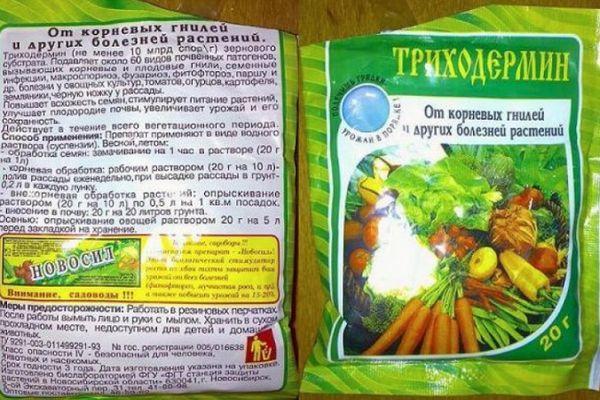 Important: This product should not be used in combination with mineral fertilizers or other chemicals.
"Dendrobacillin"
This powder is used to treat currant bushes against pests. To use, dilute 60 grams of powder in 10 liters of water. Apply the product several times, leaving at least 10 days between applications.
Fitop
This versatile product combats not only pests but also disease-causing bacteria. Another advantage of this substance is that spraying it promotes plant growth and improves soil conditions. The product is non-toxic and should be diluted strictly according to the instructions.


Insecticides
These products contain toxic substances and are used to remove pests from bushes. These treatments can be applied several times per season. Among the most commonly used are:
- "Microcin";
- "Zinoff";
- "Actellic";
- "Aktara";
- "Bazudin".
The preparations are effective against adult insects and their larvae.
Fungicides
These medications are aimed at eliminating diseases. Most often, these remedies are considered universal and are used to treat various ailments. These medications include:
- "Vitaros";
- Vectra;
- "Discor";
- "Maxim";
- "Fundazol";
- "Topaz".
Most often, fungicides are used to remove fungal infections on plants.
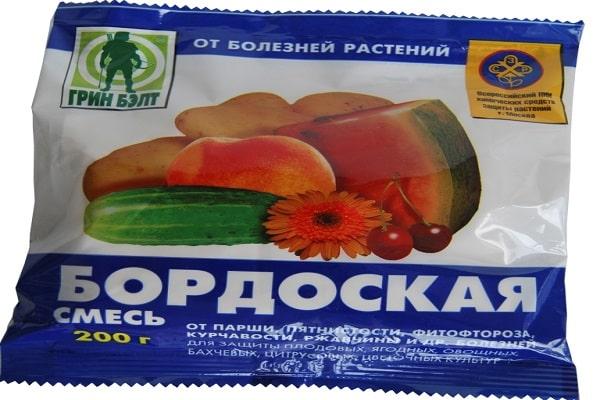
Bordeaux mixture
Spraying with Bordeaux mixture helps eliminate pests and reduce the risk of disease. The advantage of this treatment is its universal application to all types of garden crops. The product eliminates fungal and infectious diseases without affecting fruit quality.
Copper sulfate
This product is often used to care for currants. It is suitable for all types of currants. The dosage is determined depending on the size of the bush. It can also be used as a preventative measure against diseases and pests.
Chemicals
Chemical spraying of currants is recommended when there are large infestations of pests and disease symptoms. Unlike other treatments, chemicals quickly eliminate the problem, but are not suitable for frequent use.
Kilzar
Used to remove pests and their larvae. The product is effective against bugs, caterpillars, and other insects. It can also be used as a preventative measure during the active growth period.
Anometrin-N
It is used for all types of currants, but most often for blackcurrants. The product is produced in large quantities and can be used for all garden crops. Currants can be sprayed 3-4 times per season without harming the berries.
"Preventive MKE"
The advantage of this product is its oils, which remain on the plant even after rain. These substances inhibit the pests and prevent their reappearance. Also, if the solution comes into contact with an insect, it can gradually cause its death by corroding its soft tissue.
 Important: The working solution must be used immediately after preparation; the shelf life of the composition is no more than 1 hour.
Aktara KS
This is a contact product. It affects the pest by ingestion. It paralyzes insects and prevents their further reproduction. To be effective, all bushes must be treated. However, it is important to note that insects may develop immunity with frequent use.
"Topaz"
The product is versatile, has a comprehensive effect, and eliminates a wide range of diseases. It is recommended for use in the spring to eliminate spores and bacteria that persist over the winter.
Folk recipes
If a gardener does not want to use chemicals to control pests and diseases, folk methods are often used.
Onion-garlic liquid
An infusion of onion and garlic has a negative effect on pests that appear on currants. This is due to its pungent odor. To prepare the infusion, chop a medium-sized onion and garlic. Add the mixture to a liter of water and let it steep for 24 hours. Strain the solution and dilute it with a bucket of warm water. To remove pests, thoroughly spray the currant bushes after sunset. If necessary, repeat the procedure after 5 days.

Birch tar solution
You can use tar soap or concentrated birch tar. To prepare the working solution, dilute 100 grams of the substance in 10 liters of water. To remove the tar, spray the bushes with the solution, repeating the process if necessary.
Pouring boiling water over
This method is used in early spring, before the buds begin to open. A bucket of boiling water is poured into a watering can and sprayed onto the bush. To prevent damage to the roots, they must be covered. This method removes all pest larvae and eggs hidden in the bark of the bush.

Crushed tobacco and ash
You can purchase tobacco dust and wood ash at specialty stores. Mix the two in equal parts (100 grams each) and add them to a bucket of water. Mix thoroughly and let the mixture steep for several hours. Afterward, water the currant bushes. This method not only fertilizes but also prevents potential diseases and pests.
Safety precautions
In order to avoid harm to the plant and the health of the gardener, it is necessary to follow the following rules:
- treat the bushes with a fresh solution;
- do not increase the dosage unless there are recommendations to do so in the instructions for use of the drug;
- spray only after sunset, otherwise burns may occur;
- processing of bushes with berries is carried out 1 week before full ripening;
- When treating bushes, you must wear special clothing;
- After spraying, the fruits are not eaten.
If the working solution comes into contact with the skin or mucous membranes, rinse the area with clean water.
Result
Currants are often infested with pests, especially when gardeners don't provide proper care. To reduce crop losses, it's important to take timely measures, including treating them with special pesticides.
Related posts:
 When is the best time to plant currants to get a good harvest?
 20 Best Blackcurrant Winter Preserves Recipes
 5 easy ways to propagate currants with cuttings in summer
 Step-by-step instructions and timing for replanting currants
 Description and rules for growing black currant variety Veloy
 The health benefits and contraindications of white currants
 Characteristics and descriptions of the 40 best red currant varieties
 How to propagate and grow peas, cultivation technology, and care in open ground