
- The history of currant breeding in Selechenskaya
- What is the difference between the Selechenskaya and Selechenskaya-2 varieties?
- Pros and cons of planting on a plot
- Characteristics and description of plants
- Bush and root system
- All about flowering and fruiting of the variety
- Frost and drought resistance
- Immunity to diseases and insects
- How to plant a crop on a plot
- Preparing the site and planting hole
- Selection of seedlings
- Optimal timing and planting pattern for bushes
- Step by step process
- What can be planted nearby?
- Further care
- Watering by seasons
- How to fertilize berry crops
- Loosening and mulching the soil
- Sanitary and formative pruning
- Preventive treatments
- Do I need to cover it for the winter?
- Gardeners' reviews of the variety
For most gardeners, blackcurrants are the primary fruit crop. These healthy and delicious berries possess healing properties not only when eaten fresh but also when processed. Breeders have developed many different varieties of this fruit crop, but none can compare to the properties and characteristics of the Selechenskaya currant. This variety has gained popularity throughout Russia and neighboring countries.
The history of currant breeding in Selechenskaya
The Bryansk Lupine Research Institute has given the world a multitude of diverse and unique varieties of fruit trees and shrubs. Academician A.I. Astakhov made a particularly significant contribution to the development of Russian breeding. Thanks to his many years of work, a unique currant variety called Selechenskaya was developed in 1993.
The scientist set himself the goal of developing an entirely new, cold- and disease-resistant, high-yielding fruit variety with excellent flavor. But even after achieving a nearly perfect fruit crop, the scientist did not abandon the project, and soon the Selechenskaya 2 currant variety was born, surpassing its predecessor in its properties and some characteristics.
Fruit crops are recommended for cultivation in regions with a temperate climate and northern latitudes.
What is the difference between the Selechenskaya and Selechenskaya-2 varieties?
To choose between two unique fruit varieties for cultivation, it's important to understand their differences. Let's start with the fact that the Selechenskaya 2 blackcurrant variety was developed through selective breeding as an improved version of a previous experiment.
The Selechenskaya 2 currant is more tolerant of low temperatures, fungal and viral infections, and is highly drought-resistant and productive. The variety's other characteristics are identical to its predecessor, and the cultivation and care guidelines are identical.
Pros and cons of planting on a plot
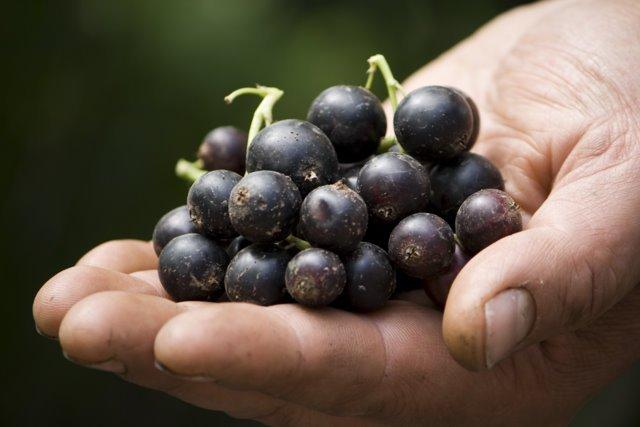
Both varieties of blackcurrant are considered versatile. Ripe berries are recommended for fresh consumption, as this is when the body receives the greatest amount of vitamins and nutrients, which are so abundant in blackcurrants.
But to grow healthy and fruitful plants, you need to know all the pros and cons of this berry variety.
Advantages:
- Both varieties of currants are resistant to both sub-zero and elevated temperatures.
- Unusual for a berry crop, the sweet taste and large size of the berries.
- Excellent immunity to most fungal and viral infections.
- High annual yields.
- Ripe berries hold firmly to the branches and do not fall off.
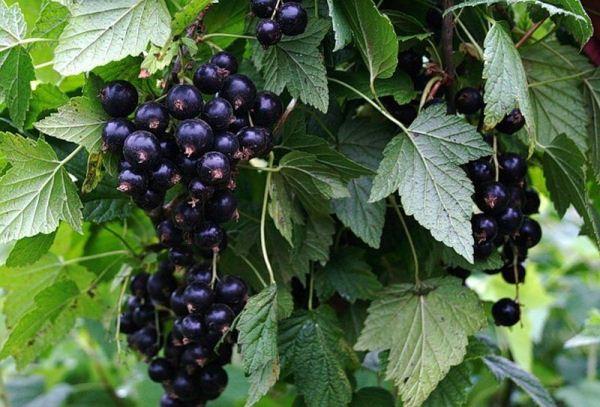
The harvested fruits can retain their marketable appearance for up to 2 weeks and easily withstand long-distance transportation.
The disadvantages of the Selechenskaya currant variety include its demand for watering and fertilizing.
Note! Blackcurrants are among the highest-quality berries and fruits in terms of vitamin C, or ascorbic acid. And not only the berries but also the leaves have beneficial properties.
Characteristics and description of plants
The Selechenskaya blackcurrant variety has been a favorite among gardeners, farmers, and vegetable growers for many years. This berry is successfully cultivated both commercially and in private gardens.
Bush and root system
This hybrid currant variety grows from 1.5 to 1.9 meters tall, with straight, grayish branches. The leaves are medium-sized, matte, dark green, and serrated along the edges.
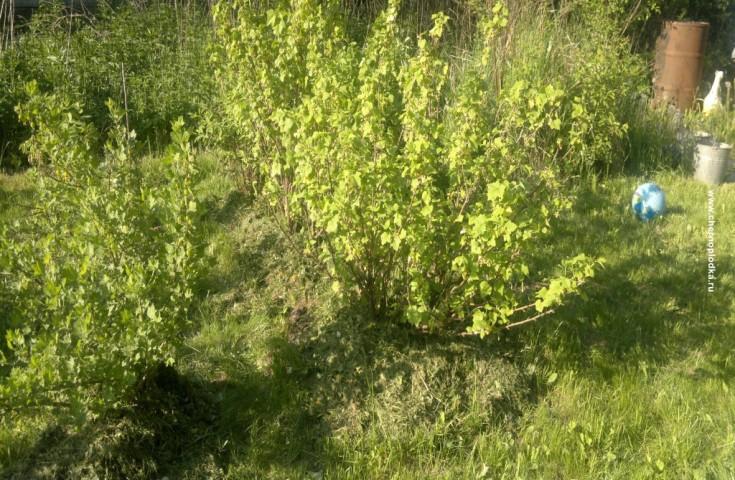
The fibrous, superficial root system consists of two main shoots up to 20 cm long and numerous small subsidiary shoots. Due to the close proximity of the rhizomes, these shrubs require watering and fertilizing. During low winter temperatures, the plant's roots require additional insulation.
All about flowering and fruiting of the variety
The Selechenskaya currant enters the flowering phase in mid-May. The bushes produce clusters of 8 to 12 white flowers, which then develop into berry ovaries.
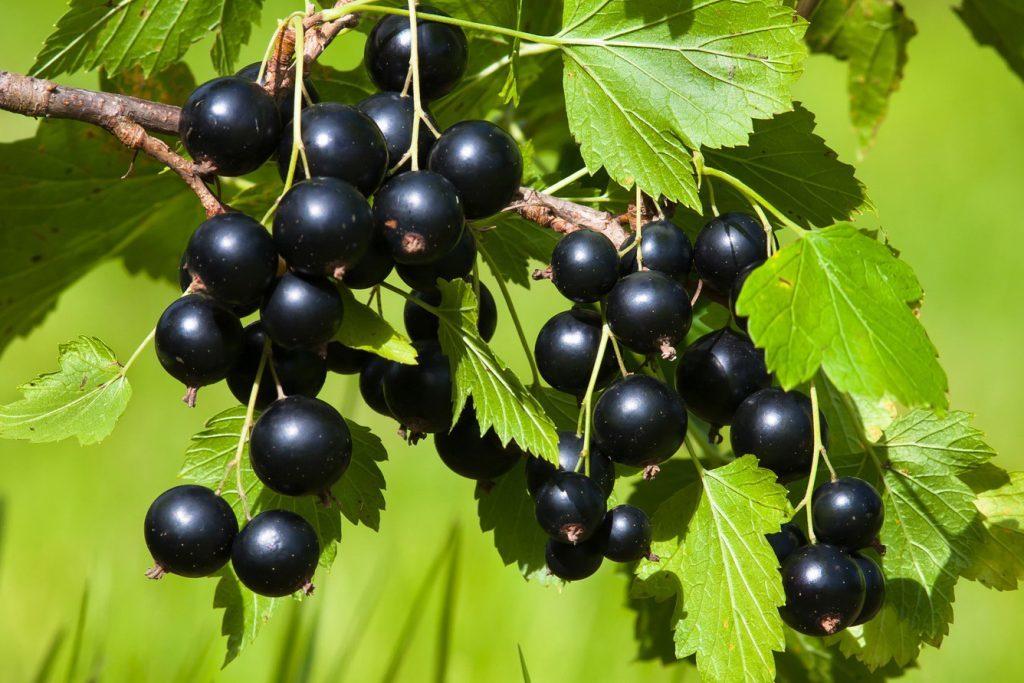
The first fruits ripen in mid-June. By the end of the season, each bush yields 2 to 4 kg of ripe berries. The berries of the Selechenskaya variety range in size from 1.5 to 3.5 g, while those of the Selechenskaya 2 variety range from 4 to 6 g.
The black fruits have thin skin and sweet, aromatic flesh. The berries are used to make juices, nectars, and jams, and are added to confectionery and dairy products. Also, Black currant retains all its beneficial properties and vitamins when frozen.
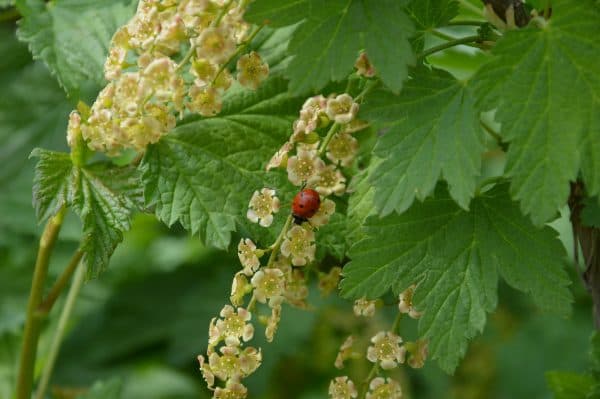 Important! Berries ripen depending on the climate of the growing region. While in temperate climates, Selechenskaya blackcurrants ripen in late June or early July, in northern climates, the harvest occurs in August.
Frost and drought resistance
Berry bushes tolerate spring frosts well, even during the flowering period. Winter frosts are not a problem for berry crops, provided there is snow and temperatures reach -30°C. The bushes tolerate short-term droughts well. If the bushes are left unwatered for an extended period, the ripening berries will fall off.
Immunity to diseases and insects
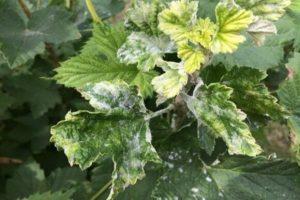
Proper and timely care of fruit bushes reduces the risk of fungal and viral infections and pest attacks. The more meticulously cared for, the stronger the plant's natural immunity develops.
How to plant a crop on a plot
The health and fruiting of the berry hybrid depend on proper planting and subsequent care.
Preparing the site and planting hole
For planting Selechenskaya currant seedlings, choose flat, dry, well-lit and draft-free plots of land.
- The soil for planting berry crops is prepared 3-4 weeks before the planned work.
- The area is carefully dug up, weeds and roots are removed, and the soil is loosened.
- Organic fertilizers, humus and mineral supplements are added to the soil.
- On the prepared area, planting holes are dug up to 35 cm deep and 40-50 cm in diameter.
- Fertile soil is placed in the holes and watered generously.
 Important! Add lime or wood ash to soil with high acidity.
Selection of seedlings
When choosing a seedling, pay attention to the rhizome, appearance and age of the plant.
- The seedling is purchased 2 years old, up to 35-40 cm in height.
- The root system is well-moistened, free from damage and free from fungal or mold infestations. There should also be no hardening or signs of rot on the roots.
- The trunk of the bush is straight, smooth, the presence of buds or foliage is required.
Before planting in open ground, seedlings are placed in a container of water for 3-4 hours, and then treated with antibacterial agents and a growth accelerator.
Optimal timing and planting pattern for bushes
To ensure a harvest in the first year of growth, currants are planted in the fall, before frost sets in. In temperate and southern latitudes, planting is carried out from early September to mid-October.
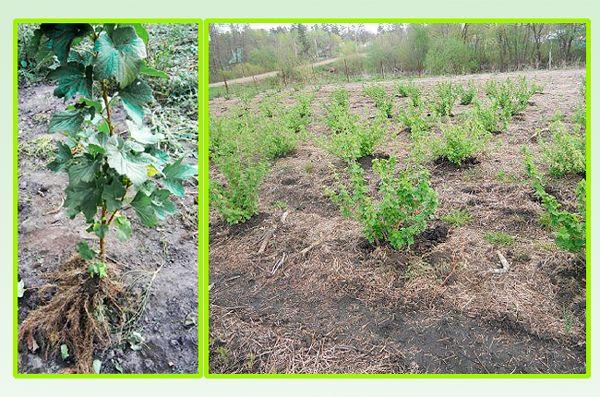
In northern climates, currants are planted in spring, as soon as the soil warms. In this case, the first harvest is obtained within a year.
Step by step process
Once the soil and seedlings are prepared, the final stage of planting work begins.
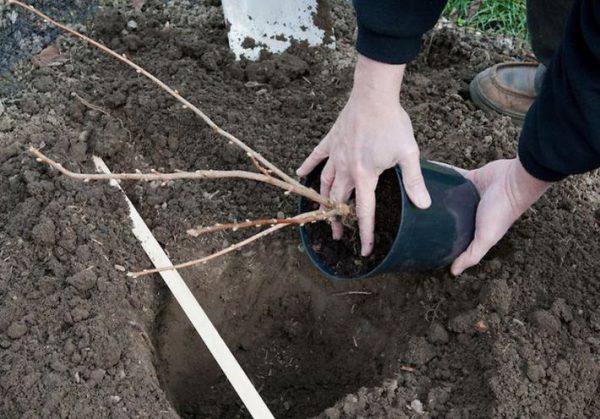
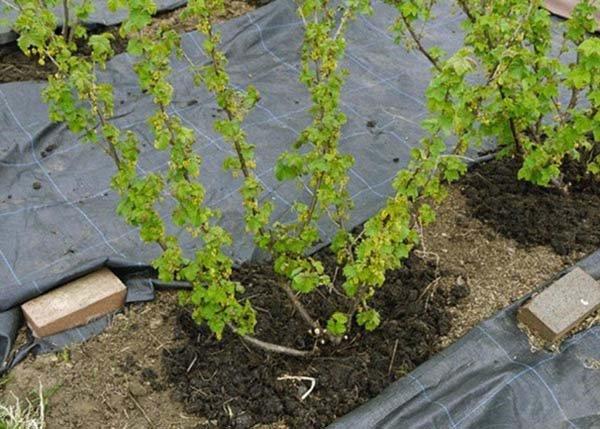
- The seedling is placed in the prepared planting hole at an angle of 45 degrees.
- The plant roots are evenly distributed in the hole and covered with fertile soil.
- The soil under the planting is compacted and watered with warm water.
- The tree trunk circle is mulched with humus or dry grass.
Important! The root collar of the Selechenskaya currant variety must be buried at least 8-10 cm deep in the soil.
What can be planted nearby?
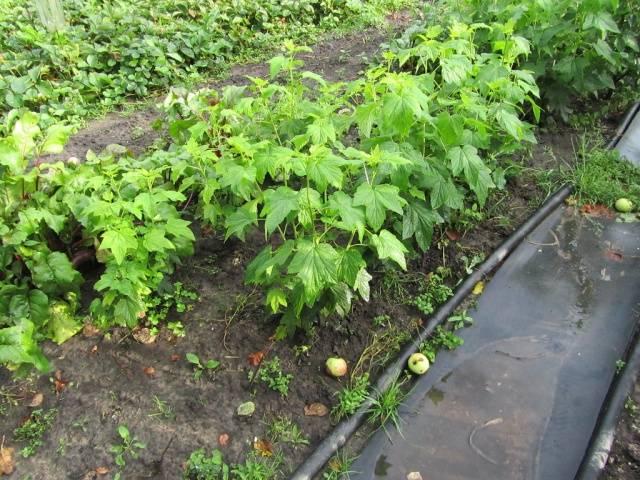
Berry bushes are demanding of their neighbors. Currants will thrive alongside gooseberry bushes, strawberries, bulbous flowers, garlic, and legumes.
It is contraindicated to plant red currants, raspberries, potatoes, plants from the nightshade family and sunflowers nearby.
By following crop rotation rules, the risk of spreading fungal diseases and pests is significantly reduced.
Further care
Berry crops require careful care. The bushes especially need timely watering and fertilizing.
Watering by seasons
With the onset of spring, the bush is watered 1-2 times every 7-10 days; if there is frequent rainfall, watering is reduced. Pour 1 to 3 buckets of warm, settled water under each bush; the older the plant, the more moisture it requires. Increase the frequency of watering when the fruit tree enters the flowering and fruit set phase. Watering is also important after the berry harvest. The last watering is done before the plant goes into winter dormancy.
How to fertilize berry crops
Hybrid varieties of berry bushes require additional nutrition and feeding.
- With the onset of spring and late autumn, the bushes are fertilized with cow manure diluted in water.
- During the growing season, plants are fed with balanced mineral complexes.
- Before winter dormancy, fruit crops require fertilizers containing potassium and phosphorus, and humus is added to the mulch.
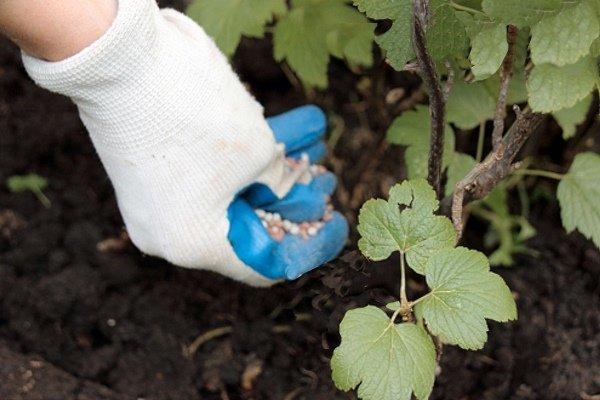 Important! If berry bushes are planted in fertile soil, mineral fertilizers should be used sparingly.
Loosening and mulching the soil
Loosening the soil is done after watering the currants. This procedure helps oxygenate the soil and roots and control soil moisture. Loosening and mulching also help control weeds and harmful plants.
Sanitary and formative pruning
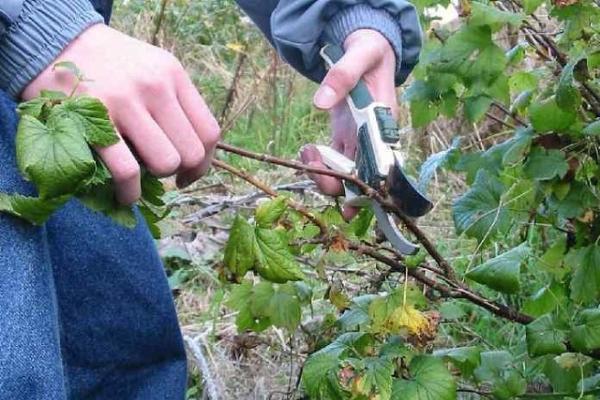
In spring or autumn, the bush undergoes sanitary pruning, removing all dry, broken, damaged and diseased branches and shoots.
Formative pruning is best done in the spring, before the growing season begins. On two- to three-year-old seedlings, five to seven strong branches are left, and the rest are pruned. Over the next two years, secondary branches are shortened and weak ones are completely removed.
Preventive treatments
To avoid fungal and viral infections of fruit crops, preventive measures are carried out annually.
- In early spring, dig up the tree trunk circle and replace the mulch.
- Also, the soil around the plants is cleared of weeds, dry leaves and excess shoots.
- To combat diseases, bushes are treated with fungicide-based preparations.
- Pests are controlled using products containing insecticides.
With proper care and crop rotation, the risk of spreading diseases and pests is reduced.
Do I need to cover it for the winter?
Blackcurrant varieties Selechenskaya and Selechenskaya 2 easily tolerate winter temperatures down to -32 degrees Celsius, provided snowy winters and proper care are taken around the trunk. In regions with harsh winters and little snow, the berry bushes are covered with burlap or special fiber.
Gardeners' reviews of the variety
Yulia Stepanovna 39 years old, Khabarovsk
I've been growing the Selechenskaya currant variety for over 15 years. The bushes are easy to care for, with timely watering and fertilizing. The berries ripen to the size of cherries, and are sweet and aromatic. Besides eating them fresh, we also purée them with sugar, make compotes, and freeze them for the winter.
Lidiya Pavlovna, 50 years old, Krasnoyarsk
I wouldn't trade Selechinskaya blackcurrants for any other variety. Although the bushes are a bit demanding in terms of care, especially watering, the yield and flavor of the berries are unmatched. I make a lot of preserves and add them to baked goods. I freeze the berries for my children and grandchildren for the winter; they're delicious and healthy.
Semyon Petrovich 52 years old, Nizhnevartovsk
Not all of them are suitable for our climate. black currant varieties, but Selechenskaya stands out from the crowd. The bushes survive the winter well, quickly recovering and growing in the spring. The berries ripen in August. They are large, juicy, and flavorful. The whole family eats the entire harvest fresh, stocking up on vitamins for the entire year.
Related posts:
 Characteristics and descriptions of the 40 best red currant varieties
 The health benefits and contraindications of black currants
 Description of the 50 best blackcurrant varieties for different regions
 Description and characteristics of the 25 best blackcurrant varieties for Siberia
 The best and new varieties of black currant for growing in the Urals, planting and care
 Red currant health benefits, properties, and contraindications
 Description of the red currant variety Sakharnaya, features of planting and care
 The health benefits and contraindications of white currants