
- Botanical description of the crop
- How it grows and in what year it bears fruit
- Yield indicators and useful properties of fruits
- Diseases and pests of red currants
- What conditions does it require?
- Climate indicators
- Soil composition
- Illumination and location of the site
- Predecessors and neighborhood of garden plants
- Specifics of planting berry crops
- Preparing the planting hole and seedling
- What fertilizers should be applied when planting?
- Timing and scheme for planting the sprout
- Further care after planting
- Watering
- Top dressing
- Trimming
- Seasonal treatments
- Loosening and mulching the soil
- Should I cover it for the winter?
- Methods of reproduction
- Layering
- Cuttings
- Root shoots
- What problems arise when growing red currants?
Proper red currant planting helps ensure successful cultivation. Timely and precise agricultural practices help ensure a strong plant that produces abundant fruit. To ensure the crop develops fully, it requires timely watering, pruning, and fertilizing. Timely protection from pests and diseases is also crucial.
Botanical description of the crop
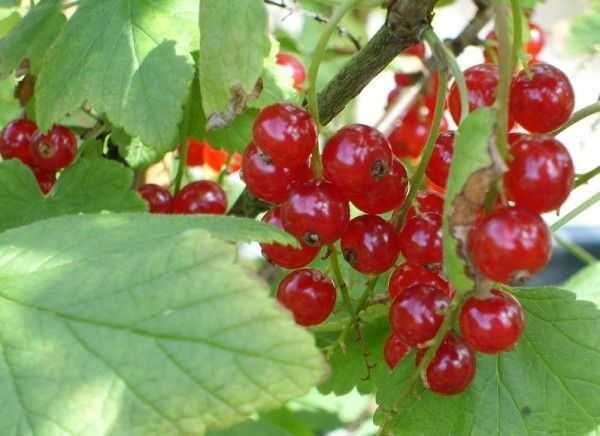
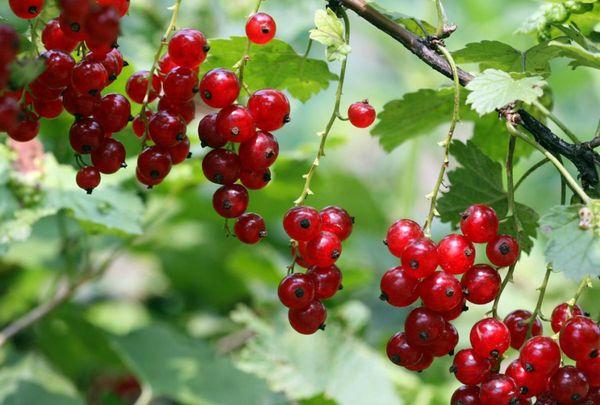
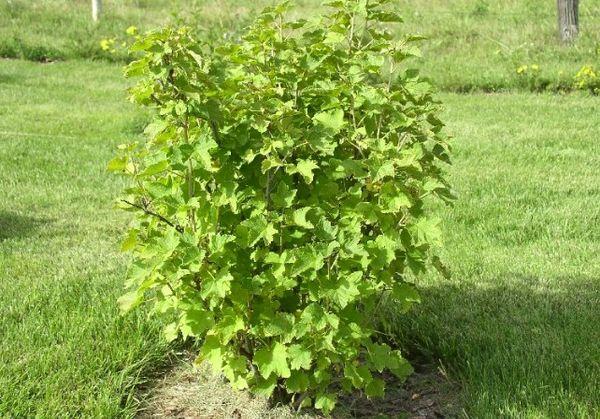
Red currants grow as bushes reaching 1-2 meters in height. They are characterized by fairly strong roots. The branches have a gray or yellowish tint and green wood. The leaves have a smooth, shiny surface. The veins are sometimes covered with fuzz.
In May, brown or greenish flowers appear on the bushes, forming clusters. The currant fruits have a sour taste and form clusters.
How it grows and in what year it bears fruit
The plant begins to produce fruit two years after planting. Yields increase each year. Full fruiting is achieved after 5-6 years.
Yield indicators and useful properties of fruits
The yield of this plant depends on the variety. Today, there are many hybrids that produce abundant fruit. Such bushes can yield up to 5 kilograms of berries.
Red currants have a number of beneficial properties.It contains many acids and sugars. The fruit contains large amounts of vitamins, pectin, potassium, and iron. It also contains succinic and malic acids.
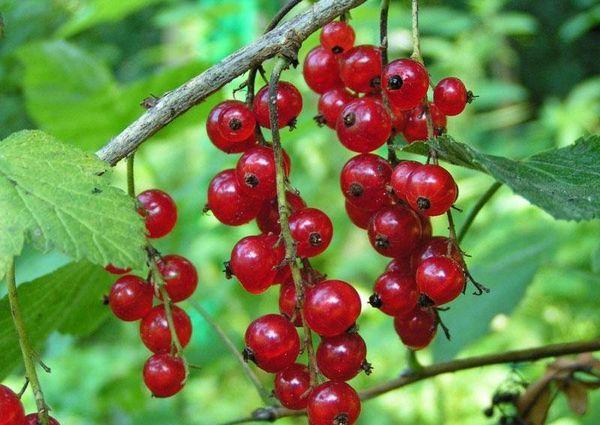
Currants have a pronounced antioxidant effect. They can be used to prevent malignant tumors. The presence of coumarins and furocoumarins gives currants analgesic and antitumor properties.
Diseases and pests of red currants
Red currants are susceptible to white spot, anthracnose, and powdery mildew. They are also susceptible to terry, stripe mosaic, gray mold, and rust.
Bushes can be attacked by harmful insects. Most commonly, they suffer from attacks by mites, aphids, and moths. Other pests include glassworms, gall midges, sawflies, and leaf rollers.
What conditions does it require?
To achieve good results in growing a crop, it is necessary to select the right conditions for it.
Climate indicators
Red currants can be grown in a variety of climates. It's important to choose the right variety based on weather conditions. In general, this crop is characterized by good winter hardiness. It's not overly demanding regarding soil conditions and is resistant to diseases and pests.
Soil composition
Currants have a shallow root system, so a deep planting hole isn't necessary. However, the plant is highly sensitive to soil conditions. It's recommended to fill the hole with well-rotted manure or compost.
The plant prefers slightly acidic soil. It can be planted in acidic soil as well. If the pH is too high, it is recommended to add an acidifier to the hole. Old cement, dolomite, or chalk are suitable for this purpose. To prevent calcium leaching, phosphorus-containing compounds are added along with the acidifier.
Take a look Also
Additionally, when planting, add a spoonful of urea and potassium to the hole. Chlorine is not recommended. When planting in the fall, use only phosphorus. Nitrogen and half the potassium dose are applied in the spring, after the last frost.
Illumination and location of the site
Many people wonder where to plant currants—in the shade or in the sun? When choosing a site for currants, it's important to consider that they require plenty of light. The plant can be placed in a south or southwest facing location. It's best to plant it on a slight slope.
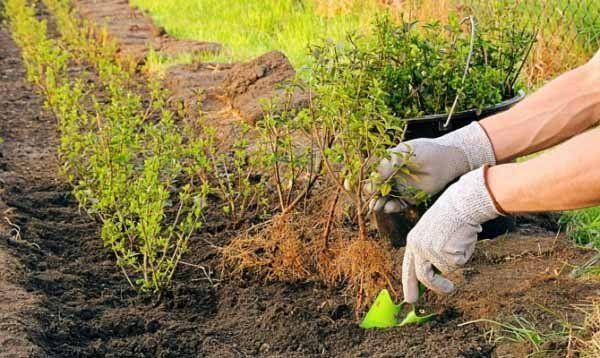
It's best to place the plant along a fence. However, this part of the garden should be well-lit. It's also important to keep in mind that the plant requires adequate moisture.
Predecessors and neighborhood of garden plants
Perennials and row crops are ideal predecessors for currants. Neighboring plants are also important. Red currants pair well with gooseberries.
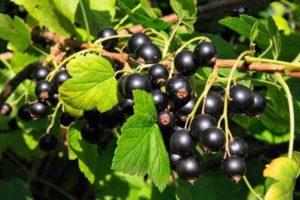
However, it's best not to plant it with blackcurrants. Yields also decrease when planted near raspberries, cherries, and other bushes. It's not recommended to plant the crop near trees that produce suckers.
Roots from neighboring plants can get inside the currant bush. It will be impossible to get rid of them.
Most bushes are planted at a depth of less than 50 centimeters. Therefore, onions, garlic, herbs, vegetables, strawberries, and other surface-rooted plants can be planted near the crop. This ratio ensures sufficient energy for normal development.
Specifics of planting berry crops
To ensure full development of currants, proper planting is essential. This will help achieve good results.
Preparing the planting hole and seedling
Prepare the site for the currants in advance. If planting is planned for spring, prepare the pits in the fall. This is necessary for the soil to settle. To speed up the process, water the beds.
Red currants require slightly acidic, loamy soil. Proper soil preparation is essential. If the soil is sandy, add a small amount of clay.
If the site has sandy loam soil, mineral fertilizers are used. Chalk or limestone should be added to acidic soil.
It's recommended to dig the holes two months before planting currants. This will allow enough time for harmful elements, often found in fertilizers, to be removed from the soil. Fertilizer is added to the bottom of the hole, mixed with the topsoil.
When choosing a seedling, consider its root system. The more developed it is, the easier it will take root. Ideally, the plant should have at least three skeletal roots. Some bark peeling is acceptable.
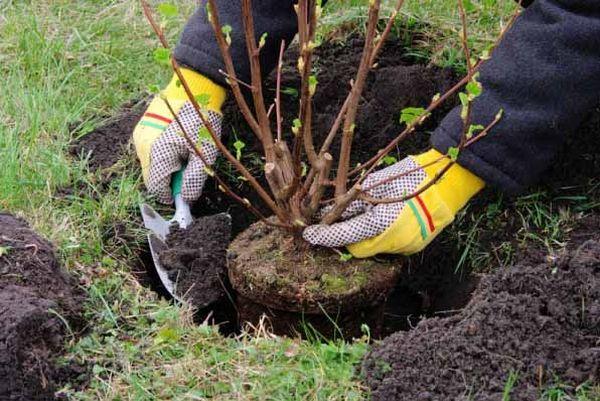
The branches should not be dry. The above-ground portion should be 40 centimeters. If you purchase a potted seedling, it is recommended to remove it beforehand to allow the roots to air out.
What fertilizers should be applied when planting?
When planting, add a special mixture to the soil. It includes 10 kilograms of compost, 200 grams of superphosphate, and 300 grams of ash. Manure can also be used. However, it is recommended to add a small amount of sawdust and straw. The use of nitrogen fertilizers is strictly prohibited.
4-5 months before planting currants, it is recommended to add 15 kilograms of organic fertilizer, as well as 50 grams of potassium and phosphorus per 1 square meter of the plot.
Timing and scheme for planting the sprout
The best time to plant currants is mid-autumn. This will help the crop adapt to the new conditions, allowing for a harvest as early as early July. If the planting deadline is missed, currants can be planted in the spring. However, failure to follow the basic recommendations may result in the seedlings failing to thrive.
Maintain a minimum distance of 1.5 meters between plants. A minimum distance of 2.5 meters is recommended between bushes and trees.
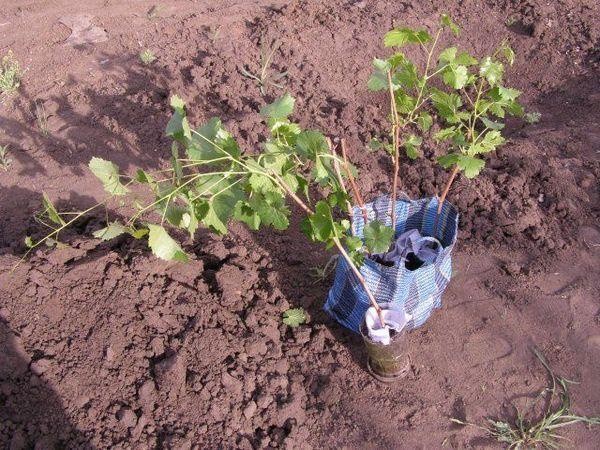
The step-by-step instructions for planting a plant look like this:
- Prepare a planting hole in advance. This should be a depression slightly larger than the root ball.
- Place the planting material at a 45-degree angle, with the top facing north. Young shoots will grow southward, which will help avoid shading.
- Plant the seedling deeper. Cover the root collar with soil by 5 centimeters.
- Sprinkle the roots and carefully compact the soil.
- Create a ridge around the circumference. Water the soil and apply a layer of mulch.
Further care after planting
When growing plants outdoors, certain rules must be followed to ensure good results.
Watering
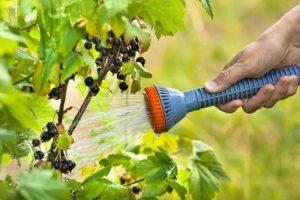
The plant tolerates dry summer weather well. However, if water is deficient, the berries become smaller. Regular watering is essential. This is especially important during active growth and berry formation. 20 liters of water are required per square meter of bed. This will moisten 40 centimeters of soil.
Before watering, dig furrows around the bush. These should be 15 centimeters deep, spaced 30-40 centimeters from the bushes.
Top dressing
In April, it's a good idea to add urea to the soil. Use 15 grams of the substance per square meter of bed. In June, fertilize currants with a solution of manure or bird droppings. If organic fertilizers aren't available, use a mixture containing 15 grams of urea, superphosphate, and potassium sulfate.
In summer, foliar feeding is used. To do this, dissolve 3 grams of boric acid, 2 grams of copper sulfate, 10 grams of manganese sulfate, 2 grams each of zinc sulfate and ammonium molybdate in a bucket of water. Apply the fertilizer to the bushes on a cloudy day.
The final fertilizing is done in mid-autumn. For this, apply a mixture of 15 grams of organic fertilizer, 60 grams of potassium chloride, and 100 grams of superphosphate to each bush.
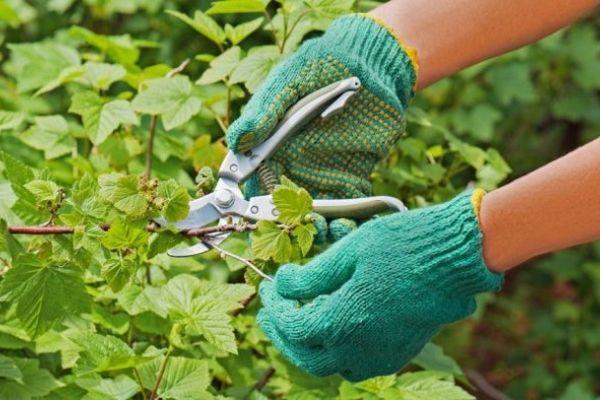
Trimming
The plant requires formative, rejuvenating, and sanitary pruning. All work should be performed in early spring or late fall. The following rules should be observed:
- In the first year, it's recommended to remove half of the young shoots. This will ensure the formation of a beautiful bush.
- By the age of five, a maximum of 20 shoots should remain on the bushes. This will help prevent shading.
- Subsequently, perform rejuvenating pruning. This involves removing old shoots at the root, which stimulates the development of new branches.
- In the fall, sanitary pruning is essential. This is aimed at removing old and diseased shoots.
Seasonal treatments
Plants with strong immune systems rarely encounter diseases and pests. Therefore, it's crucial to adhere to proper agricultural practices and seasonal spraying. Experts recommend the following guidelines:
- Plant currants in a sunny, well-ventilated area.
- Avoid dense plantings. Leave at least 1-2 meters between plants.
- Get rid of affected plant fragments in a timely manner.
- Perform rejuvenating pruning.
- To prevent diseases, spray the crop with a mixture of Fitolavin, Fitoverm, and Farmayod. To do this, use one tablespoon of each solution per bucket of water.
- From the moment the first leaves appear, use a mixture of biological products weekly. For this, use 2 granules each of Healthy Garden and Ecoberin and 2 drops of HB-101 per liter of water.
Loosening and mulching the soil
Growing currants requires systematic soil loosening. Proper care ensures adequate moisture and oxygen supply. After loosening, a layer of mulch is essential.
Should I cover it for the winter?
In warmer regions, this step can be omitted. Simply bend the branches to the ground and secure them. In colder climates, cover the currants with plastic film. It's a good idea to poke a few holes in it.
Methods of reproduction
There are several ways to propagate currants. To achieve good results, it's important to do everything correctly.
Layering
To do this, select a strong shoot from last year, bend it to the ground, and place it in the prepared hole. Secure it to the ground and cover with soil. Once roots appear, the bushes can be replanted.
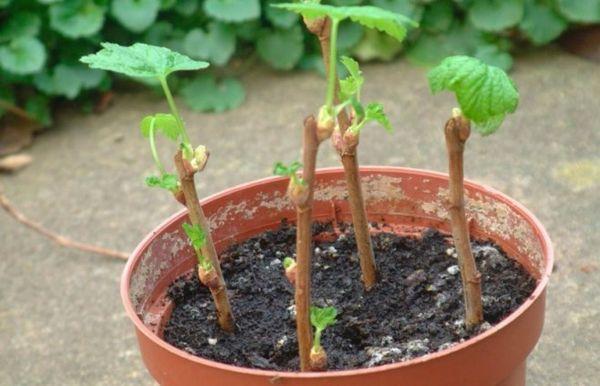
Cuttings
To propagate currants this way, cut several branches at the end of August and cut them into 20-centimeter cuttings. Place them in Kornevin and replant them in soil. By the end of autumn, the cuttings will root.
Root shoots
This method is used when moving currant bushes to a new location. The bush should be dug up and the roots divided into several pieces. The resulting fragments can then be replanted.
What problems arise when growing red currants?
When growing currants, various problems may arise:
- If the wrong planting location is chosen, the bush will develop poorly.
- Incorrect selection of seedlings leads to problems with crop adaptation.
- If the watering regime is incorrect, there is a high risk of fungal infections.
Proper planting of red currants allows for a strong and vigorous plant. Strict adherence to agricultural practices helps ensure a good harvest and prevent the development of dangerous diseases.
Related posts:
 20 Best Blackcurrant Winter Preserves Recipes
 The health benefits and contraindications of black currants
 Methods for planting and propagating cherries at home
 Characteristics and descriptions of the 40 best red currant varieties
 Description and rules for growing black currant variety Veloy
 When and how to prune currants, the scheme and timing
 The health benefits and contraindications of white currants
 TOP 10 recipes for red, black, and white currant sauce and ketchup for the winter, and how to store your preparations