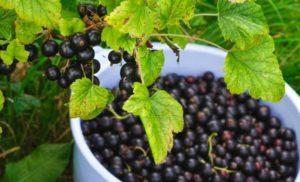
Currants are a popular crop grown in many gardens. The plant is considered easy to care for and thrives in a variety of soil types, allowing for a bountiful harvest. To ensure large and tasty fruits, it's recommended to pay close attention to soil moisture. To properly water currants, determine the appropriate amount of water for each bush, taking into account seasonal factors and weather.
Why is it so important to water currants correctly?
Black, red, and white currants are considered moisture-loving crops. This is due to their biological characteristics. A lack of moisture causes stunted growth. Furthermore, the berries become smaller and fall off. Drought after harvesting causes the plants to freeze in winter.
To avoid undesirable consequences for the crop's development, it needs to be watered promptly. This is done during active growth, during fruit set, after the berries have ripened, and after harvesting.
Requirements for water composition and temperature
To ensure maximum watering results, it's recommended to choose the right water composition and temperature. For soil moistening, it's best to use soft, settled water. It shouldn't be too cold. Experienced gardeners recommend filling barrels with water beforehand. This will allow the water to steep and warm up.
Methods of irrigating bushes
There are several options for watering shrubs. The soil is first moistened in early spring. It is recommended to use boiling water. This procedure helps control any harmful insects that survived the winter. It also helps eliminate fungal spores and awaken the shrub from dormancy.
To achieve good results, it's important to choose the right time for the procedure. It's best to do it before the buds open, which usually occurs in late March.
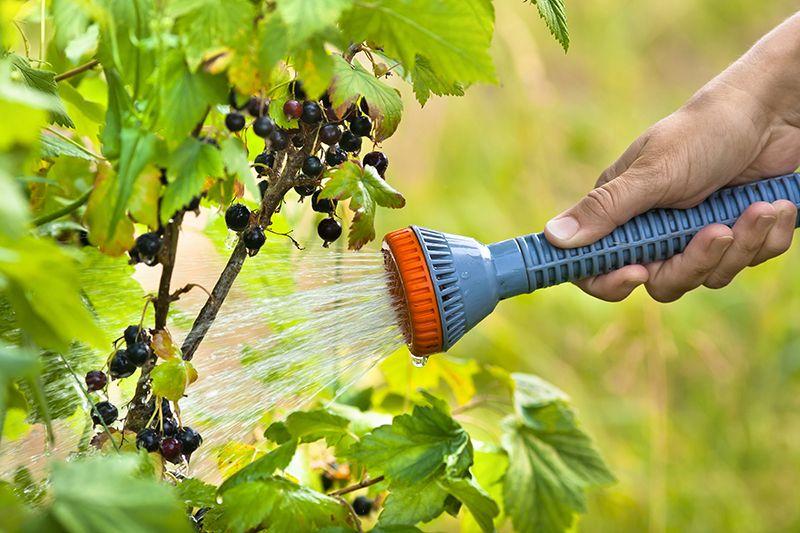
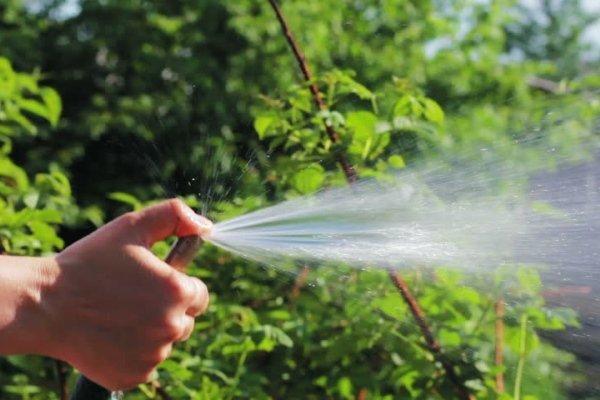
Gardeners often use sprinkler irrigation. This method ensures that the moisture is distributed evenly around the plant. Some people also prefer drip irrigation. However, in this case, it's important to monitor the soil moisture level to avoid overwatering the plants.
Seasonal watering rates
Currants are considered moisture-loving crops. However, it's important to remember moderation. Overwatering will negatively impact the plant's development.
Spraying liquid on the soil surface carries the risk of rapid weed growth. Excess moisture increases the risk of disease.
Before watering, be sure to loosen the soil and determine how deeply it has dried out. If the soil is 15 centimeters deep, pour 40 liters of water under the bush. If the soil is 10 centimeters deep, a maximum of 20 liters will be needed. If the soil has only dried out to a depth of 5 centimeters, postpone watering.
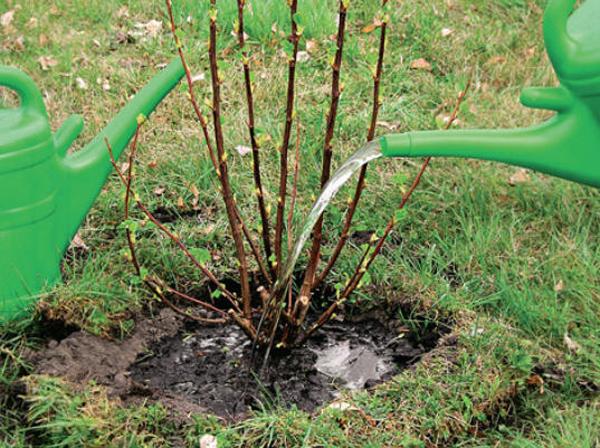
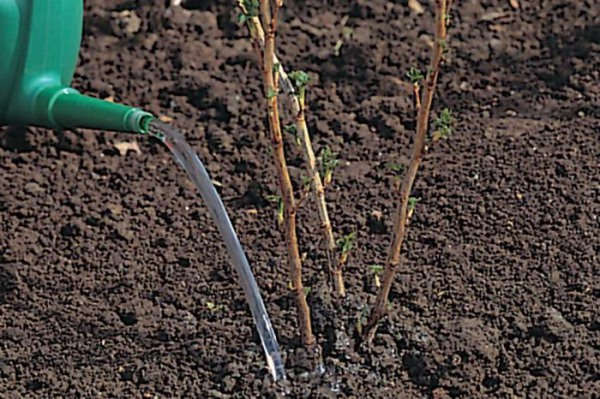
When applying water, it's important to ensure that all the liquid reaches the bush and doesn't flow past it. To make watering more effective, create a trench around the perimeter of the currant bush. It should be 7 centimeters deep. It's recommended to pour water into the resulting depression.
Spring
The first watering should be done immediately after planting. Each bush will require 5-6 liters of water. Subsequently, drip or subsoil irrigation should be used. This will ensure the water reaches the roots directly. Three to five waterings will be required during the growing season.
Watering the plant is especially important during the period of active development and fruit set, which occurs in May and early June.
Summer
In summer, the plant requires watering during the ripening stage of the berries. Depending on the variety, this period occurs in late June or early July. If the weather is hot and dry, the plant should be watered frequently. This is often done in August. When watering blackcurrants, the soil should be moistened to a depth of 30-60 centimeters. Mature bushes require 30-40 liters of water. For young plants, 10-30 liters is sufficient.
Autumn
At the end of September, currants should be watered for the last time. This is done after the harvest and the leaves have fallen. It's important to remember that watering shouldn't be excessive. Its purpose is to increase productivity and frost resistance.
Moisture retention
To ensure effective watering, it's important to retain moisture around the bushes. This is especially important during fruit ripening. Mulching the soil can help solve this problem.
After watering, the area around the tree trunk should be covered with humus or peat. Hay or sawdust can also be used.
Mulch acts as a protective covering. Its use keeps the soil moist and loose for a long time. It also maintains normal air circulation, which is especially important for the plant's root system.
Tips and recommendations
To achieve good results when watering currants, it is worth following the recommendations of experienced gardeners:
- First, you need to decide on a watering time. A few days beforehand, fill the barrels with water. This will allow the water to settle and warm up.
- Before watering, the area should be weeded. It is also recommended to remove any old mulch.
- Water your bushes before sunset. This is when the plant's roots will be able to absorb the necessary moisture.
- You should not water plants during the day, as there is a risk of burning.
- Fertilizing the plant immediately after moistening the soil is recommended. This will not only water the plant but also provide it with nutrients. For this purpose, starch, urea, or potassium humate are recommended.
- During dry weather, the frequency of watering can be increased. However, it's essential to check the soil's dryness before watering.
Proper watering of currants is essential for the plant's healthy development. To achieve good soil moisture, it's recommended to carefully determine the appropriate water application rate for each bush. Regional climate, the age of the plant, and weather conditions are also important factors.
Related posts:
 Methods for planting and propagating cherries at home
 Growing and caring for hazelnuts in open ground, rules for planting hazelnuts
 Choosing a rootstock for cherry grafting and budding rules for beginners
 Conditions for growing mandarin at home and rules for caring for the tree
 The best methods for growing grapes from seeds at home
 When and how to prune currants, the scheme and timing
 Rules for planting and caring for pears in open ground, how to grow them correctly
 The best eggplant varieties for growing in a polycarbonate greenhouse: planting and care