
- Objectives and tasks of pruning
- What are the timeframes for carrying out the procedure?
- In the spring
- In summer
- In the fall
- Specifics of pre-planting pruning
- Black currant
- Red and white varieties
- Pruning scheme by year
- Peculiarities of rejuvenating old bushes
- Other methods of crown formation
- The simplest one is for beginner gardeners.
- For standard currants
- Sanitary and standardizing shoots
- Michurinskaya
- Supportive
- What care is needed after the procedure?
- What difficulties do gardeners face?
Proper pruning of currant bushes is an essential part of plant care. There are several different options for this procedure, each aimed at achieving different goals. Proper pruning can increase yield, rejuvenate the bush, extend fruiting, and improve the flavor of the berries. It's crucial to follow expert advice and ensure proper care after pruning.
Objectives and tasks of pruning
Currants require regular pruning. This isn't done to improve the bush's ornamental qualities. Rather, it helps achieve the following:
- Significantly increase the amount of harvest.
- To improve the flavor of the berries and make them larger, this procedure involves removing old branches that hinder the growth of new ones.
- Thin out the bushes. This improves sunlight access to the branches and increases their yield. The fruits contain more vitamins.
- Rejuvenate currant bushes. This procedure helps extend the fruiting period by 20 years.
- Prevent diseases and pest attacks.
- Restore berry bushes.
- Stimulate bud formation in the soil. Next year, these buds will produce shoots that branch out more quickly. Pruning also stimulates the development of new shoots. This results in less dense bushes and larger berries.
What are the timeframes for carrying out the procedure?
Pruning is performed several times throughout the year. The timing of the procedure depends on the plant's growing season.
In the spring
With the onset of spring, the bush enters a dormant state. If vegetation has not yet begun, there is no active sap flow. Pruning is best done at this time.
Climate conditions also influence the timing of the procedure. Spring treatment begins when temperatures reach stable above-zero temperatures. If frost is forecast, the procedure should be postponed.
There's little time to perform this procedure in spring. Currants shouldn't be pruned while the buds are actively opening. Otherwise, there's a risk of negative consequences for the crop:
- the cuts will begin to secrete a lot of juice, which will create difficulties with the rapid healing of damaged areas;
- the risk of infection by fungi and harmful bacteria increases;
- the bush will be sick, which will create obstacles for the growth of leaves and the formation of inflorescences.
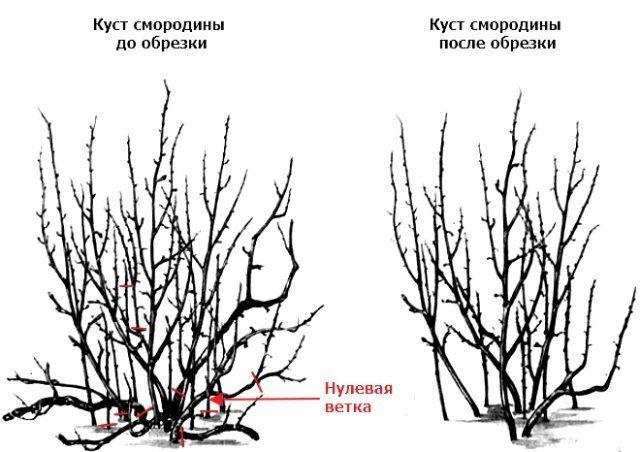
All types of pruning are permitted in spring. However, specific considerations depend on the region's climate. Spring pruning helps increase yields and also lays the foundation for the coming year.
Sanitary treatment is permitted in all climates. It is recommended to trim off any broken branches.
Partially remove shoots damaged by ultraviolet radiation, frost, and pathologies.
Bush shaping and rejuvenation procedures should be performed in the spring only in northern regions. In other areas, these procedures are performed in the fall.
The key advantages of the spring procedure include the following:
- the ability to direct the plant's energy to powerful branches, increase the yield and make the berries larger;
- the ability to distribute lighting across the bush and achieve uniform ripening of the berries;
- prevention of plant pathologies;
- stimulating the development of shoots that will produce a harvest next year.

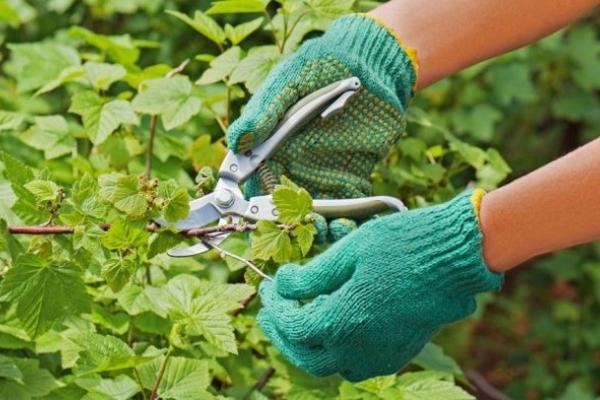
Spring pruning increases the current season's yield and also sets the stage for next year.
In summer
The following pruning can be performed in summer—this procedure is especially important during a cold and long spring. This allows you to clearly see all damaged elements. In spring, buds are still dormant, so identifying dead shoots can be difficult.
In summer, it's worth trimming away dried branches and pinching out green growth. Lateral shoots form on branches without tips.
Pinching helps increase the volume of flower buds. This technique is suitable for black currants. It is almost never used for white and red varieties. Sometimes gardeners thin currants in the summer and shape their crowns. This procedure is not recommended in July. It is performed in August, when fruiting has ended.
After picking the berries, you should remove the following:
- branches older than five years;
- crooked shoots;
- weakened and infected branches.
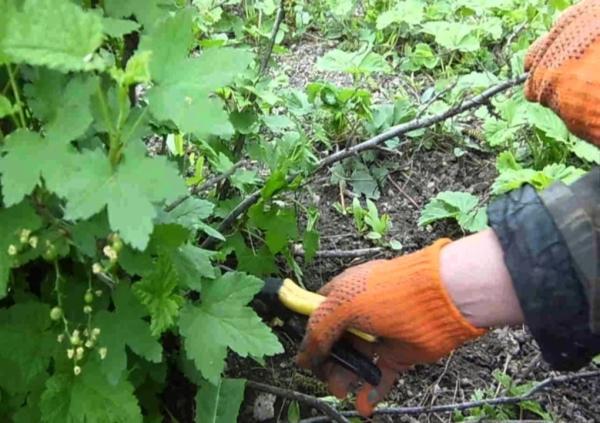
However, these measures are considered highly controversial. They help improve light access to the bush and facilitate ventilation. They also create space for the normal development of annual shoots. Young branches can be protected from parasites and infections in a timely manner.
On the other hand, this procedure significantly increases the load on the bush. Pruning stimulates shoot formation. The currant plant expends energy on wood maturation and adaptation to the cold season.
Moreover, during this period, sap is still actively flowing. Therefore, damaged areas may remain moist for a long time. This increases the risk of various infections entering the wounds. Branches that begin to grow during this time will not have time to mature before the frost sets in, leading to damage.
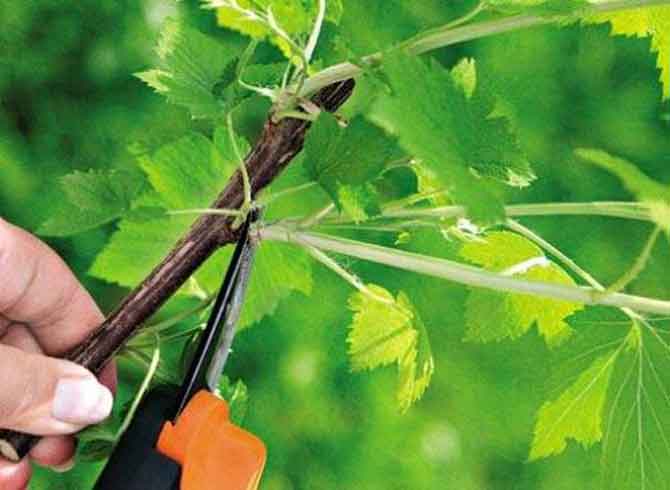
In the fall
It's recommended to prune the bush for the winter after the majority of its leaves have fallen. During this period, the plant prepares for the cold weather, and sap flow slows. If drops appear during pruning, it's too early.
It is recommended to complete the procedure several weeks before the cold weather sets in. This is the time required for the damaged areas to heal.
In regions with harsh climates, pruning is recommended in the spring. Frosts in the fall can have negative consequences. Branch tips will freeze and need to be removed in spring.
The key advantages of autumn pruning include the following:
- long period of execution of works;
- the possibility of adapting the crop to winter;
- improving nutrition and formation of new shoots;
- prevention of diseases and parasite attacks;
- activation of the emergence of numerous shoots next spring;
- creating conditions for high-quality fruiting.
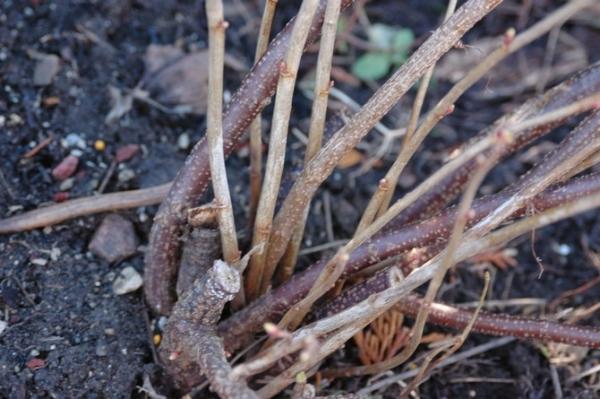
In central regions, formative or rejuvenating treatments are acceptable in the fall. At this time, branches damaged during summer maintenance can be removed.
Specifics of pre-planting pruning
Pre-planting pruning is important for currant growth. To do it correctly, it's important to follow expert advice. Many people plant their bushes 1.5 months before the first frost.
Pre-planting treatment is carried out at this time. The tops of the branches should be carefully trimmed. After this, they should have three buds. Next year, at least five new shoots will appear on the bushes.
Black currant
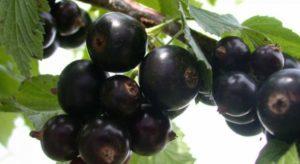
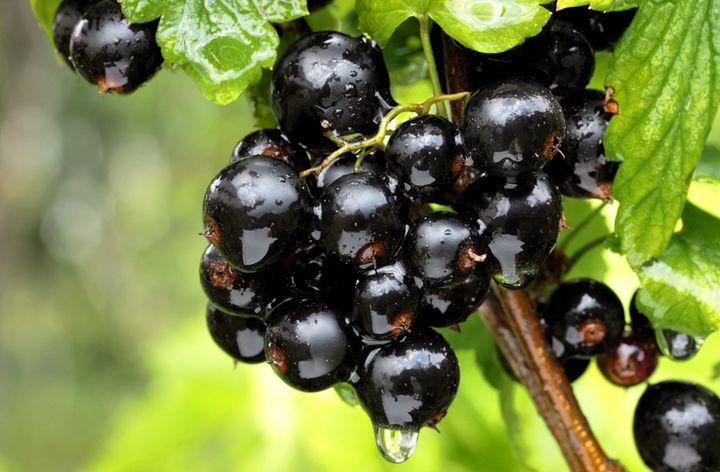
The procedure depends directly on the plant variety. Blackcurrants require the removal of old branches, as they produce less fruit. These shoots are pruned systematically.
Take a look Also
Red and white varieties
In these varieties, fruit buds appear at the base of the shoots. This also occurs near the rhizomes. These characteristics mean that older branches produce just as good a harvest as new ones. Therefore, experienced gardeners advise against pruning these bushes too frequently.
Pruning scheme by year
Currant pruning has its own specific considerations depending on the plant's age. Seedlings are planted in their permanent location at one year of age. At this point, it is recommended to shorten the branches to 2-3 buds.
Over the next few seasons, formative pruning is performed. During this process, it's important to remove excess shoots developing from the roots. It's recommended to leave the two strongest branches, symmetrical to the central part of the plant. This method is used for pruning the plant every 5 years.
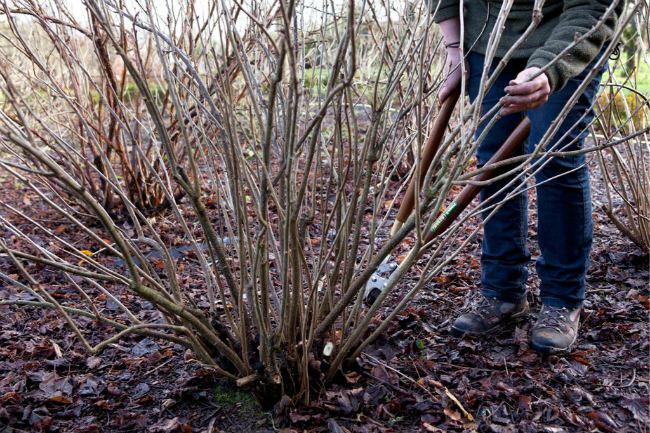
The bush reaches its peak fruiting in its sixth or seventh year. At this time, it should have a maximum of 15 shoots. However, branches vary by age. Older branches that produce fruit well do not require complete pruning. They should only be trimmed. This is done by cutting off the upper sections that are not bearing fruit or growing.
These fragments remove beneficial elements from the fruit-bearing branches. Removing all shoots at once is strictly prohibited. The procedure is carried out gradually, waiting until the young branches have grown.
Trees older than six years are removed. It is recommended to cut them back to the root. This serves as a rejuvenating treatment. It is also important to remove shoots growing from the root collar and dried stems. It is also recommended to prune diseased branches, trailing branches, or those frozen over the winter.
Peculiarities of rejuvenating old bushes
Without timely currant rejuvenation Fruiting of bushes deteriorates. Therefore, bushes should be pruned properly. When performing rejuvenation procedures, it is recommended to remove the following fragments:
- weak growths that are characterized by slow development;
- non-fruitful branches on which fruits do not appear;
- broken elements lying on the ground.
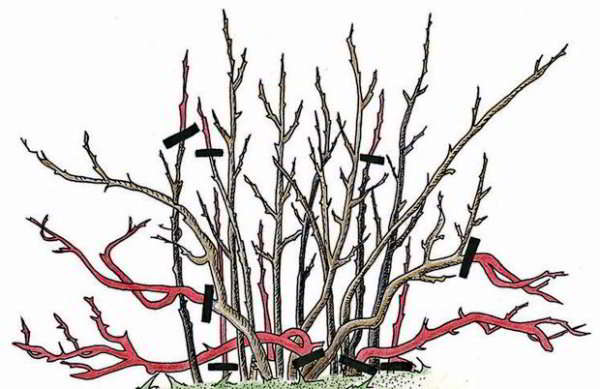
When pruning, ensure branches are cut back to mature sections. These will produce strong, fertile shoots.
Other methods of crown formation
There are many ways to shape a crown, each of which has its own specific characteristics.
The simplest one is for beginner gardeners.
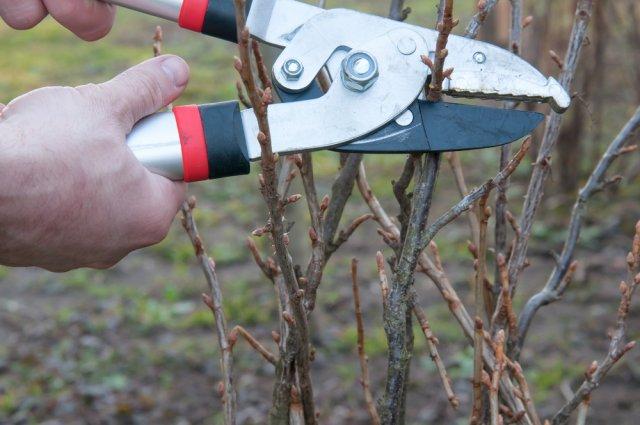
When performing simple pruning, it is worth removing the following fragments:
- dry branches;
- broken fragments;
- shoots that are characterized by slow growth;
- branches that are distinguished by their curved shape;
- branches that intertwine with each other;
- shoots infected with infectious pathologies.
For standard currants
When cultivating standard plants, it's important to periodically prune the bushes. This will ensure proper root development. To do this, all shoots should be shortened, leaving a maximum of three young buds.
Sanitary and standardizing shoots
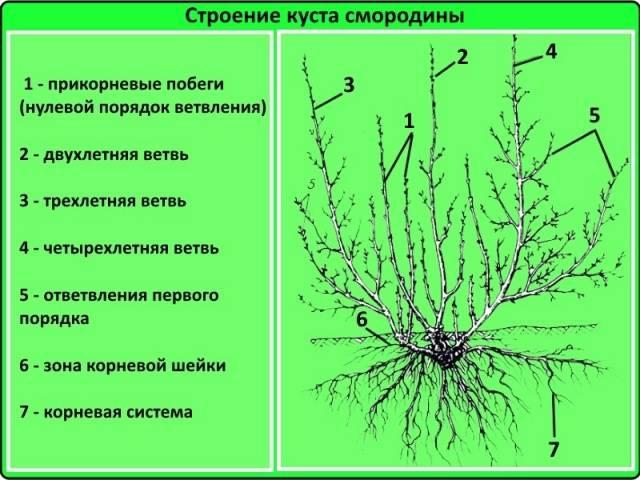
Before the procedure, the bush is cleaned. For this, it is recommended to remove the following:
- dry elements;
- broken shoots;
- curved fragments;
- woven branches;
- shoots with unripe wood - they will be damaged by frost;
- shoots that do not bear fruit;
- branches that spread along the ground or are located away from the central part.
Michurinskaya
This method is recommended for pruning currants when growing them commercially. When done correctly, it can significantly increase the bush's yield.
It is recommended to carry out the procedure 5 years after planting the plant.
It should be cut back to the root, then the soil around the cut should be fertilized with organic fertilizer. Within a year, new shoots will appear on the cut branch, which will yield an excellent harvest.
Supportive
If the bush still appears overgrown after other prunings, a maintenance pruning procedure is performed. This involves removing excess branches. To thin out the plant, it is recommended to remove excess shoots from the central part. If the plant has many fruiting branches, pruning is performed on the current year's shoots.
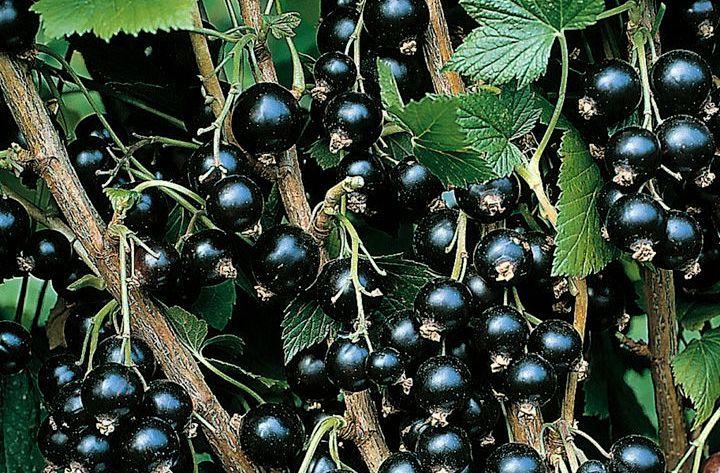
What care is needed after the procedure?
To ensure the plant develops normally after treatment, it needs to be provided with high-quality care. Chemicals and folk remedies are used to treat the bushes. The main purpose of such treatment is to prevent diseases and control harmful insects.
After manipulation currants can be affected by anthracnose and powdery mildew. Spots often form on its leaves, and shoots dry out. Bushes are attacked by aphids and mites. These insects damage the development of leaves and shoots and spread diseases.
To prevent diseases, pruning is essential in the fall. Damaged branches and leaves should be removed at this time. All infected fragments should be burned immediately.
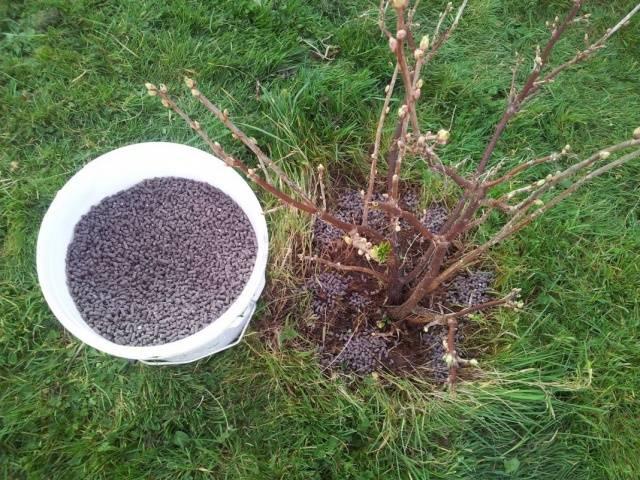
After pruning, the plant is also fertilized. The bush requires various micronutrients. Specific nutrients are selected based on seasonal factors. In spring, the plant requires a large amount of nitrogen. These fertilizers can be made at home.
In the fall, the amount of nitrogen is reduced. At this time, the plant requires potassium and phosphorus. These nutrients ensure normal wood maturation.
Organic fertilizers are essential for currants. Well-rotted manure can be used for this purpose. Adding it to the soil in the spring will ensure adequate nitrogen release. In the fall, the fertilizer is used as a mulch. It decomposes gradually and provides long-lasting nutrition to the bush.
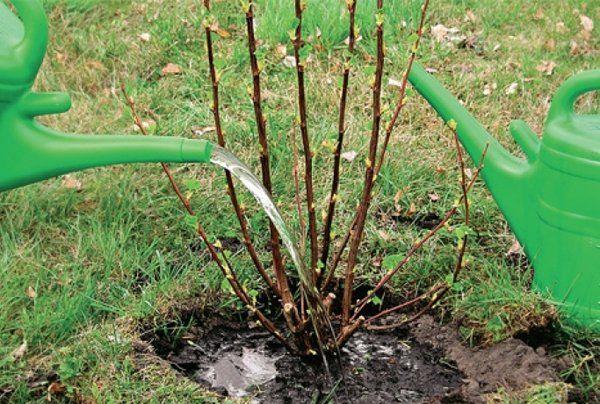
A properly selected product improves currant growth and significantly increases yield. Furthermore, timely application of fertilizers helps speed wound healing after the procedure.
What difficulties do gardeners face?
Properly performing this procedure is crucial for currants. The crop's yield directly depends on it. But novice gardeners often make various mistakes.
These include the following:
- Failure to complete the procedure on time. Some gardeners fail to remove shoots promptly. This results in the death of the bush.
- Failure to follow proper pruning techniques. Inattentive pruning can leave dried or diseased branches on the bush.
- Use of blunt instruments. Sharp tools should be used for pruning.
- Failure to comply with the procedure deadlines. It is recommended to remove old shoots every year. Otherwise, there is a risk of delayed bush development.
Pruning currants is a valuable technique that increases fruiting and makes them stronger and healthier. To achieve excellent results, it's important to strictly follow expert advice.
Related posts:
 Timing and rules for peach pruning, formation scheme after harvesting
 How to prune grapes step by step for beginners
 Methods for planting and propagating cherries at home
 Rules and timing for pruning cherry plum in summer, crown formation scheme
 When and how to prune cherry trees correctly, and tree shaping schemes for a good harvest
 Rules for pruning raspberries in summer, in July, and how to harvest a good crop
 A diagram and how to prune blueberries for beginners
 When and how to prune gooseberries to ensure a good harvest