
- Selection of black currant Nara
- Favorable regions for cultivation
- Main advantages and disadvantages
- Botanical information and characteristics of the variety
- Bush and root system
- Leaf blades
- Flowering and pollination
- Fruit ripening time
- Taste and yield
- Storage rules and scope of application of berries
- Resistance to subzero temperatures and drought
- Susceptibility to diseases and pests
- How to plant Nara currants in your garden
- Deadlines
- Landing site requirements
- Seedling preparation and work procedure
- Further care of currants
- Watering mode
- Loosening and mulching the soil
- Fertilization
- Pruning: formative, sanitary, rejuvenating
- Pouring and hardening of bushes
- Preventive seasonal treatments
- How to cover plantings for the winter
- Methods of reproduction
- Tips and advice from experienced gardeners
- Reviews of the variety
The Nara blackcurrant variety is an early-ripening crop. It is insect and disease resistant, easy to grow, and self-fertile. The berries have excellent marketability and flavor, and are rich in vitamins. With proper care, it produces a bountiful harvest, perfect for desserts and winter preserves.
Selection of black currant Nara
Nara was developed thanks to the efforts of Bryansk breeders. Breeder A. I. Astakhov made a direct contribution. The variety was added to the state register in 1999.
Favorable regions for cultivation
The variety is best suited for cultivation in the Central and Northwestern regions. Arid regions will be detrimental to the crop.
Main advantages and disadvantages
Nara is drought-resistant and immune to low temperatures. Harvested berries can be stored for a long time without deforming.
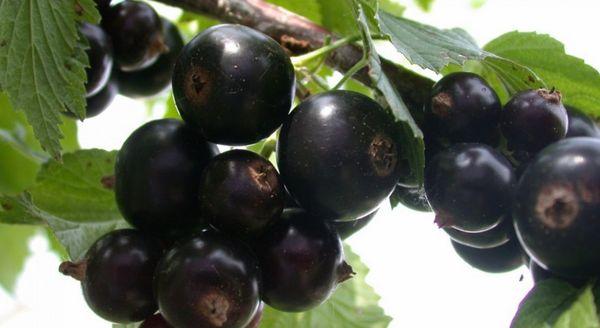 Gardeners note the excellent taste of Nara. This blackcurrant adapts to any soil type and ripens early. Thanks to the efforts of breeders, the plant is resistant to insects and other pests and requires no pollination.
Berries are low in calories and contain many useful microelements:
- magnesium;
- phosphorus;
- potassium;
- vitamins H, E, B2, B4, B
Negative characteristics: Any excess moisture is detrimental to the plant.
The bush produces an average harvest; this variety is not particularly grown for sale.
Botanical information and characteristics of the variety
The Nara variety has long established itself as a favorite among experienced gardeners. To understand why this currant is so popular, let's take a look at its characteristics.
Bush and root system
The medium-sized bush is compact, reaching a height of 1.5 m. The root system is close to the surface.
Leaf blades
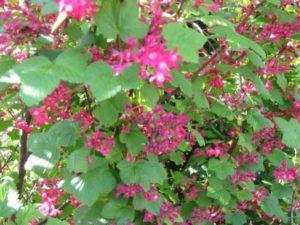
The leaf blade is light green and convex to the touch. The wrinkled, pubescent leaves are large.
Flowering and pollination
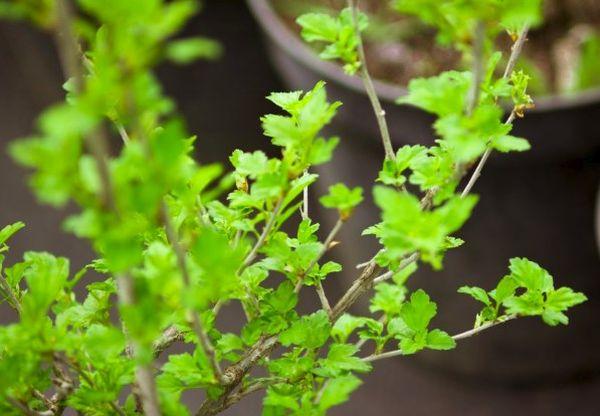
Nara can be recognized by its pale red inflorescences. A single cluster produces up to 10 flowers. The plant is self-fertile.
Fruit ripening time
Ripening occurs in early June. In areas with lower temperatures, flowers may be damaged by frost. The harvest is ready to be harvested as early as July.
Taste and yield
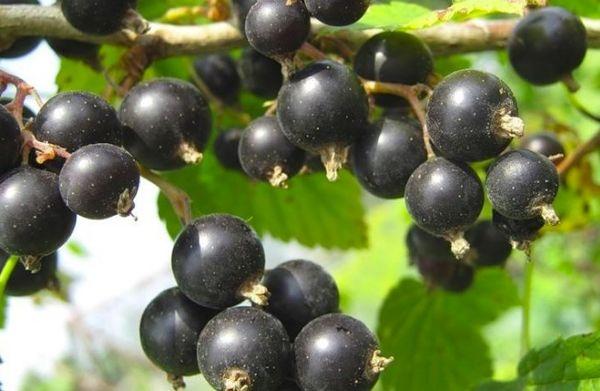
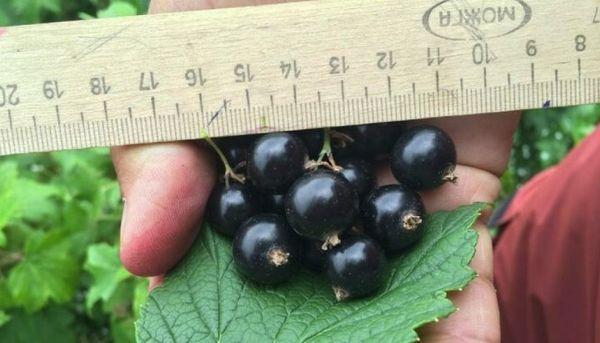
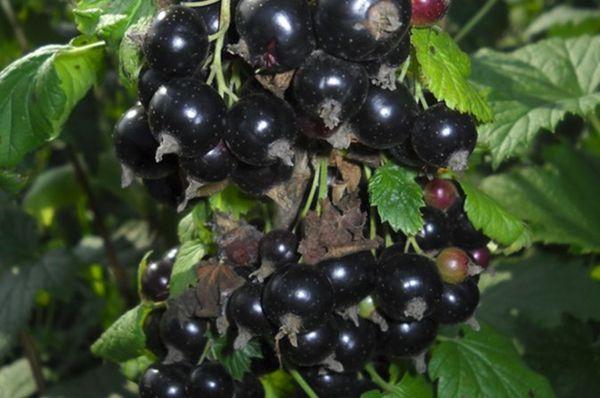
Currant berries are matte, have a sweet and sour taste, and ripen at the same time. They weigh approximately 3 g. Nara's yield is average, with up to 15 kg of fruit per bush.
Taste rating: 4.3 points.
Storage rules and scope of application of berries
Thanks to its thick skin, Nara stores well and doesn't burst when handled. It's best to store it in a refrigerator or cellar with a temperature of up to 14°C.
The berries are suitable for freezing for the winter, for eating fresh, and for making jam, compotes, and preserves.
Resistance to subzero temperatures and drought
The Nara currant does not tolerate a dry climate, so it is not intended for cultivation in the southern regions.
The plant doesn't suffer from freezing temperatures during the fruiting period. However, frosts early in the flowering period can kill the bush.
Susceptibility to diseases and pests
The variety is resistant to gray mold, anthracnose, mosaic, and powdery mildew. However, preventative measures never hurt. In rare cases, the bush is attacked by aphids and spider mites. Chemicals are used to control them.
How to plant Nara currants in your garden
Proper placement determines the continued fruiting of currants. A Nara vine can produce fruit successfully for 15-20 years.
Deadlines
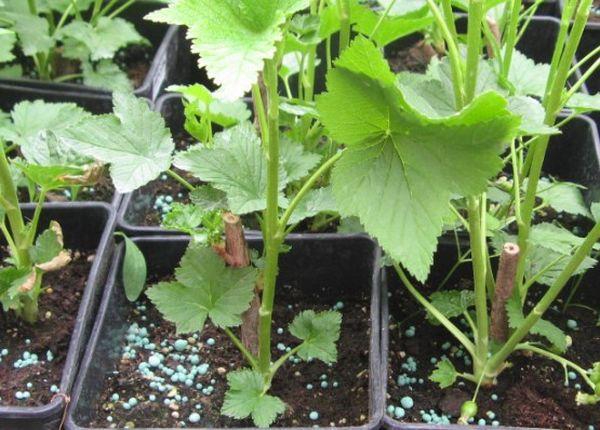
The seedling is planted in the fall, after the leaves have fallen, or in the spring, after the snow has melted, into sun-warmed soil when the temperature has stabilized.
It's recommended to plant in the fall. This will give the currants time to establish themselves before flowering.
Landing site requirements
The planting site should be sunny and well-protected from winds. The less light the plant receives, the more sour the fruit will become. South or southwest exposures are preferred.
Wet, sandy soil will slow currant growth, resulting in low yields. Loam is ideal. Purely clayey soil will reduce yield and bush development. Acidic soils are not beneficial; they should be limed first.
Seedling preparation and work procedure
To ensure a bountiful harvest, choose a sturdy seedling. Plant the currant bush in loose, prepared soil. Add river sand to any overly wet soil.
Nara currant planting algorithm:
- Dig a hole 50 cm deep.
- The bottom of the hole is lined with humus (2 buckets) and wood ash (3 l).
- Then they add soil
- The soil must settle and the hole is left for 21 days.
- If the seedling has dry leaves or damaged roots, they are removed by carefully cutting them off with a knife.
- The seedling is placed in the center of the hole, the roots are covered with soil, and watered.
- The shoot is cut so that no more than 15 cm is left above the ground.
After planting, currants should be watered once a week, no more often. Before winter, the seedlings are hilled and covered with fallen leaves from garden trees.
Further care of currants
The harvest will depend primarily on plant care. The bush needs to be watered and fertilized periodically, and branches need to be pruned.
Watering mode
Black currants love frequent watering.A slight drought won't harm Nara, but it's best not to make the situation worse. Insufficient moisture causes the berries to become smaller and fall off quickly. Ideally, pour three buckets of settled water under each bush.
During drought, watering is done twice a week.
Loosening and mulching the soil
After watering, loosen the soil. This allows the water to reach the roots more quickly. Weeds that could interfere with the currants' growth are also removed.
Fertilization
Fertilizing currants begins in the third year after planting. Use fertilizers containing nitrogen, which is responsible for foliage formation.
When flowers and berries appear on the currant bush, nitrogen is not added.
During the flowering period, apply homemade fertilizer and prepare an infusion of potato peels. Add the peels to boiling water and let it steep, covered. After it cools, water the bush with the solution.
Pruning: formative, sanitary, rejuvenating
Pruning is done in the fall. This will rejuvenate the bush and promote fruit production. Damaged, old shoots and leaves are removed.
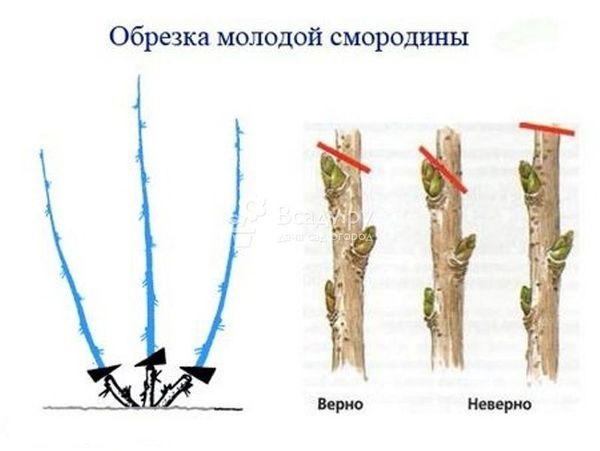
With the arrival of spring, remove frost-damaged branches. Excess branches can shade the fruit, preventing them from gaining strength. Therefore, the more compact the bush, the better.
Pouring and hardening of bushes
Only hardy seedlings can survive the drop in temperature. Some gardeners apply fertilizer at the end of August. This is not recommended, as currants should stop growing at this time, but the opposite happens.
It is recommended to harden the bush with boiling water. This is done to prevent insect and pest attacks.
Preventive seasonal treatments
All seasonal treatments are carried out after fruiting ends, or before bud formation.
Take a look Also
How to cover plantings for the winter
There's no need to wrap Nara in plastic for the winter. Simply cover it with mulch.
Methods of reproduction
Nara reproduces in three ways:
- Layering. The strongest shoots are bent toward the ground into holes and covered with soil. In the fall, the shoots that form are replanted.
- Cuttings. In summer, shoots are separated from the bush and planted in boxes filled with sand. In the fall, rooted seedlings are moved to their permanent location.
- Division. The currant root is divided into pieces and rooted, sprinkled with ash.
Tips and advice from experienced gardeners
The variety has been known for many years, so gardeners have noticed the following patterns:
- It is necessary to avoid stagnation of moisture at the roots of the currant.
- Nara tolerates frosts well, but mulching in late autumn will not hurt.
- It's better to wash berries before eating, rather than ahead of time. This will help them release their juices.
Reviews of the variety
Irina, 35 years old, Bryansk:
"The currant yield is average. It transports well and doesn't bruise. My kids love it with cottage cheese. It has amazing flavor and aroma."
Vladimir, 58 years old, Lipetsk:
"My Nara bushes are already seven years old. I feed them with potassium salt and superphosphate. I advise against planting them in the shade of the garden. My first plantings were shaded by an apple tree, and there were almost no berries."
Olga, 64 years old, Kaluga:
"I was pleased that, over the years, the currants haven't been attacked by aphids or other pests. They're early, which is a big plus."
Related posts:
 Characteristics and descriptions of the 40 best red currant varieties
 The best and new varieties of black currant for growing in the Urals, planting and care
 Description and characteristics of the 25 best blackcurrant varieties for Siberia
 The health benefits and contraindications of black currants
 Description of the 50 best blackcurrant varieties for different regions
 The health benefits and contraindications of white currants
 20 Best Blackcurrant Winter Preserves Recipes
 Red currant health benefits, properties, and contraindications