
- The history of the Venus black currant breeding
- Regions suitable for cultivation
- Main advantages and disadvantages
- Botanical information and characteristics of the variety
- Bush and root system
- Leaf blades
- Flowering and pollination
- Fruit ripening time
- Taste and yield
- Scope of application of berries
- Resistance to subzero temperatures and drought
- Immunity to diseases and pests
- How to plant currants in a garden
- Deadlines
- Selecting and preparing a site
- Seedling preparation and work procedure
- Further care of currants
- Watering mode
- Loosening and mulching the soil
- Fertilization
- Pruning: formative, sanitary, rejuvenating
- Pouring and hardening of bushes
- Preventive seasonal treatments
- How to cover plantings for the winter
- Methods of reproduction
- Cuttings and layering
- By dividing the bush
- Tips and advice from experienced gardeners
- Reviews of the variety
The currant hybrid, proudly named Venus, is considered one of the most popular varieties. It boasts large fruits and excellent drought tolerance. The Venus currant variety produces high yields and is often used for medicinal purposes. Many new varieties have appeared recently, but this crop is still used by gardeners as a supplement to their vegetable gardens.
The history of the Venus black currant breeding
Russian breeders developed a new currant variety by crossing the Finnish variety "Bredtorp" (Karelian) with the Siberian variety "Golubka" (Seyanets Golubka). This process was carried out by V.S. Ilyin. The currant was developed in the southern Urals and has been in use since 2004.
Regions suitable for cultivation
The Venus currant tolerates drought, low humidity, and severe frosts well. Therefore, in addition to mid-latitudes, it is also commonly found in the north. Currants are grown in Russia, Ukraine, Belarus, and other neighboring countries.
Main advantages and disadvantages
The benefits of currants include:
- The plant is undemanding to growing conditions and tolerates drought and frost well.
- Resistant to the main currant diseases.
- It has large fruits, uniform ripening of berries, and tolerates transportation well.
- High tasting score of 5 points.
- Dessert taste.
But this hybrid also has its drawbacks: low resistance to septoria and bud mite.
Botanical information and characteristics of the variety
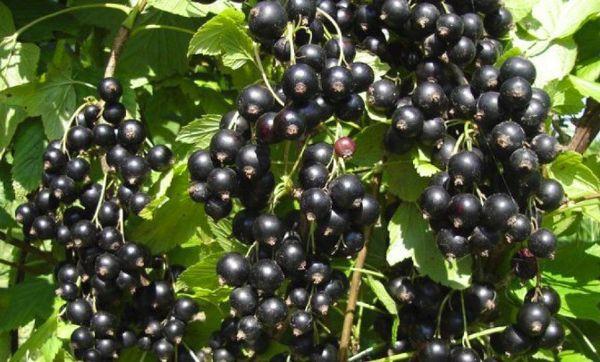
The plant belongs to the Gooseberry family. Blackcurrant grows as a small bush with a pyramidal shape and spreading branches.
Bush and root system
The bush is low (1.2-1.5 meters). The crown is spreading, with 15-20 main branches at the base of a mature plant. The bark is brown with a light gray coating, rough to the touch. The shoots are dark green. The upper part has a pink coating. The root system has thin branches directed in different directions. The central root is directed downward.
Leaf blades
Currant leaves are medium-sized. Their color typically ranges from dark green to rich light green or slightly burgundy. The leaves have small, rounded teeth on the sides. Sometimes the blade is slightly deformed or curled. The underside is slightly rough.
Flowering and pollination
Currant flowers are pale pink. A cluster typically contains 7-10 flowers. The petals are ovoid. The plant is pollinated by insects (bees, bumblebees). Venus is self-fertile, so it does not need additional pollinators.
Fruit ripening time
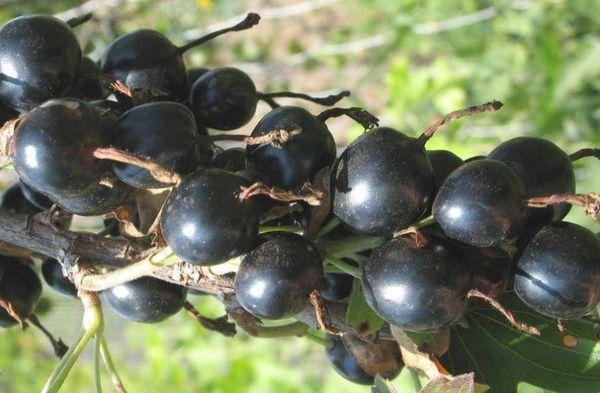
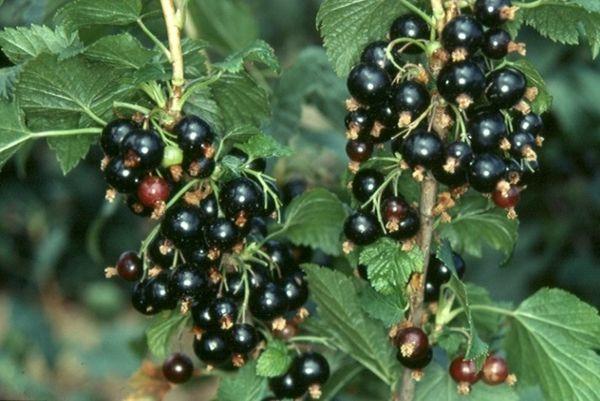
The berries ripen in early to mid-August. Currants bear fruit unevenly, so the entire harvest is collected in 2-3 harvests. A mature bush can yield up to 5 kilograms of currants.
Venus bears fruit already in the second year, but a full harvest is expected in the 3rd year after planting.
Taste and yield
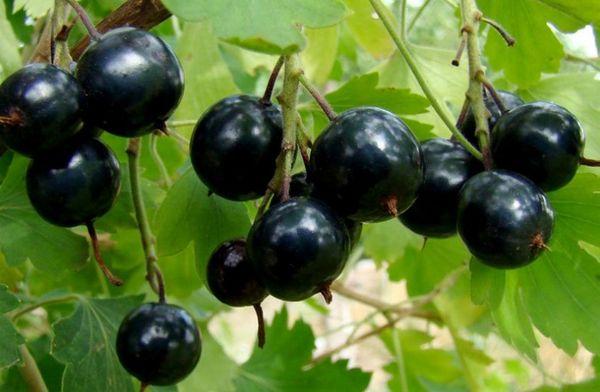
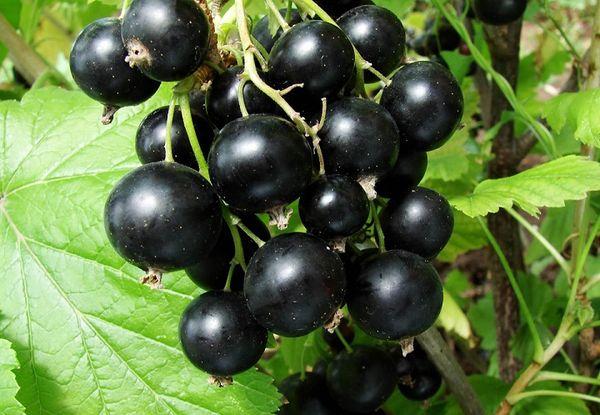
Its flavor is what puts this variety at the top of the list. The flavor of the Venus currant variety was rated 5 stars. This hybrid also has a very high yield. It is considered a dessert variety.
Scope of application of berries
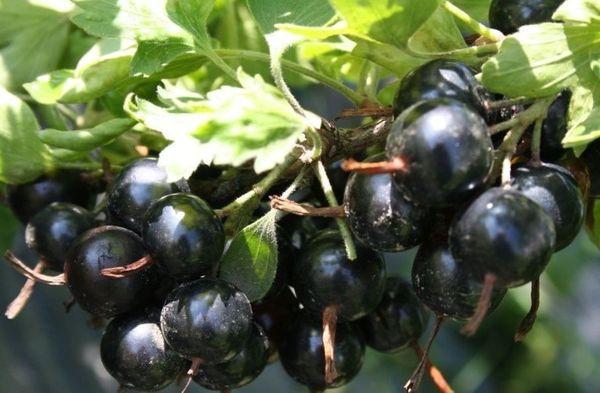
The berries of this plant are popular eaten fresh and are often used to make compotes. Due to their high sugar content, this hybrid is ideal for making preserves and jams.
Resistance to subzero temperatures and drought
Currants tolerate subzero temperatures well (down to -38 degrees Celsius). Dry air and soil are also not a problem. The bush can survive for long periods without water.
Immunity to diseases and pests
This is another advantage of the Venus variety. Currants are rarely affected by powdery mildew and anthracnose. However, there is a risk of septoria leaf spot and bud mite. To avoid this, preventative treatments are used.
How to plant currants in a garden
Planting is not difficult, but requires following the rules and fertilizing the planting site beforehand.
Deadlines
Currants are planted in spring and summer, depending on the weather and the gardener's preference. It's best to plant on a sunny, windless day. Soil preparation begins in August.
Selecting and preparing a site
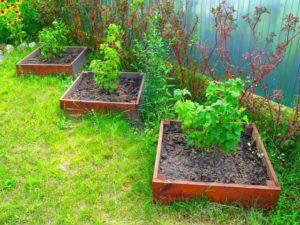
Choosing a location won't take long, as the plant is easy to grow. A site with partial shade is best. The soil should be sufficiently moist, avoiding marshy or acidic soil. Also, make sure the chosen location isn't located in an area with high groundwater levels.
The best place would be an area near the wall of a house or fence.
Seedling preparation and work procedure
The plot is dug over, weeded, and fertilized. A mixture of rotted manure, superphosphate, and potassium sulfate is created. Then, a planting hole is dug. A two-year-old seedling is selected and checked for signs of disease or damage.
The hole should be 50-60 centimeters deep and 55-60 centimeters in diameter. The topsoil is mixed with two buckets of peat or compost, and ash is added. Superphosphate and potassium phosphate are also added as fertilizers. Top with a fertile layer of soil and add one to two buckets of water. Then planting begins.
The currant roots are spread out and checked again for damage. Then, the roots are covered with soil and gently compacted. Watering is done several times as the roots are buried. The currant root collar is pressed 5-7 centimeters into the soil. After this, the soil is mulched with peat.
Further care of currants
Care for the first two years after planting is simple. The bush requires watering, loosening the soil, and clearing the area around the plant of weeds.
Watering mode
The Venus variety is drought-resistant, but requires regular watering. The quality of the harvest and the health of the plant depend on this. Currants are watered 3-5 times per season, in June, July, September, and November. Two to three buckets of water are used per bush. This hybrid is very moisture-loving.
Loosening and mulching the soil
The soil around the plant is cultivated frequently. A layer of air is created to prevent water stagnation. The soil is also periodically mulched with peat or sawdust. Overgrowth is removed promptly.
Fertilization
Fertilizing begins when the currants begin fruiting. This ensures the plant receives more vitamins and minerals for berry growth. In the spring, organic fertilizers such as humus and compost are used. Phosphorus and potassium are added to the soil in the spring. This is done after flowering has finished, and again in the fall, after the harvest.
Pruning: formative, sanitary, rejuvenating
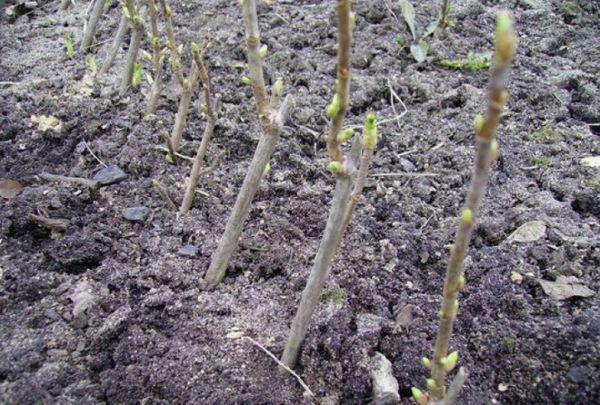
After planting, the first pruning is performed. The number of branches is reduced to 3-4. This is done to shape the crown. This process continues throughout the currant's life. Branch pruning is done to prevent diseases. Although the variety is resistant, it is better to prevent a problem than to solve it later. Pruned branches and leaves are burned. Branches aged 5-6 years are also pruned to make way for younger ones.
Pouring and hardening of bushes
At the end of winter, as a preventative measure, the bushes are doused with boiling water. This is a folk remedy for diseases and also serves as a wake-up shower for young plants.
Preventive seasonal treatments
Powdery mildew, rust, and similar diseases are rare on Venus. However, the variety is quite susceptible to septoria leaf spot and can sometimes be attacked by bud mites. These diseases also occur in other varieties.
Their distinctive characteristics include the appearance of light spots with a reddish rim. Later, the affected foliage becomes covered with dark spots, which then dry up and fall off.
It is necessary to ensure that moisture does not stagnate in the soil, as this is an excellent habitat for fungal diseases.
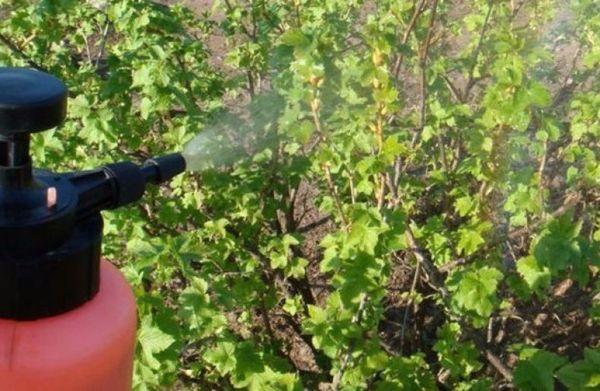
Control methods include promptly removing leaves and disposing of them. Gardeners burn dry branches and treat the trunk with a solution of copper sulfate or copper oxychloride. As a preventative measure, Venus is sprayed with a 1% Bordeaux mixture four times per season. This is done before flowering, after flowering, and two to three weeks after the second treatment.
Young buds are susceptible to attack by bud mites. Signs include swollen buds and the appearance of small leaves on the shoot. To combat the mites, use a simple method: plant onions and garlic near the currant bushes. If this doesn't work, cut out and burn the affected branches. At the beginning of flowering, spray the flowers with a garlic solution.
How to cover plantings for the winter
Since currants are disease-resistant, they don't require additional insulation. However, they are pruned in the fall and the soil around the plant is dug to prepare it for winter. The branches are tied with rope and secured until spring.
Methods of reproduction
Most often, propagation is carried out by cuttings (woody, green), arcuate layering, and also by rooting two-year-old branches from the main bush.
Cuttings and layering
The simplest method of propagation is by layering. In just one year, you'll obtain strong seedlings with well-developed root systems. This procedure is performed in the spring. To do this, select a two-year-old branch growing at an angle on the periphery of the bush, which can be easily bent to the ground.
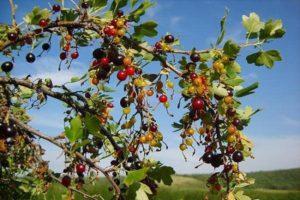
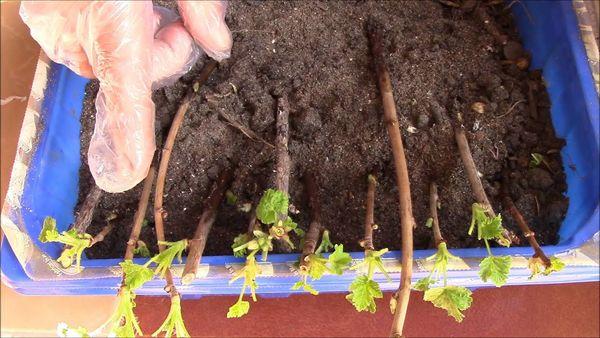
Dig a hole 11-13 centimeters deep under the branch. Then bend the branch so that its middle section is in the hole and the top 20-30 centimeters long protrudes beyond. Secure it with a hook, fill the hole with soil, and water regularly throughout the summer. As autumn approaches, the branch begins to root, and 2-3 shoots appear. At the end of autumn, the rooted shoot is cut off and replanted.
Propagation by layering is more difficult. A greenhouse or hotbed is essential.
Propagating from woody cuttings produces slightly weaker seedlings. However, this method offers the opportunity to develop new varieties. Cuttings can be planted in spring and fall. They are taken from the middle of the shoot, 9-10 mm thick. Both ends of the cuttings are dipped in melted garden pitch or paraffin. This prevents the plants from losing moisture. The cuttings are tied into bundles by variety. They are wrapped and stored in the freezer or buried in snow. Planting is done in early spring. The lower end of the cutting is cut off. Plant at a 45-degree angle.
By dividing the bush
This method is rarely used. It is most often used during landscaping. Currant bushes are dug up and divided into sections. Each section should contain 2-3 branches with roots. The branches are shortened by ¾ of their length. After planting, the soil layer above the upper roots should be 5-7 centimeters. The bushes produce new shoots within a short time.
Tips and advice from experienced gardeners
The plant thrives on moisture, so it's important to keep an eye on its watering schedule. Preventative care is essential for Venus, so don't let its resilience fool you. Partial shade is best for planting. Organic fertilizer is best for currants. Monitoring the leaves can tell you a lot about the plant's health. Yellowing at the leaf edges indicates a potassium deficiency. Regular weeding will have a positive effect on the Venus's health.
Reviews of the variety
Irina Usik: "By all measures, this variety has become the best for me. We have frequent weather changes, but that's not a problem for Venera. The fruit is very sweet. We make jam and preserves every year. The bush is easy to care for."
Sergey Vasiliev: "I have four bushes of this variety growing in my garden. The plant is easy to grow. The berries are large and sweet. Caring for them is a pleasure."
Related posts:
 20 Best Blackcurrant Winter Preserves Recipes
 Description and rules for growing black currant variety Veloy
 Characteristics and descriptions of the 40 best red currant varieties
 The health benefits and contraindications of white currants
 When is the best time to plant currants to get a good harvest?
 The health benefits and contraindications of black currants
 TOP 10 recipes for red, black, and white currant sauce and ketchup for the winter, and how to store your preparations
 Description of the 10 best currant varieties for the Moscow region, planting and care