
- Botanical characteristics of ornamental currants
- Advantages of using in landscape design
- Forms and varieties
- King Edward VII
- Ribes alpinum
- Aurum
- Laciniatum
- Pumila
- Blood Red Koja
- Subtleties of cultivation
- Necessary conditions
- Pollinators: What to plant nearby
- Selecting a seedling
- Planting technology
- Care Features
- Watering
- What to feed
- Bush formation
- Wintering
- Pest and disease control
- Methods of propagation of ornamental crops
- Gardeners' reviews
Ornamental currant varieties are popular garden decorations among residents of the CIS and beyond. There are many varieties, varying in color and bush length. There are no known agronomic differences between the varieties. To successfully plant currants, please read the information below.
Botanical characteristics of ornamental currants
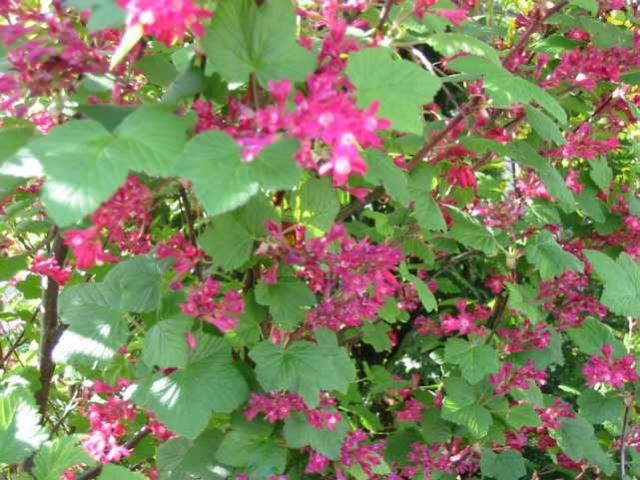
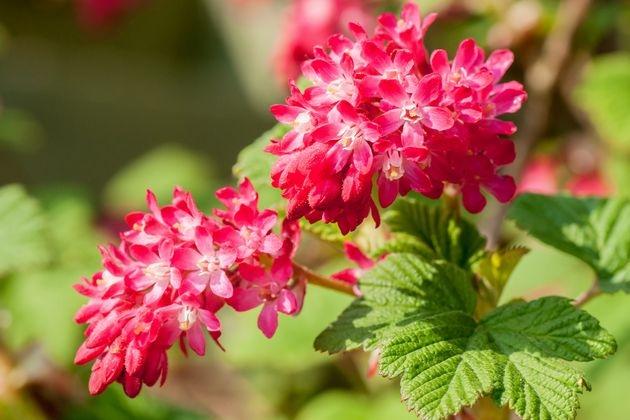
Ornamental currants will grace any garden with their lush clusters of fuchsia-like spring flowers. The leaves are green or golden, becoming their most vibrant color in autumn. They are alternate, 3-5-lobed, and up to 7.5 cm long.
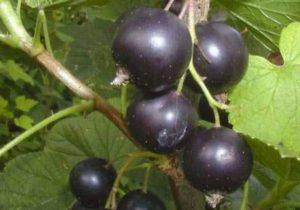
The inflorescences are small, in racemes up to 10 cm long, and in some varieties, quite conspicuous. In summer, spherical black or scarlet berries ripen. All varieties of ornamental currants are frost-hardy, and some are evergreen.
Advantages of using in landscape design
Ornamental currants are widely grown as standard trees grafted onto bushes. The red variety looks great next to yellow-flowered forsythia. It's best planted next to bulbous plants, spring-flowering perennials, and also near serviceberries and viburnums. Daffodils, forget-me-nots, or tulips will add charm to the arrangement.
Forms and varieties
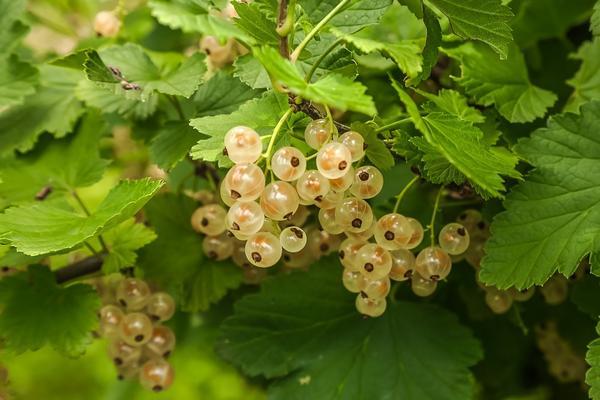
There are many varieties of ornamental currants; the most popular are listed below. All varieties produce abundant harvests and are undemanding in terms of soil and care.
King Edward VII
The ornamental currant variety King Edward is one of the best shrubs. The flowers are burgundy and borne in dense, long clusters. The bush is airy and loose.
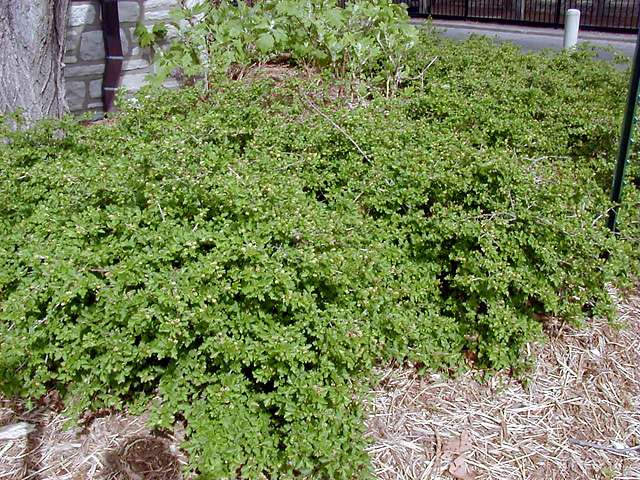
Ribes alpinum
This ornamental currant variety is most often used to create hedges. The bushes grow low, up to 1.5 meters in height. This variety is popular in Europe and the southern part of the Russian Federation. Its flowers are elongated clusters of small, yellowish-green inflorescences. In July, pinkish or scarlet berries appear, blending with the green foliage of the bush. The fruits are a delicacy for birds.
Aurum
Bush wild currant Aurem has a luxurious, rounded habit. The pleasantly scented yellow-gold flowers are gathered in short, drooping clusters. The fruits are large and glossy black. In autumn, the leaves turn bright yellow or orange, sometimes with purple-burgundy hues.
Laciniatum
This variety of alpine currant is a dioecious deciduous shrub up to 1.5 cm tall. The leaves are 3-5 distinct, coarsely toothed along the edges. The inflorescences are dioecious, with male flowers collected in erect cymes up to 4 cm long. The sepals are dissected. Female flowers are held on short leaves.
Take a look Also
Pumila
The ornamental currant Pimula reaches 1.5 meters in height, and the bush grows up to 60 cm in width. It has a spherical shape, numerous leaves, and curved, dark-brown shoots. The plant is frost-resistant and roots well from cuttings. Flowering and fruiting occur 5-1 years after planting.
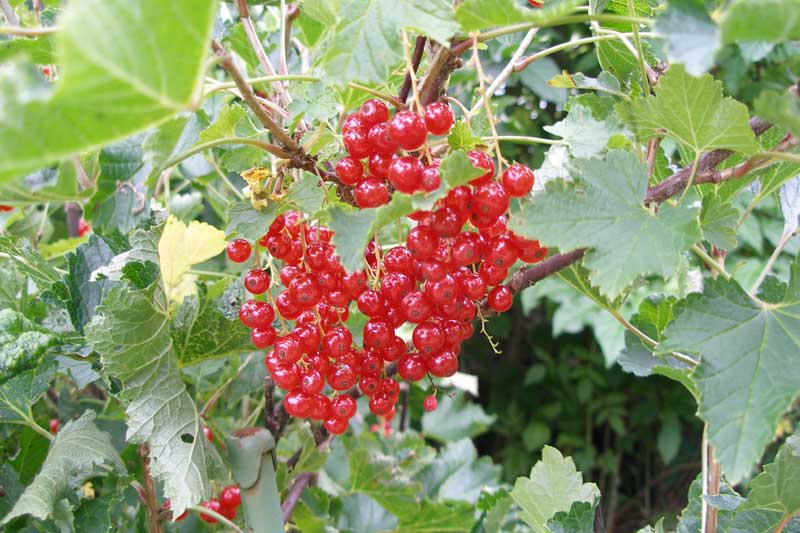
Blood Red Koja
This variety is an American species, commonly used for landscaping. It is widely found in Canada and the northern United States. The bushes are lush when in bloom, reaching over 4 meters in height.
The leaves are of the classic currant shape, light yellow or dark green in color.
The flowers are small, reddish or pinkish in color. A long bloom occurs in May, followed by new berries with a slight bloom. They are non-toxic, tasteless, and not used in cooking.
Subtleties of cultivation
Ornamental currants are planted in March or September. In regions with cold winters, it's preferable to plant in April, once the threat of frost has passed. Dig large holes, 2-3 times larger than the root system.
The seedlings are planted in the same way as for currants. After planting, water the currants generously to speed up their adaptation. Then, mulch with sawdust, humus, and peat.
Necessary conditions
Ornamental currants should be grown in sunny areas, though partial shade is also acceptable. In shade, the bushes will not bloom profusely. The site should not be exposed to strong winds; areas on upper slopes are best. The ideal soil is moist, fertile, and loose. Currants prefer neutral or slightly acidic soils. It's important to avoid heavy, clayey, or damp soils.
Pollinators: What to plant nearby
Almost all varieties of ornamental currants are self-sterile. To ensure a harvest, two varieties of any other currant are planted next to the bushes. Without cross-pollination, the bush will continue to bloom, serving as an ornamental plant, but will not produce berries.
Selecting a seedling
It's best to buy seedlings from nurseries or reputable market sellers. If you buy seedlings from a scammer, you could end up with the wrong variety or root suckers. The latter option requires a longer rooting period. The bushes should be 2-3 years old, well-developed, with dense, smooth bark. Before planting, soak them in Epin or Matador growth stimulant for 2 hours. You can also dip them in potassium permanganate for disinfection.
Planting technology
Before planting, the soil is tilled to the depth of a bayonet, and weeds are removed. This allows the soil to become oxygenated. Mineral fertilizers, compost, or humus are added. Use only well-rotted manure; fresh manure stimulates couch grass growth.
The planting scheme involves the following aspects.
- The planting hole size is 50 x 50 x 50 cm. Maintain a distance of 2.5-3 meters between trenches, as currant bushes are spreading and tall.
- Place a layer of expanded clay and crushed stone at the bottom of the hole. Then, add a soil mixture consisting of a bucket of compost, 1.5 cups of wood ash, 300 g of superphosphate, and the excavated soil.
- The seedlings are lowered into the trenches, carefully spreading out the root system. They are then filled with a soil mixture. The root collar is buried 5-7 cm deep.
- If rooted cuttings are planted, they are placed at an angle of 45 degrees.
Take a look Also
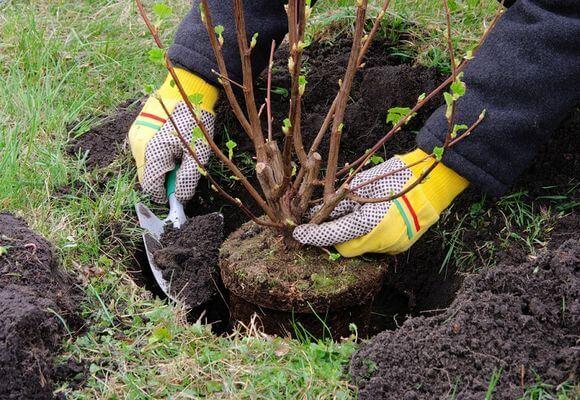
Water the plantings with 0.5 buckets of water per bush. Use settled water. Prune the planted bushes to four buds, and remove any deformed branches completely.
Care Features
Standard care for ornamental currants includes regular watering, loosening the soil, fertilizing, and pruning. They are also treated with chemicals or folk remedies to prevent bugs and diseases.
Watering
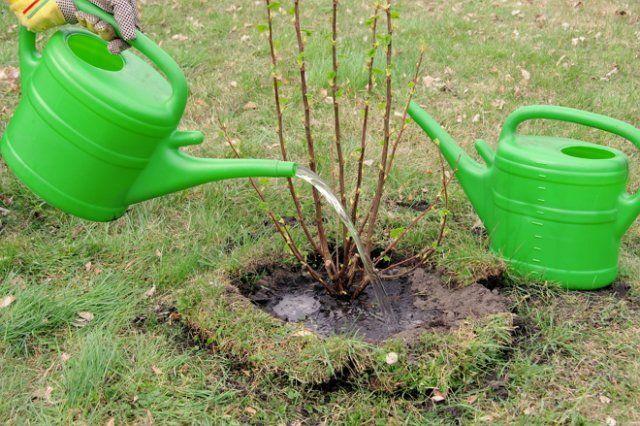
Ornamental currants require regular watering, with bushes watered once a week. Each plant requires 10 liters of water. Apply water at the roots, avoiding contact with the leaves, as this can cause burns.
What to feed
Fertilizer applied when planting ornamental currants lasts for 2-3 years. After that, add one additional feeding per growing season: in March, feed the bushes with organic matter or complete mineral fertilizers. To avoid weeding, maintain a mulch layer. If there is none, loosen the soil one to two times per year.
Bush formation
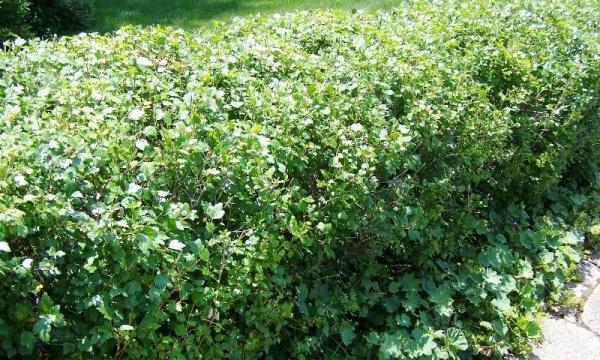
It is important to thin out ornamental currant bushes three times a year and carry out regulatory pruning. Weak, damaged internal parts are removed, and old branches are cut back to the stump to rejuvenate the tree. These branches are usually 5-6 years old. Young branches are shortened by 1/3 to stimulate active growth and branching. The optimal time for pruning is late March or early April.
Wintering
In the middle and northern latitudes, shrubs are prepared for the winter period in the following way:
- After the leaves have fallen, remove the top layer of soil and hill up the lower part of the bushes;
- If there is a lot of snow in winter, they cover the currants with it;
- When there is little rainfall, the bushes are covered with spruce branches, the layer of foliage is increased, and they are wrapped in non-woven fabric.
Ornamental currants do not require winter shelter in southern regions.
Pest and disease control
Ornamental currants can be susceptible to beetle attacks or diseases if not properly cared for, or if they are not cared for at all. Yellowing or spotting of the foliage indicates these problems.
The following pathologies are considered standard diseases affecting currants.
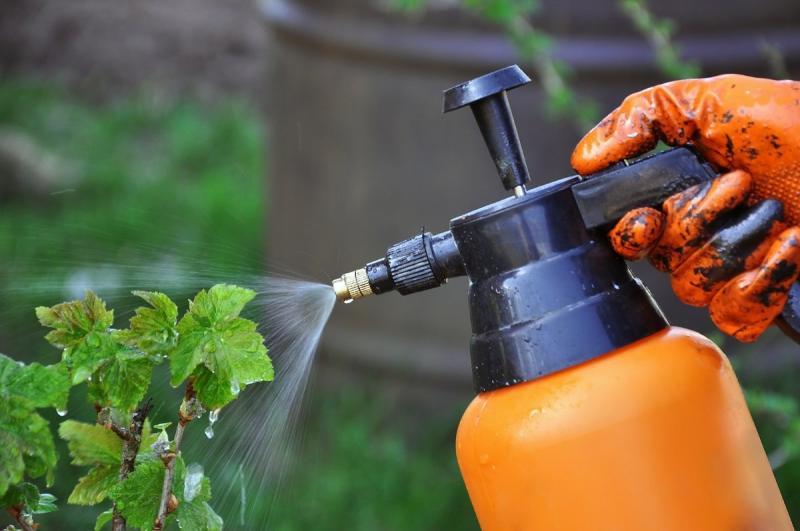
- Fungal and viral diseases. These diseases are characterized by a coating on the leaves, spots, and leaf drying. Viral diseases are difficult to treat, and plants usually die. As a preventative measure, currants are treated in the spring with a solution of urea, potassium permanganate, Bordeaux mixture, and other fungicides.
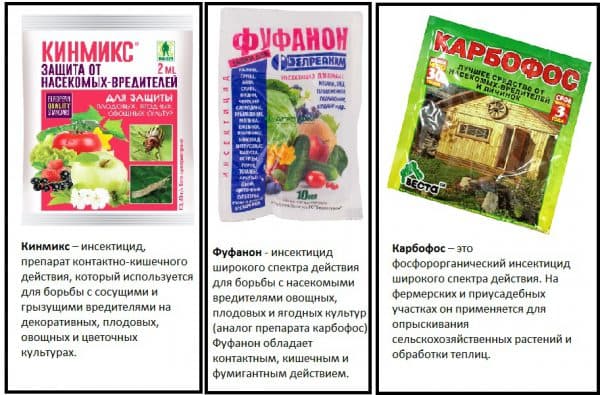
- Aphids and mites attack. They settle on the leaves of ornamental currants, sucking the plant's juices. Due to their harmful effects, the leaves turn yellow and fall off. To kill the insects, spray the bushes with a tobacco or soap solution. After harvesting, the plantings can be treated with chemicals.
If you apply the required amount of fertilizer and water it regularly, ornamental currants will not be affected by diseases or bugs.
Methods of propagation of ornamental crops
Ornamental currants are propagated by cuttings, seeds or layering.
- Experienced gardeners recommend the first method. 25-cm-long cuttings, cut in the summer, are planted in containers with moistened soil. A transparent mini-greenhouse is placed on top. Ninety percent of the cuttings root, and they are planted in the fall.
- Another popular propagation technique is layering. Shoots located close to the soil are placed in prepared furrows and covered with soil. To prevent them from rising, they are secured with wire clips. When the soil is consistently moist, the layers take root. Bushes grown using this method grow quickly after separation and planting in their permanent location.
- Ornamental currants are rarely propagated by seeds. This labor-intensive method is used when cuttings or ready-made seedlings are unavailable. Before planting, the plants are stratified for 2-3 months. About 1/3 of the sown seeds germinate. The seeds can be sown in containers before winter or directly into the garden. In this case, the young shoots will require careful care in the spring.

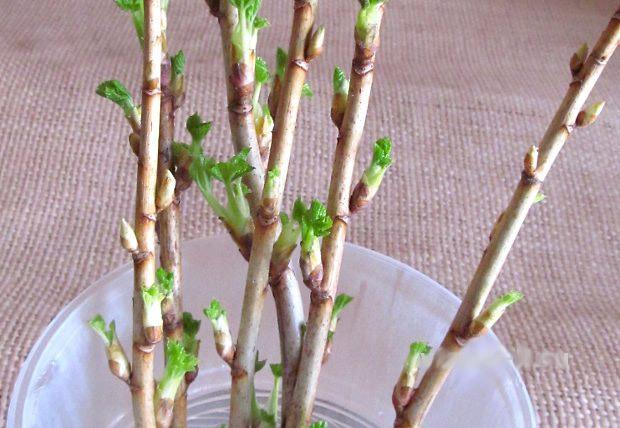
If the rules are followed strictly, even inexperienced gardeners will be able to propagate ornamental currants.
Gardeners' reviews
Gardeners are responding positively to ornamental currants. The information below will help you learn more about this crop.
Pavel, 56 years old, Podolsk
Hello! I've been growing ornamental currants at my dacha for over 10 years, and I prefer the Pimula variety. The plant is easy to care for, though I was once attacked by aphids. I managed to get rid of them with a soapy solution. I highly recommend this variety!
Victor, 59 years old, Orel
Hi everyone! I'm using the ornamental currant 'Aurem' as a decoration for my arch. I learned about this variety from a neighbor and bought seedlings at the market. It's not a disease-free plant and produces gorgeous flowers.
Valentina, 45 years old, Orsk
Hello! My favorite variety of ornamental currant is King Edward. I've been growing it at my dacha since 2015, using it as a garage decoration. It's easy to care for; I water and fertilize the bushes regularly. I recommend it to everyone!
Related posts:
 Characteristics and descriptions of the 40 best red currant varieties
 The health benefits and contraindications of black currants
 Red currant health benefits, properties, and contraindications
 The health benefits and contraindications of white currants
 20 Best Blackcurrant Winter Preserves Recipes
 Description of the red currant variety Sakharnaya, features of planting and care
 Description of the red currant variety Nenaglyadnaya, planting and care
 The best and new varieties of black currant for growing in the Urals, planting and care