
- The history of blackcurrant breeding Binar
- Growing areas
- Pros and cons of the variety
- Botanical information and characteristics of the variety
- Bush and root system
- Leaf blades
- Flowering and pollination
- Fruit ripening time
- Taste and yield
- Scope of application of berries
- Resistance to subzero temperatures and drought
- Susceptibility to diseases and pests
- How to plant the Binar variety in a plot
- Optimal timing
- Selecting and preparing a site
- Seedling preparation and work procedure
- Further care of currants
- Watering mode
- Loosening and mulching the soil
- Fertilization
- Pruning: formative, sanitary, rejuvenating
- Pouring and hardening of bushes
- Preventive seasonal treatments
- How to cover plantings for the winter
- Methods of reproduction
- Tips and advice from experienced gardeners
- Reviews of the variety
Gardeners are likely familiar with the Binar blackcurrant variety. It produces high yields of large, aromatic fruits with a pleasant sweet-tart flavor, excellent transportability, and is a popular choice among consumers. Additionally, the plants are resistant to bud mites and diseases.
The history of blackcurrant breeding Binar
This variety, also known as Pamyati Pavlova, was bred at the N. I. Vavilov Research Institute by crossing the Ojebyn and Naryadnaya varieties in 1991.
Growing areas
This variety adapts well to all climates. But one of its main advantages is that it is approved for use in the Far East, Northern, and Northwestern regions.
Pros and cons of the variety
Positive qualities of currant berries:
- large-fruited;
- bright aroma of berries;
- high commercial qualities;
- preservation of freshness during transportation and taste after processing.
Gardeners are attracted by the plants' resistance to cold, bud mites, diseases, and stable yields.
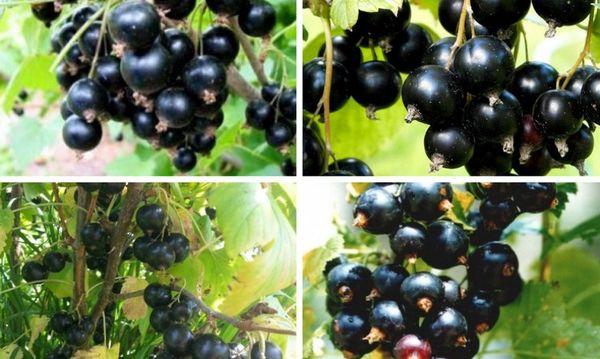 Among the disadvantages, experts note the sour taste of the berries and the shedding of the fruit after ripening.
Botanical information and characteristics of the variety
Binar has absorbed the main characteristics of its parent varieties.
Bush and root system
The bushes grow up to 170 cm – the variety is tall.
The shoots are of medium thickness, not spreading, lowered to the ground, at first green or pinkish-crimson in color, then brown.
The plant has a developed root system.
Leaf blades
In spring, the Binar currant bush is covered with large, ovoid buds with pointed tips, slightly drooping, red with a purple or pink tint, located parallel to the branches.
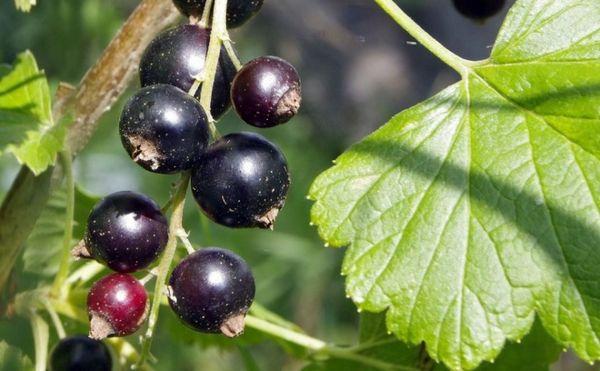
The bush produces a few leaves, as if folded in the middle along the central uncolored vein with the central lobe extended forward.
Flowering and pollination
Following the leaves, large, goblet-shaped, pinkish-white flowers with uneven coloring appear on the branches. The petals are tilted inward toward the pistil, which rises above the anthers.
When the flower ripens, they burst on the inner side, tilted toward the pistil. Insects, attracted by the currant's aroma, touch the pollen with their heads and transfer it to the stigma.

Fruit ripening time
The first berries appear on the bushes in mid-summer. The main harvest occurs in mid-August—this is a mid-season variety.
Taste and yield
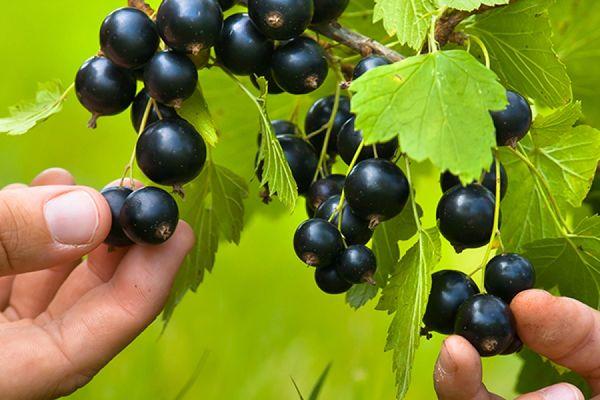
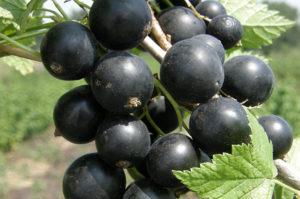
Binar produces a consistently productive variety. Large, round or oval berries, 1.2 to 1.4 g in diameter, have a thick skin.
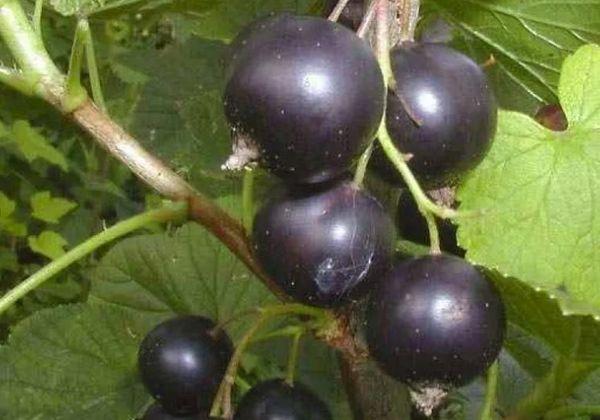
Experts rate the berries' taste at 4.4 points – they have a higher acidity level than some other varieties: 10.4% sugars account for 3.3% acidity.
The plant's valuable leaves contain a huge amount of P-active substances - 2965.3 mg per 100 g of foliage.
Scope of application of berries
Binar currants can be transported without losing their marketable appearance and have a long shelf life. They are consumed fresh and canned, and are used in various desserts. This variety is considered a universal currant.
Resistance to subzero temperatures and drought
The main advantage of the Binar currant is its excellent winter hardiness.
Plants can withstand low temperatures, unlike other varieties, and are drought-resistant.
Susceptibility to diseases and pests
This selectively bred variety is not susceptible to bud mite, unlike other varieties. It is also resistant to other diseases common to blackcurrants.
How to plant the Binar variety in a plot
Growing this variety in your dacha or garden requires little gardening knowledge. The planting procedure is similar to replanting other varieties.
Optimal timing
Binar can be planted in either spring or fall. However, if transplanting to areas with harsh climates, spring is best, allowing the plant time to establish roots before frost sets in.
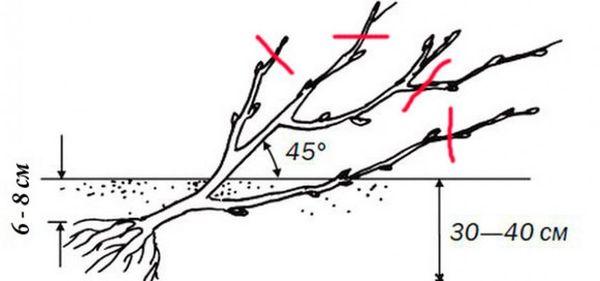 Ideally, the procedure should be performed in completely thawed soil, but before the buds on the bush swell. The air temperature should be around +1°C.
The adaptation process usually takes about 3 weeks.
Selecting and preparing a site
When replanting a currant bush of the Binar variety, it is necessary to take into account:
- soil acidity;
- illumination of the area;
- wind protection.
Neutral or alkaline soil is preferred. Excessively acidic soil can be neutralized with lime.
Currants bear fruit in the shade, but in a sunny area the yield is higher.
Having decided to grow black currants in his dacha or garden, the gardener should:
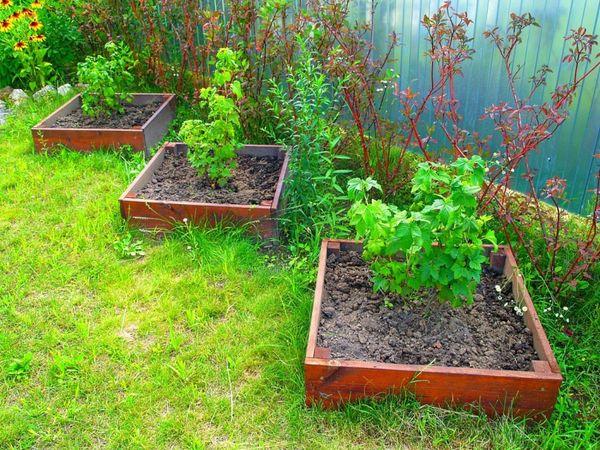
- Dig a hole one and a half shovels deep and 30-50 cm in diameter (the size depends on the volume of the root system of the bush being transplanted).
- Place compost inside the hole. Pure manure is not recommended, as it can burn the roots.
- The hole is filled with water, 1-2 buckets.
- The prepared area is left to “ripen” for a week.
Take a look Also
Seedling preparation and work procedure
Before replanting, the purchased plant should:
- In a container, make a paste of clay, cow dung and water and dip the roots of the bush into it.
- After wrapping the root system in plastic or thick fabric, it is placed in a dark room with a temperature slightly above +1 degree to slow down natural processes.
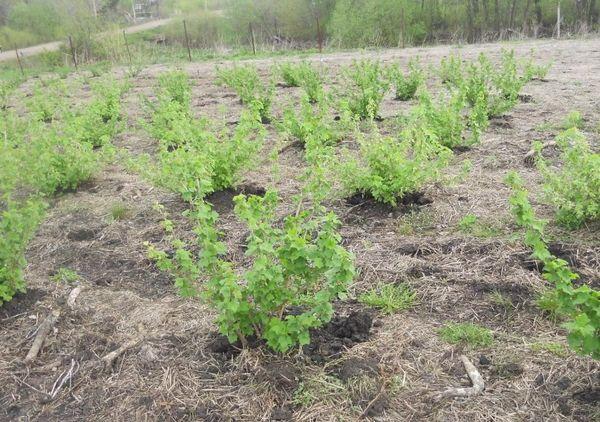
- Make a hole in the prepared hole into which the plant's roots are placed. There's no need to wash off the clay before planting.
The soil around the trunk is carefully compacted to ensure the bush is firmly in place and does not fall over. Don't forget to mulch the area around the trunk with straw or peat.
It is not recommended to use sawdust for this purpose - it acidifies the soil, which is harmful to currants.
Further care of currants
The requirements for growing the Binar variety are the simplest.
Watering mode
Despite the drought resistance of the plant, regular watering currants This will ensure a bountiful berry harvest. Therefore, it is recommended to "water" the plantings once a week by placing a hose with a gentle stream of water in a groove along the rows to prevent soil erosion.
The procedure lasts up to 10 minutes so that the soil is saturated with moisture, but the water does not stagnate.
Loosening and mulching the soil
During the summer, carefully monitor the currant patch to ensure it remains free of weeds. Regular loosening of the tree trunks is essential to allow air to penetrate the soil. This prevents the formation of a hard crust on the soil.
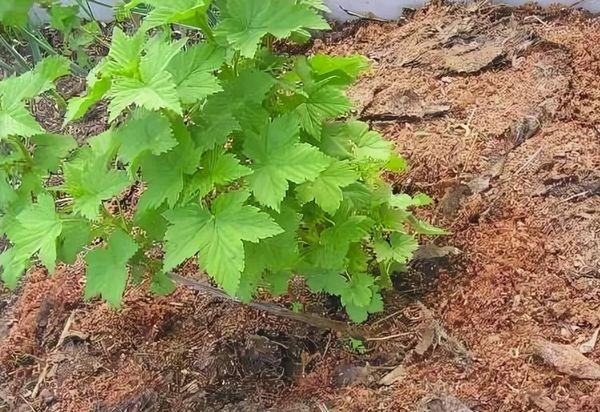
Mulching with dry grass, peat, and straw will reduce the need for watering and tilling. This method will help gardeners save time and effort.
Fertilization
Fertilizing plants is a great way to increase their yield.
At the end of summer, phosphorus-potassium fertilizers should be applied under the bushes, while in the spring, nitrogen mixtures give good results.
Solutions of cow, horse, goat or rabbit manure, bird droppings are added at any time of the year. It is only important to maintain the ratio of manure (droppings) to water so as not to burn the root system with too high a concentration.
Pruning: formative, sanitary, rejuvenating
Plants are regularly pruned in early spring before the buds swell or in late autumn after the leaves have fallen.
Sanitary pruning involves removing diseased, weak bushes.
Plants growing between rows are trimmed or dug up. This is called formative pruning.
Avoid leaving too many old bushes in your currant patch. It's better to allow the young shoots to grow more freely. Pruning old bushes is called rejuvenating pruning.
Pouring and hardening of bushes
To boost the plant's immunity, pour boiling water over the roots. This should be done in early spring before the buds swell.
Watering the entire bush with 70-80°C water from a watering can creates stress for it. This procedure is considered a hardening effect. It should also be done in early spring before the buds swell.
Preventive seasonal treatments
Pouring boiling water over currant roots kills mites, and dousing the entire bush with hot water protects against fungus, rot, and powdery mildew. This hasn't been scientifically proven, but experienced gardeners unanimously swear by it: it works.
A substitute for this procedure is dousing the bush in April-May before bud break with a special solution: 60 g of urea carbamide and 5 g of copper or iron sulfate per 1 liter of water. In addition to preventing mites, fungi, and diseases, this dousing also provides nitrogen fertilizer to the plants.
How to cover plantings for the winter
The currant patch is covered with specially designed breathable materials. Polyethylene should not be used to prevent mold and rot on the plants.
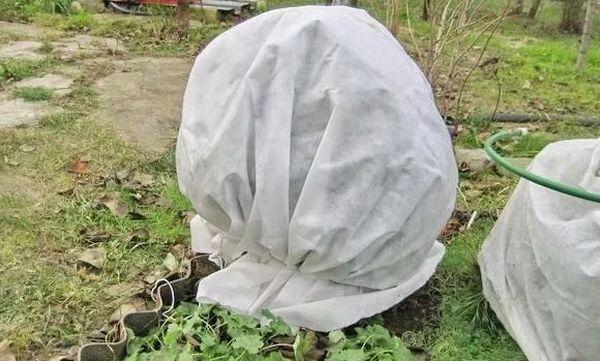
Single bushes are protected from frost using old-fashioned methods. For this purpose, currants are wrapped in burlap or other thick fabric.
Methods of reproduction
Currants are propagated by cuttings, layering, and dividing the bush.
Cuttings are taken from old branches; young shoots are not suitable for this.
Layers are the shoots from this year that are carefully dug up with roots and transplanted to another location.
After dividing the lush bushes with a vertical blow of a sharp shovel, the rhizome is severed. One part of the plant is left in its original location, while the other is replanted.
Tips and advice from experienced gardeners
Growing Binary is not at all difficult if you follow the main rules:
- choose the right place for the plant;
- Provide fertilizing, regular watering, weeding, pruning, and disease treatment for currants.
Reviews of the variety
Despite some drawbacks—the berries are a bit sour compared to other varieties—gardeners enjoy growing Binar currants because they require minimal care and easily tolerate frost and drought.
Related posts:
 20 Best Blackcurrant Winter Preserves Recipes
 Description and rules for growing black currant variety Veloy
 Characteristics and descriptions of the 40 best red currant varieties
 Description and characteristics of the 25 best blackcurrant varieties for Siberia
 TOP 10 recipes for red, black, and white currant sauce and ketchup for the winter, and how to store your preparations
 The health benefits and contraindications of white currants
 Description of green currant varieties, planting and care features
 When is the best time to plant currants to get a good harvest?