
- Goals and objectives of bush rejuvenation
- Methods for renewing currants
- Trimming
- Transfer
- What are the timeframes for completing garden work?
- In the spring
- In the fall
- Preparing the tools
- Rejuvenating pruning technique
- Red and black varieties
- Neglected bushes
- Well-groomed shrubs
- Step-by-step instructions for the procedure
- Plant care after
- Possible errors
Fruit bushes tend to produce less fruit over the course of several years. Experienced gardeners certainly know how to properly rejuvenate blackcurrants to ensure they produce abundant fruit year after year. Several effective methods have been developed, but the choice of which method to choose depends on the gardener's own skills, abilities, and resources.
Goals and objectives of bush rejuvenation
Currant bushes require replanting for various reasons. The most common ones include:
- the need to restore the health of plants after a pest attack;
- strong growth of bushes and the creation of obstacles to the development of nearby plants;
- the bush was initially shaped incorrectly, as a result of which it develops incorrectly and bears little fruit;
- long branches spread along the ground;
- currants are grown in the same place for more than 5 years, as a result of which the fruits become smaller;
- The root system of the bush is damaged.
Taking timely measures to rejuvenate currants not only helps improve the yield, but also increases aeration and resistance to diseases and pests.
Methods for renewing currants
You can renew a currant bush either by transplanting it to a new location or by pruning it.Both methods are effective and efficient.
Trimming
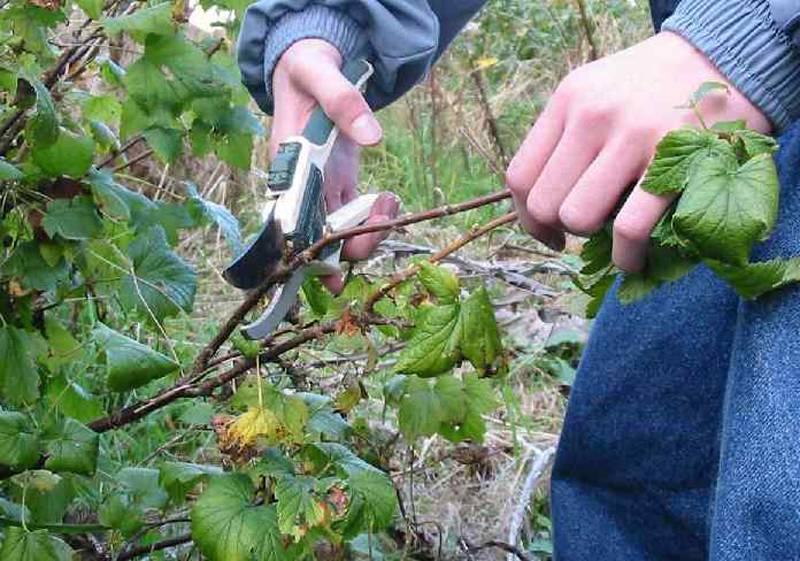
Currant bushes should be pruned regularly. Damaged, dried-out, and diseased branches must be removed. Shoots located in the lower, shaded areas of the bush should also be trimmed. Also removed are shoots that produce a meager harvest and poorly developed one-year-old branches. To increase yields, the ends of the shoots must be trimmed to strong side shoots. This stimulates the growth of the currant bush.
Transfer
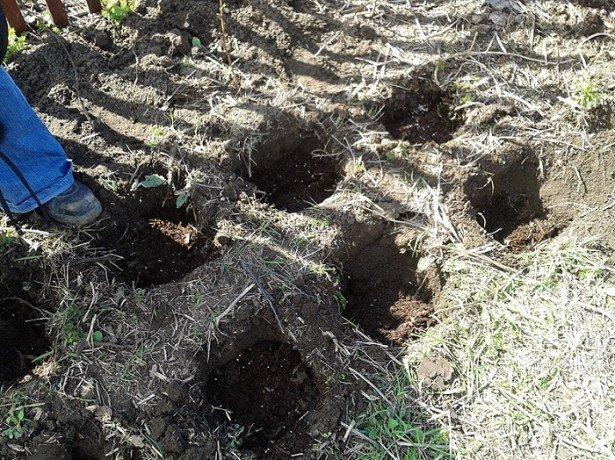
Sometimes repotting is simply unavoidable. It's recommended to do this in spring or fall. Fall repotting is carried out after the shrub has shed its leaves and stopped growing.
There should be at least 1 month left before the onset of cold weather so that the currants can take root well and survive the winter.
In spring, replanting is done immediately after the snow melts. The ground should have time to thaw. At this point, the shrub hasn't yet had time to awaken. Once flowering has begun, it is no longer possible to replant the plants, as they are sensitive to this procedure and may not take root in the new location.
Take a look Also

What are the timeframes for completing garden work?
Gardening is typically done in the spring or fall. The exact timing depends on the specific region and its climate.
In the spring
Spring is the best time to rejuvenate currants, as damaged shoots are easily visible. It's important to remember that with the onset of warmer weather, the plants begin to actively flow sap, and the buds swell. Currants also grow noticeably in height during this period. It's important to complete all procedures before this time.
In the fall
In the fall, it's recommended to rejuvenate blackcurrants after they shed their leaves. The plant has already set buds for the coming season and entered a dormant period. The downside is that damaged and diseased branches are difficult to spot at this time. However, it's clear which branches produced poor fruit last season.
Preparing the tools
Blackcurrant rejuvenation is carried out using a standard set of garden tools, which include:
- garden shears;
- small hacksaw;
- pruning shears.
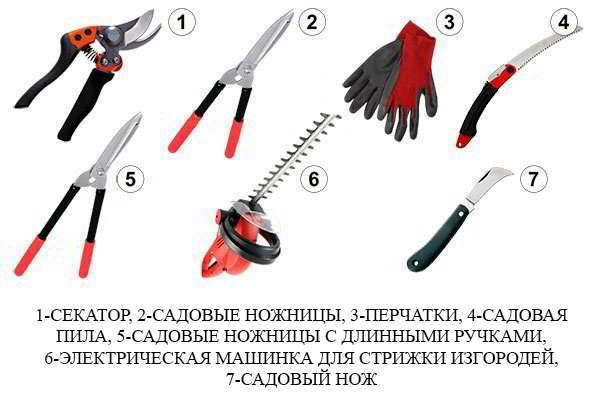
All tools should have well-sharpened blades to prevent damage to branches and facilitate the work process. After pruning each bush, tools should be disinfected.
Rejuvenating pruning technique
The technique for rejuvenating red, white, and black currant bushes is the same. All steps are performed identically.
Red and black varieties
If you grow a large number of currant bushes in your garden, it's a good idea to rejuvenate them annually. Visually, divide the plant into four sections and prune a quarter each year. This approach allows you to promptly remove old and poorly producing branches. The bush itself remains young and produces a bountiful harvest. Strong and healthy shoots cut during rejuvenating pruning can be used for further rooting and propagation.
Neglected bushes
It takes several years to revive a neglected blackcurrant bush. Each season, the bush is pruned to reduce old shoots and foliage. Over time, the quality and quantity of the harvest will increase.
In particularly severe cases, gardeners select healthy branches and root them, growing a new, full-fledged plant in just a few years.
A simple way to tidy up a neglected area black currant bush is pruned Almost to the very roots. Throughout the spring, the remaining stumps are generously fed with nitrogen-containing fertilizers to ensure the rapid formation of new shoots. A full-fledged fruiting bush can be formed from just 5-6 branches.
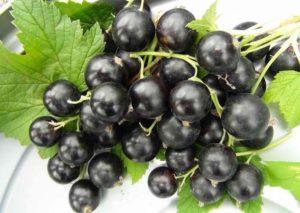
Well-groomed shrubs
Well-groomed blackcurrants also require periodic rejuvenation to improve the quality and quantity of the harvest. The bush requires regular pruning, removing old or damaged shoots and dense foliage. It's important to ensure not only good ventilation but also access to sunlight.
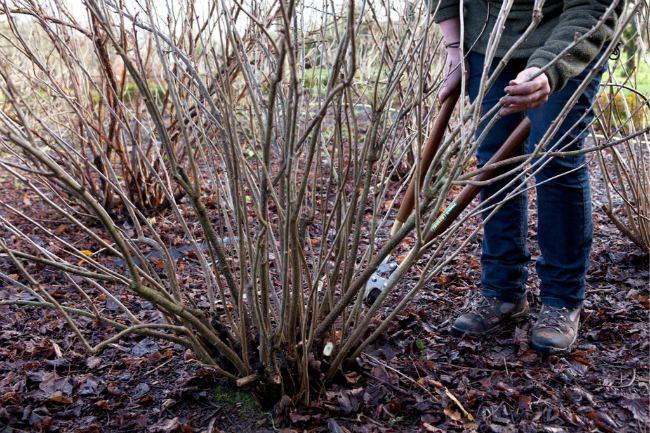
Step-by-step instructions for the procedure
To properly rejuvenate black currants without harming them, you need to follow a series of steps:
- Inspect the bush and decide whether it will require standard pruning or whether you will have to resort to drastic measures.
- When performing radical pruning, you need to cut off the shoots almost completely, leaving only stumps 3-4 cm high.
- With standard pruning, only old, diseased or damaged branches are cut off.
- The cut areas are treated with wood ash, a growth stimulator.
Plant care after
Simply rejuvenating currant bushes isn't enough. After this treatment, the plant requires care to ensure it produces a bountiful, high-quality harvest in the future. During the summer, a large number of side shoots are formed, of which 5-6 of the strongest are selected, and the rest are removed. Weeds are regularly removed from under blackcurrant bushes, and organic and nitrogen-containing fertilizers are added to the soil. Suitable fertilizers include:
- sawdust;
- ash;
- humus.
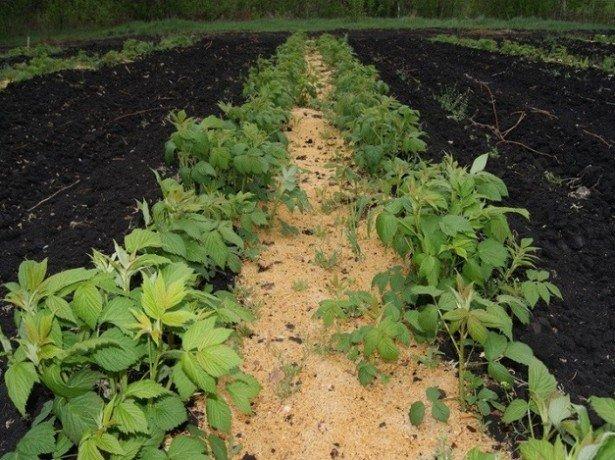
As the top layer of soil dries out, watering is carried out. Do not allow the soil around the bush to become over-watered or dry out. If the first signs of disease or negative impact of pests are detected, preventative treatment with fungicides or insecticides is immediately carried out.
Possible errors
Mistakes when rejuvenating blackcurrant bushes are more common among novice gardeners, although experienced ones aren't immune to them either. The most common ones include:
- Trimming only the upper part of the shoots leads not only to incorrect shaping, but also to thickening of the leaves and smaller berries.
- Old branches, which are mistakenly considered productive, are not removed. They continue to draw nutrients from the soil and prevent young shoots from developing fully.
- The recommended timeframes for carrying out work are not observed, resulting in the death of the currants.
Take a look Also
Gardeners often neglect sanitary measures, failing to disinfect tools and treating cuts with pesticides or garden pitch. As a result, not only pathogens but also pest larvae enter the shoot wounds. Instead of rejuvenating and fully developing, currants begin to disease, wither, and die.
It is also impossible to ignore the first signs of diseases and pests and not carry out preventive treatments.
A bush that hasn't had time to develop its full strength has a weak immune system and quickly dies from pathogenic microorganisms. Experienced gardeners recommend closely monitoring the condition of currant bushes and pruning them promptly. Otherwise, poor ventilation and lack of light can lead to the development of fungal diseases, which are difficult to treat.
The future harvest will be at risk. Beginners should familiarize themselves with the theoretical material and consult with experienced colleagues before they can begin implementing the recommendations.
Related posts:
 20 Best Blackcurrant Winter Preserves Recipes
 When is the best time to plant currants to get a good harvest?
 Description and rules for growing black currant variety Veloy
 The health benefits and contraindications of white currants
 Characteristics and descriptions of the 40 best red currant varieties
 TOP 10 recipes for red, black, and white currant sauce and ketchup for the winter, and how to store your preparations
 The health benefits and contraindications of black currants
 5 easy ways to propagate currants with cuttings in summer