
- History of the variety
- Description and characteristics of Black Pearl currant
- Bushes
- Berries
- Transportation and storage of crops
- Disease resistance
- Winter hardiness and drought resistance
- Advantages and disadvantages of growing on a plot
- Planting and agricultural technology
- Optimal time for planting
- Site selection and preparation
- Algorithm for planting a seedling
- Formation of the Black Pearl bush
- Watering
- Top dressing
- Preventive treatments
- Shelter for the winter
- Reviews of Black Pearl currants
Currants are one of the best berry crops. The bushes don't take up much space and require little care, yet the berries have a unique flavor and are highly beneficial. In summer cottages and garden plots, localized varieties that meet the climate's requirements are typically planted. The Black Pearl currant variety is popular among summer residents across the country.
History of the variety
The name speaks for itself. The berries of this variety are compared to large pearls. In the early 1990s, the Black Pearl currant was called a "masterpiece of Russian breeding." The variety was added to the State Register of Crops, and by 1992, it was approved for cultivation throughout the country.Breeders from the I.V. Michurin Institute's department developed this variety by blending the traits of well-known varieties: Minai Shmyrev and Bredtorp.
Description and characteristics of Black Pearl currant
Black Pearl has earned recognition for several reasons. Besides its flavor, it has become one of the few varieties capable of adapting to any growing conditions and producing fruit consistently.
Bushes
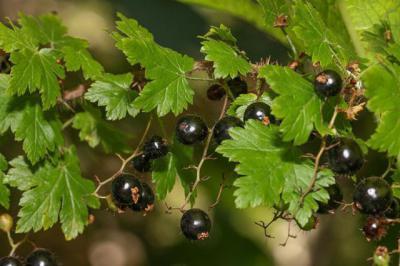
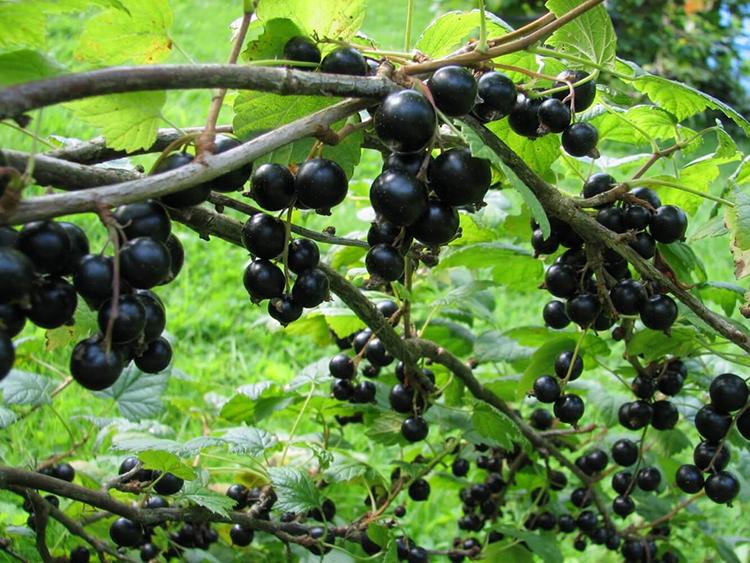
The bushes grow up to 1.3 meters tall. Five to eight fruits appear simultaneously on a single cluster. Leaf production is characterized as moderate, which facilitates sun exposure and increases fruiting rates.
Berries
Fruiting begins in the second year of growth. The peak occurs 5-6 years after planting. Currants can produce fruit consistently in the same location for about 10-15 years.
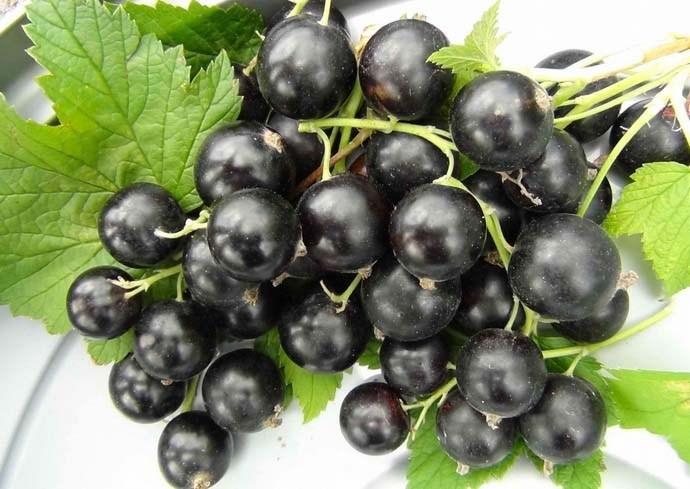
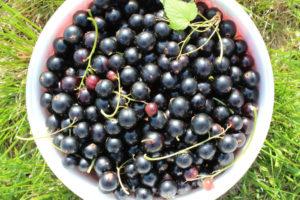
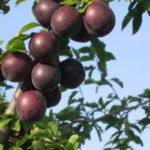
| Color | Black, glossy. The fruits have a thick skin. |
| Size | From 1.5 to 3 grams. Fruits of approximately equal size usually ripen on a single bush. Smaller fruits rarely occur. |
| Taste, tasting assessment | Sweet and sour taste, with a tasting score of 4.2 points. |
| Crumbling | The fruits do not fall off after ripening and are not baked in the sun. |
| Breakaway | When fully ripe, they come off easily, leaving no marks on the stalk. |
| Ripening time | Mid-late July. |

A single mature bush, with proper care, yields 3 to 4 kilograms of berries. This figure is considered average, but the lack of volume is compensated for by the simultaneous ripening and nearly uniform size of each fruit.
Transportation and storage of crops
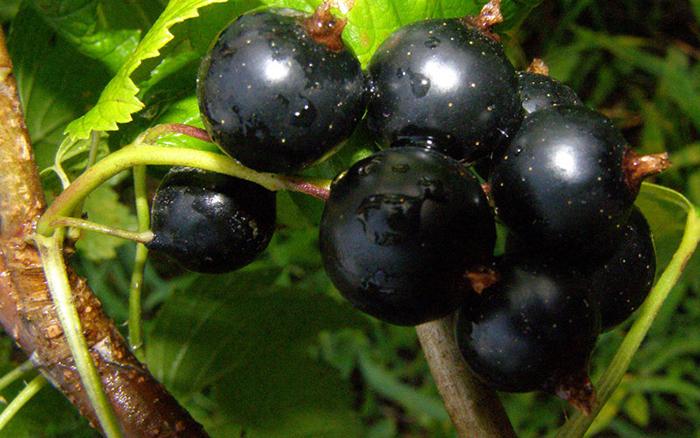
Thanks to the dense skin, the berries store well and can withstand long transportation. Because of their tight attachment to the stalk, this variety is suitable for mechanical harvesting. The harvest is suitable for various types of processing. Jams, jellies, compotes, liqueurs, and fruit drinks are made from this variety.
Disease resistance
Black Pearl is known for its high resistance to diseases that affect the crop. With timely spring treatment, the bushes are not affected by anthracnose, which is especially dangerous for currants. Powdery mildew can develop on the bushes if planting or watering conditions are improper.
Winter hardiness and drought resistance
Its cultivation in various regions of the country is due to its high frost and winter hardiness. Mature bushes can withstand temperatures down to -35 degrees Celsius with additional cover.
Advantages and disadvantages of growing on a plot
The Black Pearl variety has served as the basis for the development of many improved varieties. The variety itself remains popular due to its key advantages:
- high winter hardiness;
- resistance to most diseases to which the crop is susceptible;
- the berries' tendency to long-term storage and transportation;
- stability of fruiting.
The disadvantages of this variety include the weak currant aroma of the berries and a sour taste due to the high content of vitamin C.
Planting and agricultural technology
When planting currant seedlings, it's recommended to follow basic guidelines to avoid replanting the bushes later. With proper care, currants can grow in the same location for over 10 years.
Optimal time for planting
Seedlings are planted in spring or autumn:
- spring plantings are carried out before the buds swell;
- When planting in autumn, keep in mind that the bushes will need about 30 days to take root and adapt before the first frost.
Site selection and preparation
For currants, choose a flat area with deep groundwater. Avoid lowlands, ravines, and shaded areas that would block sunlight.
Advice! Don't plant currants under tall trees or near onions or garlic.
Algorithm for planting a seedling
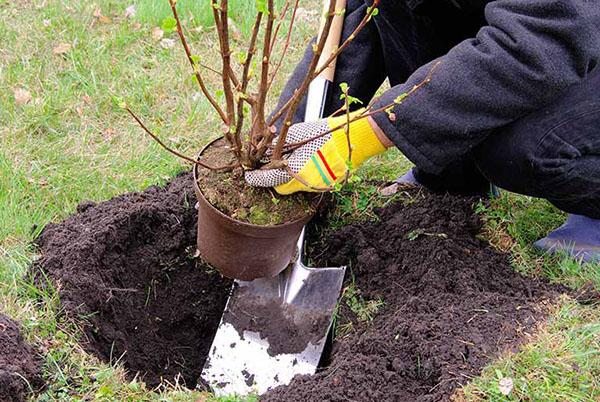
Before planting, prepare a hole:
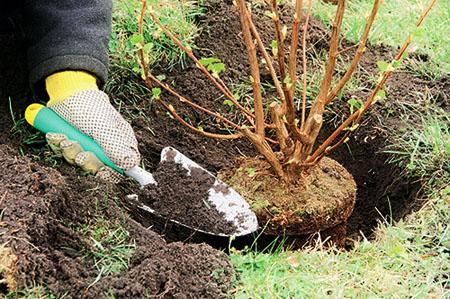
- They dig a hole up to 50 centimeters deep.
- Add organic fertilizers and mix with the soil.
- Water the hole until the top layer is completely moistened.
- The roots of the seedling are straightened and placed along the bottom of the prepared hole.
- The side voids are filled in and the soil around the trunk is compacted.
Take a look Also
It is recommended to mulch the top layer with mown grass, sawdust, or pine needles. Leave 1.5-2 meters between bushes to allow for proper growth.
Formation of the Black Pearl bush
Bush pruning is both sanitary and formative. Damaged parts are removed in the spring, and pre-winter pruning is performed in the fall. In the summer, branches are trimmed to correct their condition. Primarily, shoots that block the sun are pruned.
Watering
Overwatering causes the Black Pearl's root system to rot. Insufficient moisture makes the bushes weaker and more susceptible to disease and pest infestation, so watering this currant variety should be regular and moderate.
- During flowering and fruiting, currants are watered frequently, 2 buckets of water per adult bush, 2 times a week.
- In spring and autumn, watering is reduced; the bushes are watered as the top layer dries out and a loose soil crust forms.
Top dressing
In fertile soils, Black Pearl currants don't require additional feeding for the first two years. Poor soils in areas with challenging climates require regular fertilization:
- In the spring, the first feeding is carried out before the buds form, adding organic fertilizers at a rate of 1 bucket of compost per adult tree.
- After the foliage appears, apply nitrogen. This helps the shrub grow foliage. Ammonium nitrate or nitrogen-containing complexes are used.
- During the flowering period, currants are fed with potassium and phosphorus mixtures. The leaves are not treated; the solutions are applied to the roots. This method helps deliver the necessary nutrients more quickly to the roots and improves fruiting.
- In the fall, ammonium nitrate granules are added to the soil. If the soil layers are excessively depleted, organic matter is added.
Preventive treatments
Preventative treatments typically include spring pest control and fall preparations for winter. Agricultural experts recommend paying special attention to clearing weeds around bushes in the summer. This will prevent the appearance of insect pests and the spread of infection.
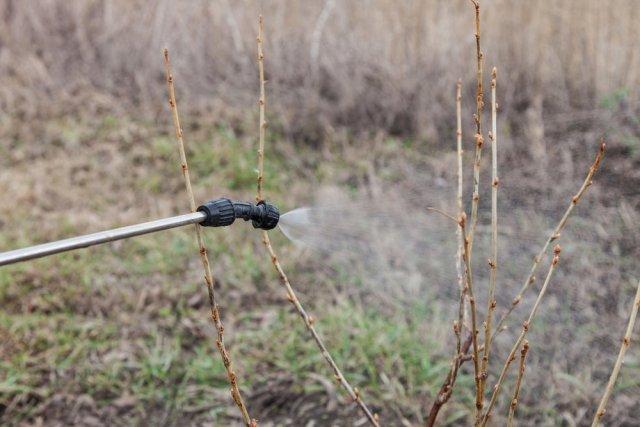
In the spring, spray shrubs with a Karbofos solution from a spray bottle. Keep in mind that the spraying should be repeated after two weeks.
One common preventative measure is to water the shrub with boiling water as it emerges from winter. This method serves several functions simultaneously:
- sanitary treatment to destroy possible fungal residues after winter shelter;
- warming up the upper layer of the bark for active awakening and further bud formation.
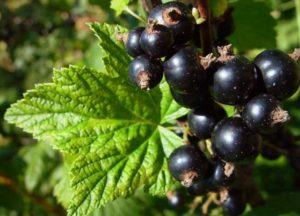
Tip! To apply boiling water, use a watering can with a fine-spray nozzle and generously water the shrub from above.
Shelter for the winter
Preparations for winter begin early. After the temperature drops, pruning begins, leaving 4-5 buds above the topsoil. The bushes are mulched with humus, pine needles, mown grass, or sawdust. At the same time, the tree trunks are shaped. Branches are bent toward the ground daily. Once they are laid almost horizontally on the mulch layer, a shelter is formed.
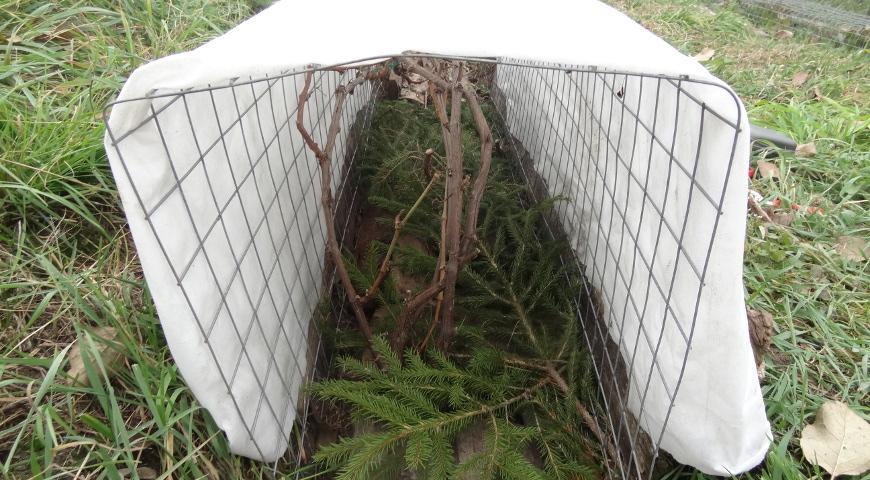
Agrofibre or burlap is suitable for this purpose. The bushes are tightly wrapped, tied with twine on top, and compacted with additional weights.
Advice! Don't use polyethylene for covering; this material prevents plants from breathing, as it doesn't allow air to pass through and can cause rot in certain areas of the plant.
Reviews of Black Pearl currants
According to gardeners, the berries of this variety Black Pearl currants are suitable for freezing for the winterThis quality is appreciated by home cooks who are accustomed to preserving berries using flash freezing. After defrosting, the fruits retain their nutritional value and regain almost their original appearance.
The fruit's tendency to retain its appearance during long-term transportation and storage has earned positive reviews. Gardeners note that the berry contains a high amount of natural pectin, which is why jams made from the Black Pearl variety acquire a jelly-like consistency without the addition of gelatin or agar.
Related posts:
 Description of the Pearl grape variety, subspecies and cultivation technology
 Description of the best varieties of black tomatoes for open ground and greenhouses
 TOP 40 New Year's 2020 Meat Recipes Using Pork, Beef, Chicken, and Lamb
 TOP 40 Hot Dish Recipes for New Year 2020: What to Cook
 The best eggplant varieties for growing in a polycarbonate greenhouse: planting and care
 Description of the Black Prince strawberry variety, planting and care technology
 Characteristics and description of the Black Beauty eggplant variety, planting and care
 Description and characteristics of the Black Prince apricot variety, planting and care