
Blackcurrant is a plant that produces delicious, rich-tasting fruits. It's a favorite among Russian gardeners because the bushes are relatively low-maintenance. Naturally, the question of how long a new blackcurrant will bear fruit is a popular one. But even knowing the exact time frame, you can't be sure it will last. You need to consider the variety (black or red), whether the plant shows signs of slow growth, or whether it's aging.
How currants grow
Black and red currants are perennial shrubs. Their fruits are highly prized for their high vitamin C content, which strengthens the body, prevents viral infections, and boosts the immune system. They are used not only in regular menus but also in medicinal and dietary supplements, as well as for athletes. People with gastrointestinal diseases should limit their consumption. Black and red currants are used to make various jams and preserves, and they complement not only sweet pastries but also meat and fish dishes.
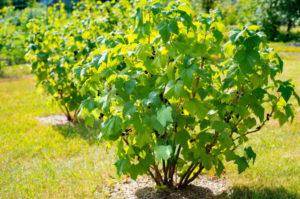
Currant bushes can reach up to one and a half meters, but typically don't exceed 50-60 centimeters. They develop quickly and require minimal maintenance. They produce fruit quickly. Knowing the lifespan of a particular crop allows you to reap a bountiful harvest every year.
Lifespan
The shelf life depends on whether you're growing red or black currants. The fruits of both bushes are highly valuable in terms of their vitamin and micronutrient content.
Lifespan is determined not only by the specific variety (information can be found on the packaging or by asking the seller of the seedling), but also by the time of planting, the quality of care, pruning, soil fertility, and existing climatic conditions.
Take a look Also
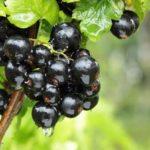
Black-fruited varieties
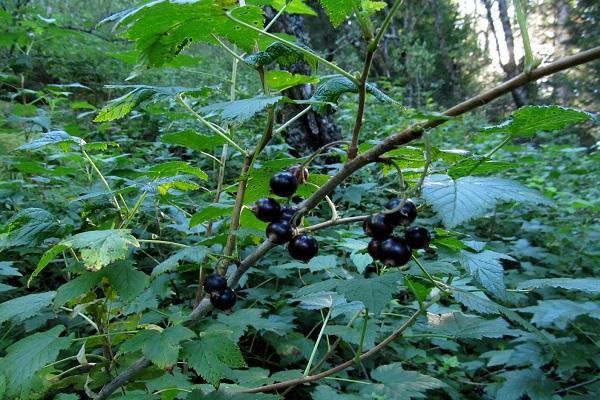
A single blackcurrant bush lives for an average of 12 to 14 years. The highest yield is observed in the fifth year (this does not apply to specific branches, which are most valuable in the second and third years). After five years, yield gradually declines. Bushes are rejuvenated after eight years.
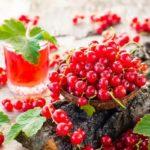
Red-fruited varieties
Red currants have a somewhat longer lifespan—up to 18 years with careful care. Peak fertility is observed in the sixth year, and rejuvenation is required in the eighth to tenth year.
In what year does currant begin to bear fruit?
After planting, the bush begins to bear fruit within a year. However, the most productive branches are those that are two or three years old. Older branches, that is, over four years old, are pruned. This is of little use, as the fruit they produce is small, not very tasty, and falls off easily before reaching sufficient ripeness.
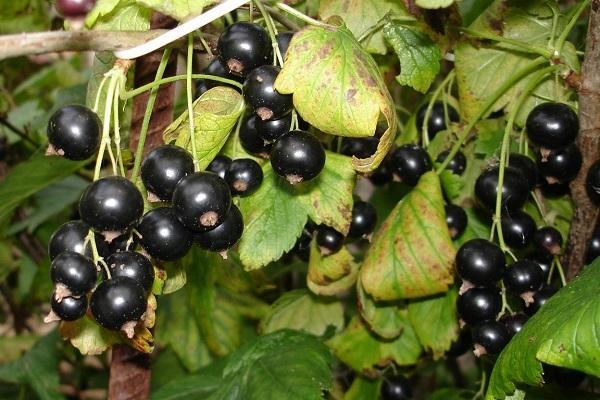
Black and red currants begin bearing fruit in early spring, depending on the climate of the region. The buds are of a mixed type. The flower clusters adorn the entire length of the flowerbed.
Most fruit is harvested from branches that have formed a year earlier. If a branch is more than three years old, it is cut down, as it produces small and tasteless berries.
Red currants bloom first, followed by black currants. The flowers are pollinated by bees, so the maximum harvest is seen near apiaries. The first berries to grow are at the base, while those on the branches follow later.
How many years does a bush grow in one place?
The length of time a crop can grow in a given location is determined by the maximum lifespan of a single plant (depending on the specific variety). After a plant is discarded, new varieties of the same plant cannot be planted; the soil must be prepared and sown with other crops for at least a few years. The lifespan depends on a number of factors:

- if other plants grow in the same place, then the currant roots are processed;
- If there are pests and diseases, the soil must be treated.
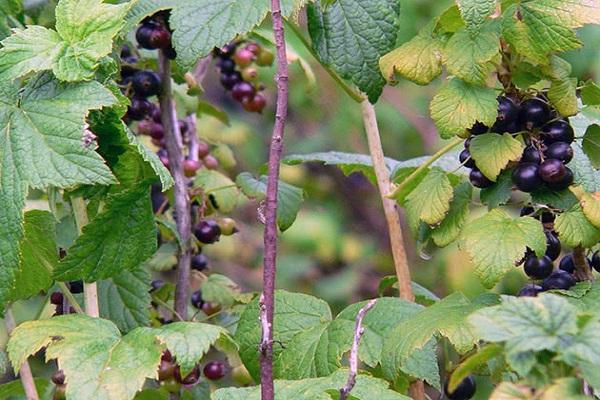
One bush grows in one place for up to 15 years, after which, taking into account the condition of the soil, complex measures are carried out.
Signs of aging of berry crops
The problem of a bush stopping producing a good harvest, even though it's not yet ripe, is caused by a number of factors. A rejuvenation procedure or fertilization is performed. If no improvement occurs the following year, the bush is uprooted.
Slow growth
Currants may be slow to grow due to unfavorable climate conditions. They may have been hit by frost in the spring, which can kill the newly formed buds. It's important to ensure the soil where you plant your currants is moist and avoid planting them on the north side of the garden (the south side is always the best option).
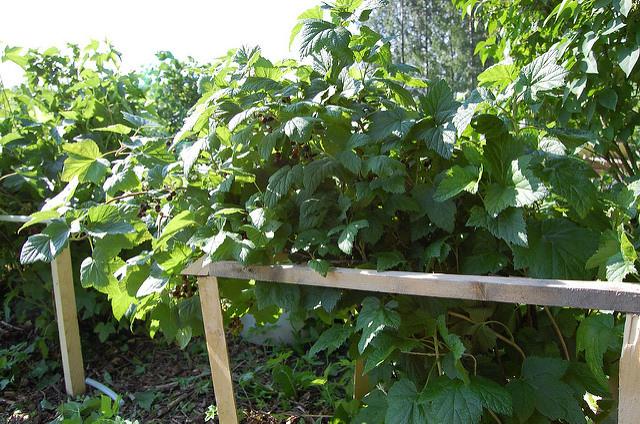
Poor quality of the seedling itself can also be the cause of slow growth. Be sure to buy it from reputable sellers. Fertilize it to enhance fruiting.
Cessation of fruiting
If currants aren't producing, it's a huge problem for a gardener. It's likely because there aren't any pollinators—bees that would fly in from the apiary and pollinate the flowers. Some varieties are self-pollinating, but if they aren't, additional measures are essential.
Double bloom is a shrub disease that can be noticed during flowering. The main visual sign is the narrowing of flower petals and the enlargement of pistils.
Leaves lose their scent—such bushes are removed immediately to prevent the virus from spreading to others. If the plants are not uprooted, the disease, which has no cure, will spread to other plants. In this case, up to 100 percent of the fruit is lost.
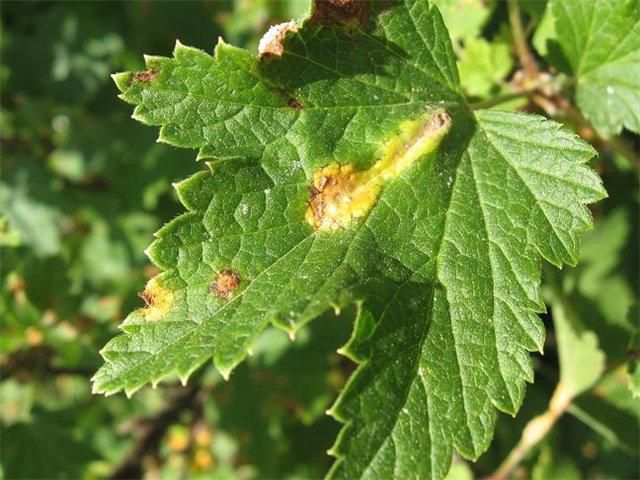
Pests deserve special attention. They appear at all stages, but most often attack the pistils and ovaries of berries. The bushes are carefully examined and, if pests are present, they are eliminated using biological methods..
Ways to extend the life of a plant
To ensure currant bushes continue to bear fruit and grow for the stated 15 years, rejuvenation is essential. This involves specially treating the bush's branches. Please note:
- bushes cannot be planted close together, as there will not be enough nutrients from the soil for everyone;
- If pests are detected, immediately wrap them in a wrapping cloth; in extreme cases, chemicals can help;
- Four-year-old branches are pruned every year.
But even if all the conditions are met and favorable soil is selected, a low-quality bush will not be 100% fruitful. Therefore, it is essential to choose a high-quality variety suitable for specific growing regions. These include Zhemchuzhina, Sofievskaya, Pigmeya, Yadrenaya, Lentyai, Dar Smolyaninova, and Rusalka. Purchase plants from reputable sellers and companies—this will prevent you from planting a non-viable specimen.
Related posts:
 Description of the red currant variety Nenaglyadnaya, planting and care
 Characteristics and descriptions of the 40 best red currant varieties
 Description of the 50 best blackcurrant varieties for different regions
 The health benefits and contraindications of black currants
 Description and characteristics of the 25 best blackcurrant varieties for Siberia
 The best and new varieties of black currant for growing in the Urals, planting and care
 Red currant health benefits, properties, and contraindications
 Why currants don't bear fruit and what to do about it