
- Average yield indicators
- Depending on the variety
- Depending on the age of the currants
- Reasons related to agricultural technology
- Old age of the bush
- Lack of pollination
- Nutrient deficiency or excess
- Insufficient moisture in the soil
- The soil is too acidic
- Poor soil, unsuitable for growing
- Shading of the area
- Poor quality planting material
- Climatic conditions as a factor in the absence of fruiting
- Pests affecting the fruiting of berry bushes
- Forest ants
- Glasswing butterfly
- Kidney mite
- Crop failure due to reversion or terry
- Methods for restoring crop yields
- Prevention
Many people wonder why their currant bushes aren't bearing fruit. There can be many reasons for a reduced or completely absent yield. These include improper care, the development of dangerous diseases, and attacks by harmful insects. The age of the plant can also be a cause of problems, as older bushes produce significantly less fruit.
Average yield indicators
To determine whether yield is declining, you need to familiarize yourself with the standard values. It's important to remember that these values depend on the plant variety and age.
Depending on the variety
The yield of currants directly depends on the variety:
- Little Prince – this blackcurrant is distinguished by its early ripening and produces 5.5 kilograms of fruit.
- Lentyay is a black variety characterized by late ripening. It produces 2.5 kilograms of berries.
- Exotica – this early blackcurrant variety produces 4.5 kilograms of berries.
- Natalie is a red currant with a medium ripening time. It yields 3.5 kilograms.
- Red Lake – this red currant produces about 4 kilograms of berries.
- Bayana is a white variety that produces 4 kilograms of fruit.
- Smolyaninovskaia – this white currant produces 4 kilograms of berries.

Depending on the age of the currants
Blackcurrants begin bearing fruit the following year after planting. With proper pruning, the yield increases each year. The period of active fruiting begins in the fourth year after planting.
Red currants begin bearing fruit in the second year. Yields increase each year, reaching their peak in the fifth or sixth year.
Reasons related to agricultural technology
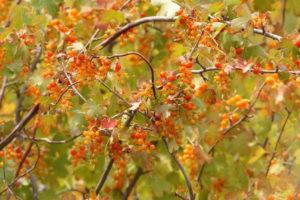
There are many factors that can cause a decrease in crop yield. First and foremost, they are related to improper plant care.

Old age of the bush
The plant's life cycle is characterized by certain limitations. The older the bush, the fewer berries it produces. Experts note the following relationship between fruit volume and plant age:
- The first harvest can be obtained on bushes aged 2-4 years.
- Blackcurrants then reach their peak yield within four years. Red and white varieties reach their peak at five to six years.
- There will be a decline in the next 5-6 years.
The maximum age for fruiting for black currants is 12 years, for other varieties it is 15. If the crop bears fruit poorly or has completely stopped producing, it is removed.
Lack of pollination
Most varieties are considered self-pollinating. This doesn't depend on external factors. However, there are some crops that cannot pollinate themselves. If a plant doesn't flower, it's worth planting honey plants in your garden. They promote pollination.
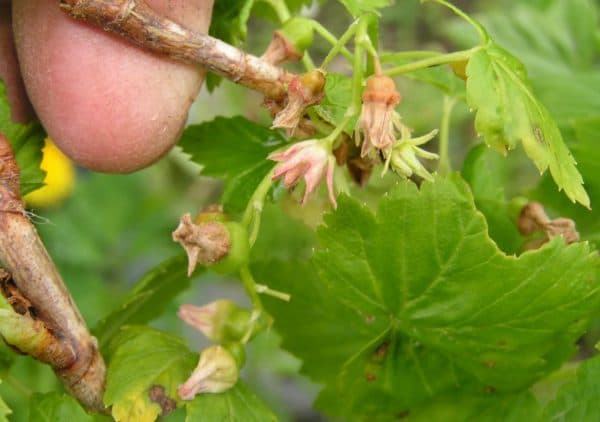
To ensure full bloom, experienced gardeners plant only one currant variety in the same plot. This increases the fruiting period and the number of berries.
Nutrient deficiency or excess
To ensure fruit set, currants need timely feeding. A lack of berries may be due to the following factors:
- use of the same fertilizers over a long period of time;
- excess of minerals in the soil;
- poor soil composition caused by a lack of fertilizers.
Insufficient moisture in the soil
If your currants aren't producing a harvest, you may suspect a moisture deficiency in the soil. This can manifest itself in the following symptoms:
- slowdown in the rate of development;
- absence of ovaries;
- decrease in the number of berries;
- leaf dieback.
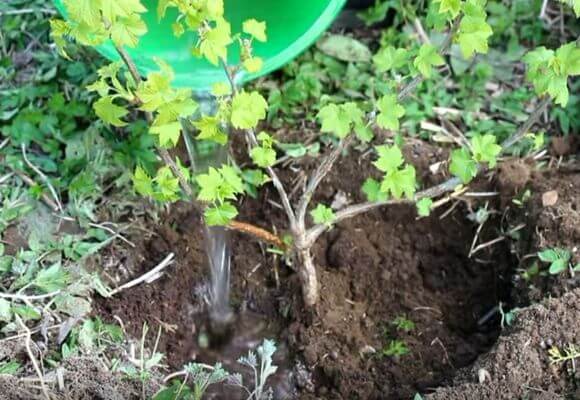
In this situation, it's important to adjust your watering schedule. However, using too much liquid will cause root rot, potentially killing the seedlings.
The soil is too acidic
Before planting currants in highly acidic soil, it's recommended to treat the beds with lime. This should be done a year before planting. If done correctly, the acidity will be optimal.
Poor soil, unsuitable for growing
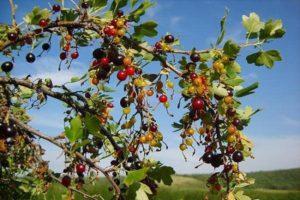
If your bushes are growing poorly or your yield is declining, poor soil may be the cause. Most often, the lack of fruit set is caused by dense soil that isn't properly moistened. Regular loosening of the soil and ample irrigation will help avoid these problems.

Shading of the area
Currants require an optimal balance between sun and shade. Too much of either negatively impacts the size and flavor of the fruit. Bushes that grow on the sunny side produce sweet but small berries. Fruit grown in the shade are larger but have a tart taste.
Poor quality planting material
A lack of harvest may be due to the wrong choice of seedling. When purchasing a bush, consider the presence of foliage. Plants that were dug up before they shed their leaves and planted in the fall freeze during the winter. Furthermore, the plant loses a lot of moisture through its leaves. As a result, the roots dry out, which negatively impacts plant development.
Climatic conditions as a factor in the absence of fruiting
The regional climate directly influences fruit formation and growth. This factor is essential to consider when choosing a currant variety.
If a plant is hit by recurrent frosts in the spring or extreme cold in the winter every year, this will cause the fruit buds to die. In such a situation, a harvest will be impossible.
Varieties intended for growing in the south cannot cope with the temperature fluctuations of the central zone. These plants are characterized by early budding.
If they freeze, don't expect them to bloom. Consequently, fruiting will not occur.

Pests affecting the fruiting of berry bushes
Quite often, the problem is associated with attacks by harmful insects, which cause the shrub to become stunted.
Forest ants
These insects consume the insides of the flower, leaving only the sepals. Biological methods are used to control ants. If these methods are ineffective, chemicals should be used.
Glasswing butterfly
Identifying the insect is quite difficult. You can suspect infestation by wilting leaves and dropping fruit. The pests chew tunnels inside the shoots. These tunnels should be cut off and treated with garden pitch.


Kidney mite
The pest damages young currant buds. They become larger and rounder. If the plant is completely damaged, it's best to uproot and burn it.
Crop failure due to reversion or terry
This disease causes fruit to fail. The leaves become elongated, and the flowers turn purple. The affected plant must be removed.
Methods for restoring crop yields
If you experience problems with yield, you should do the following:
- water the plant correctly;
- mulch the soil;
- apply fertilizers taking into account seasonal factors;
- carry out pruning of plants;
- carry out treatments against diseases and harmful insects.

Prevention
To increase the number of fruits and avoid problems with yield, it is worth following preventative recommendations:
- pay attention to the choice of seedlings;
- choose the right area for planting;
- systematically loosen the soil, getting rid of large lumps of earth;
- water the beds as the soil dries out;
- get rid of old and dried branches in a timely manner;
- Plant different varieties of currants in the area, which allows for better pollination.
Currants are a popular crop grown by many gardeners. However, sometimes they encounter serious problems with the plant's yield.
To avoid them, it's important to follow preventative measures. If these don't help, it's important to identify the trigger and take steps to eliminate it.
Related posts:
 Characteristics and descriptions of the 40 best red currant varieties
 The health benefits and contraindications of black currants
 The health benefits and contraindications of white currants
 Red currant health benefits, properties, and contraindications
 The best and new varieties of black currant for growing in the Urals, planting and care
 Description of the 50 best blackcurrant varieties for different regions
 Description and characteristics of the 25 best blackcurrant varieties for Siberia
 Description of the red currant variety Sakharnaya, features of planting and care