
- The history of the breeding of black currant Hercules
- Growing regions
- Main pros and cons
- Botanical description and characteristics of the variety
- Bush and root system
- Leaves
- Flowering and pollination
- Fruit ripening time
- Taste and yield
- Scope of application of berries
- Resistance to subzero temperatures and drought
- Immunity to diseases and pests
- Planting technology of the Hercules variety
- Deadlines
- Selecting and preparing a site
- Seedling preparation and work procedure
- Further care of currants
- Watering mode
- Loosening and mulching the soil
- Fertilization
- Pruning: formative, sanitary, rejuvenating
- Pouring and hardening of bushes
- Preventive seasonal treatments
- Covering currants for the winter
- Methods of reproduction
- Tips and advice from experienced gardeners
- Reviews of the variety
The Hercules blackcurrant variety is highly productive and produces delicious fruit. It is frost and drought resistant. It is also resistant to many fungal infections. To achieve successful cultivation, it requires proper care. This should be comprehensive and include timely watering, fertilization, and pruning.
The history of the breeding of black currant Hercules
This variety is also known as "Heracles." It was developed at the M.A. Lisavenko Research Institute. It was created from a dense-bunch currant and a seedling from open pollination of a Siberian species. It was added to the State Register in 2000.
Growing regions
The plant can be grown in any region of the country except the northernmost ones. In areas with very harsh climates, the crop does not have time to mature within a short period of time. Therefore, it is planted quite rarely.
Main pros and cons
The key advantages of this variety include the following:
- high yield parameters – one bush can produce up to 4 kilograms of fruit;
- easy fruit separation;
- resistance to fungal infections;
- pleasant taste;
- dense skin.
The plant's main drawback is its lack of resistance to bud mites. However, this problem can be resolved by timely spraying and digging around the bushes.
Botanical description and characteristics of the variety
Before planting currants in open ground, it is worth studying their key characteristics.
Bush and root system
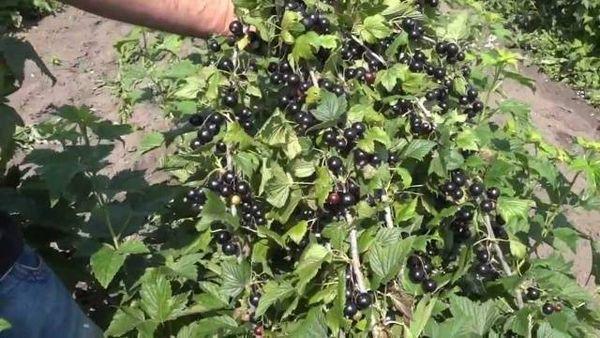
This variety is characterized by tall, upright bushes with a medium-density crown. The plant is distinguished by thick, light-brown shoots. It bears single, round, medium-sized buds.
Leaves
The branches are covered with trilobed leaves that are quite large. They are characterized by a smooth, dense texture and a bright green color.
Flowering and pollination
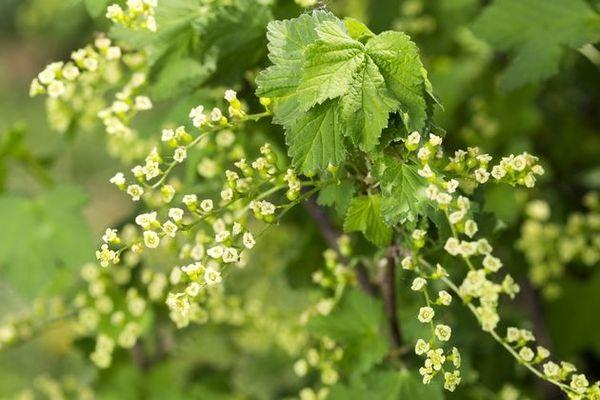
The flowers are medium-sized and feature cream-colored sepals with a pink edge. The plant is self-fertile and requires no pollinators. Planting other currant varieties nearby will enhance the flavor and yield of Hercules.
Fruit ripening time
The crop begins bearing fruit as early as the second year after planting. The fruits ripen in the second half of July.
Taste and yield
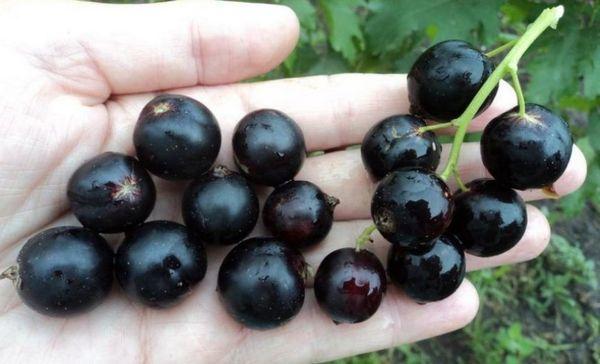
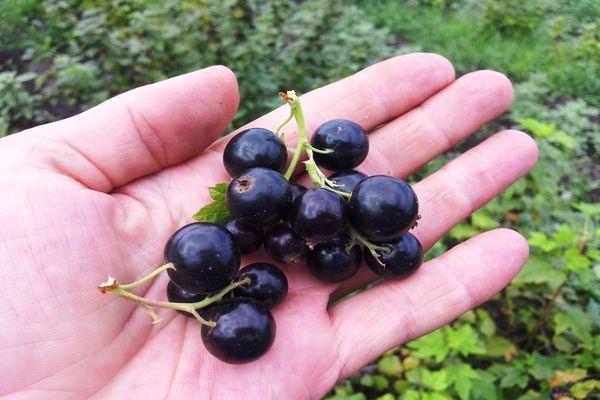
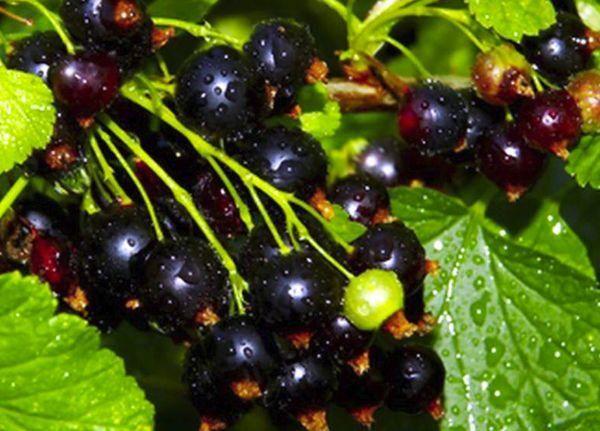
This is a large-fruited variety, with berries weighing 3.6 grams. They are uniform and round in shape. The skin is shiny and slightly patinaed, and is quite thin.
The fruits have a sweet and sour taste. The variety is considered high-yielding. With strict adherence to agricultural recommendations, 11.1 tons of berries can be harvested per hectare.
Scope of application of berries
The fruits of this currant are versatile. They are eaten fresh. The berries are also used to make various preserves, such as jam, preserves, compote, and jellies.
Resistance to subzero temperatures and drought
The crop is considered frost-hardy. Even without shelter, it can withstand Siberian frosts. Furthermore, the variety is resilient to drought.
Immunity to diseases and pests
Currants are characterized by strong immunity to fungal diseases. They are not susceptible to septoria and anthracnose. However, Hercules has weak resistance to bud mites. Therefore, the bushes should be treated preventatively.
Planting technology of the Hercules variety
To achieve success in growing this crop, it is important to strictly follow the rules for planting.
Deadlines
The crop can be planted in spring or fall. Typically, the plant is planted after the harvest—in September or early October.
Selecting and preparing a site
Blackcurrants require adequate sun for proper development. Therefore, an open area is chosen for planting.
The plant is not fussy about soil composition. However, it doesn't thrive in acidic soil. To reduce acidity, treat the bed with lime milk.
When preparing for planting, it's a good idea to add fertilizer to the hole—preferably organic. It's also acceptable to mix manure or compost with mineral fertilizers containing phosphorus and potassium. Cover the fertilizer with soil.
Seedling preparation and work procedure
To rejuvenate the plant's crown and stimulate its growth, the seedling's shoots should be pruned. They are shortened by half or a third.
When choosing the distance between bushes, consider the height of the plant. Hercules is considered a tall variety, so the distance between plants should be quite large – at least 1.5-2 meters.
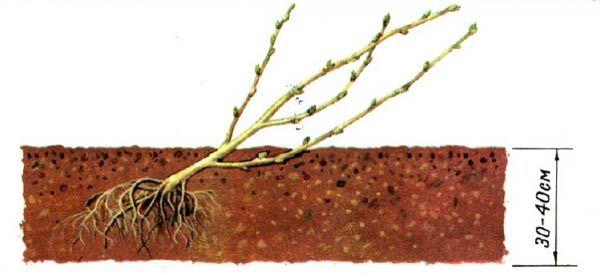
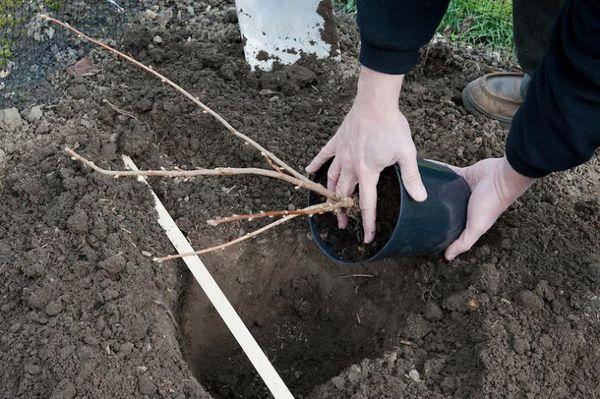
Currants can be planted in holes or trenches, 30-40 centimeters deep. Experienced gardeners prepare the holes in advance—two months before planting. This allows the soil time to settle.
To help currants adapt better to the new conditions, they are planted at a 45-degree angle. This will ensure faster root growth.
Further care of currants
In order for currants to develop normally and bear fruit well, they need proper care.
Watering mode
There's no need to water the plants for the first 24 hours after planting. Moisten the soil as needed. In hot and dry weather, water every day or every other day. In cool summers, twice a week is sufficient.
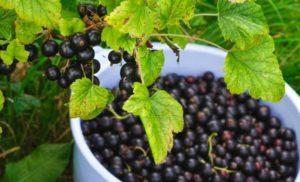
During the flowering and fruit formation period, the plant needs abundant watering. Once the berries turn black, it is recommended to stop watering. This prevents the fruit from cracking.
Loosening and mulching the soil
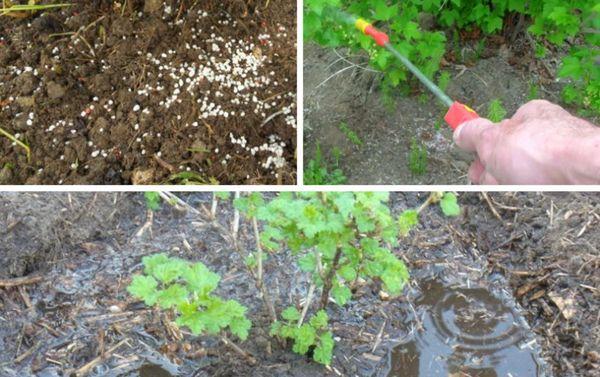
Bushes of this variety require sufficient moisture and air. Therefore, frequent soil loosening is recommended. This should be done carefully to avoid damaging the root system. After watering, mulch the soil. For this purpose, peat, grass, or compost are recommended.
Fertilization
If you apply fertilizer at planting, don't fertilize the bushes for two years. Subsequently, the soil should be dug over, adding humus and nitrogen-based fertilizers. If the soil is highly acidic, use crushed chalk.
Sometimes summer fertilization is necessary. Fertilization is necessary if the plant is showing poor growth, flowering is disrupted, or there are few ovaries. To combat these issues, water the bush with a mullein solution. Mix it with water at a ratio of 1:10. Ten liters of the solution are required per square meter of planting.
Pruning: formative, sanitary, rejuvenating
The first time, bushes should be pruned immediately after planting. It is recommended to leave four buds. Subsequently, pruning should be performed twice a year.
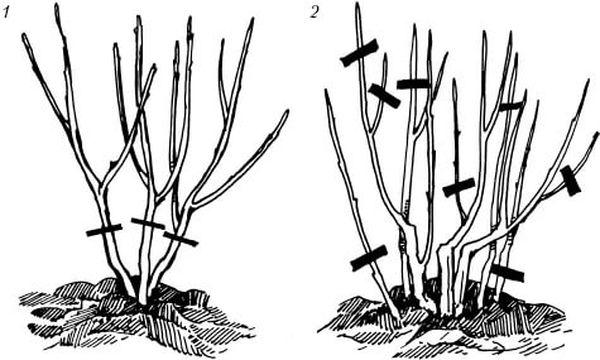 In the spring, it's important to remove old and diseased branches. This should be done before the buds swell. In the fall, currants are pruned after the last harvest, before frost.
It's recommended to prune shoots right down to the soil surface. This can also be done down to the base of a large branch. Shoots that touch the soil should be cut off, as they can cause disease.
Pouring and hardening of bushes
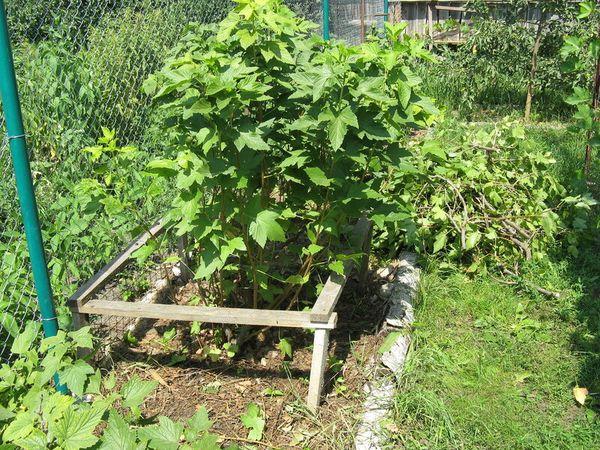
In spring, before the buds swell, you can water the currants with hot water. This helps harden the bushes and get rid of any pests that have overwintered in the bark and soil.
Preventive seasonal treatments
To prevent disease, bushes should be treated with a working solution made from Topaz. For this, use 6 milliliters of the solution per 10 liters of water. Horus is also acceptable. It is recommended to use 12 grams of the solution per 10 liters.
To prevent pest attacks, use Confidor Maxi. Use 1 gram of the product per 10 liters of liquid.
Covering currants for the winter
First, bend the plant's shoots toward the ground, grouping them together in groups of 3-5. Place a wooden shield on top. It's recommended to bend the branches in the direction of growth. Otherwise, there's a high risk of damage.
The soil around the plant is mulched with sawdust, compost, or fallen leaves. The currants can be covered with spruce branches or agrofibre.
Methods of reproduction
Currants are most often propagated vegetatively. Layering is the best method. To do this, take a two-year-old shoot in early spring. Bend it to the ground and place it in a trench 10-12 centimeters deep. Regular watering is recommended. Over the summer, it will grow into a strong plant that can be separated from the main bush.
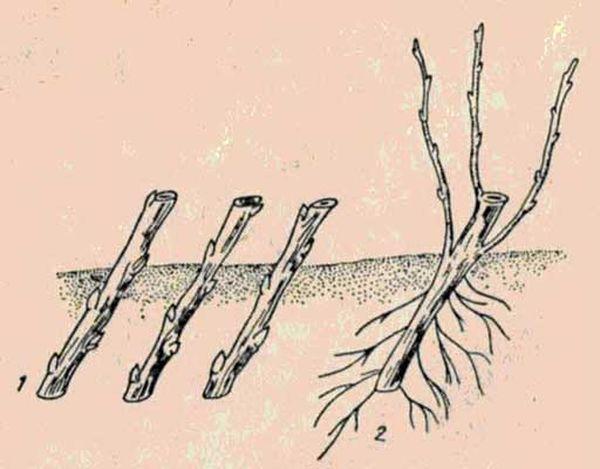
For propagation of currants by woody cuttings Seedlings are harvested in late autumn. They should be 18-20 centimeters long. Cuttings are taken before the onset of severe frost. The resulting branches should be wrapped in paper and plastic wrap. Store the plants in the refrigerator. In the spring, the cuttings can be planted at intervals of 15 centimeters and watered well.
Place arches over the beds and cover them with plastic. The plastic can be removed once the first leaves appear. Water the plants at this time. By fall, you'll have seedlings 30-50 centimeters tall with one or two shoots. These can be transplanted to the raised bed.
Propagation by green cuttings is considered a more time-consuming and labor-intensive process. A greenhouse or hotbed is required for this. First, take cuttings 5-10 centimeters long. Each cutting should have two green leaves. Dip the cuttings in a growth stimulator.
Then they can be planted in the ground. They should be watered generously, every 2-3 days. By early May, they will reach 50 centimeters. At this point, they can be transplanted into open ground.
Tips and advice from experienced gardeners
To achieve success in growing the crop, it is worth following the recommendations of experienced gardeners:
- choose the right seedling;
- adhere to the rules for carrying out planting operations;
- establish a proper watering regime;
- carry out sanitary, rejuvenating and formative pruning;
- carry out pest and disease control.
Reviews of the variety
Numerous reviews of this plant confirm its popularity:
- Anna: "I've been growing this currant for several years. I can say it's a productive and easy-to-grow variety. I did encounter pests once. I immediately sprayed them with a soapy solution, and they disappeared."
- Igor: "I really like this currant variety. It produces large, beautiful fruits. It's also easy to care for. In the third year, I fertilized it and pruned it. The fruiting is excellent."
The Hercules blackcurrant has excellent characteristics. This high-yielding variety produces large, tasty fruits. To ensure good fruiting, it's important to choose the right seedlings and properly care for the plant.
Related posts:
 Methods for planting and propagating cherries at home
 The best grape varieties for growing in the Urals, planting and care rules in summer
 Conditions for growing mandarin at home and rules for caring for the tree
 Growing and caring for hazelnuts in open ground, rules for planting hazelnuts
 Peach tree care and agricultural secrets, pest control
 Rules for planting and caring for pears in open ground, how to grow them correctly
 Description and cultivation of the 15 best cherry plum varieties for the Moscow region, planting and care rules
 Choosing a rootstock for cherry grafting and budding rules for beginners