
- History of selection
- Description and photo
- Fruit
- Bushes
- Characteristics of the variety
- Productivity and fruiting
- Scope of application
- Resistance to diseases and pests
- Advantages and disadvantages
- Growing seedlings
- Soil preparation
- Checking the quality of seeds
- Seed sowing and planting scheme
- Care
- Planting seedlings in open ground
- Preparing seedlings
- Hardening
- Top dressing
- Soils and beds
- Choosing a location
- Fertilizer
- Transfer
- Care
- Watering and soil care
- Top dressing
- Spraying against diseases
- Bush formation
- Harvesting and use of crops
- Reviews
Eggplants were introduced to Europe by Arab conquerors. They quickly went from being an overseas curiosity to a universal favorite, and their fruits found widespread culinary uses. Breeders have developed numerous varieties, but the eggplant known as the Black Beauty immediately caught the eye and became a favorite among domestic gardeners and summer residents.
History of selection
This variety is often confused with the Dutch eggplant hybrid Black Beauty, which translates as "Black Beauty." However, Black Beauty is a variety, not a hybrid. It was developed by breeders at the Russian agricultural firm Poisk. Field trials were conducted in 2003. By 2006, the Black Beauty variety was included in the State Register of Breeding Achievements. It is recommended for cultivation in the North Caucasus and Central Black Earth regions.
Description and photo
The fruits of the Black Beauty are also interesting because they differ in appearance from the usual, elongated eggplants, like the widely distributed Almaz variety.
Fruit
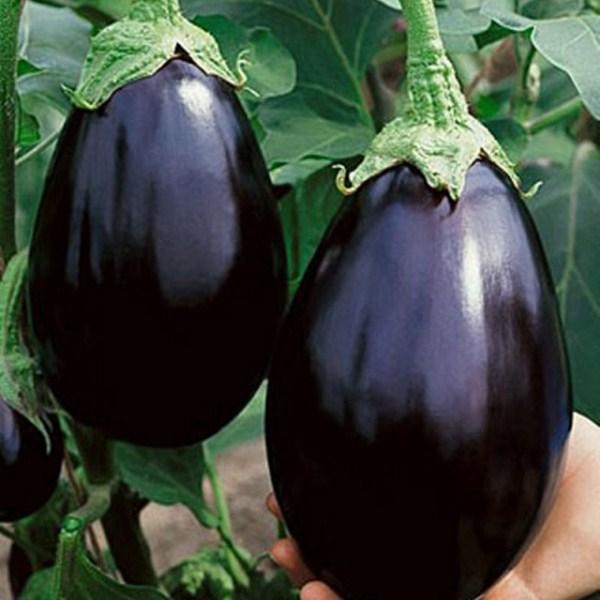
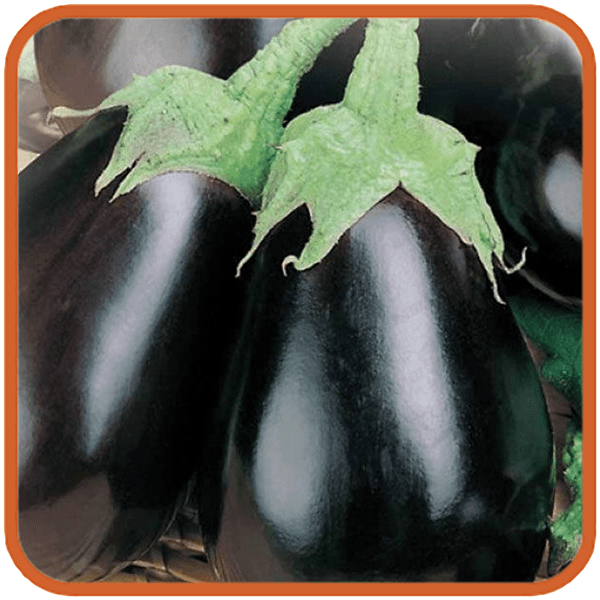
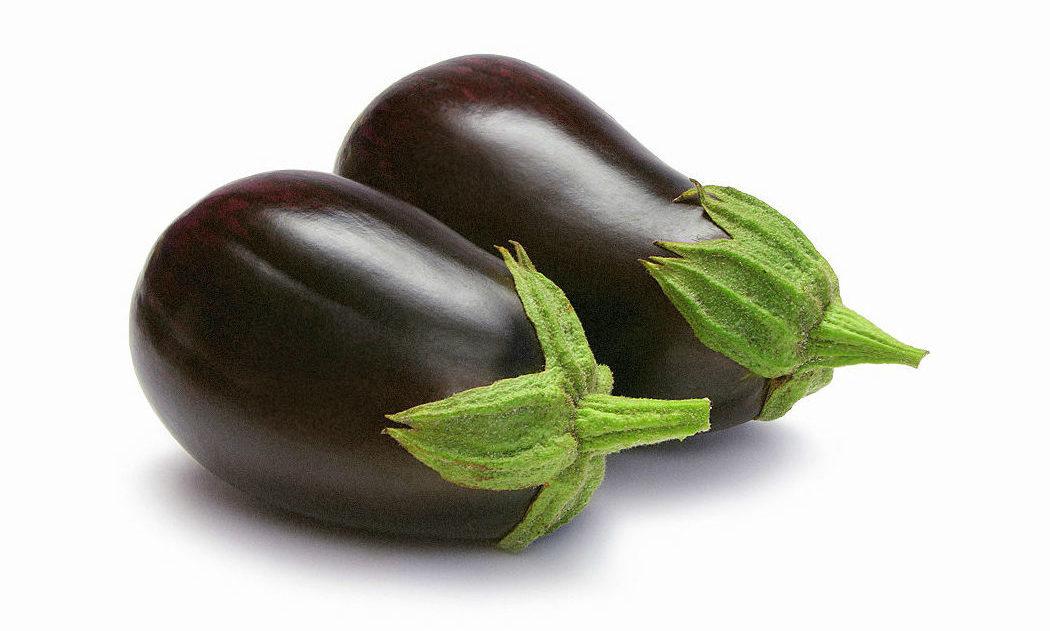
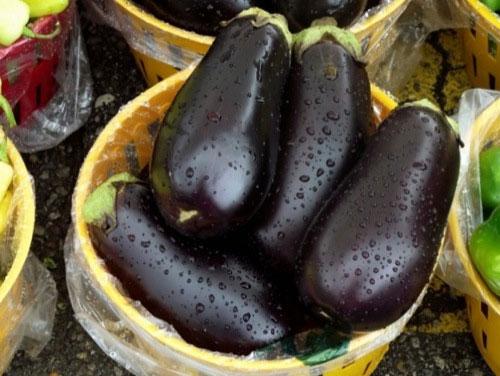
The eggplants of this variety are elongated, pear-shaped, or heart-shaped. They are fleshy, weighing 110-200 grams, but can reach a full 250 grams. These beauties grow up to 12-15 centimeters in length and 10-12 centimeters in diameter. The fruit is dark purple at commercial maturity, and purple-black at biological maturity. The skin is smooth, thin, firm, and elastic, with a rich, glossy sheen. Small light stripes and spots appear on the skin. The calyx is lightly covered with spines.
The flesh is light, creamy in color. It can acquire a yellowish or greenish tint. This variety has excellent tasting qualities; the flesh is firm, yet juicy and not bitter. It contains a small number of seeds.
Bushes
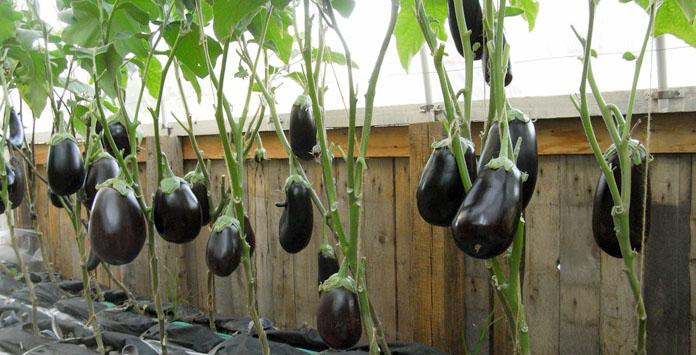
This variety is characterized by compact, semi-spreading bushes of medium vigor. The shoots have short internodes, are densely pubescent, and anthocyanin-colored. The peduncle is covered with soft spines. The leaves are rich green, medium-sized, well-spined, and have slightly serrated edges.
Characteristics of the variety
When choosing a variety, yield indicators, resistance to diseases and pests, as well as ripening time are important.
Productivity and fruiting
The Black Beauty eggplant variety is mid-season. It takes 120-140 days from germination to fruiting. When grown in greenhouse soil, the first eggplant fruits are harvested two weeks earlier.
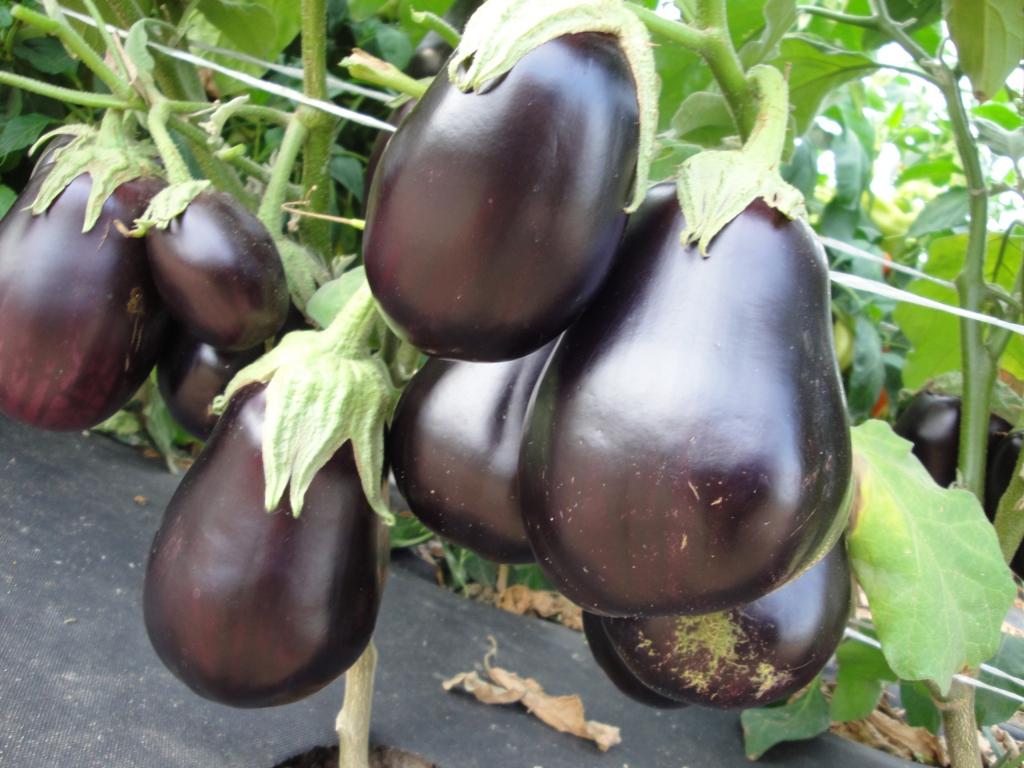
This variety is quite productive. With good farming practices, up to 10 kilograms of fruit can be harvested per square meter. The average yield is 5-6.5 kilograms. A single bush produces over 3 kilograms per season. Up to half a ton of fruit can be harvested per 100 square meters per season.
Scope of application
Eggplants are considered an open-ground crop. However, this variety can also be successfully grown in protected conditions (plastic, polycarbonate, or glass greenhouses). It is not intended for industrial-scale planting.
The variety is suitable for amateur cultivation in small areas, in summer cottages and garden plots.
Resistance to diseases and pests
This variety is resistant to eggplant diseases and pests, particularly phytoplasmosis, powdery mildew, and late blight. However, it is susceptible to root rot, especially when grown in soils where crop rotation is not observed. Regular soil loosening is recommended as a preventative measure.
If eggplants are infected, remove the entire plant and spray the infected soil with a fungicide solution. A suitable systemic solution is Fundazol, which also partially acts as an insecticide. Plantings of this variety are susceptible to viral spotting and are also susceptible to the Colorado potato beetle.
Advantages and disadvantages
Like all eggplant varieties and hybrids, the Black Beauty has its pros and cons. But, to its credit, its strengths far outweigh its weaknesses.
Advantages:
- friendly ripening of fruits;
- original shape, attractive appearance;
- high shelf life and transportability of fruits;
- tasty fruits with juicy pulp, without bitterness;
- unpretentiousness of the variety, adaptation to various growing conditions;
- versatility of fruit use;
- vigorous growth, high and stable yields;
- resistance to major diseases and pests of eggplants;
- the variety develops and bears fruit without problems both in open and closed ground;
- Young eggplants are cooked with the skin on.
Flaws:
- some of the eggplant fruits may grow in an oblong shape, not typical for the variety;
- The fruit lacks uniformity and marketability. This variety is characterized by small fruit size. These eggplants are not suitable for market sale;
- The variety does not tolerate sudden temperature changes well. A sudden cold snap after prolonged heat can cause ovary drop;
- When the fruit is overripe, bitterness may appear.
Growing seedlings
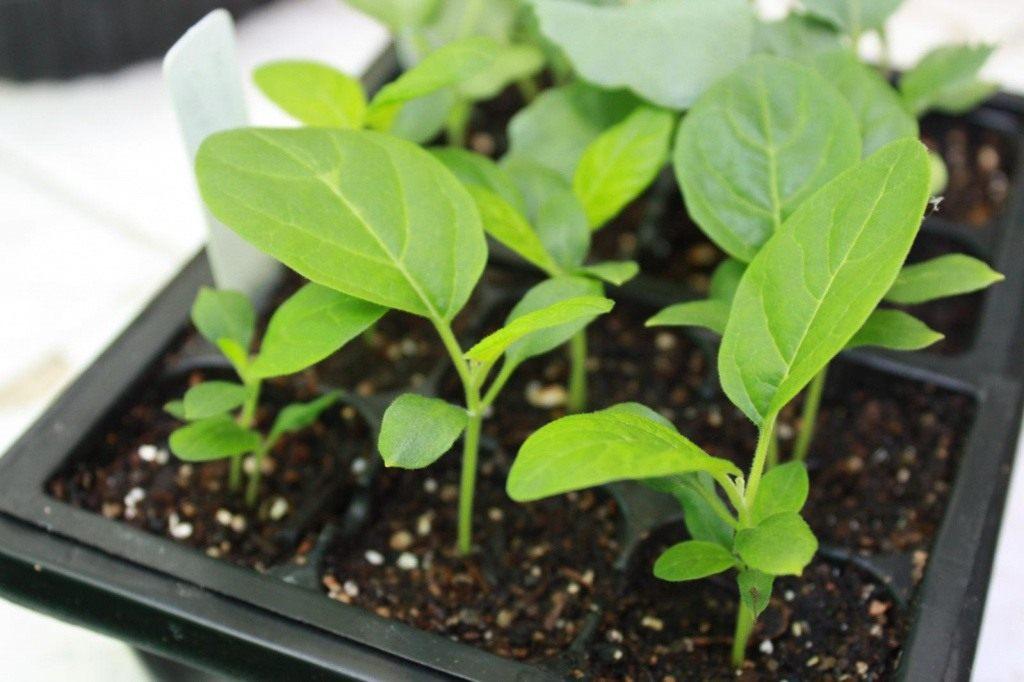
The variety is grown primarily from seedlings. In southern regions, sowing seeds directly into the soil is possible. However, it is more efficient, correct, and reliable to grow eggplants from seedlings.
Soil preparation
A nutritious, healthy substrate is crucial for growing strong seedlings. It shouldn't contain large quantities of weed seeds, harmful fungal spores, or soil-dwelling pests. Buying a ready-made potting mix is ideal. However, high-quality potting mix isn't cheap. Gardeners can easily make their own.
Checking the quality of seeds
When purchasing seeds from reputable manufacturers, no quality checks are required. They've already done everything for the gardener, even treating the planting material with Thiram. The main thing is that the original packaging is undamaged and the expiration date hasn't expired.
But if you purchased inexpensive, varietal seeds or the planting material was collected independently, it is necessary to check its quality.
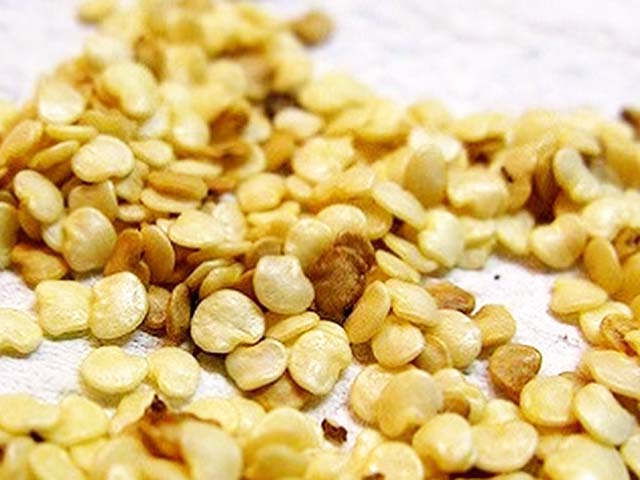
First, they are calibrated by size, discarding the smallest, misshapen, or moldy seeds. Then, the planting material is soaked for half an hour in salted water. All the full-size seeds remain at the bottom of the container, while the empty ones float to the surface. These should be collected and discarded, while those selected for planting should be thoroughly dried.
Seed sowing and planting scheme
Before sowing, soak the seeds for 20-30 minutes in a dark pink solution of potassium permanganate. After disinfection, soak the seeds in a growth stimulant for a day. Radipharm, Gibberlin, or Kornevin are suitable. After this, stratify the seeds for several days by storing them on the bottom shelf of the refrigerator.
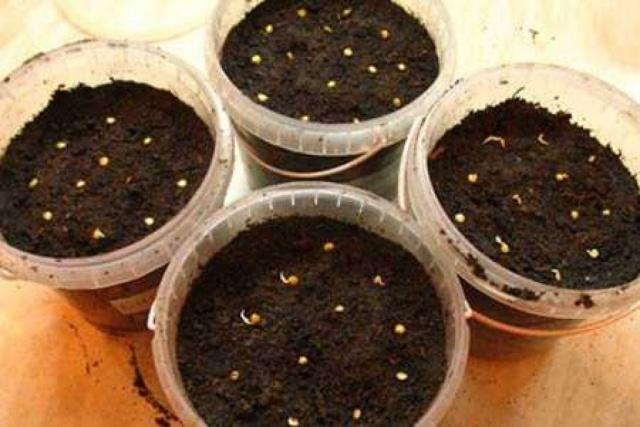
Then, sow the seeds in cups, cassettes, or small boxes filled with moist soil. Place the seeds in the soil to a depth of 1.0-1.5 centimeters, cover with soil, and carefully water. It's best to mist generously with a spray bottle to prevent the seeds from sinking too deeply.

Care
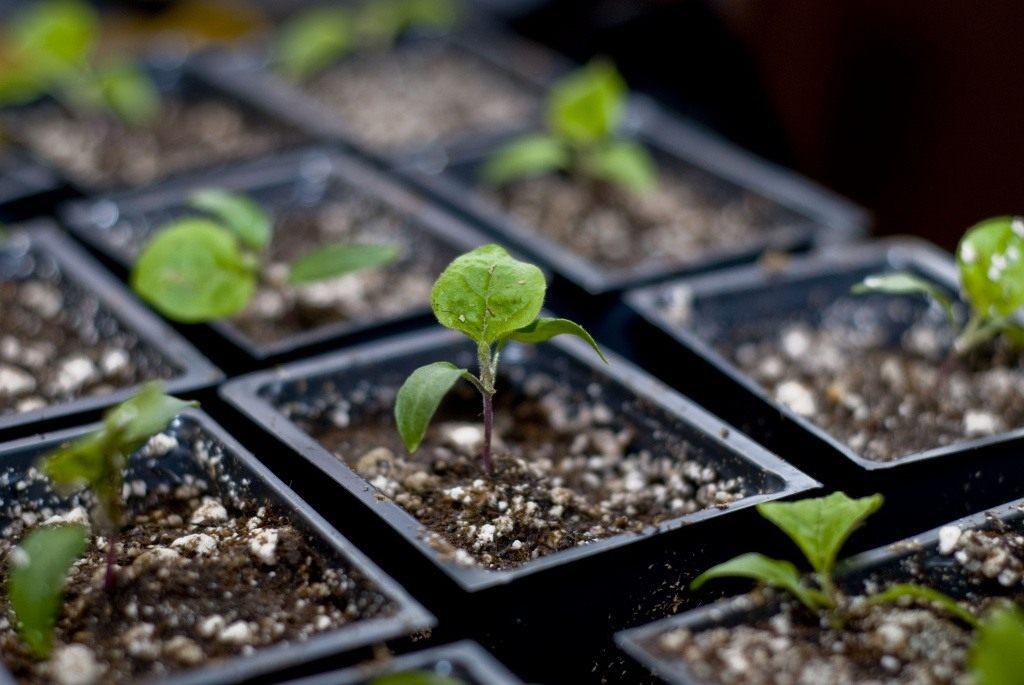
Cover the containers with the planted seeds with plastic wrap and place them in a warm place. Seedlings typically appear within 7-10 days. Maintain the optimal temperature for germination: 23°C to 28°C. Eggplant thrives on both light and heat. Seedlings require 10-12 hours of daylight and consistent warmth. If daylight is insufficient, supplemental lighting with fluorescent lamps is required.
Otherwise, the seedlings will quickly stretch upwards and become frail and sickly. If the seedlings become overgrown, use the growth regulator Atlet. Regular ventilation is essential during cultivation, and humidity should not exceed 65-70%. At least one or two applications of a universal complex fertilizer high in phosphorus and potassium are necessary, as well as a fungicide to protect against fungal diseases. The systemic preparation Quadris is an excellent choice.
Planting seedlings in open ground
Before planting eggplant seedlings in the soil The plant needs to be prepared by fertilizing it and hardening it off. This will ensure high survival rates and rapid development.
Preparing seedlings
It's important not to overexpose the plants as seedlings. Ideally, they should be planted outdoors after 80 days. However, before doing so, some preparatory work is necessary.
Hardening
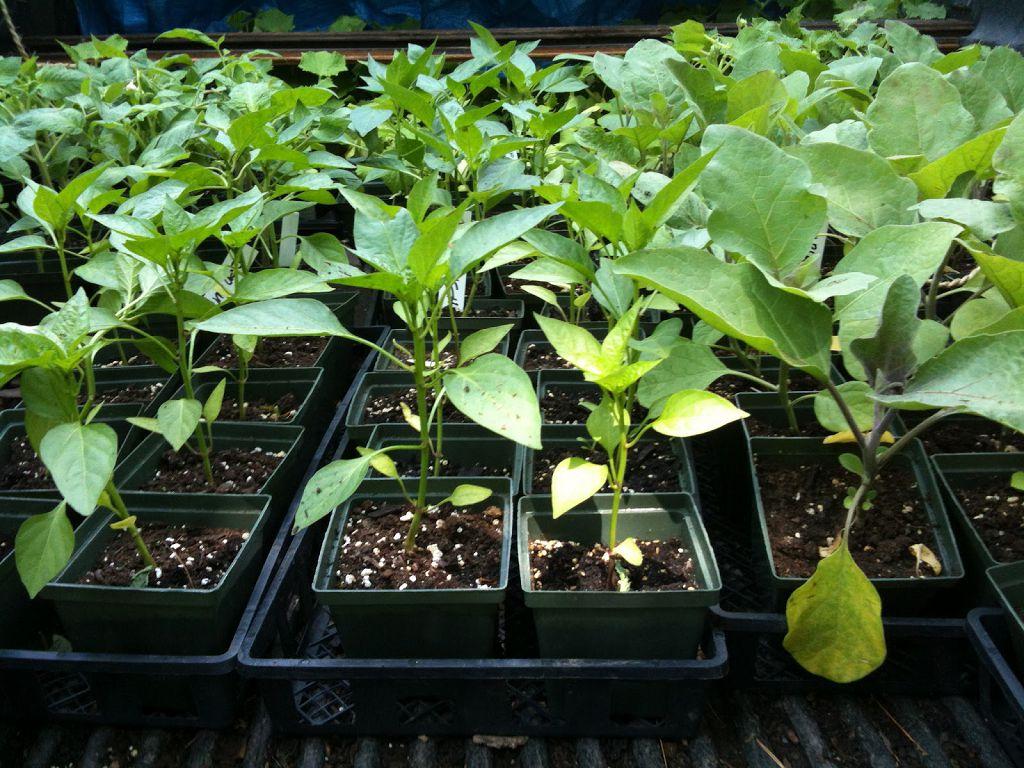
To ensure seedlings survive transplantation without problems and remain healthy, they need to be hardened off. This is especially important for seedlings grown indoors. Three to four weeks before planting, open the window above the plants. Initially, do so briefly—for about 15 minutes—and gradually increase the ventilation time. However, avoid drafts. A week before planting, you can take the seedling trays outside for an hour, protecting them from direct sunlight.
Top dressing
Before planting, apply a complex fertilizer with the formula NPK 20.20.20 and a growth stimulant. This will help overcome transplant stress—for example, the Italian Megafol.
Soils and beds
Pre-planting soil preparation is the key to a successful harvest. This agricultural practice can be carried out in either the fall or early spring. It consists of the following steps:
- thorough weeding of the beds;
- application of 4-5 kilograms of rotted manure per 1 square meter;
- application of mineral granular fertilizers: ammonium nitrate – 30-50 grams, 70-80 grams of phosphorus-potassium fertilizers;
- digging or plowing the area;
- abundant watering of the beds with water.
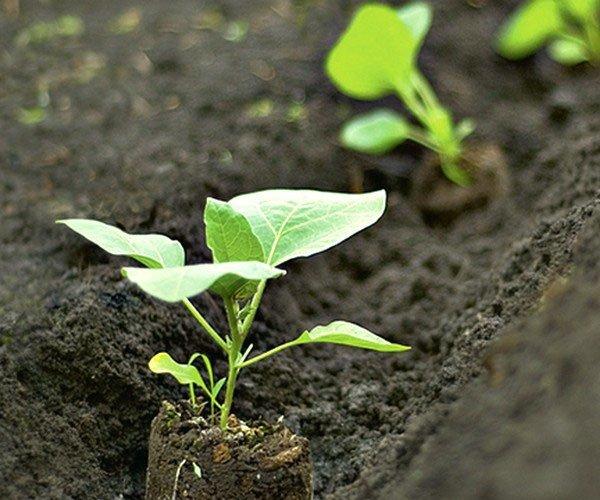
In spring, it is necessary to complete preparatory activities 2-3 weeks before planting seedlings.
Choosing a location
First, choose a location on the plot where the eggplant beds will be. It should be a sunny, warm spot, preferably protected from strong winds. It's also important to consider what crops were grown there.
The best predecessors for eggplants are onions, carrots, cucumbers, as well as legumes and melons. Beds grown after green manure (green fertilizer) are ideal. Eggplants should not be planted after related crops such as potatoes, peppers, and tomatoes. They have similar diseases and pests that accumulate in the soil. Planting them after after soil-depleting corn.
Fertilizer
To achieve good results, it is necessary to add organic matter to the soil before planting, as well as regularly fertilize with complex fertilizers.

Transfer
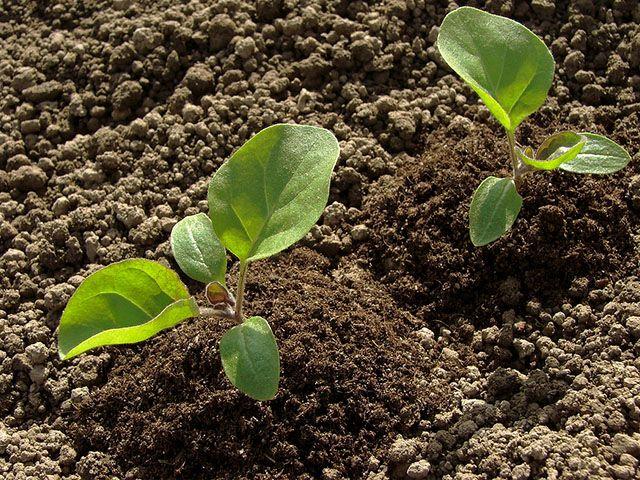
The optimal time for transplanting eggplants outdoors is May to early June, depending on the growing region. Transplanting occurs when the seedlings are 55-65 days old. By this time, the plants should have 10-12 leaves and may even be flowering. Initially, young plants should be shaded from daytime sunlight and protected from the cold at night.
Care
Caring for eggplant plantings involves timely watering, regular fertilizing with complex fertilizers, preventative spraying against diseases and pests, sanitary cleaning, and timely harvesting.
Watering and soil care
At the beginning of their development, eggplants need to be watered once a week. As the fruit ripens, the frequency of watering increases to two or even three times, depending on the region and soil type. The plant strongly dislikes sprinkler irrigation. Regular loosening and weeding of the soil around eggplant plantings is essential. The variety responds well to mulching of the root zone.

Top dressing
To achieve high yields, regular fertilization with complex fertilizers is necessary, depending on the eggplant's development stage. At the beginning of the growing season, the variety requires more nitrogen, while during fruit setting and ripening, it requires more phosphorus and potassium. The recommended frequency of applications is once every 10-14 days.
Spraying against diseases
To maintain high agricultural productivity, eggplant crops are treated with preventative treatments against diseases and pests. At least 2-3 sprayings are required per season. It is possible to use an insecticide and fungicide in a single tank mix, provided they are compatible. Suitable products include Aktara and Quadris.
Bush formation
No more than 10 fruit buds are left on each eggplant plant to prevent the fruit from becoming smaller in the future. Pinching out side shoots is not mandatory and is left to the gardener's discretion. However, dried, yellowed leaves, and damaged fruit should be removed regularly.
Harvesting and use of crops
Black Beauty fruits are versatile. They are used in a variety of dishes, for all kinds of preservation and processing, including caviar production. They are also suitable for drying and grilling. They are harvested in the morning or evening, starting at the technical ripeness stage.
Reviews
"An excellent eggplant variety. The fruits are delicious and beautiful. We fry them, pickle them, and make caviar from them. A big plus is the Black Beauty's low maintenance. And the eggplants are very healthy. I recommend them to everyone!"
Inna Ivashova, Anapa
"I love this variety! The eggplants are truly beautiful. The fruits are tasty, although not large. This eggplant has never let me down and has rarely had any problems. I will continue growing this variety."
Svetlana Zemtsova, Tver
Related posts:
 The best eggplant varieties for growing in a polycarbonate greenhouse: planting and care
 80 Best Eggplant Varieties for Different Regions with Descriptions and Characteristics
 Causes and treatment of eggplant pests and diseases, how to combat them at home
 How to quickly prepare pickled eggplant in jars for the winter, the most delicious recipes and storage conditions for the preparations
 How to properly plant and care for eggplants in open ground
 Making finger-licking good eggplant caviar with peppers and tomatoes
 Planting, growing, and caring for eggplant seedlings at home
 27 of the most delicious eggplant appetizer recipes for the winter