
- The history of the F1 hybrid
- Description and photo
- Fruit
- Bushes
- Characteristics of the variety
- Productivity and fruiting
- Scope of application
- Resistance to diseases and pests
- Advantages and disadvantages
- Growing seedlings
- Timing
- Soil preparation
- Seed sowing pattern
- Care
- Temperature conditions
- Daylight hours
- Irrigation
- Top dressing
- Picking
- Top dressing
- Planting seedlings in open ground
- Care
- Watering and soil care
- Top dressing
- Spraying against pests and diseases
- Bush formation
- Harvesting and storage
- Secrets of vegetable growers
- Reviews
Eggplants are widely grown in gardens. Breeders have now developed a huge number of varieties, varying in size and color. The Clorinda eggplant variety is easy to care for and easy to grow. This hybrid has long been a favorite among gardeners.
The history of the F1 hybrid
The Clorinda eggplant hybrid was developed in 2006 by Dutch breeders. In 2007, the variety was added to the register of crops suitable for cultivation in all climate zones. According to this document, Clorinda is suitable for planting both in open ground and in greenhouses or hotbeds.
Description and photo
Before planting an eggplant variety, it's worth studying its description and fruit characteristics to understand what this hybrid is.
Fruit
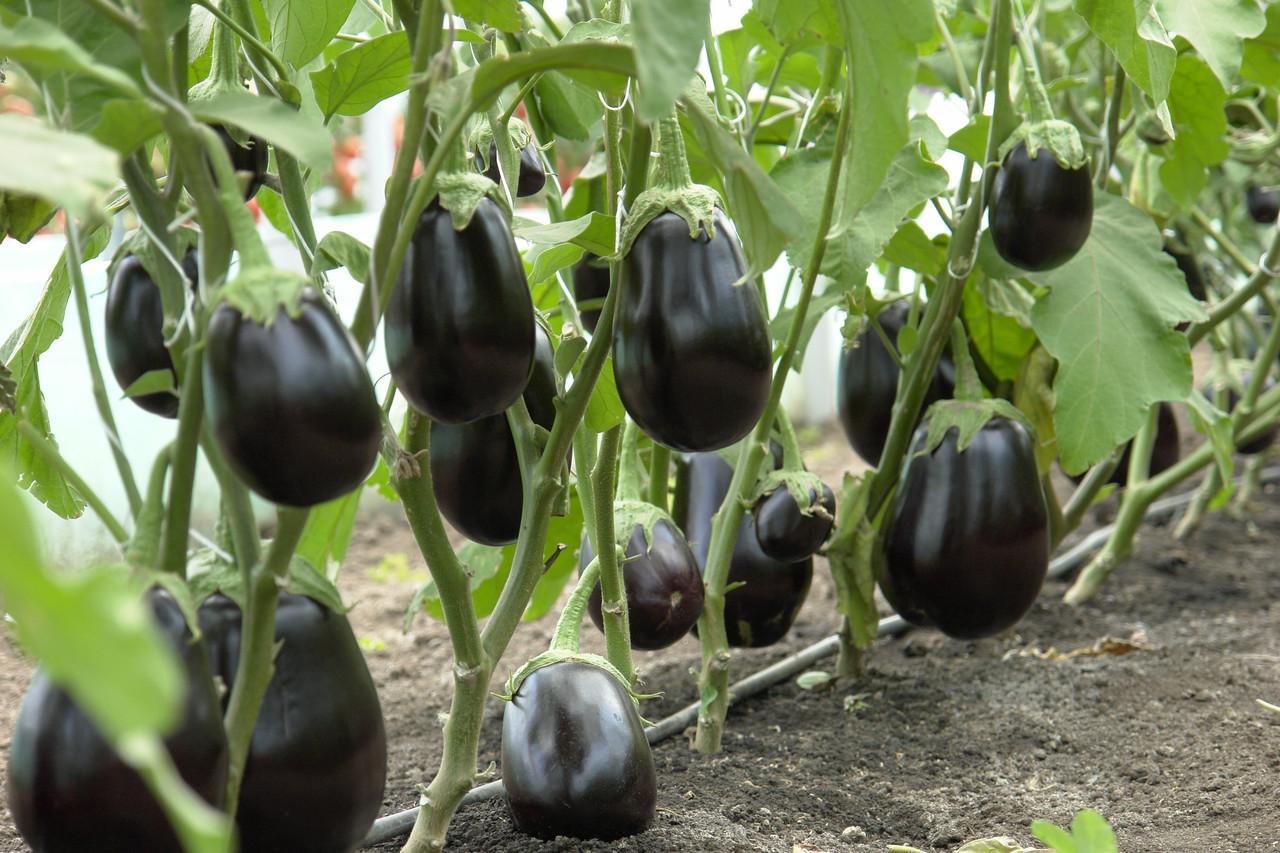
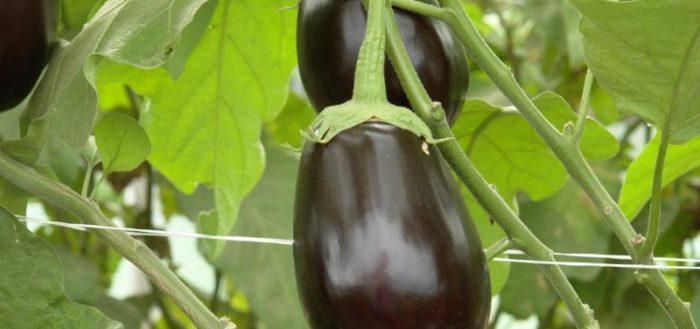
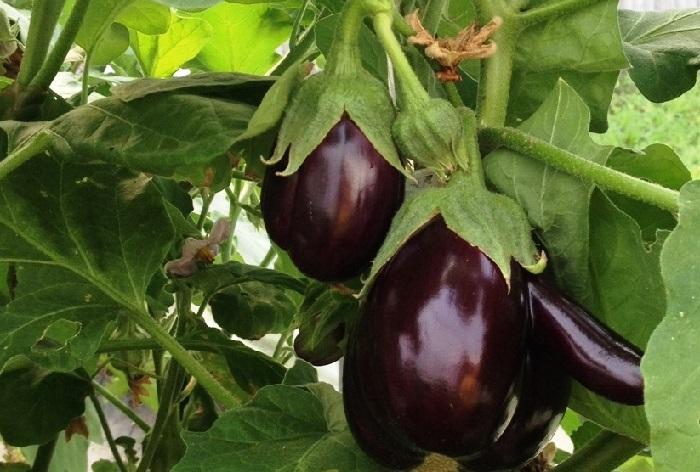
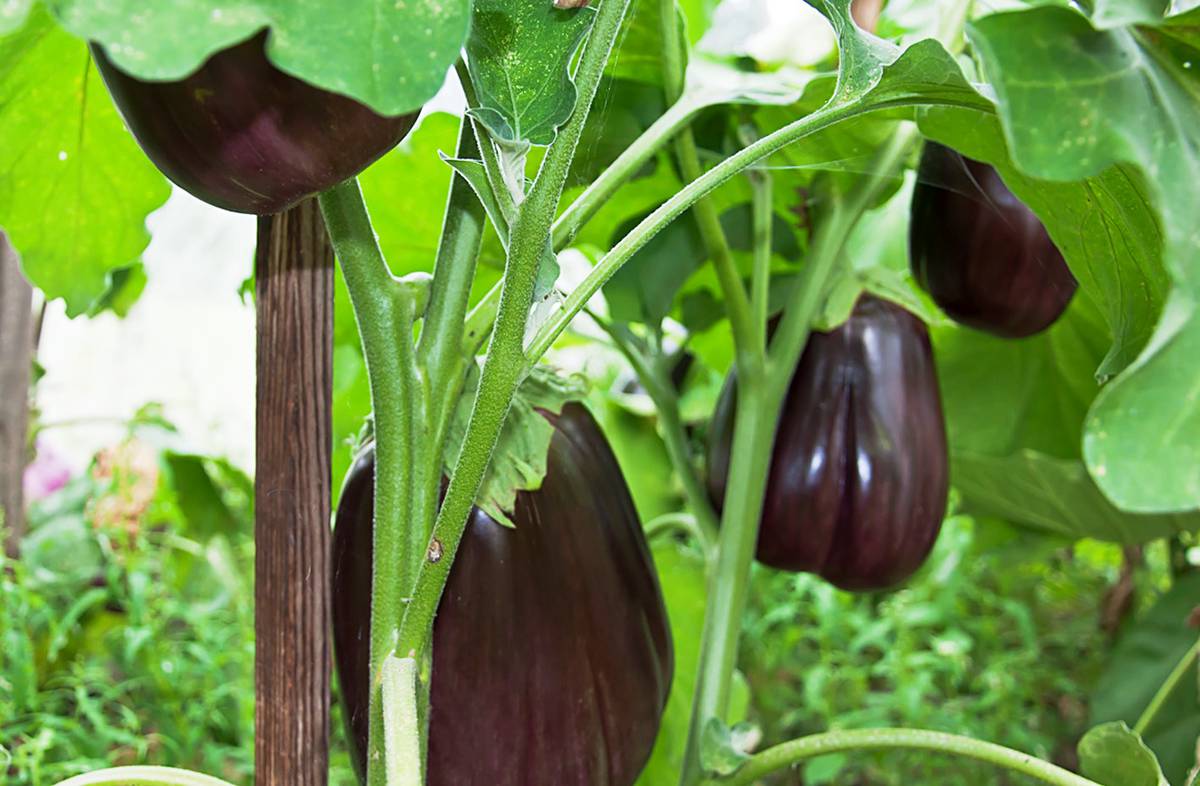
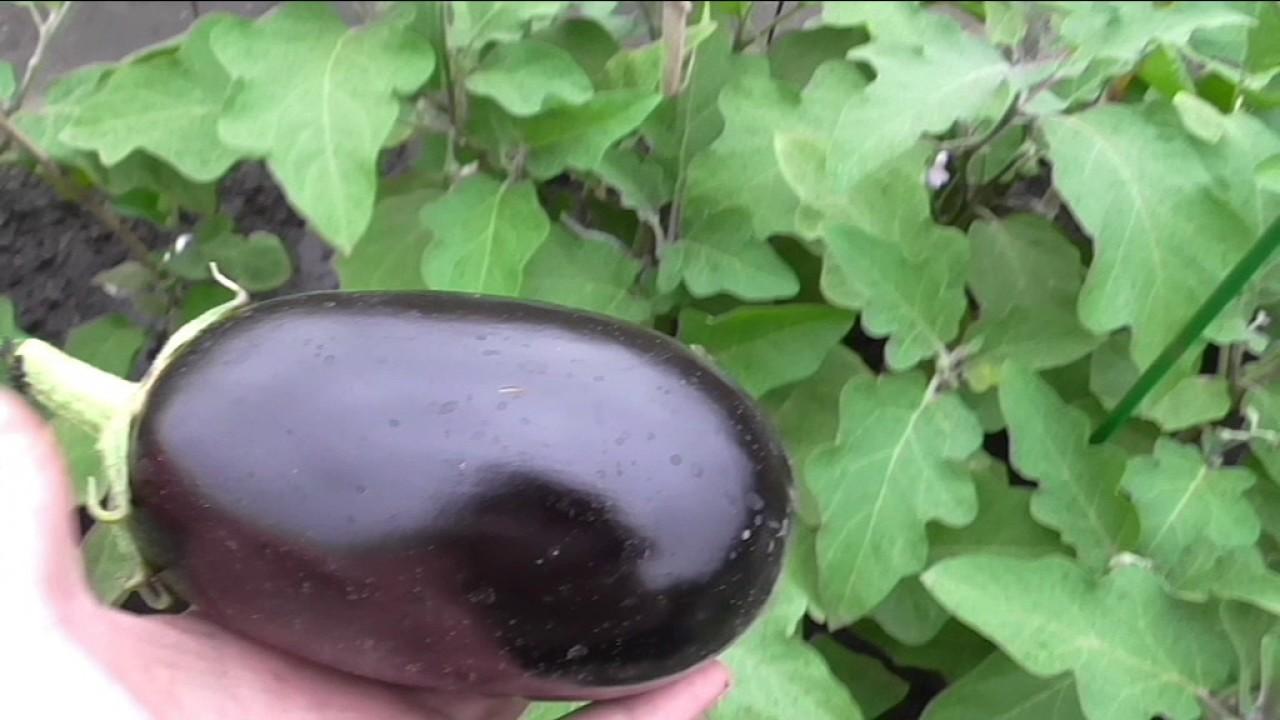
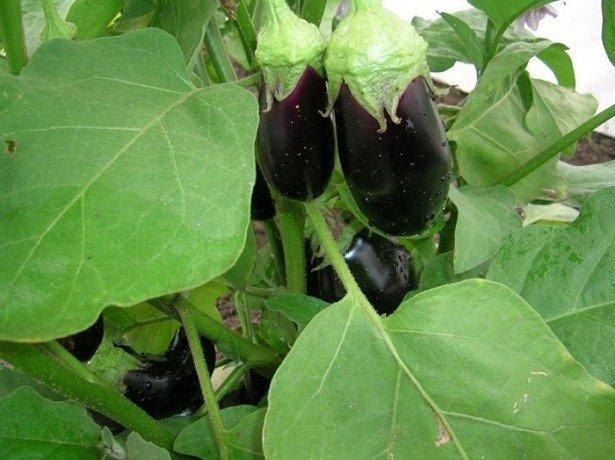
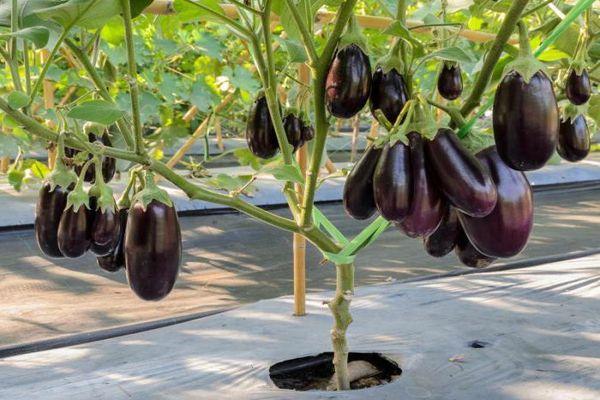
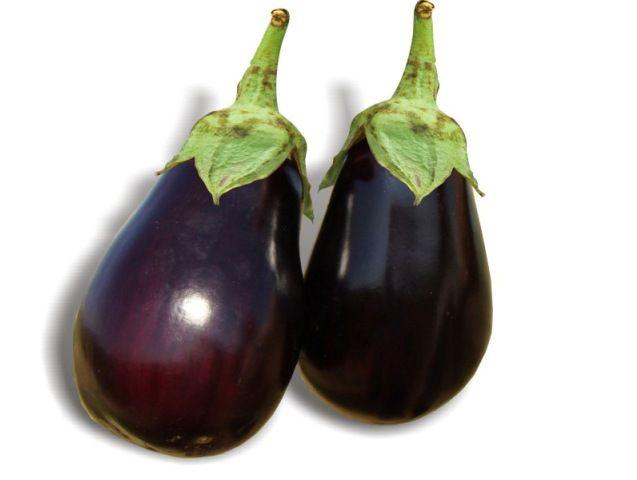
The fruit is oval in shape, tapering toward the base. A single plant can produce fruits of varying shapes. The skin is a rich purple. The firm, glossy rind. The flesh is milky, with a small number of seeds. There is no bitterness in the flesh.
Bushes
The bushes are upright, semi-spreading, and compact. The height is approximately 50-55 cm. The leaves are light green and medium-sized.
Characteristics of the variety
In addition to the description of the bush, important characteristics include yield, fruiting time, and immunity to diseases.
Productivity and fruiting
Fruiting is mid-early. After planting the seeds in the ground, the bushes begin to bear fruit within 100-113 days. Fruiting is prolonged, and the fruit is harvested until the first frost. The bushes produce a bountiful harvest, yielding up to 3 kg per bush. In a greenhouse, yields are slightly higher, approximately 6 kg per plant.
Scope of application
Ripe fruits have a wide range of uses. Ripe eggplants are used in salads, appetizers, and canned goods for the winter. Because the flesh is not bitter, soaking eggplants in salted water before cooking is not necessary.
Resistance to diseases and pests
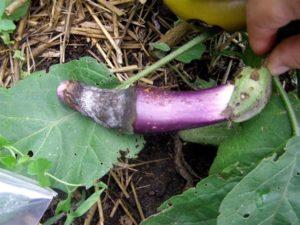
Among the advantages of the Clorinda eggplant hybrid are its resistance to tobacco mosaic and most other agricultural diseases.
Advantages and disadvantages
Among the advantages of the Clorinda variety are also:
- productivity;
- vegetable ripening periods;
- versatility in cooking;
- absence of bitterness in the pulp;
- immunity to agricultural crop diseases.
One drawback is that the Clorinda eggplant is a first-generation hybrid, meaning you can't collect seeds for future planting. They won't germinate anyway.
Growing seedlings
Growing eggplant seedlings is a crucial step, determining the future yield of the plants.
To increase the germination rate of planted seeds, you need to study the rules of agricultural technology for planting.
Timing
Eggplant seeds are planted closer to spring. The optimal time for planting is late February to early March. The key is for the seedlings to be large enough by May to be transplanted outdoors.
Soil preparation
For sowing, you can purchase a ready-made soil mix for vegetable crops. Or you can prepare the soil yourself. For the base, use regular soil from your plot:
- The soil is calcined and watered with a weak solution of potassium permanganate.
- Add wood ash and coarse river sand.
- Mix thoroughly.
You can add coconut fiber if you have it, or add a small amount of peat moss. Add drainage material (small crushed rock, pebbles, or crushed eggshells) to the bottom of the container.
Seed sowing pattern
Make 1-cm-deep furrows in the soil. Place the seeds in the soil and lightly cover them with soil. Planting the seeds too close together is not recommended; leaving some space between them is recommended.
Care
To ensure eggplant seeds germinate quickly, they need proper care. Providing favorable growing conditions will ensure healthy and strong seedlings.
Temperature conditions
Eggplants are heat-loving crops, so avoid placing them in drafts. The optimal temperature for plants is between 20 and 23 degrees Celsius. A drop of 1-2 degrees Celsius is acceptable at night.
Daylight hours
To ensure healthy and strong seedlings, they need at least 14 hours of sun. If natural light isn't enough, install grow lights near the containers and turn them on for 2-3 hours in the late afternoon.
Irrigation
Eggplants thrive in moist soil. However, overwatering is also not recommended. Water the plants with warm water as the soil dries out.
Top dressing
To promote rapid growth, it's recommended to fertilize the soil several times a month while the seedlings are growing indoors. After germination, water the soil with potassium humate diluted in warm water. You can also irrigate the soil with chicken manure diluted in water.
Picking
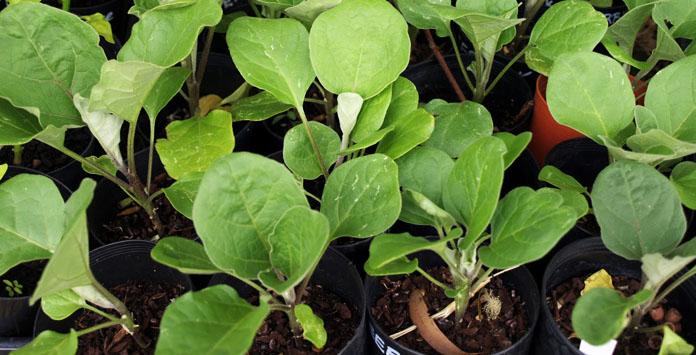
The seedlings are pricked out after the first pair of full-fledged leaves appear. They are transplanted into peat pots. The eggplants are planted directly into these pots when they reach their permanent location.
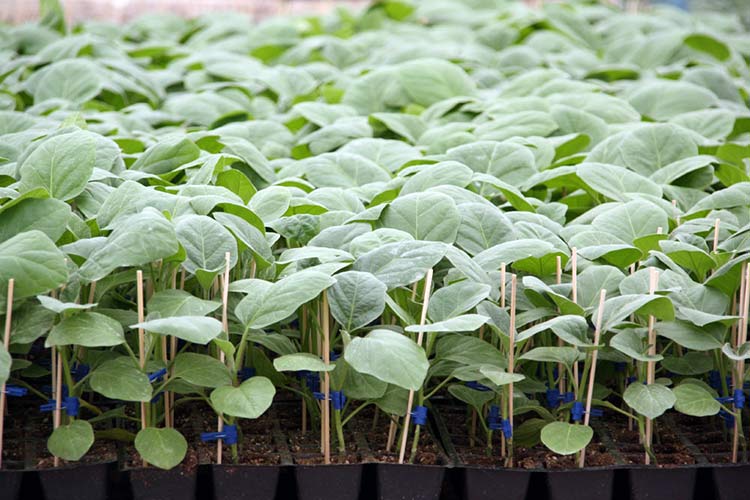
Top dressing
A week after transplanting, the seedlings are fertilized. Eggplants are also watered with potassium humate and wood ash diluted in warm water. Fertilizer can be applied once a week.
Planting seedlings in open ground
Planting in open ground occurs after the seedlings have grown and the weather has warmed. Seedlings are planted around mid-May. The soil is prepared in the fall, after the harvest. The soil is dug over and all weeds are removed. Then manure is added and mixed in.
The process of planting eggplant seedlings:
- make beds;
- dig holes 30-40 cm deep;
- the distance between each hole is 50-65 cm;
- Place the seedling in the hole and cover it with soil, lightly compacting the soil near the stem.
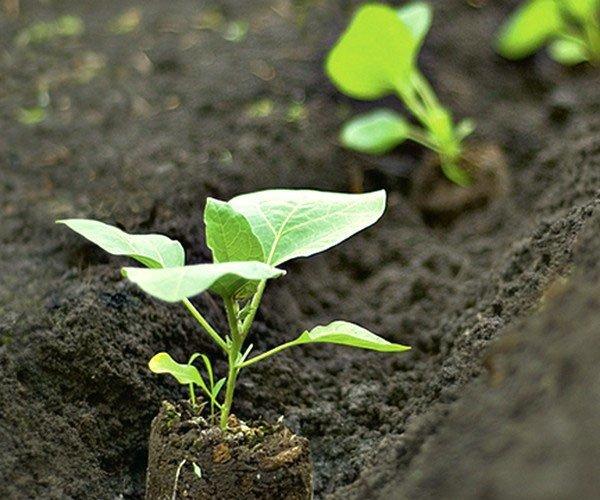
At the end of planting, water the beds with warm water. Cover the beds with a warm cloth at night for the first few weeks. Cold snaps at night are common in May, and heat-loving eggplants can freeze.
Care
Eggplant is an easy-to-grow crop, so care can be minimal. The main thing is to remember to fertilize and water regularly.
Watering and soil care
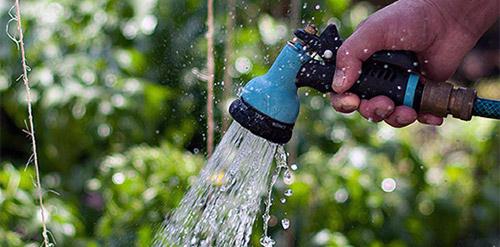
Once a week, you should loosen the soil and remove weeds from the bed. It is best to weed the soil before watering so that the roots receive oxygen along with the water.Water the soil daily, in the evening after sunset. Use sun-warmed water. Using cold water can cause the eggplants to develop fungal diseases.
Top dressing
After transplanting to a permanent location, fertilizer is added to the soil 10 days later. Nitrogen is used as a fertilizer. Nitrogen-containing fertilizers promote plant growth.
After the plants enter the flowering and fruiting phase, they are watered with phosphorus-containing and potassium fertilizers.
They are alternated with the addition of rotted manure and watering with an infusion of weeds.
Spraying against pests and diseases
As a preventative measure, eggplants are sprayed with a Bordeaux mixture solution a few weeks after planting. Spraying with Fitosporin or Uniflor-Micro helps against tobacco mosaic.
Another disease is bacterial spot. Fitosporin-300 can help combat it. If the disease is advanced and many bushes are damaged, they are all dug up and destroyed, and the beds are then treated with a fungicide.
Insects are rarely found on eggplants, with the exception of the Colorado potato beetle. If insects are few in number, they are collected by hand. If there are many, they are sprayed with chemicals against the Colorado potato beetle. However, it's best to collect them by hand to prevent the chemicals from being absorbed into the fruit.

Bush formation
Eggplants don't require any bush shaping. The only thing you can do is remove the lower leaves as they grow. Also, leave the three healthiest shoots on the bush and trim off the rest.
Harvesting and storage
The harvest ripens by the end of July. The fruits are harvested with the stems attached. The harvested vegetables are stored in the refrigerator. The lower the temperature, the longer the harvest will last.
Secrets of vegetable growers
Tips for growing Clorinda eggplant:
- It is recommended to plant eggplants in light and fertile soil rich in potassium.
- At temperatures below +15 degrees, seedlings stop developing.
- If the weather is cold and there's prolonged rain, eggplants are treated with biofungicides. These products help the plants cope with stress.
- The fruits should be harvested immediately after they reach technical maturity. Overripe eggplants become bitter, and the flesh becomes too soft.
- Before planting, seeds can be germinated to increase their germination rate. To do this, place the seeds in damp cheesecloth and place them in a warm place for several days until they sprout.
If you follow all the recommendations for growing eggplants in the fall, you can get a rich harvest.
Reviews
Evgeniya, 39: "I've tried a huge number of eggplant varieties, but my favorite is Clorinda. It's productive and easy to grow. And most importantly, the flesh isn't bitter. Of all the eggplants I've tried, this one is the most delicious."
Arkady, 54: "I saw a lot of positive reviews about the Clorinda variety. I decided to plant some too. But I can't say I was thrilled with the eggplants. The yield was average, and the plants didn't bear fruit for a long time. Although the flesh really isn't bitter. That's a big plus."
Related posts:
 80 Best Eggplant Varieties for Different Regions with Descriptions and Characteristics
 How to quickly prepare pickled eggplant in jars for the winter, the most delicious recipes and storage conditions for the preparations
 The best eggplant varieties for growing in a polycarbonate greenhouse: planting and care
 Causes and treatment of eggplant pests and diseases, how to combat them at home
 Making finger-licking good eggplant caviar with peppers and tomatoes
 How to freeze fresh, fried, and baked eggplants for the winter at home in the freezer
 14 quick recipes for marinated eggplant with garlic and herbs for the winter
 27 of the most delicious eggplant appetizer recipes for the winter