
- The need for circumcision
- Types
- Preparing for landing
- Crown formation
- Second year
- Third year
- Fourth year
- Mature bushes
- Rejuvenation of shrubs
- Sanitary treatment of unwanted shoots
- Seasonal
- Spring
- Autumn
- Summer
- For a good harvest
- Recommendations for choosing deadlines
- Spring
- Summer
- In the fall
- Basic tools
- Secateurs
- Loppers
- Non-standard methods of formation
- Trellis
- Standard
- Regional features
- Moscow region and central Russia
- The Urals and Siberia
- In the Leningrad region
- Rules for care after pruning
- Common mistakes
- Tips and tricks for beginners
- Conclusion
Some gardeners plant gooseberries in their gardens. This shrub requires proper care to ensure it grows well and produces fruit. Experienced gardeners recommend pruning the seedlings. However, before doing so, it's important to familiarize yourself with the nuances of gooseberry pruning and understand how and when to do it.
The need for circumcision
Before pruning gooseberry bushes, it's important to understand the necessity of this procedure. Some people believe that pruning seedlings is unnecessary, but this is not true. If you don't monitor the formation of new shoots and don't train mature stems, the bushes will begin to branch out and become overgrown. Within two to three years of such uncontrolled growth, the shoots will become so thick that their branches block sunlight. This will weaken the plant, and its ripe berries will become smaller.
Therefore, people who grow gooseberries advise periodically shaping the seedlings so that they do not develop a large number of lateral stems.
Types
There are several types of pruning for gooseberry bushes that you should familiarize yourself with.
Preparing for landing
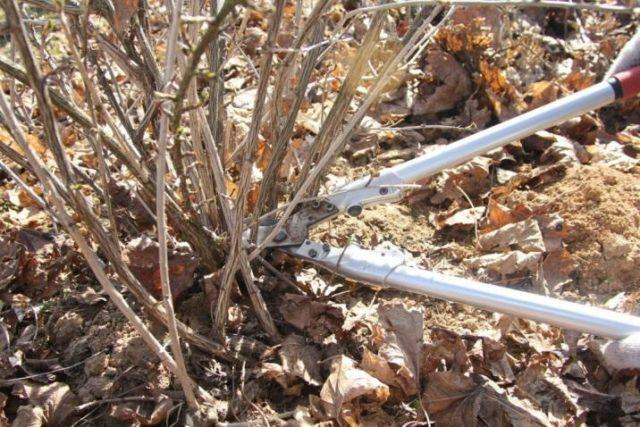
The first pruning of a seedling occurs before planting it in open ground. Select seedlings 1-2 years old with a well-established root system. The plant's skeletal roots should be approximately fifteen centimeters long. The height of the planting shoot should not exceed forty centimeters.
Some seedlings are quite large and therefore require pre-pruning. This procedure removes:
- All the leaves. To do this, gently run your fingers along the shoots.
- Dried roots. Sometimes the root system may have dried root branches, which can be trimmed with regular scissors. After cutting the root, the plant is placed in a container filled with root growth stimulants for 2-4 hours.
Crown formation
Pruning of shoots is done in order to properly shape the crown.
Second year
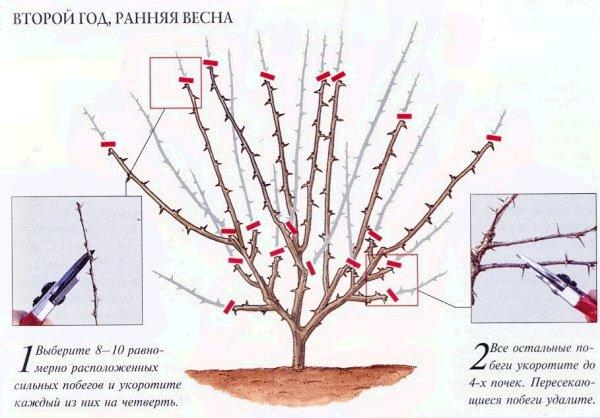
Experts recommend shaping the gooseberry canopy, but special attention should be paid to seedlings in the second year after planting. This is when the plants actively begin to bear berries, which begin to form on the lower shoots located in the second row.
When carrying out the procedure, it is impossible to remove all the shoots, since some of them will bear fruit in the future.
Only the weakest shoots should be removed. These are most often located in the root zone of seedlings. They should be trimmed so that only 3-4 basal branches remain on the plant.
Third year
If pruning is done correctly, by the third year, the seedlings should have formed about twenty branches, which will later form the foundation of the bush. When shaping a three-year-old gooseberry bush, follow these steps:
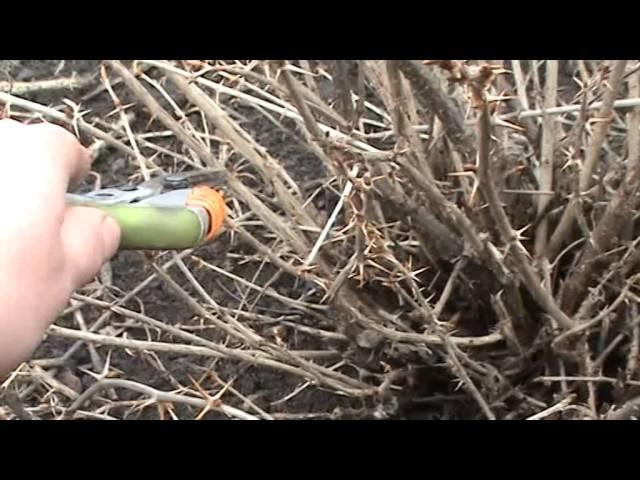
- Removing horizontally growing shoots. It's recommended to remove them so they don't consume nutrients and moisture in the soil. You can use pruning shears to remove the shoots. If the shoots are young, trim them with regular scissors.
- Pruning weak branches. Some gooseberry shoots are weak, which is why they're not growing as well. These should be pruned early to prevent them from slowing down the bush's growth.
- Trimming the remaining shoots. The remaining branches are cut back to 10-15 centimeters using pruning shears.
Fourth year
Four-year-old seedlings begin to grow vigorously, so branches should be pruned more frequently. Long-time gooseberry growers recommend removing drooping and weakened branches. Branches with excessive yellow or wilted foliage should also be removed.
Shoots that branch poorly and grow more slowly than others are not cut off completely, but only shortened by ten centimeters.
As a result, about 22-23 branches are left on the seedling, which are then pruned less severely. The remaining branches will only need to be completely pruned if they begin to dry out.
Mature bushes
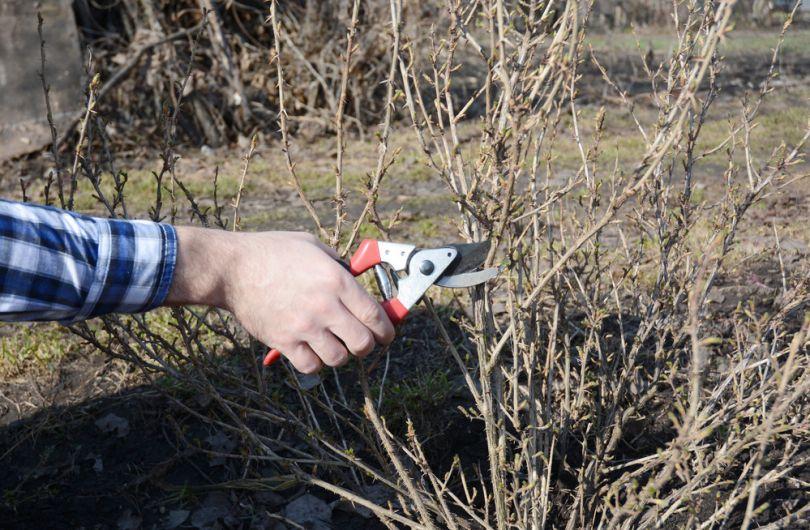
After four years, the bushes become mature, so they won't require much pruning. However, selective pruning will still be necessary to ensure normal growth. The number of branches on a mature gooseberry tree can vary, but most typically have around 20-30.
They all consume a lot of nutrients for their development, and therefore you will have to get rid of all the extra shoots.
All branches shorter than 12 centimeters, as well as shoots without formed berries, are pruned. Pruning should be done with carefully sharpened pruning shears to avoid accidentally damaging the shoot.
Rejuvenation of shrubs
When a gooseberry bush reaches eight years of age, it should undergo rejuvenation pruning, during which a third of the mature branches are removed. To prune the bush, follow these steps:
- Prune out weakened and twisted branches that have stopped growing. Only the basal and strongest shoots should remain on the plant.
- Checking the tops of the remaining branches. After this procedure, be sure to inspect the tops of the seedlings for defects. If a broken or dried branch is found, it will need to be cut off.
Sanitary treatment of unwanted shoots
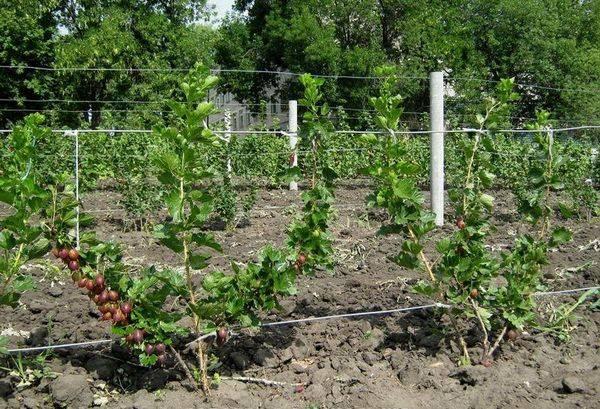
People who plan to grow gooseberries in the future should study the scheme for sanitary removal of unnecessary branches on mature seedlings.
A large number of unnecessary branches appear because people neglect to care for mature bushes. However, this shouldn't be done, as without pruning, plants weaken and are often infected with fungal diseases. Sanitary pruning of seedlings is carried out in several stages:
- Thinning the bush. First, remove all blackened and old shoots that have stopped producing fruit.
- Removing vertical branches. Only 5-6 branches should be left; the rest are cut out.
Seasonal
Pruning of gooseberry seedlings is done at any time of the year except winter.
Spring
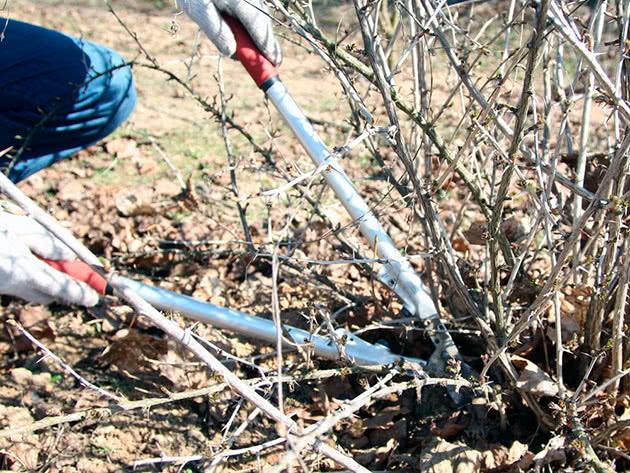
Many gardeners recommend spring pruning of seedlings. This should be done in early spring, before the buds begin to open. Avoid pruning in mid-April or May to avoid damaging shoots with newly emerging foliage. When spring pruning gooseberries, follow these steps:
- cutting out old branches whose surface is covered with dark spots;
- thinning of the seedling, during which all broken and deformed shoots are removed;
- cutting out unproductive and young branches located in the center of the bush.
Autumn
Sometimes people don't have time to prune in the spring, so they postpone it until the fall. In the fall, it's best to trim back mature shoots rather than cut them back. This work should be done immediately after harvesting the ripe berries.
It is not advisable to prune too late, as this will negatively affect the formation of younger branches.
First, each bush is carefully inspected to find and remove all blackened branches. Then, the seedlings are thinned to remove any crooked stems. The cut areas are treated with a special varnish to prevent infection.
Summer
Experienced gardeners do not recommend pruning seedlings in the summer, as July and August are considered the period when sap is actively transported through the stems. Therefore, any damage to the branches will reduce fruiting and negatively affect the size and flavor of the berries.
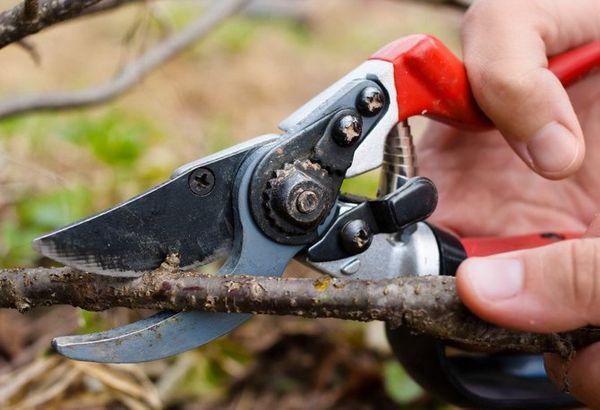
Summer pruning can also result in a lot of shoots, which will need to be removed later. However, sometimes people have no other choice and must prune stems during the summer. This is recommended in the first half of June.
For a good harvest
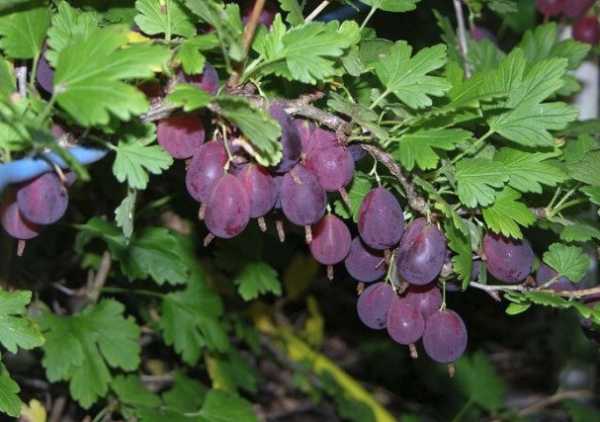
Some people think that pruning gooseberries is only necessary to rejuvenate the bush, but this is not true. This procedure is also performed to significantly increase the yield of berries planted in the garden.
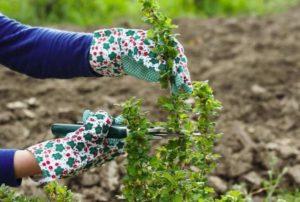
There are several recommendations that will help improve fruiting. First, you need to carefully examine each stem of the seedling and identify the branches on which the fruit is not forming.
They are cut out completely to prevent them from wasting nutrients needed by the ripening berries. Then, all damaged stems and branches that are growing more slowly are trimmed.
Recommendations for choosing deadlines
Before pruning gooseberries, it is recommended to understand in advance the timing of pruning at different times of the year.
Spring
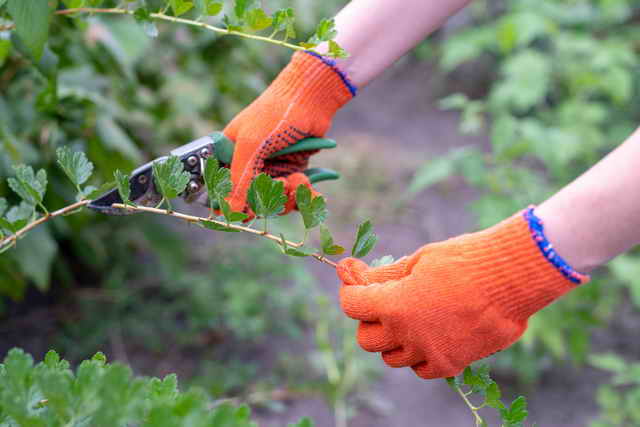
Most gardeners begin pruning in the spring, after severe frosts have passed. When pruning in the spring, it's important to be on time, as this can reduce the future yield of the shrubs.
Experts recommend starting to prune branches at the end of March or in early April..
In the first half of spring, it's necessary to remove dried branches and darkened stems that have been infected with powdery mildew. Leaving them on the plant is contraindicated, as the disease will spread throughout the shrub.
Summer
In summer, it's best to avoid pruning branches, as sap begins to flow. The least suitable months are August and July, when the berries on the bushes are actively ripening. If pruning must be done in summer, it's best to do it in June.
At this time, the sap moves through the stems less quickly, and therefore the risk of damaging the plant is much lower. It's best to finish the work by the second half of the month.
In summer, as in spring, you will have to get rid of diseased and dried stems that will never bear fruit again.
In the fall
In some regions, spring is short-lived, requiring pruning in the fall. This period is ideal for removing unwanted branches that waste nutrients from the plant.
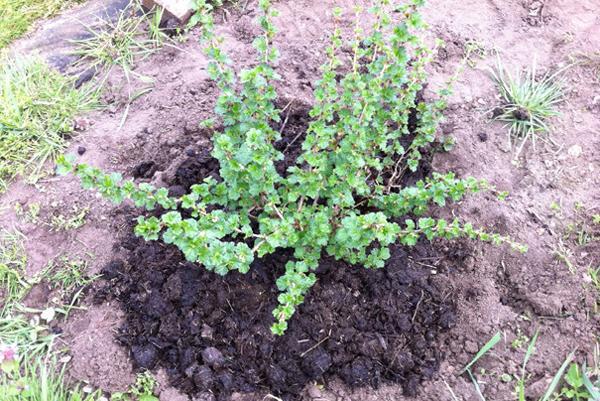
It's recommended to prune shoots early, before winter sets in. Gardeners who prune gooseberries every fall recommend doing so in early October after harvesting. Early fall is not recommended, as this will cause too many new shoots to appear later. These will not have time to harden before the first frost and will die back in November.
Basic tools
There are various tools used to train gooseberry bushes. It's recommended to familiarize yourself with the basic features of each beforehand.
Secateurs
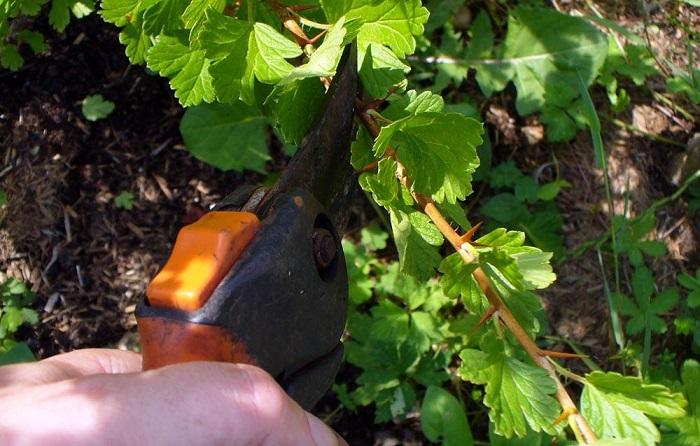
This is a common gardening tool, popular among many gardeners. Pruning shears are recommended for trimming young branches no larger than 1-2 centimeters in diameter. There are several requirements for a quality pruning shear:
- Appropriate shape. When working with gooseberries, select tools with suitable handles. Experienced gardeners recommend using pruning shears with rubberized handles. These prevent slippage in the hand during pruning.
- A sharp blade. There should be no nicks or burrs on the blade's surface. Therefore, it is recommended to sharpen it before use.
- Durability. The tool you choose should be durable and reliable. Avoid purchasing products made from low-quality materials that break easily.
Loppers
There's another tool some people use to remove unwanted gooseberry branches. This is a lopper, which is stronger than pruning shears. It's best used when removing thick branches larger than 2-4 centimeters in diameter.
The advantages of a lopper include the fact that it can be used to reach branches located deep in the bushes.
This isn't easy to do with regular pruning shears. When choosing pruning shears, pay attention to their dimensions. The handles should be long to make it easier to cut the lower stems in the center of the bush.
Non-standard methods of formation
There are two non-standard methods of shaping seedlings that you should be familiar with before carrying out pruning work.
Trellis
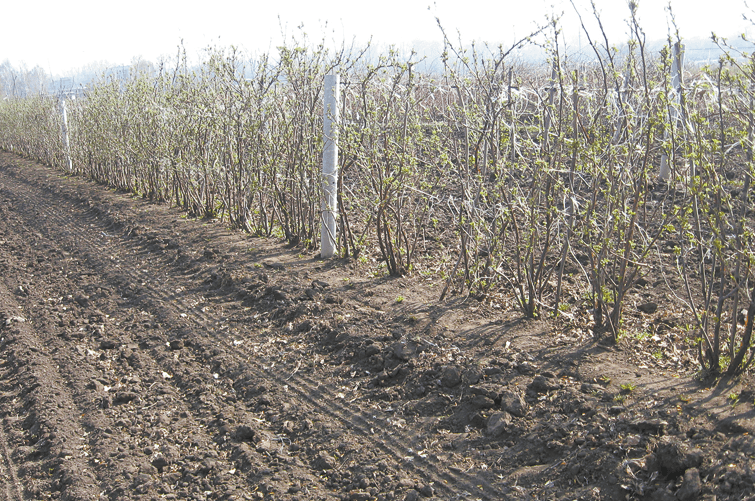
The most common non-standard method of training gooseberries is growing them on special trellises. This involves installing supports on each row of bushes, with wires stretched between them.
Bushes grown using the trellis method should be small and consist of only four branches. Therefore, all excess stems are removed beforehand to prevent them from slowing growth.
The remaining branches are carefully tied to a taut metal wire to ensure they grow vertically. The branches located in the central part are shortened by 5-10 centimeters.
Standard
Using the standard method, seedlings are grown into a compact tree. During bush formation, the strongest shoot is selected and left on the plant. All other shoots are pruned to a height of 70-80 centimeters. Lateral shoots are regularly pruned to prevent them from growing wider and taller.
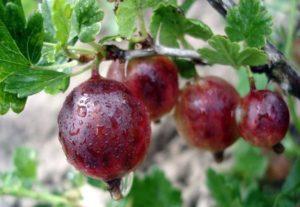
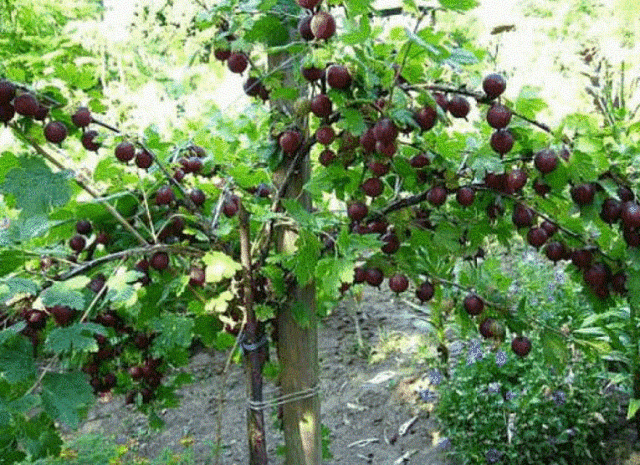
To ensure the main stem grows straight, it is tied to a plastic or metal support, which is buried twenty centimeters into the soil. Six shoots are left on the seedling each year, which are shortened by half in the spring.
Regional features
Pruning gooseberries grown in different regions has certain peculiarities.
Moscow region and central Russia
Many gardeners live in the central part of the Russian Federation, which enjoys a temperate continental climate. The climate in this region is ideal for growing berries, so over time, they become overgrown and require pruning.
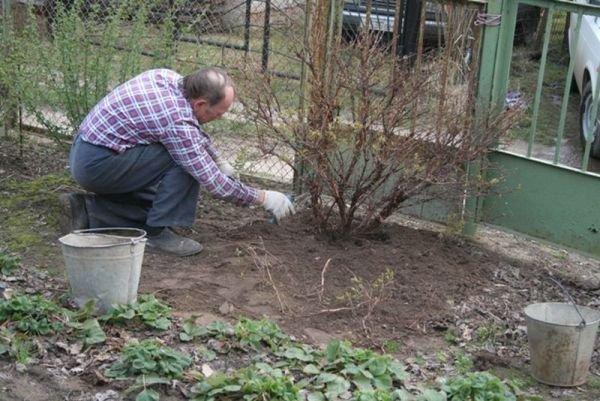
The procedure should be carried out in the spring and fall. Residents of the Moscow region should avoid removing branches in the summer, as this can damage the entire shrub. Mid-October is considered the best time to carry out the work. Pruning must be completed before the beginning of next month.
The Urals and Siberia
The Urals are considered a fairly large region, with climate conditions varying slightly across the area. In moderate weather and temperatures that don't drop below freezing, bush formation begins around October 10th.
At this time, the weather in the Urals is the same as in the central part of the country. Residents of Siberia are advised against autumn pruning of seedlings due to early cold snaps and night frosts.
Experts recommend gardening in late spring, when temperatures warm up to 5-10 degrees Celsius. At this time, remove frozen and old branches from bushes.
In the Leningrad region
The Leningrad Region is known for its cool, humid climate. These conditions favor the growth rate and fruiting of berries. The region's main characteristic is the thaws that occur due to the prevalence of warm fronts. Gooseberry pruning in the Leningrad Region is done in the fall and mid-spring. It's best to avoid pruning seedlings in the summer to avoid reducing yield.
Rules for care after pruning
Pruning stems causes stress to the berries, so proper care is recommended after the work.
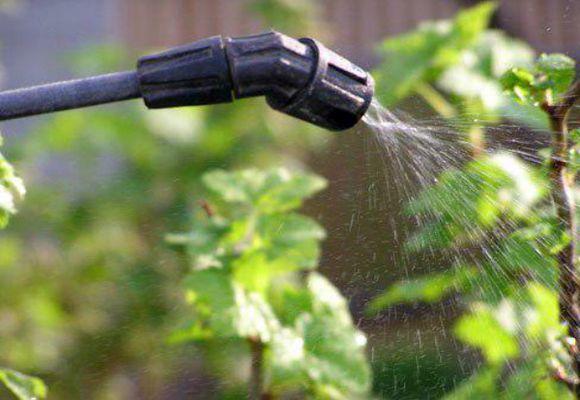
Thorns, remaining branches, and cut areas are treated with a special mixture. It is made from urea and crushed coal, mixed in a ratio of five to one.
It's also necessary to fertilize the pruned bushes to promote growth. Potassium sulfate and superphosphate are used for this purpose. The fertilized bushes are watered with warm water. Each plant requires about twenty-five liters of liquid.
Common mistakes
People who decide to prune gooseberries often make mistakes during the process. The most common mistakes include the following:
- Pruning annual growth. Such shoots should not be cut off, as they may become too strong.
- Pruning a large number of young branches. Don't remove all the young branches; leave at least 5-6.
- Cuts above a bud. Avoid cutting above a young bud, as this will damage the branch.
Tips and tricks for beginners
You should familiarize yourself with the tips for beginners in advance to properly shape gooseberry bushes:
- the ends of the shoots are cut off with sharpened pruning shears;
- the cut areas are treated with urea liquid;
- the tops of old branches are cut by 20-30 centimeters;
- pruning is best done in autumn or spring;
- Do not use unsharpened garden tools, which can damage the stem.
Conclusion
Gardeners who grow gooseberries will need to prune them periodically. Before doing so, it's important to understand the basic methods and features of this procedure at home.
Related posts:
 Pests and diseases of gooseberries and their control using chemical and folk remedies
 How to prune grapes step by step for beginners
 Description of the Malachite gooseberry, varieties, planting and care
 Sulfur control of powdery mildew on gooseberries using folk and chemical remedies
 Description of 36 of the best sweet and large varieties of gooseberries
 Description and characteristics of the best seeds of pea varieties and types
 TOP 20 ways to preserve fresh gooseberries for the winter
 Description of the Belarusian Sugar Gooseberry variety, planting and care instructions