
- Description
- Seasonal feeding of gooseberries
- In the spring
- In summer
- In the fall
- Fertilizers
- Nitrogen
- Phosphorus
- Potassium
- Complex
- Organic
- Folk remedies for fertilizing bushes
- Potato peelings infusion
- Banana infusion
- Ash
- Eggshells
- Yeast
- Green infusion
- Fertilizer application options
- Foliar
- Under the root
- Proper watering for a good harvest
- Tips for Beginner Gardeners
Gooseberries are an early-ripening berry known for their good yield, easy transportability, and rich vitamin content. To ensure high-quality fruiting, disease resistance, and proper development, gooseberries require regular and proper fertilization, which varies depending on the season and the plant's age. Gooseberries are fertilized with mineral and organic fertilizers, and for best results, use a combination of fertilizers.
Description
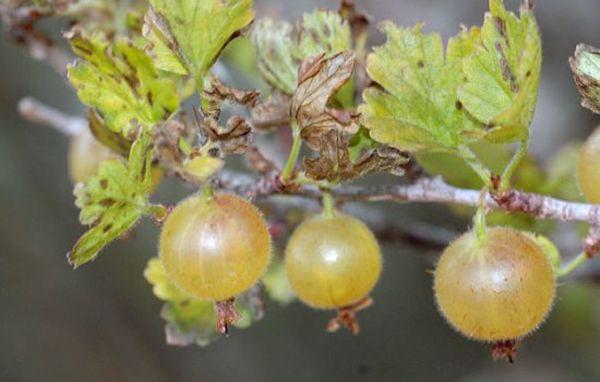
Gooseberry is a shrub that can reach a height of 120 cm. The bark peels off and is brownish-gray. Young shoots have needles, or thorns. The foliage is heart-shaped to ovate, dark green, and has blunt teeth along the edges. The first leaves appear in May.
The fruits are spherical or oval berries, reaching 12-40 mm in size. The fruit surface is glabrous or covered with light, coarse bristles. Venation is always present and visible to the naked eye. The berries range in color from white to red. Ripening occurs from June to August, depending on the variety. Gooseberries are self-fertile, producing a good yield and boasting excellent vitamin content and medicinal properties.
The plant is planted outdoors in spring or fall. Fall is considered the most favorable time, as the seedling is able to establish itself in the garden bed and develop a strong root system before the first frost. Choose a well-lit site, preferably free of drafts, with slightly acidic or neutral soil. Sandy, loamy, sandy loam, and clay soil are also suitable for growing gooseberries.
Growing gooseberries and getting a high-quality harvest is easy if you follow all the proper agricultural practices. In the spring, disease prevention and fertilization are recommended. Weeding should also be done to prevent the formation of a dry crust around the bush. For best results, mulching is recommended.
Without proper care, gooseberries are susceptible to the following diseases:
- powdery mildew;
- anthracnose;
- mosaic;
- white spot;
- goblet rust.
As for pests, gardeners encounter insects that can seriously damage plants and crops, such as fireworms and shoot aphids.
In any situation, whether it involves diseases or pests, treatment is required based on the use of folk remedies or special preparations.
Seasonal feeding of gooseberries
Fertilizing can be done in a variety of ways. It's possible to use not only specialized fertilizers but also traditional remedies. Fertilizing can be done at any time of year and has various purposes:
- growth and development of shrubs;
- improving the taste of fruits;
- increased fruiting;
- saturating the soil with useful microelements.
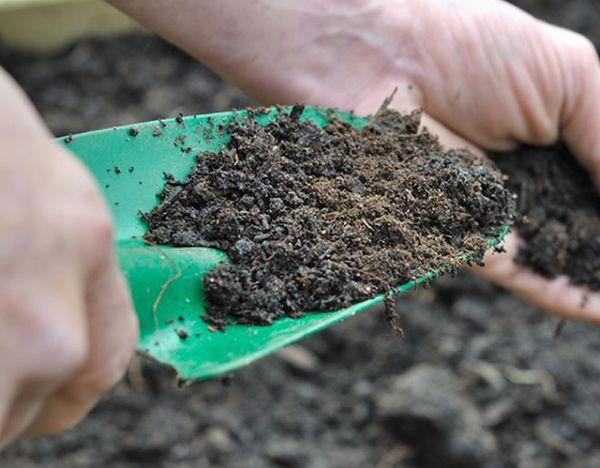
Mineral fertilizers are the foundation of gooseberry nutrition. They contain all the necessary components that promote growth and fruiting. Nitroammophoska is suitable for gooseberries; it is recommended to apply it in the spring immediately after the snow melts, while loosening the bed.
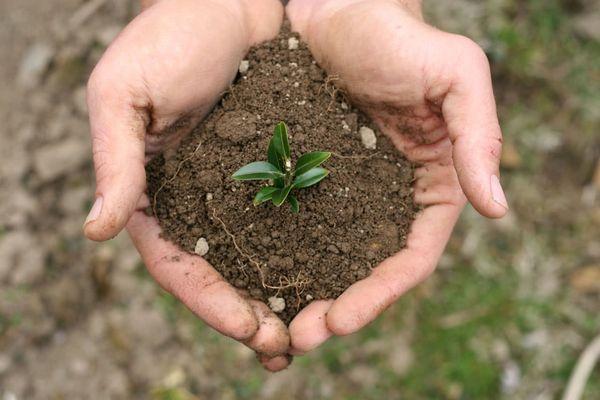 If the soil on the site is heavy, then it is better to use complex fertilizers in the fall, and on light soils - in the spring.
Micro Mix mineral complex is recommended for gooseberries. It contains chelated microelements that are easily absorbed by the plant.
Depending on the type of fertilizer, it is recommended to follow certain rules:
- Root feeding. Fertilizer should be applied near the root system, either diluted or dry, according to the instructions.
- Foliar feeding. During treatment, the solution concentration should not exceed 1%. Ignoring this advice will cause plant burns. When choosing a fertilizer, pay attention to its liquid solubility; it should be good.

In the spring
In spring, gardeners fertilize gooseberries only twice: before bud break and before flowering. Organic and mineral fertilizers are suitable for this purpose. Organic fertilizers include compost, fermented bird droppings, or rotted manure. Nitrogen-containing fertilizers, such as superphosphate, ammonium nitrate, urea, and potassium sulfate, are recommended for mineral fertilizers.
Organic fertilizer is preferable for spring fertilization, as it's more easily absorbed by the plant. It's first scattered around the bushes immediately after the snow melts. After this, the soil is loosened, and the soil between the bushes is dug up. It's advisable to mulch the surface with peat.
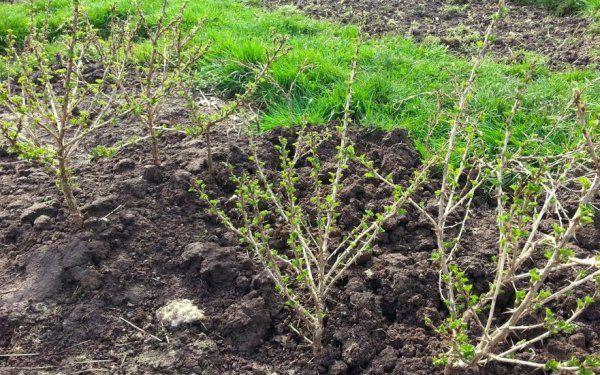
The second feeding is done before flowering. It promotes the formation of high-quality fruit. A mixture of organic matter and mineral fertilizers is suitable for this. No more than 5 kg of manure and nitroammophoska (NAP) or ammophos (Ammophos) are required per bush. The proportions are as per the instructions. This is a root feeding, followed by abundant watering and mulching.
Don't forget about foliar feeding with ammonium sulfate or urea, which has a positive effect on yield. Spraying the plant is not recommended during flowering and berry ripening.
In summer
In mid-summer, that is, in July, the third feeding is carried out, which stimulates fruiting, improves taste, and promotes fruit size. Fertilizers are applied to the roots and help improve the bush's condition and increase its resistance to diseases and pests. In summer, mineral fertilizers (phosphorus and potassium) and organic matter are used. Fertilizing is recommended after heavy watering.
To prepare the fertilizer, you'll need 10-20 liters of manure, 200 liters of liquid, and 5 liters of compost. Place the mixture in a barrel, mix, and seal with a lid. Let the fertilizer sit for 1-2 weeks. The resulting mixture is diluted in the following proportions: 1 liter of fertilizer per 10 liters of liquid. Water the bushes with the mixture, then apply mulch. This process is repeated twice, until the berries ripen. It is recommended to apply this fertilizer in conjunction with complex fertilizers.
In the fall
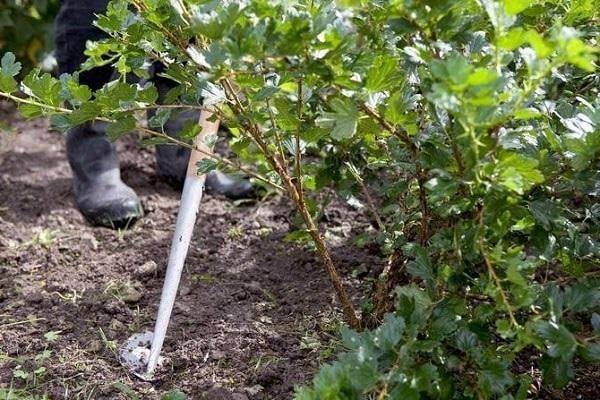
In the fall, soil fertilization is necessary, as gooseberries consume phosphorus, potassium, and other nutrients throughout the season, which are essential for flowering, fruit set, and ripening. This will be the fourth fertilization. If you skip this, the plant will be weak, unhealthy, and produce a poor harvest the following year.
In mid-autumn, remove all weeds from the bed, burn fallen leaves, and water the plants (approximately 30 liters per bush). The soil must be dug and fertilizer must be applied. Humus and superphosphate are permitted. Also at this time, fertilize gooseberries with urea. Wood ash is also beneficial. The soil must be loosened and mulched.
As for nitrogen fertilizers, it is not recommended to use them in the fall, as this will stimulate shoot growth, which is undesirable during this period and will lead to the complete death of the crop.
Fertilizers
For growth, development, and good fruiting, the plant requires a variety of nutrients; without them, it will become diseased and die. To achieve positive results from growing gooseberries, it's essential to use fertilizers correctly, applying each in the right proportions, combinations, and timing.

Nitrogen
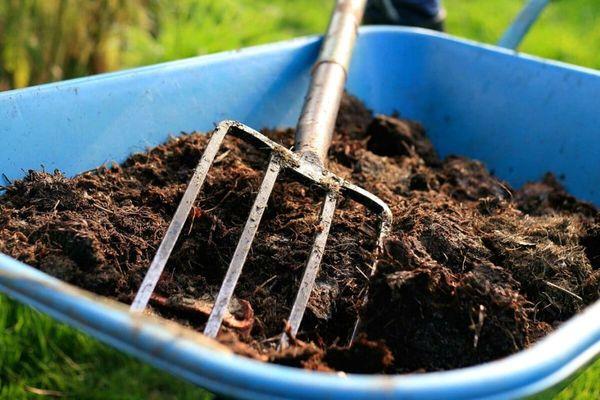
If your gooseberry is suffering from a nitrogen deficiency, it's easy to spot. The plant will exhibit slow growth, poor shoot development, dull foliage, and few flowers. Before applying, be sure to read the instructions to avoid any negative consequences.
The most popular nitrogen fertilizers used for gooseberries:
- Ammonium sulfate. This fertilizer is easily absorbed by plants and does not wash out of the soil, which promotes soil acidification. It has a positive effect on plant development and crop productivity.
- Ammonium nitrate. It enriches the soil, strengthens the plant's immune system, and is easily absorbed. Improper use of the concentrate can cause burns.
- Urea. It enriches the soil, strengthens the plant's immunity, and helps fight pests. Fertilizing gooseberries with urea ensures a high-quality harvest. Apply it in the spring when tilling the soil and use it as a foliar fertilizer. It is easily absorbed by the plant, has minimal soil acidification, and does not cause burns or poisoning of the gooseberries.
Phosphorus
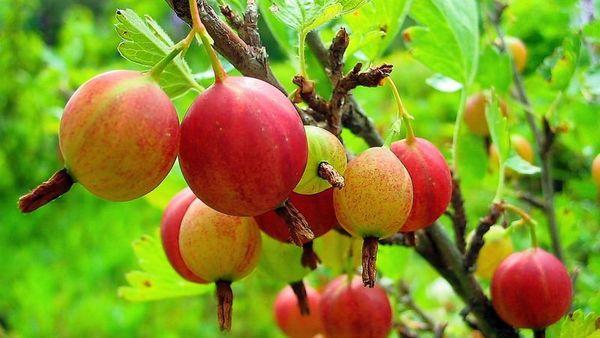
Phosphorus deficiency in gooseberries manifests itself as follows:
- flowering later than expected;
- berry shedding;
- change in foliage color to red;
- insignificant harvest.
If phosphorus deficiency isn't addressed promptly, the plant won't be able to fully recover even with proper and adequate fertilizing. The primary source of phosphorus is organic matter, as well as the following fertilizers:
- Superphosphate and double superphosphate. The former is necessary for fruiting, the latter for the root system.
- Rock phosphate. Use in beds with highly acidic soil. In this case, the plant needs to be fertilized at the beginning of the growing season and after harvest.
Potassium
Potassium deficiency in gooseberries manifests itself as dry and brittle shoots, yellowing and leaf drop, and small fruit. The main potassium fertilizers are potassium sulfate (applied during fall tillage), potassium chloride (used during planting), and potassium salt (used during spring and fall tillage).
Complex
Frequently used complex fertilizers for gooseberries:
- Nitroammophoska. Contains nitrogen, potassium, and phosphorus. It's best applied in the fall; 100 g per bush is required. In spring and summer, foliar feeding is applied at a rate of 55 g per square meter.
- Ammophos. Contains nitrogen and phosphorus. Used for autumn feeding. Consumption rate: 25 g per square meter.
- Nitrophosphate. Contains nitrogen and phosphorus. Recommended for use in fall and summer.
Organic
Gooseberries thrive on organic fertilizers. Organic fertilizers strengthen the plant's immune system, making it resistant to diseases and pests. Manure, bird droppings, cow manure, or compost are recommended. These are used as root fertilizers. Organic infusions are made using 10 liters of the mixture per plant.
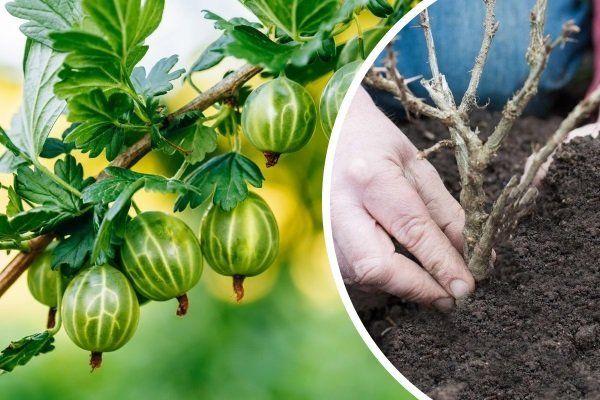
Organic fertilizers should be used not only in spring or fall, but also when planting a new plant. The recommended ratios for infusions are: slurry – 1:10, compost – 1:4, mullein – 1:6, bird droppings – 1:13. If these ratios are ignored, improperly diluted fertilizers can cause burns and even death to the shrub.
Folk remedies for fertilizing bushes
Not only specialized fertilizers but also folk remedies used by all gardeners are considered effective for fertilizing. They help saturate the soil and plants with all the necessary nutrients.
Take a look Also
Potato peelings infusion
To prepare the infusion, you'll need 1 liter of potato peels and 10 liters of boiling water. Cover the bucket or other container with a lid and wrap it tightly. This allows the infusion to steep. When the infusion has cooled slightly, pour it under the bush.
Banana infusion
To prepare the infusion, take 3-4 banana peels and a liter of boiling water. Chop the peels and add them to a jar, which is then sealed. Let the infusion steep for 2-3 days. Water the plant at the roots.
Ash
Wood ash from fruit trees and shrubs, as well as grapes, is good for gooseberries. It contains potassium, sulfur, phosphorus, and zinc. It can be added to the soil during tilling, mulching, and spraying. It helps reduce soil acidity and improve soil permeability.
Eggshells
Egg powder, prepared from well-dried eggshells, is applied to the soil beneath the bush. One plant requires 50 grams of this powder.
Yeast
To prepare the solution, you'll need 1 kg of yeast and half a bucket of warm water. Let the solution sit for 2-4 hours, then dilute it with water 1:10. Use this solution for watering, preferably combined with wood ash.
Green infusion
To prepare the solution, you'll need 5 kg of crushed chamomile, tansy, and nettle, as well as ash (1 cup) and onion peel (1 cup). Add all ingredients to 10 liters of liquid, cover, and let sit for 7-8 days. Dilute the resulting infusion 1:10. It's used for both root and foliar feeding.
Fertilizer application options
For proper development and growth of a plant, you need to know which products are best to use and how.

Foliar
To ensure fertilizer works properly and has only positive effects on gooseberries, you need to know how to best use it. Foliar feeding involves spraying the plant. We've discussed which fertilizers to use for foliar feeding above.
Under the root
Gooseberries, like all cultivated plants, thrive on nutrients. Complex fertilizers are most often applied to the roots.
Proper watering for a good harvest
Although gooseberries are considered drought-resistant, they still require regular watering. During the growing season, they should be watered, preferably once a week; if it's extremely hot, more often if possible. Avoid allowing water to stagnate under the bush. Watering is especially important during flowering and fruit formation.
Tips for Beginner Gardeners
To ensure fruiting, full growth and development of gooseberries, you must adhere to the following recommendations:
- regular watering;
- top dressing;
- weed removal, weeding, mulching;
- pest prevention and disease treatment.
If you care for the crop properly, you can get a high-quality and tasty harvest, and the plant will delight you with its beauty and greenery.
Related posts:
 Description of 36 of the best sweet and large varieties of gooseberries
 Pests and diseases of gooseberries and their control using chemical and folk remedies
 Description and characteristics of the gooseberry variety Commander, planting and care
 Description of 34 best gooseberry varieties for Siberia and the Urals, cultivation techniques
 22 Best Large-Fruited Gooseberry Varieties for the Moscow Region: Planting and Care
 Description of the Malachite gooseberry, varieties, planting and care
 Description of the English Yellow gooseberry variety, planting and care
 Description of the Hinnonmaki gooseberry, varieties, planting and care