
- The history of the Emerald Necklace currant breeding
- Cultivation areas
- Main advantages and disadvantages
- Characteristics and description of black currants with green berries
- Bush and root system
- Leaf blades
- Flowering and pollination
- Fruit ripening time
- Taste and yield
- Scope of application of berries
- Resistance to subzero temperatures and drought
- Immunity to diseases and pests
- How to plant a green-fruited variety in a plot
- Deadlines
- Selecting and preparing a site
- Seedling preparation and work procedure
- Further care of currants
- Watering mode
- Loosening and mulching the soil
- Fertilization
- Pruning: formative, sanitary, rejuvenating
- Pouring and hardening of bushes
- Preventive seasonal treatments
- How to cover plantings for the winter
- Methods of reproduction
- Tips and advice from experienced gardeners
- Reviews of the variety
The Emerald Necklace currant variety is considered quite popular. Many gardeners grow it because it tolerates frost well. Furthermore, the plant is known for its high yield and delicious fruit. These fruits are versatile. The berries are eaten fresh or used to make preserves, compotes, and jellies.
The history of the Emerald Necklace currant breeding
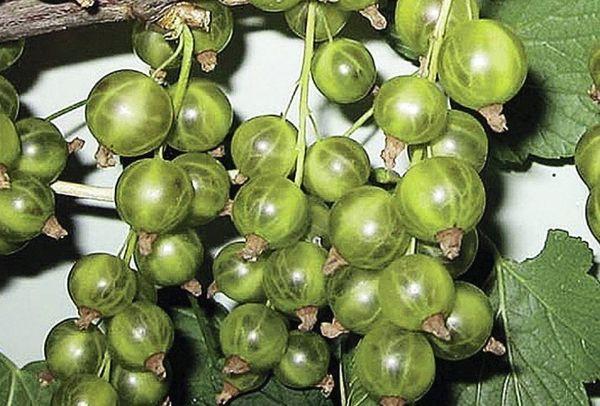
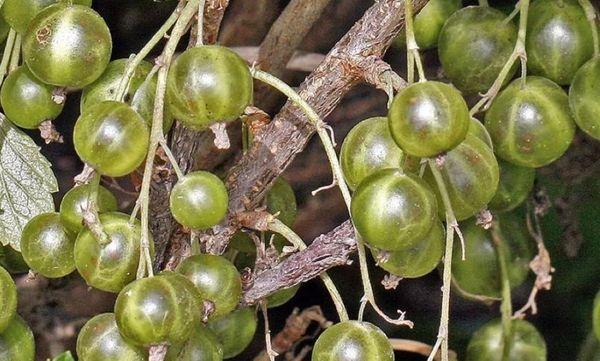
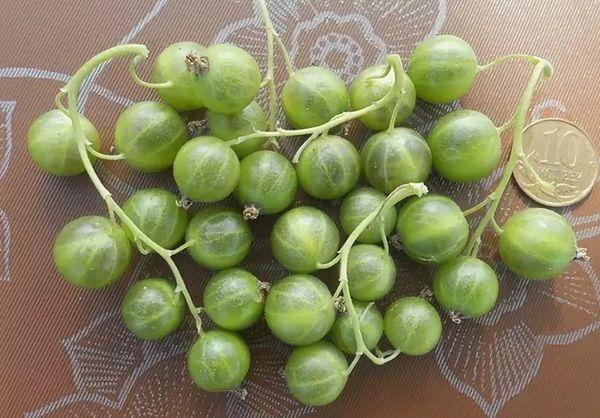
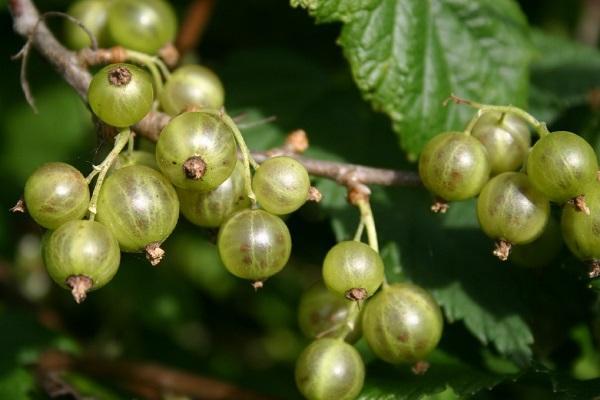
This unique green-fruited variety was developed at the I.V. Michurin All-Russian Research Institute of Horticulture. It was developed by crossing the Odzhebin and Cherny Zhemchug varieties. The resulting plant bears light-yellow fruits with a slight green tint.
Cultivation areas
The crop is highly frost-resistant. Therefore, this currant variety is suitable for cultivation in temperate climates.
Main advantages and disadvantages
The plant has many advantages:
- high frost resistance;
- self-pollination;
- resistance to powdery mildew and spider mites;
- absence of allergenic properties;
- high yield parameters;
- excellent decorative properties.
The variety has virtually no downsides. The only drawbacks are the small size of the fruits and the lack of a distinct currant aroma.
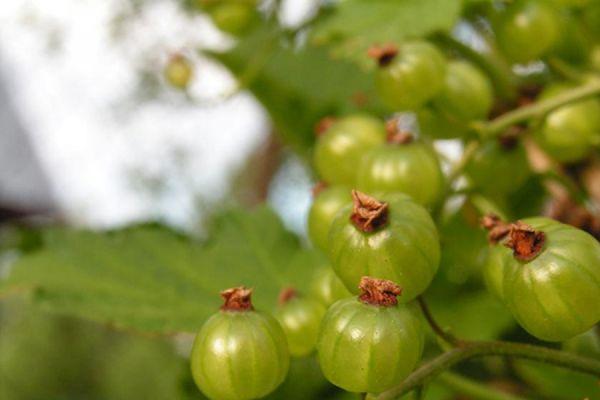
Characteristics and description of black currants with green berries
Before planting currants in the soil, it is worth familiarizing yourself with their basic characteristics.
Bush and root system
This variety is characterized by medium-sized bushes. They are distinguished by their compact size. Mature branches are straight and thick. They are gray in color with a golden sheen. Flowers and fruits do not fall off.
The crop is characterized by a superficial root system, which lies at a depth of 20-30 centimeters.
Leaf blades
The leaves have a shiny texture and a smooth surface. They are green in color and covered with teeth.
Flowering and pollination
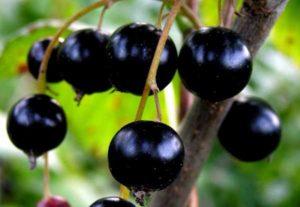
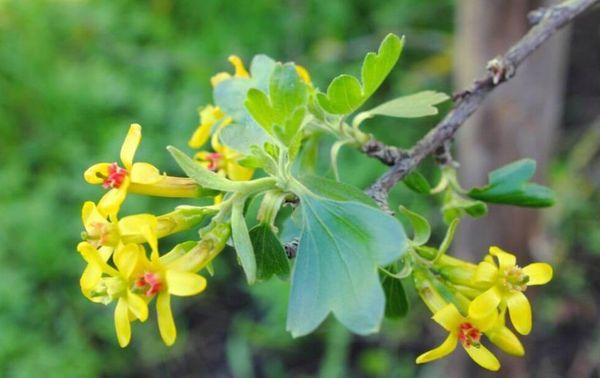
The plant blooms in May or June, with specific timing depending on the region's climate. The flowers have beautiful sepals and are distinguished by their goblet shape. They are characterized by a delicate purple hue and are small in size. The racemes are dense and can grow up to 10 centimeters. The plant is considered self-pollinating.
Fruit ripening time
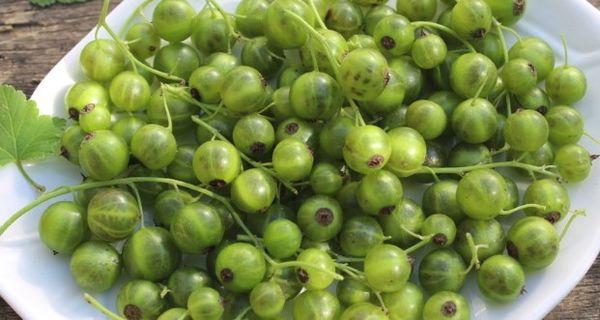
This variety has a mid-season ripening period. Harvesting can begin in the second half of August.
Taste and yield
The berries of this variety are characterized by a sweet and sour taste and a subtle currant aroma. Sugar content is directly affected by the amount of sunlight in the garden bed. The more sun the currants receive, the more sugar they contain. Yield is also affected by care. One bush can yield 2.2-3 kilograms of berries.
Scope of application of berries
The fruits of this variety contain high levels of sugar, pectin, and vitamins B, E, and P. They also contain carotenoids and phosphoric acid. Currants are renowned for their high vitamin C content. The fruits can be eaten fresh or used to make jam, compote, and jelly.
Resistance to subzero temperatures and drought
The plant is highly frost-resistant, making it ideal for growing in harsh climates. However, it does not tolerate drought well, so regular watering is recommended.
Immunity to diseases and pests
The variety is characterized by moderate resistance to diseases associated with fungal infections. It is particularly susceptible to anthracnose. However, the plant is virtually immune to spider mites.
How to plant a green-fruited variety in a plot
To grow a crop and reap a good harvest, it is worth paying attention to planting work.
Deadlines
The best time to plant currants is in the fall—September or October. Planting in the spring, before the leaves appear, is also acceptable.
Selecting and preparing a site
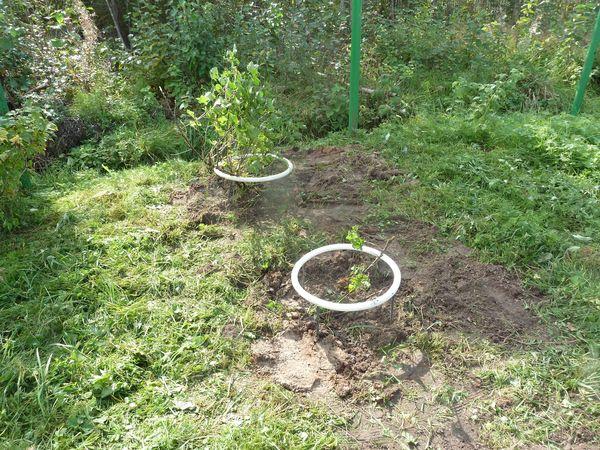
A well-lit area is ideal for this crop. It's best to plant currants along a fence. This provides reliable protection from the wind. A good drainage layer is also essential. It will help prevent the bush from becoming waterlogged.
The plant should be planted in light loamy or sandy loam soil. The soil pH should be 6-6.5.
Seedling preparation and work procedure
When planting, place the plant into the soil a maximum of 5-10 centimeters deep. It is recommended to trim the bush by half or two-thirds. Each plant requires 1-2 square meters of space. A distance of up to 1.5 meters should be maintained between bushes.

Further care of currants
To ensure that currants develop normally and produce a good harvest, they need to be provided with high-quality care.
Watering mode
This crop is considered very moisture-loving. It's especially important to avoid water stress during flowering, fruit setting, and ripening. The bushes also require ample watering after harvest.
It is worth considering that if there is no rain in the fall, currants also need periodic watering.
This is due to the formation of buds for the next season. It is recommended to pour 1-2 buckets of water under each plant.
Loosening and mulching the soil
After each watering, the soil must be loosened. This will provide the root system with oxygen and nutrients.
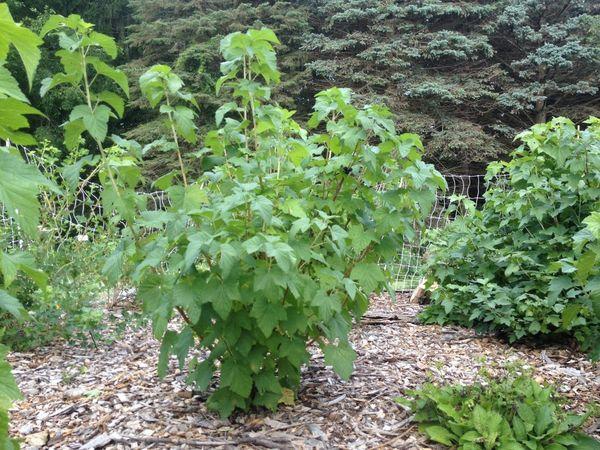
Mulching the soil is also important. Dry leaves or sawdust are used for this. This prevents the soil from drying out and inhibits weed growth.
Fertilization
Fertilizing is essential for normal development and high yields. Fertilizers are first applied in early spring, using 20 grams of saltpeter and 15 grams of urea. Organic fertilizers are added when fruit set begins. The following products can be used:
- cow dung solution;
- horse manure humus;
- bird droppings solution.
After harvesting, apply a fertilizer containing 30 grams of potassium sulfate, 70 grams of double superphosphate, and 100 grams of ash. This fertilizer will help the plant grow stronger, gain vigor, and set buds for next year. When cold weather arrives, mulch the soil with compost.
Pruning: formative, sanitary, rejuvenating
Carrying out pruning helps to achieve the following results:
- increase yield parameters and fruit size by rejuvenating the bush;
- prevent the development of diseases associated with thickening of the crop and aging of branches;
- avoid attacks by harmful insects.
The majority of the harvest comes from shoots 1-2 years old. Therefore, it's recommended to begin pruning three years after planting. Old branches should be trimmed off. To avoid damaging the bush, follow these guidelines:
- Pruning should be done during the plant's dormant period. This is done in early spring or late fall.
- If you need to rejuvenate a neglected bush, it is not recommended to cut off all the old branches.
- It is worth periodically getting rid of weakened and old shoots.
- It is recommended to cut branches as low as possible to avoid the formation of stumps.
- The bush should have a maximum of 15-20 shoots of different ages.
Take a look Also
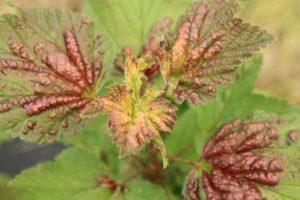
Pouring and hardening of bushes
Before bud break, you can water the bushes and the soil beneath them with water at about 60 degrees Celsius. This will help harden off the plants and control pests that have overwintered in the bark and soil.
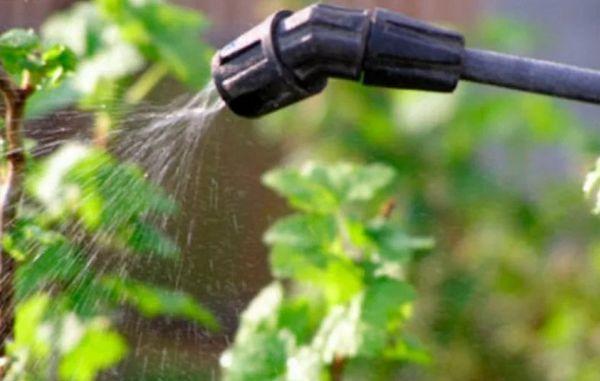
Preventive seasonal treatments
Currants are rarely affected by harmful insects and diseases. To prevent the development of diseases, Fitosporin is used as a preventative measure.
How to cover plantings for the winter
The crop is highly frost-resistant, as it was bred specifically for cultivation in cold regions. Therefore, it does not require winter protection.
Methods of reproduction
Blackcurrants should be propagated vegetatively. This can be done by cuttings or horizontal layering.
 Cuttings are taken in the fall. To do this, select strong, one-year-old shoots and cut them with a sharp knife. Each shoot should be 20 centimeters long. The bud should be positioned 1.5 centimeters above the cut. Planting is carried out in the fall or spring.
Tips and advice from experienced gardeners
To achieve success in growing currants, it is worth following these recommendations:
- carry out planting operations correctly;
- water the crop on time;
- apply fertilizers;
- carry out pruning;
- protect crops from diseases and pests.
Reviews of the variety
You can find many reviews about this variety:
- Natalia: "I planted the Emerald Necklace currant bush several years ago. The bush took root well and began growing rapidly. I'm expecting my first harvest this year."
- Marina: "I can't say this variety produces very large berries. However, they have excellent flavor and, importantly for me, are hypoallergenic."
The Emerald Necklace currant is deservedly popular among gardeners. This crop produces a good harvest and versatile fruits. Proper care is essential to ensure a robust plant.
Related posts:
 Methods for planting and propagating cherries at home
 The best grape varieties for growing in the Urals, planting and care rules in summer
 Conditions for growing mandarin at home and rules for caring for the tree
 Description and cultivation of the 15 best cherry plum varieties for the Moscow region, planting and care rules
 Growing and caring for hazelnuts in open ground, rules for planting hazelnuts
 Description and rules for growing Solaris grapes
 Rules for planting and caring for pears in open ground, how to grow them correctly
 Description of the 10 best columnar plum varieties, planting and care rules