
- Characteristics of the Gulliver variety
- History of selection
- Habitat
- Description of the bush
- Yield and taste of berries
- Immunity to diseases
- Resistance to climatic conditions
- Sequence of planting operations
- Choosing a location
- Preparing seedlings
- Timing and technology of planting
- Care Features
- Watering
- Nutrition
- Trimming
- Protection from diseases and pests
- Bush propagation
- Gardeners' reviews
The Gulliver currant variety is particularly popular among breeding and private farms. These robust bushes produce large, sweet berries (one bush yields 2.5-3.5 kg). This variety requires simple cultivation techniques, which can be mastered by both experienced and novice gardeners.
Characteristics of the Gulliver variety
Gulliver is a fairly common variety of black currant, which is successfully cultivated in the central part of Russia.
History of selection
This domestic blackcurrant variety was bred in the late 20th century in the Bryansk region by Russian scientists (L. I. Zueva and A. I. Astakhov). The breeding was based on the 32-77 Brodtorp and "Seyanets Golubki" varieties. The variety was added to the Unified Register of Breeding Achievements in 2000.
Habitat
The Gulliver variety's characteristics make it suitable for cultivation throughout Central Russia, from the Northwest to the Volga region and southern regions.
Description of the bush
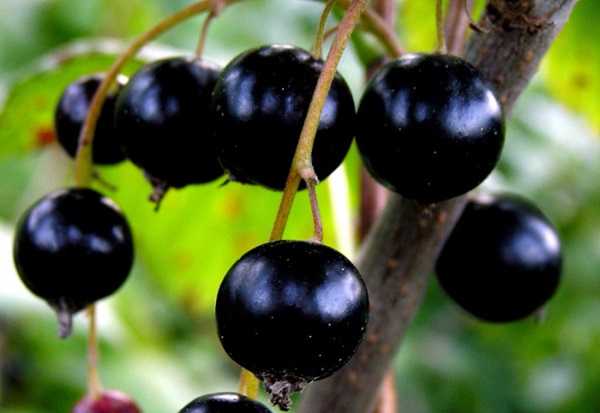
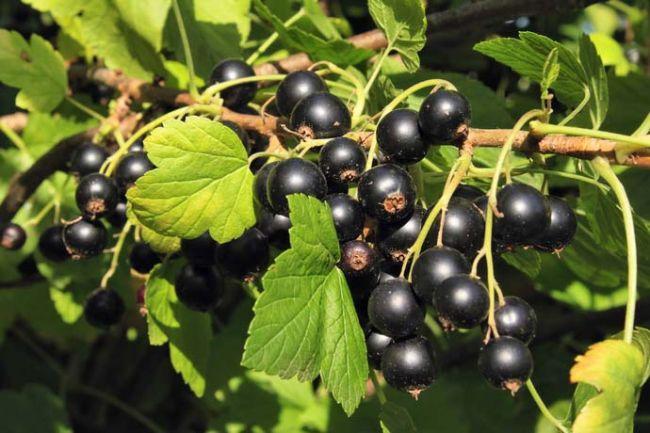
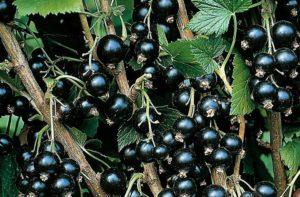
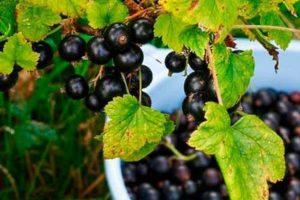
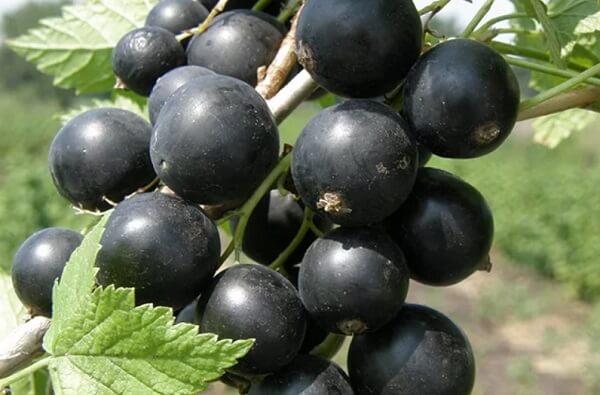
The Gulliver bush is vigorous and robust, with strong, often curved branches. The leaves are wrinkled, and each cluster produces 9-17 berries. These berries are rounded and large, averaging 2-3 grams in weight. This variety ripens early, taking about two months (55-67 days) from the appearance of the inflorescences to harvest.
Yield and taste of berries
A single Gulliver bush yields quite a large number of berries – from 2.5 to 3.5 kg. Their skins are durable, making them suitable even for long-distance transportation. They have a classic flavor, with sweet and sour nuances and a fragrant aroma (4.4 out of 5 stars). They are used for a variety of purposes:
- fresh consumption;
- canning;
- preparation of fruit drinks and vitamin drinks;
- freezing.
Not only the berries, but also the leaves are used for food purposes – they are dried and infused in boiling water to produce an aromatic tea.
Immunity to diseases
The variety is quite resistant to such common diseases as:
- powdery mildew;
- rust;
- anthracnose.
Gulliver is disease-resistant (with proper care). However, for preventative purposes, treatment with products such as Fitosporin or Fundazol is recommended.

Resistance to climatic conditions
Gulliver tolerates relatively low winter temperatures—the bushes remain viable in temperatures as low as -28°C. There is evidence that they can overwinter in harsher conditions, but only under a deep snow cover. Therefore, this variety has the potential to be grown in the Urals and southern Siberia.
Sequence of planting operations
First, a location is selected, after which the soil is prepared, and the seedlings are transplanted into it.
Choosing a location
Basic requirements for the location:
- Well-lit, without strong shade from garden trees, other shrubs, or buildings. Light shading is acceptable.
- South or southwest side of the garden.
- Wind protection (fence, strip of other bushes nearby).
- A dry location, preferably elevated. Planting in low-lying areas is undesirable, as not only water but also cool air accumulates there.
- Fertile, loamy soil is recommended. Highly acidic soil is unsuitable; in this case, pre-treat it with lime and then measure the pH (the optimal value is 5.1 to 5.5).
The bushes will grow in the same location for quite a long time – 12-15 years. A pollinator is not necessary, as this variety is self-pollinating.
Preparing seedlings
You can grow seedlings yourself or purchase them from a reputable supplier. If you choose the former, make sure the seedling is 15-20 cm long, has healthy roots, and is free of growths and visible damage. The seedling should have shoots—1-3 are sufficient. The procedure is as follows:
- The currant seedling is cut from the bush in the fall. The damaged area is sprinkled with charcoal powder.
- Plant in a pot filled with wet sand.
- Germinate for 3 months at a temperature of +3 °C.
- In winter, place it under snow or leave it at the same temperature.
- As soon as the snow melts, they are planted in the garden.
Timing and technology of planting
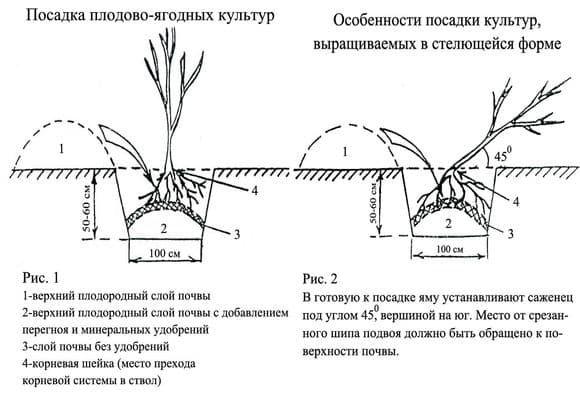
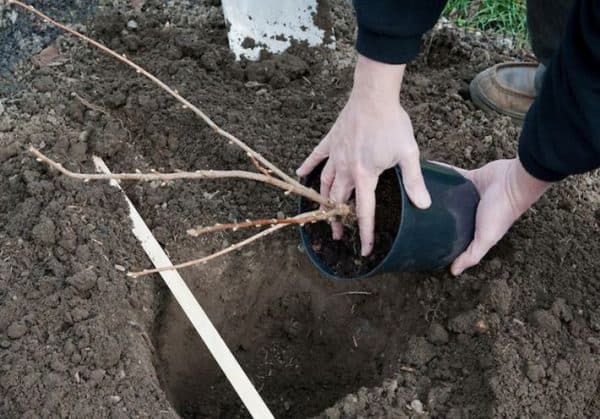
Currant seedlings are transplanted in mid-April, having chosen a location in advance. Preparation of the hole begins 15-20 days before the expected planting, since the seedling cannot be transferred into the ground immediately.
The sequence of actions is as follows:
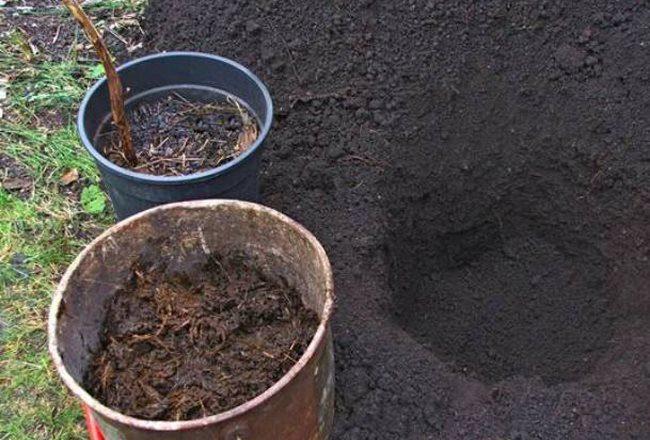
- The area is dug up and fertilizer is added to it: humus (7 kg) and wood ash (1.5 l) per 1 m2.
- Then holes are dug – 40 cm deep, 50 cm in diameter.
- These holes are left for 15-20 days, after which the seedling is planted. The neck is deepened by 3-4 cm.
- Immediately water with warm water (25-27 oC).
- The shoots are cut off and only 2-3 buds are left.
- Water twice a week, apply a layer of humus (mulch).
- If return frosts are expected, it is worth insulating the plantings with agrofibre.
Take a look Also
The distance between the holes is at least 150 cm, since Gulliver bushes grow very large and begin to interfere with each other.
Care Features
The care rules are standard: timely watering, fertilization, proper pruning, and regular pest control for preventative purposes.
Watering
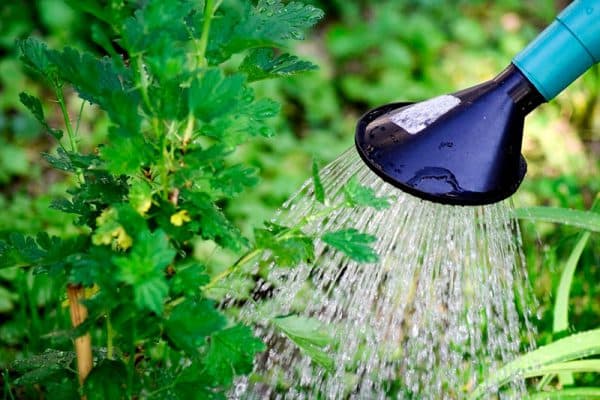
Currants are watered with settled, warmed water at a rate of 25 liters per square meter. First, make a trench in the soil around the trunk (15 cm radius, 10 cm depth). Water as needed, but during the flowering period and during berry ripening, the amount of water should be maximized (the soil surface should remain slightly moist).
Nutrition
During the first two years, Gulliver doesn't require additional fertilizing, as fertilizer was already added to the holes during digging. From the third season onward, the variety requires fertilization twice a year:
- in April these are nitrogen fertilizers (40 g per 1 young bush and 25 g per 1 adult bush);
- in summer it is superphosphate and potassium salt (respectively, 60 g and 20 g per 10 l – per 1 plant);
- In autumn, add humus and other organic fertilizers (7 kg per bush).
Trimming
Pruning should be done twice a year: in late March before bud break and in late September after leaf fall. Pruning involves removing dry, old, and weakened branches with pruning shears. Typically, 15-20 branches are removed from a single bush per season. Additional pruning can be done in the summer, too, by pinching the tips of shoots to promote stronger, more vigorous branches.
Protection from diseases and pests
Adherence to the watering, fertilizing, pruning, and other care guidelines virtually eliminates the risk of disease in the Gulliver variety.
According to reviews, this currant is particularly resistant to fungal infections.
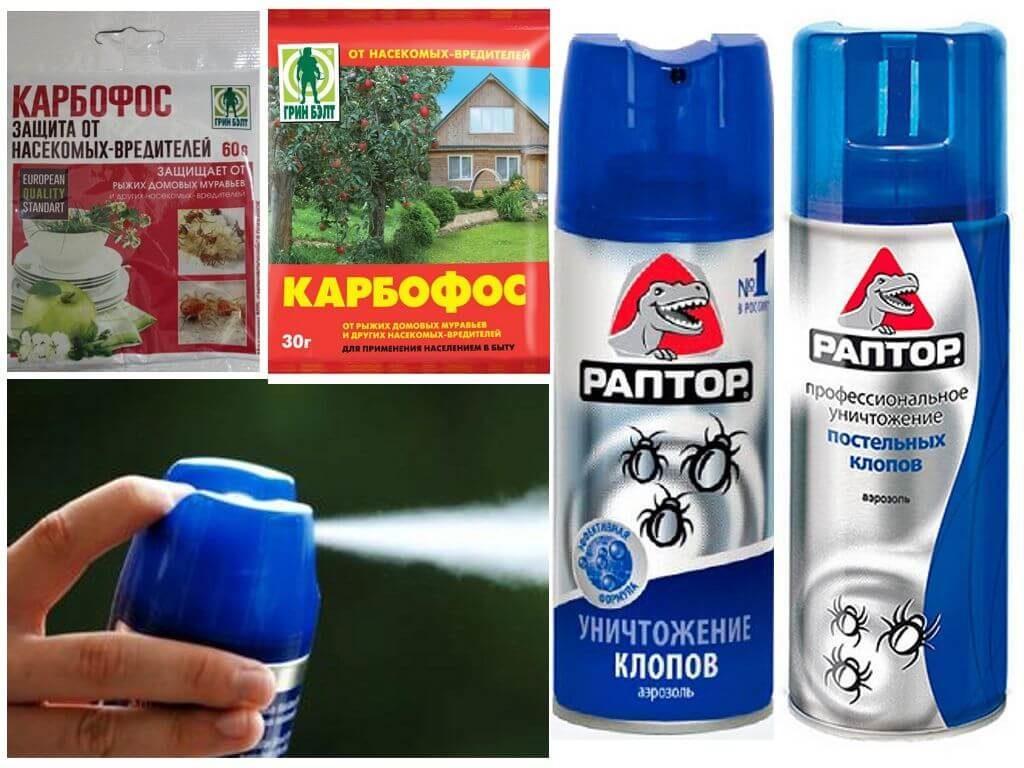
However, pest infestations (aphids, mites, butterflies, and others) cannot be ruled out. Therefore, the bushes should be treated with the universal insecticide "Karbofos" twice a season (spring and fall).
Take a look Also
Bush propagation
There are several methods of vegetative propagation of Gulliver currant:
- By cuttings – using the technology described above.
- Layering – branches (at least two years old) are bent to the ground in April and secured with staples. They are covered with soil, mulched with compost, and watered generously until autumn. In September, these layers are separated and planted in a pre-prepared location.
- By dividing the bush – only mature plants (6 years and older) are suitable. The bush is dug up in September, and weak shoots and roots are trimmed. The base is divided with an axe so that each "baby" has at least three roots and two developed shoots. Damaged areas are covered with charcoal, and the plants are moved to a pre-prepared site.
Gardeners' reviews
You can find quite a few reviews from gardeners about the Gulliver variety online, and in most cases they are positive.
Tamara, 53 years old, Voronezh:
"I purchased Gulliver seedlings from a specialized farm with the necessary documentation. I planted them on the back side of the greenhouse, where there's less wind and plenty of sun. They took root successfully, and within a couple of years the bushes had grown very strong and healthy. Each one yielded almost 3 kg, which is quite sufficient."
Lyubov, 46 years old, Samara:
"I've been growing Gulliver for six years now, and I've long since grown accustomed to this variety. The berries are large and fragrant. Compared to them, currants at the market sometimes even seem a bit small. They're easy to care for, so I can recommend them even to beginners."
The Gulliver variety is quite popular, but it requires regular watering, fertilizing, pruning, and other care. However, all the effort will definitely pay off with a bountiful harvest of delicious, large berries.
Related posts:
 Description and characteristics of the Gulliver potato variety, planting and care
 Description of Gulliver garlic and cultivation of the variety in open beds
 Gulliver tomato characteristics, cultivation, and pest control
 Description and characteristics of the 60 best sea buckthorn varieties, how to choose depending on the region
 Description of 30 varieties and types of Muscat grapes, planting, cultivation and care
 The best and new varieties of black currant for growing in the Urals, planting and care
 The best grape varieties for growing in the Urals, planting and care rules in summer
 80 Best Eggplant Varieties for Different Regions with Descriptions and Characteristics