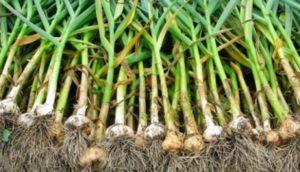
Gulliver garlic is a very large variety. The bulb weighs approximately 150-250 g. One clove of this garlic can replace a dozen regular cloves. This variety was developed by Russian scientists. It produces an excellent harvest in a variety of climates and is suitable for planting outdoors. It is grown throughout our country. It has proven itself in Moldova, Ukraine, Belarus, and Kazakhstan. It has excellent flavor characteristics, comparable to Dutch varieties.
What is Gulliver garlic?
Characteristics and description of the variety:
- The variety is undemanding to soil composition, care, and weather conditions.
- Winter-hardy. Even a novice gardener can grow it.
- You don't need any special experience for this.
- The yield is high. The fruits are very large. They sprout evenly.
- It can be grown as both a winter and a spring variety.
- The winter planting method produces fruits of greater mass than the spring method.
- Due to its advantages, the variety is grown by large producers for sale.
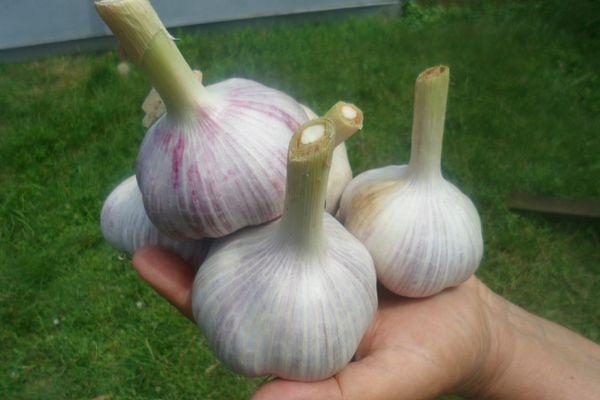
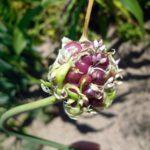
The bush is vigorous, with stems bearing aerial bulblets containing over a hundred bulblets. These bulblets are ideal as seedlings when the variety needs to be renewed.
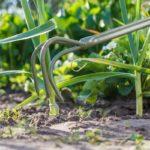
The dark green foliage with a white coating is edible. The leaf width is 3 to 6 cm. The height is approximately 50-70 cm. A single plant can produce 10-13 leaves.
The ripening period is mid-late. It takes about three months for the crop to produce a quality harvest. This period is measured from the time the first shoots emerge.
Garlic is immune to common diseases. It's almost never affected by black rot, powdery mildew, or fusarium. Insect pests dislike it, as its strong odor repels them. Furthermore, if garlic is grown in a bed next to tomatoes, the tomatoes will be protected from slugs and caterpillars.
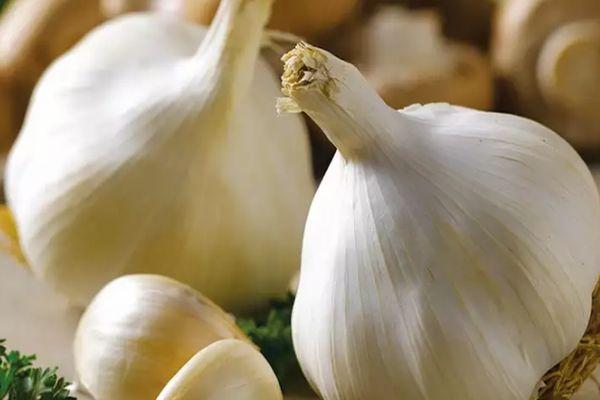
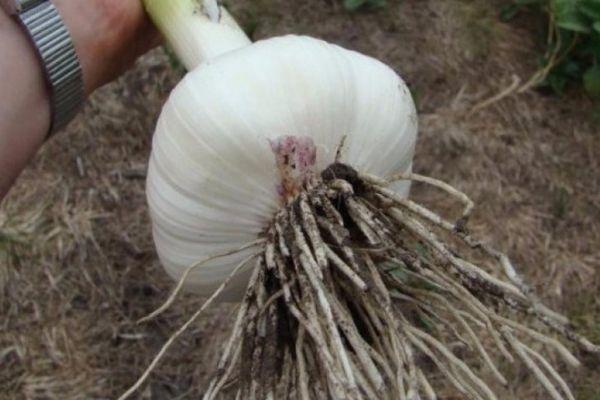
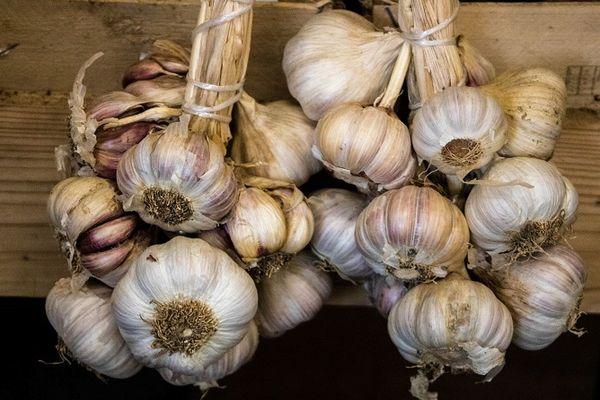
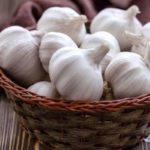
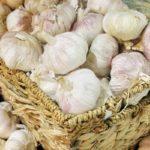
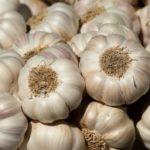
The Gulliver bulb is described as follows. The bulbs are very large. A single fruit can weigh from 150 to 250 g. The shape is round, slightly flattened. The outer skin is white and dry. Each bulb contains 3 to 6 cloves, covered with gray scales.
Take a look Also

Garlic flesh is juicy, dense, and creamy, white in color, with a rich, pungent flavor and very aromatic fruit. A single bulb contains a lot of vitamin C and amino acids. Dry matter content is approximately 40%. The fruit is used as a seasoning for a variety of dishes and as an ingredient in winter preserves.
Garlic is also eaten fresh. Its composition makes it very beneficial: it helps prevent colds, is a reliable flu preventative, strengthens the immune system, has a positive effect on the digestive system, and helps lower blood pressure.
Advantages of the Gulliver variety:
- Good yield.
- Large fruits.
- Long-term storage.
- Winter hardiness.
- Excellent taste.
- Universal application.
- The fruits contain many useful substances that have a beneficial effect on the body and help fight various ailments.
- Garlic tops can be eaten.
How to grow garlic?
This variety is grown in open beds and tolerates temperature fluctuations, cool summers, winds, and rain. It is best planted in loose soil. The soil should be neutral, not acidic.
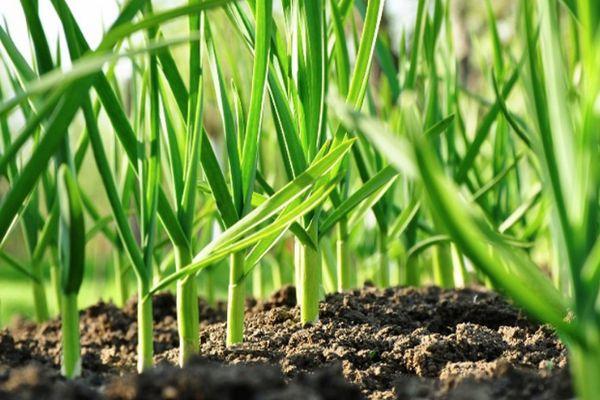
The bed is prepared in advance: approximately 2-3 weeks before planting. This is necessary to allow the soil to settle slightly and absorb beneficial fertilizers, which should be applied generously. The bed is dug over, weeds are removed, and the plant roots are fertilized. The best predecessors for garlic in the garden are beans, cabbage, cucumbers, tomatoes.
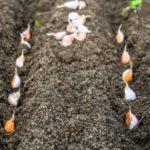
The beds should be well-drained. This is essential for a good harvest. Planting should take place on a warm day. It's important to calculate the time of the first prolonged frost and plant winter garlic a few weeks before the cold weather sets in. The seeds are planted in furrows with ash at a depth of 8-12 cm. The distance between cloves should be approximately 10-15 cm.
Afterwards, the bed is covered with any of the following materials:
- sawdust;
- dry leaves;
- hay;
- compost;
- branches.
In autumn, the cloves develop a root system, which rests during the colder months. However, with the first rays of sun, garlic begins to grow vigorously. Gardeners often see these sprouts among the first in their plots.
As soon as the plants emerge from the ground, the soil needs to be loosened. The Gulliver variety prefers loose soil that allows oxygen to reach the roots easily. Afterwards, mulch the bed with peat. Humus can also be used.
In May, the crop begins to be watered every few days. If the summer is dry, the process is repeated every three days. Five liters of water are applied per square meter of soil. Urea, nitroammophoska, and superphosphate are used as fertilizers.
This variety produces a good harvest: 0.9 to 1.3 kg of garlic per square meter. It has a long shelf life, remaining undamaged for 7-8 months, or until the following spring.
The harvest begins in August. Gardeners determine the ripening of the bulbs by several signs: the tops turn yellow, bend toward the ground, and the bulbs dry out slightly. Watering is stopped two weeks before harvest.
You can't delay harvesting the plant. If the heads begin to split into individual pieces, then they should be used for food; such fruits cannot be stored.
Harvesting takes place on a sunny, warm day. The bulbs are pulled out along with the leaves. The plant is then left directly in the garden bed until evening. During this time, it will dry out slightly. Afterwards, it is moved under a canopy or into the foyer of a garden shed to dry completely. This will take 1.5-2.5 weeks.
The harvest is stored at home in dry, well-ventilated areas, in jars of salt, boxes of hay, and in the refrigerator.
Related posts:
 The best varieties and types of early and winter garlic with descriptions and names
 When can spring garlic be harvested in 2025? Harvesting from the garden and storage
 When to dig up garlic in the Moscow region in 2025
 How to properly grow and care for spring garlic in open ground and when to tie it into knots
 Garlic cultivation technology in open ground, planting times, and care guidelines for a good harvest
 Planting and growing garlic from bulblets in open ground, care and harvesting
 When to harvest winter garlic in Siberia, planting and storage times, varieties
 Description and cultivation of Chinese garlic, cultivation and care
Take a look Also