
- When to plant garlic
- How to grow spring garlic
- Choosing a location for spring garlic
- Planting pattern for spring garlic
- How to grow winter garlic
- Preparing beds for winter garlic
- Caring for winter garlic
- Diseases of Culture
- Preparation of planting material
- Growing garlic seeds
- Growing garlic from bulbs
- Helpful tips
Garlic is an indispensable crop for many gardeners. Growing garlic is a simple process, and anyone can handle it. Attention to detail, passion, and hard work will ensure a bountiful harvest. All it takes is the right location and variety.
When to plant garlic
Anyone can grow garlic at home. Most gardeners plant the crop in the fall. This requires calculating the planting time correctly. Vegetable growers calculate the planting day based on the climate of their region. Therefore, the planting period ranges from mid-October to November.The sooner the garlic is planted in the soil, the larger the heads will be.. Spring garlic They are planted in early spring, with the bed prepared in the fall. Bolting garlic is planted in winter because it is a winter variety.
How to grow spring garlic
Spring garlic differs from winter garlic in that it grows smaller but has a longer shelf life. It is planted as soon as the snow melts in the spring, around mid-April. According to garlic growing techniques, the garden bed is prepared in advance. When digging the plot, organic matter, complex mineral fertilizers, and wood ash are added.
Implementation of agricultural techniques results in obtaining a high yield.
In general, growing winter and spring varieties of the crop is no different. Only the planting and harvesting times differ, and the care is the same.
Choosing a location for spring garlic
Growing garlic in the garden is a popular practice among many gardeners. Particular attention is paid to site selection. A sunny site, preferably with good drainage, is chosen.Garlic does not like stagnant moisture.The location should be protected from wind and drafts. This will help avoid the hassle of constructing a shelter later.
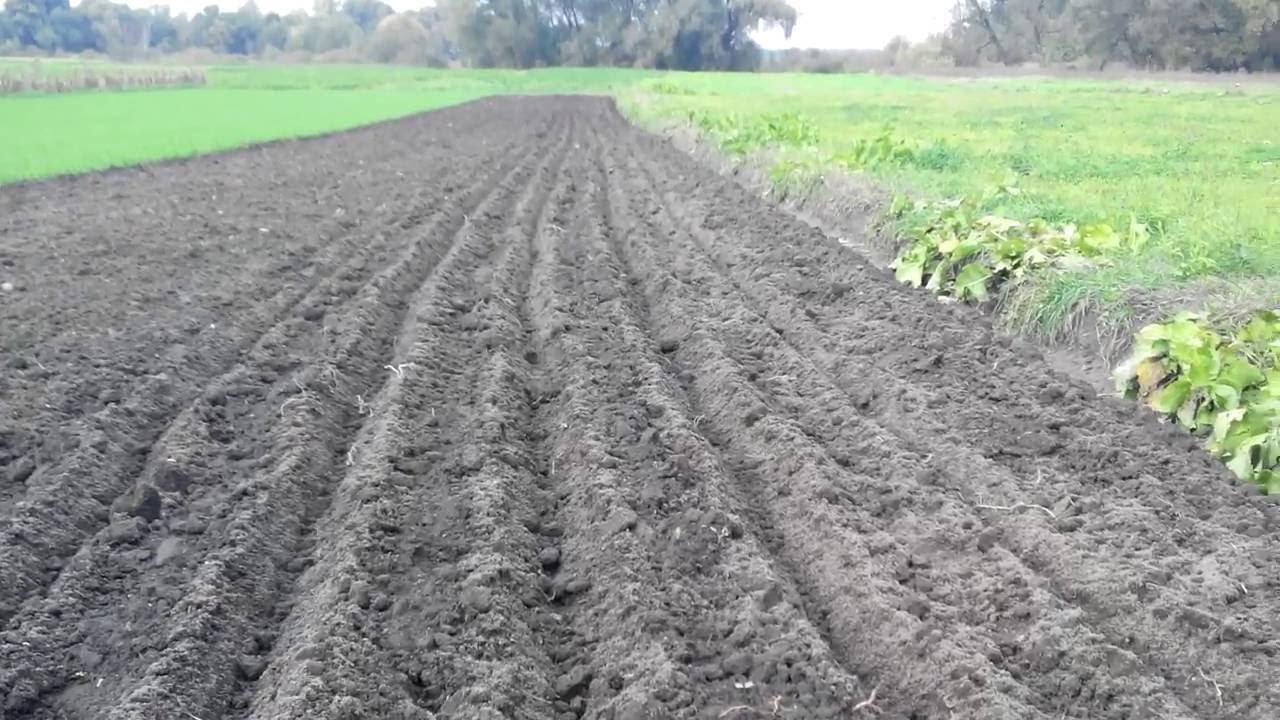
Gardeners practice decorative landscaping in their gardens using various varieties of garlic. This not only creates a beautiful garden but also provides a healthy product.
It is not advisable to plant the crop after:
- tomatoes;
- potatoes;
- Luke;
- carrots.
It is desirable that in the past year the following plants grew in this place:
- cabbage;
- cucumbers;
- squash;
- spices;
- cereals.
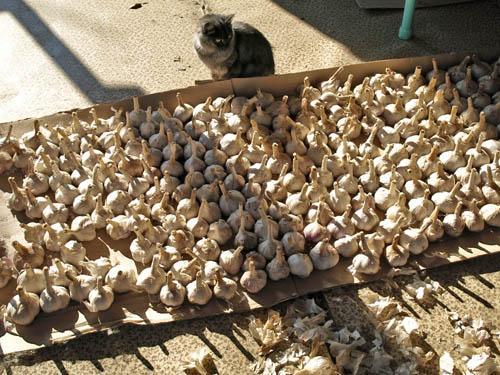
Crop rotation will help avoid problems. Plants are less susceptible to disease.
Planting pattern for spring garlic
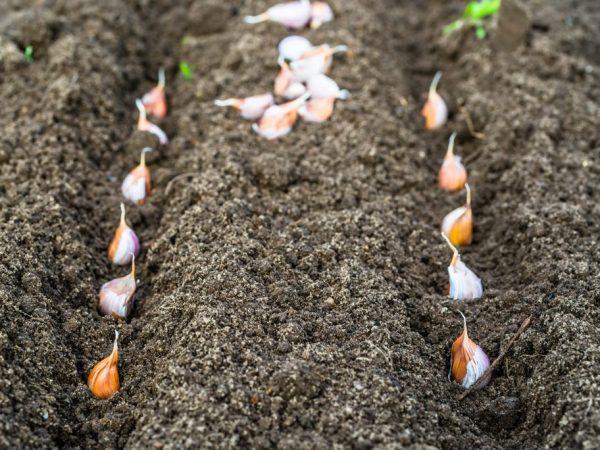
The crop's yield depends on the cloves' placement. A proper planting pattern will produce large, aromatic bulbs. Crowding them too close together will result in smaller bulbs. Large cloves are planted 12 cm apart, while smaller ones are spaced 8 cm apart. The distance between furrows should be 25-30 cm.
Plant the garlic at a depth of 3-4 cm. It is not recommended to press the garlic into the soil. This damages the planting material, which will impact the future harvest. Fill the furrows with soil and compact them lightly. Mulch with sawdust or other material if desired.
How to grow winter garlic
Garlic is planted in the fall. The site is selected using the same criteria as for spring crops. A site with ample sunlight, protection from wind, and a gentle slope are essential. Fertile soil is essential. If nutrients are deficient, add humus, ash, and mineral fertilizers before planting. Sandy loam soil is best.
![When is the best time to plant garlic according to the lunar calendar in [year], favorable days](https://harvesthub.decorexpro.com/wp-content/uploads/2019/03/5939d6e1dececd25e2589bece08e0d33-300x199.jpg)
To ensure garlic grows well, it's recommended to provide cover, especially in regions with harsh winters. Peat, leaves, or plant debris are used for this purpose. In the spring, this cover helps retain moisture longer and prevents weeds.
Preparing beds for winter garlic
Determining what kind of soil garlic prefers is easy. It requires fertile, sandy loam soil. Loams and other soil types can be diluted with river sand.
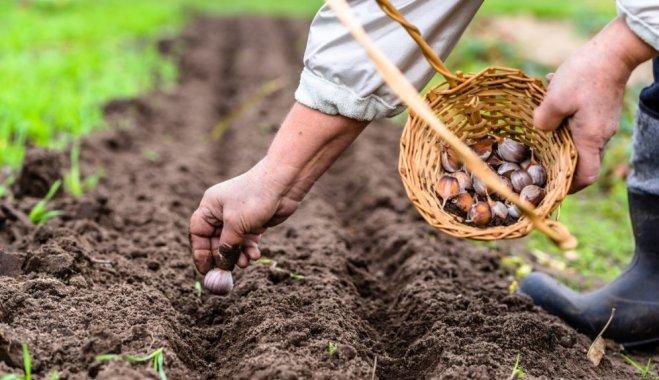
The plot is dug over and fertilized, beds are formed, and furrows are made. The completion of cultivation is marked by planting the cloves in the soil.
Caring for winter garlic
This crop requires careful watering and fertilizing. Timely application of fertilizers and a regular water supply are essential. Gardeners who grow this crop are especially careful. Failure to implement proper agricultural practices will result in reduced yields. It is essential to follow proper growing and care guidelines.
Garlic care begins in the spring. First, remove the coarse mulch that served as cover. Those who are unable to water their plants frequently recommend leaving a fine mulch on the bed. This will help retain precious moisture during the initial stages.
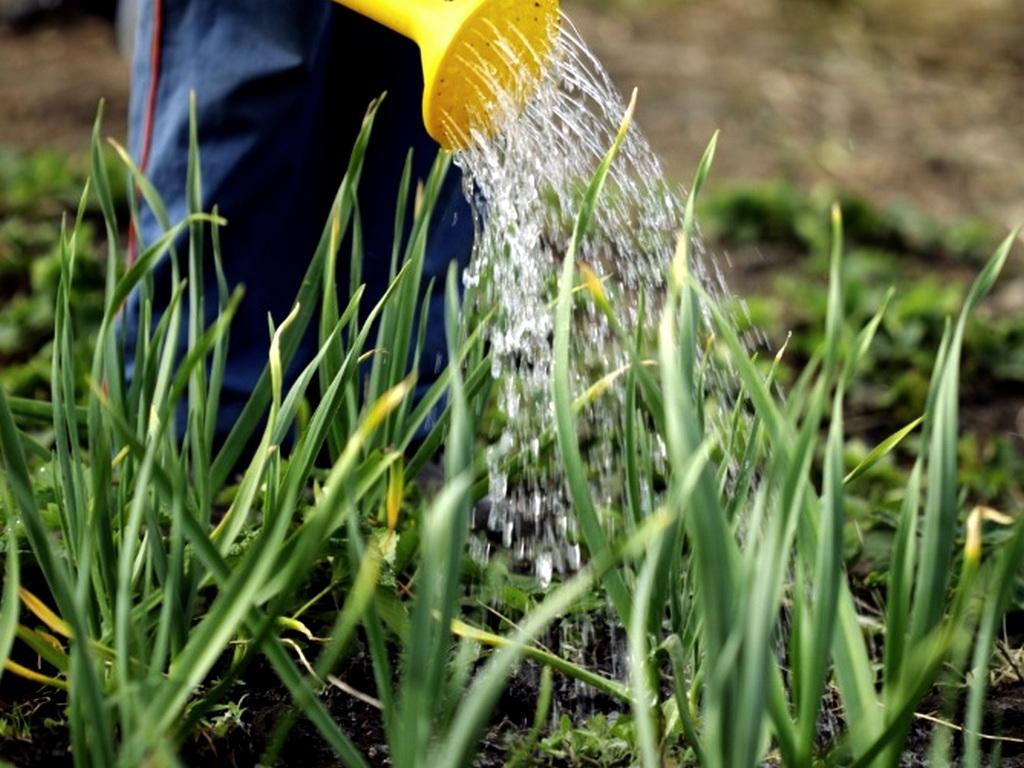
Plants need fertilizing immediately after germination, during bulb formation. Use organic and complex mineral fertilizers. Weeds must be kept at bay, as they draw all the nutrients from the soil, starving the plant.
During dry periods, water once every 4-5 days; if the spring is rainy, stop watering. Continue watering the beds in this manner in the summer, stopping watering 2-3 weeks before the expected harvest.When the stems reach 15 cm in length, they should be broken off; they weaken the plant. The heads will be small, and the cloves will be fine.
Proper care of plants will definitely return to the gardener in the form of a rich harvest.
Diseases of Culture
Disease susceptibility directly depends on the variety and its characteristics. It's best to completely eliminate shade, as many viruses and bacteria thrive in shade. Prevention is crucial. Proper planting and proper agricultural practices can help prevent disease development.
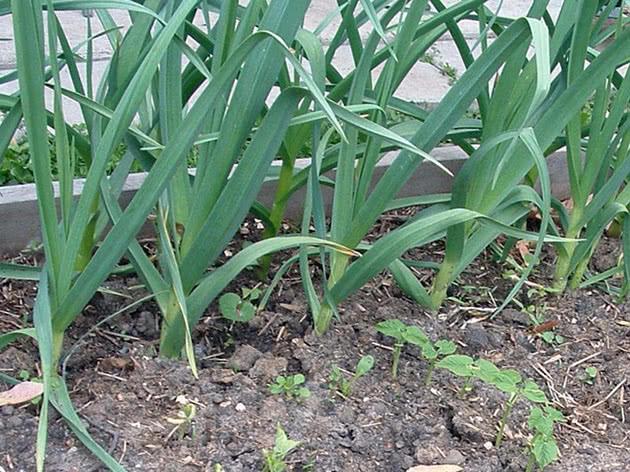
Garlic suffers from diseases no less than other crops. It's important to monitor the appearance of the plant's leaves and stems. If any signs of deformity appear, remove the plant and treat the remaining ones immediately. Proper planting of cloves can improve disease resistance. Crop rotation should not be ignored.
Plants that are grown in the same place for several years get sick much more often and more severely.
Yellowing leaves are a sure sign of downy mildew. This disease must be treated, otherwise it will spread to healthy plants. The disease can destroy a large portion of the crop in a short period of time. To prevent this, keep the cloves in the sun for several days before planting. This helps disinfect the planting material.
Special products purchased at the store are used for treatment. Some gardeners prefer to use folk remedies, which have the disadvantage of being short-lived but the advantage of being safe for the human body.
Preparation of planting material
The cloves should be inspected for damage and visible defects. The heads are separated immediately before planting. The planting material should be large. The larger the clove, the larger the harvest. Before planting, special measures are taken to strengthen the plant's immunity. After the seedlings emerge, repeat the feeding. This will ensure a stronger and more resilient crop.
Processing methods:
- Soak the garlic in a weak solution of potassium permanganate for an hour before planting. This will help disinfect the planting material.
- Make a 1% copper sulfate solution and soak the cloves in it for an extended period of time, approximately 9-11 hours. Gardeners recommend soaking them overnight and planting them in the garden beds in the morning.
- Dissolve 3 tablespoons of salt in 5 liters of water, soak for 3 minutes, then for 1 minute in a copper sulfate solution. Plant immediately.
- A wood ash solution, using 1 tablespoon per 1 liter of water. Mix the solution thoroughly; for best results, use a fine grain ash. Soak the planting material for 1 hour.
- Maxim is a natural product. It acts as an antibiotic, so treatment with it is safe for humans. Prepare the solution according to the instructions, and soak the cloves for 30 minutes. Then plant them in the garden beds.
- Prepare three solutions. Soak 1 tablespoon in nitroammophoska per 10 liters of water for 24 hours, then soak 1 tablespoon in salt per liter of water for 30 minutes, then soak in copper sulfate for 1 minute, in a ratio of 10 liters of water to 1 tablespoon.
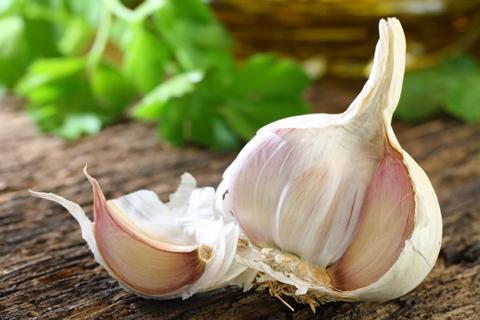
There are many methods of cultivation, and every gardener uses their own tried-and-true method. It doesn't matter whether it's a winter or spring variety; they all undergo cultivation. Vegetable growers agree on one thing: pre-planting preparation shouldn't be neglected. It's essential for the planting material, future plants, and the harvest.
Growing garlic seeds
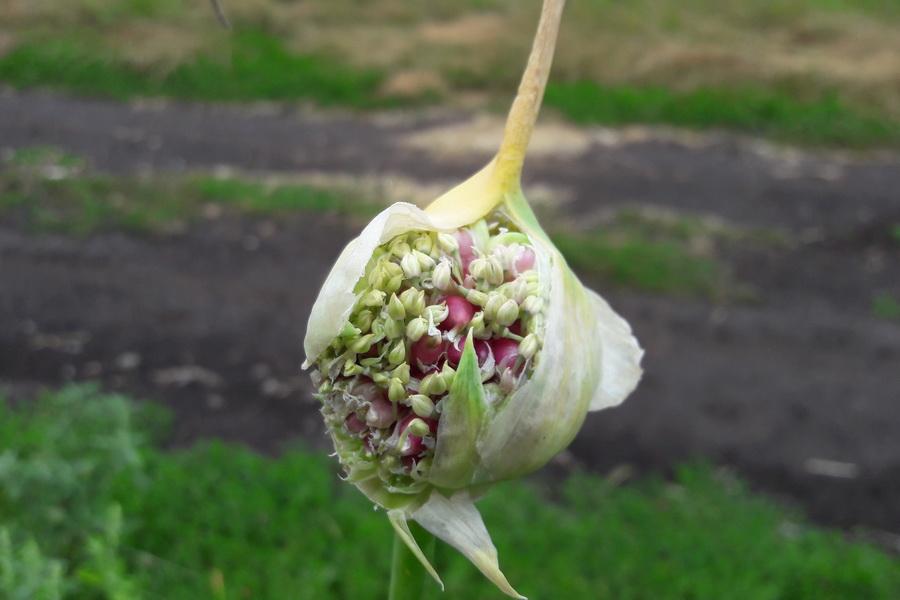
Any gardener can grow garlic at home. To do this, you'll need to prepare a garden bed and collect the planting material. Nothing special is required. Just leave a few stems; after they ripen, the future planting material will be harvested from these.Garlic grown from bulblets refreshes the variety; the heads will be larger and more resistant to diseases.
The protective membrane on the stalk should burst, revealing the seeds. They are carefully cut off and stored until needed. If the variety does not bolt, it is impossible to collect seeds from it.
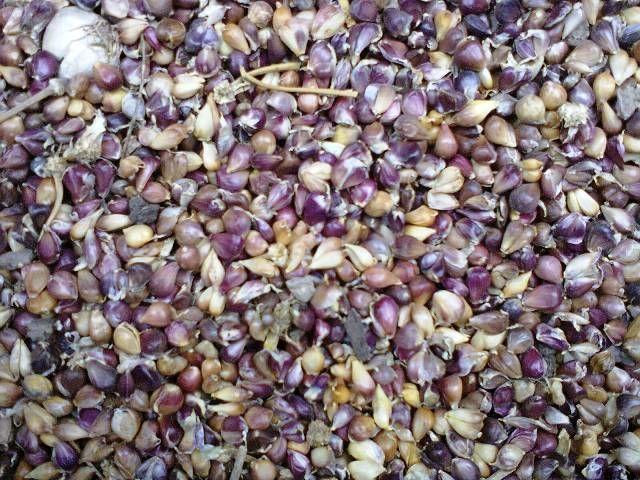
The planting material is kept warm, but 1.5 months before planting, it is moved to a cool place, thus hardening off the bulblets. Gardeners use a greenhouse to grow the seeds. But it is possible to grow them without special conditions. To grow the required number of cloves, Garlic is fed and watered as follows Usually. The plant itself will grow the planting material; the gardener just needs to collect it correctly.
Take a look Also
Growing garlic from bulbs
Planting garlic in a greenhouse isn't necessary; a bed in open ground will do. Add humus and mineral fertilizer before digging. Form the bed and make furrows for planting the bulblets.
They are planted in winter, in spring, or directly in the spot where they will grow for two years. The first two methods are familiar to all gardeners. The direct method, however, seems complicated. In reality, it's simple: the bulblets are planted directly in a permanent location, where they grow for a long time. Then, the gardener digs up the bulbs, ready for use.
The seeding depth is 5 cm, and spring varieties are planted in early spring. Winter crops are planted in the fall, with the bed mulched and protected from the cold. The distance between the seedbeds is 35-45 cm.
Helpful tips
A novice vegetable grower would benefit from advice from experienced gardeners, following which he will grow a harvest no worse than others:
- For varieties that bolt, the bolts are always broken off, but not all. The bolt is an excellent indicator of ripeness. Initially, it's curled, but in July, it straightens out. When it's straight, the garlic is ready.
- If you're growing the stalk for seed, you should leave it on the largest cloves. The bulblets will be larger.
- Garlic care in June involves timely fertilization and feeding, often combined. Afterward, the soil is loosened, lightly hilling the plants.
- Planting bulblets varies from time to time. Digging the bed in the spring can be problematic, so it's prepared in the fall. Cloves planted in the fall sometimes end up on the surface or freeze. They need to be pressed into the soil in the spring.
- Garlic doesn't require any care in August; just dig it up properly. The ripening process varies depending on the variety. Dig it with a pitchfork and leave it in the sun for 2-5 hours. Then, store it in a well-ventilated area, leaving the leaves and stems intact. Bundle or braid the garlic and hang it under a roof to dry completely and ripen. Then store it in a storage room for the winter.
- To repel insects, plant marigolds along the garden bed. They repel nematodes and onion flies.
Planting garlic in your garden is easy. Following the advice of experienced vegetable growers will help you reap a bountiful harvest. To renew the variety, plant garlic from bulbs, there is no need to buy planting material.
Related posts:
 The best varieties and types of early and winter garlic with descriptions and names
 Description and cultivation of single-clove garlic, planting and care rules
 How to properly grow and care for spring garlic in open ground and when to tie it into knots
 When can spring garlic be harvested in 2025? Harvesting from the garden and storage
 How to properly plant garlic outdoors and prepare the soil
 How and with what to fertilize garlic so that it grows large in open ground
 Features of planting and caring for family garlic, description of varieties, pest control
 Garlic harvesting dates in the Urals in 2025, cultivation and care
Growing garlic is actually quite easy. For example, I plant it in the fall and change the beds every year, and the harvest is good as a result. The only thing is that the planting material must be of good quality.