
- Basic rules to follow
- Features of moistening of spring and winter varieties
- What does frequency depend on?
- From the region of growth
- Climate conditions
- From the location of the site
- Methods for measuring soil moisture
- Garlic Bed Irrigation Schemes
- Manual
- Sprinkling
- Drip irrigation
- Watering with salt water: when is it necessary?
- The nuances of watering
- After landing
- During the ripening period
- Before harvesting
- When should you stop watering?
The quantity and quality of the future harvest depend on proper agricultural practices, planting timing, and watering frequency. How to water garlic beds outdoors? This question is asked by both experienced and novice gardeners. The amount and frequency of watering will vary depending on the garlic variety and the growing region. Garlic prefers sandy loam soils. Overwatering the soil can trigger an outbreak of fungal diseases.
Basic rules to follow
When planning an irrigation system for garlic plantings, pay attention to the following rules:
- Weather: there is no need to water the beds after rain.
- Irrigation is carried out in the morning or evening hours.
- The water should be warm (approximately +18 C).
- After watering, loosen the soil and remove weeds.
Garlic prefers sandy loam soils and does not grow well in low-lying areas or shaded areas. Garlic beds should be watered moderately, avoiding overwatering. Avoid standing water around the roots; expanded clay drainage can be used.
Features of moistening of spring and winter varieties
Winter garlic crops in temperate climates often require no additional watering. The care schedule and irrigation frequency depend on weather conditions. Autumn planting is typically done in soil that has been moistened after rainfall. In spring, the natural moisture from melted snow is sufficient for the first shoots to emerge.
It's important to water spring garlic after planting and maintain the required moisture until the first shoots emerge. Subsequent watering depends on the amount of rainfall.

What does frequency depend on?
The frequency of watering garlic plants depends on three parameters:
- Region of crop cultivation.
- Natural and climatic conditions.
- Location of the site.
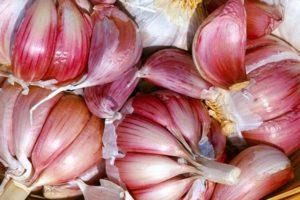
The following rule applies to all three points: it is better to under-water garlic beds than to over-water them.
But it should be remembered that in dry soil, small garlic cloves are formed, and the cloves ripen small.
From the region of growth
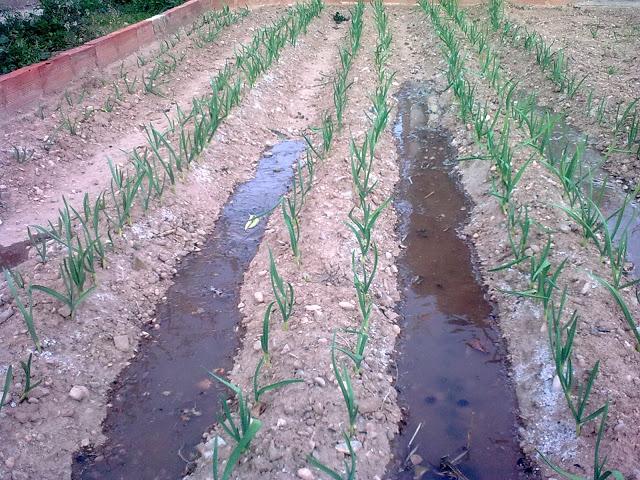
Our country has several natural and climatic zones. The frequency of watering vegetable crops varies across them. During a balanced summer, with rainfalls evenly distributed and sunny days interspersed, garlic beds may not require watering at all. In the south, during the dry season, irrigation is essential, especially after planting. Irrigation is accomplished using a watering can, drip irrigation, or sprinkler irrigation.
Climate conditions
In regions with a hot, arid climate, garlic is watered on average 1-2 times a week. In regions with a temperate climate, artificial irrigation is often not used; natural sources of water are sufficient.
Important! Do not water the beds in cold, cloudy weather, or after rain or heavy dew.
From the location of the site
In dry soil, the plant will form small heads. Increase the frequency of watering if the garlic rows are located on a hill or sunny slope. Avoid overwatering plants growing in shaded areas. Always pay attention to the natural moisture level.
Methods for measuring soil moisture
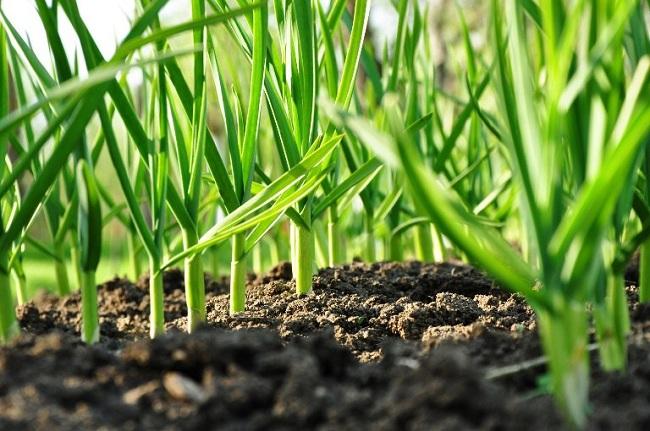
The optimal humidity level for comfortable garlic growth is considered to be 70%. This level should be maintained until the bulbs are fully ripe. If you can't determine the soil moisture level by eye, use a special device called a moisture meter.
If you don't have this device, use the "folk eye" method. Take a handful of soil from the garlic bed and observe.
The moisture level is optimal if, when you squeeze the soil with your hand, no moisture is released from it, but fingerprints remain on the lump.
Garlic Bed Irrigation Schemes
There are various ways to water your garden beds. The key is to avoid using too much water, which could erode the plant's root system. During periods of high solar activity, avoid water droplets falling on the plant's tops.

Manual
Small areas are best watered manually using a watering can. Swing the tool vigorously, avoiding puddles on the surface of the beds. This method is energy-intensive, so advanced gardeners water their beds using other methods.
Sprinkling
This method is mechanical. Hoses are run through the plantings, and sprinklers are attached to them. Sprinkler irrigation is not the best method for irrigating garlic. The water falls on a wide surface, causing evaporation.
Fungal spores and bacteria rise from the soil along with the steam. Garlic is more susceptible to disease when watered this way.
In addition, the risk of over-wetting the beds when sprinkling is quite high; you may forget or fail to turn off the tap in time.

Drip irrigation
This irrigation method is the most effective. Water is evenly distributed among the plants, preventing it from getting on the tops. The system is easy to adjust. This method has only one drawback: the relatively high cost of the equipment.
Watering with salt water: when is it necessary?
Nitrogen is an essential element for garlic's healthy growth. It's known from chemistry that nitrogen compounds are better absorbed in the presence of salt. Fertilizing garlic with nitrogen is done in conjunction with irrigating the beds with warm, salty water.
The second beneficial property of a salt-water solution for garlic is its ability to combat insect pests and provide a natural antiseptic treatment for the garden beds against bacteria and fungi. Salt is intolerant to nematodes and onion flies.
When using a saline solution, pay close attention to the dosage. If the solution is too concentrated, it can kill plants.

The nuances of watering
Garlic requires moisture until the bulbs are fully ripe. The frequency and amount of watering varies at different stages of garlic growth.
After landing
Watering is important immediately after planting. This is essential for root development and proper head formation. Garlic needs moisture to ensure the cloves sprout. After planting, watering is often combined with a fertilizer application; this is also the time to consider using saltwater irrigation.
Take a look Also
During the ripening period
In July and August, garlic beds should be watered less frequently. Excess moisture leaches minerals from the garlic bulbs. Artificial watering during the summer ripening period is only necessary during prolonged droughts.
Before harvesting
Irrigation of the beds is stopped. Garlic should be stored clean and dry. Harvesting garlic after a heavy rain is not recommended. When planning the harvest schedule, pay attention to the current weather forecast.
When should you stop watering?
Irrigation of garlic plantings should be stopped in the following cases:
- The rainy season is coming.
- Signs of fungal disease have been noticed in the beds.
- It's harvest time.
- Soil moisture is more than 70%.
Garlic needs the most water in June. During other periods, irrigation depends on the current weather and ambient temperature.
When planning an artificial irrigation system for garlic beds, it's important to consider the soil's natural moisture level and the presence or absence of rain. Drip irrigation is an effective method of artificial irrigation.
Before harvesting garlic, stop watering. After planting, watering the beds is important to ensure large heads form. To prevent infection, add a few drops of potassium permanganate or brilliant green to the water. With proper watering and cultivation practices, you'll enjoy a bountiful garlic harvest.
Related posts:
 How often should you water cabbage in open ground, how many times, and with what kind of water?
 Garlic diseases and pests and their control, treatment methods and prevention
 How to properly plant garlic outdoors and prepare the soil
 How often should you water pumpkins in open ground in August during hot weather?
 Description and cultivation of single-clove garlic, planting and care rules
 How to properly grow and care for spring garlic in open ground and when to tie it into knots
 How to water cucumbers in a greenhouse and open ground, timing and water consumption rates
 How to properly dry winter garlic after digging and where to store it at home