
- Botanical characteristics of garlic
- Appearance
- Scope of application
- Ripening time
- Methods of reproduction
- What are the advantages and disadvantages of growing
- Planting and caring for air heads
- When to sow
- To what depth
- Seeding patterns and technology
- A two-year cycle without cleaning and replanting
- Annual cycle with harvesting and replanting
- Care
- Watering and fertilizing
- Loosening and mulching the soil
- Diseases and pests: control and prevention
- Harvesting and post-harvest work
- When to harvest garlic heads
- Necessary tools and technology for digging up single-toothed cloves
- Problems in growing
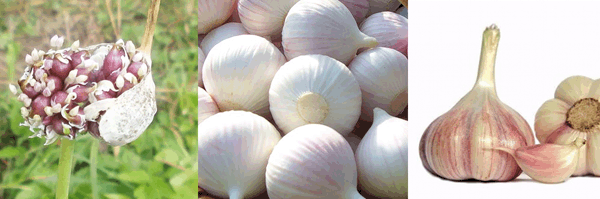
Most gardeners and vegetable growers consider single-clove garlic a distinct vegetable variety. However, this is a misconception. Single-clove garlic is the seed obtained from growing various garlic varieties that produce large flower stalks as they grow. The flower stalks produce seeds, which mature into aerial bulblets or bulblets. Each bulblet can produce 100 to 200 aerial bulblets, from which single-clove garlic is grown.
Botanical characteristics of garlic
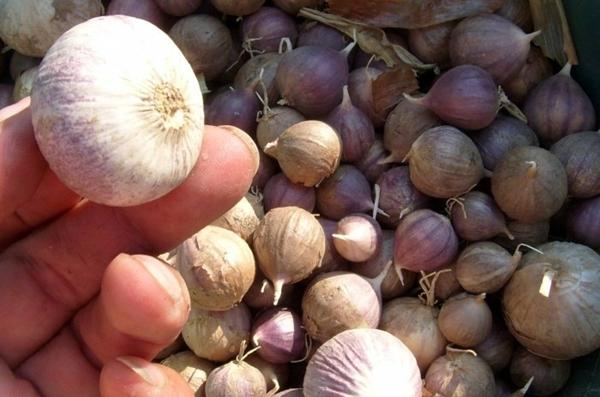
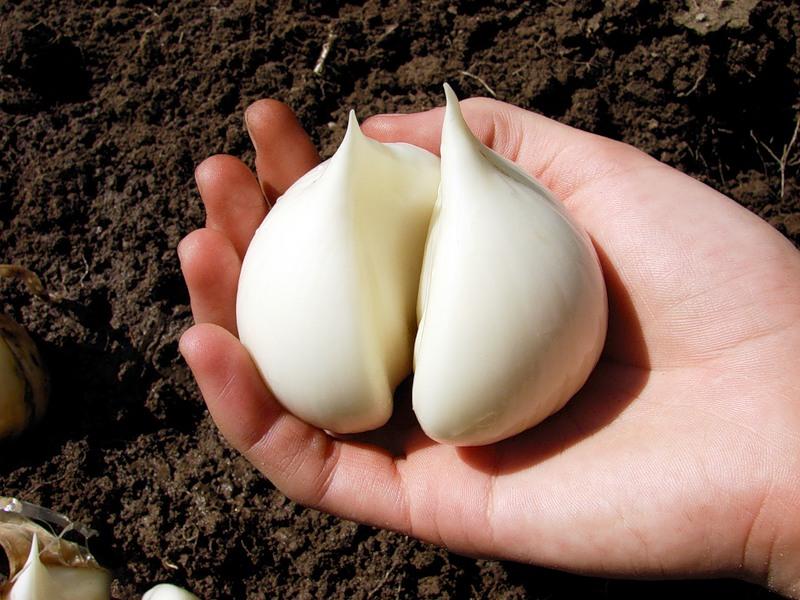
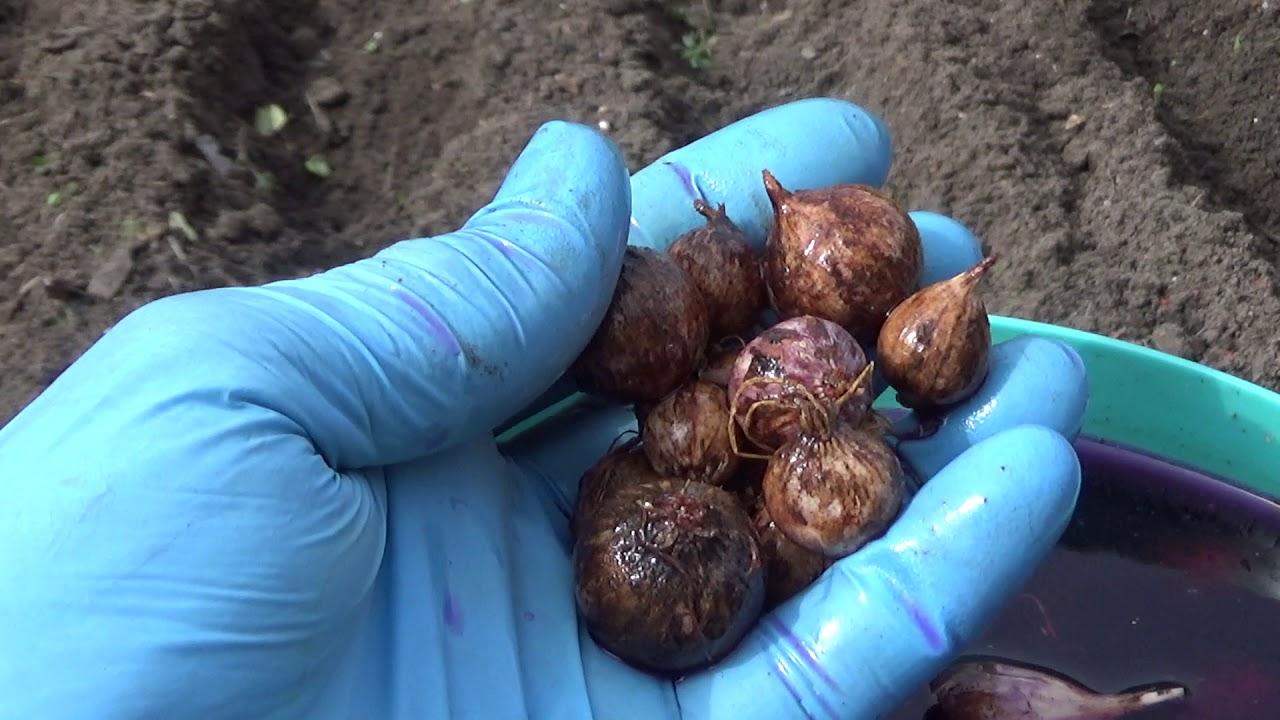
Single-clove garlic is grown from seed obtained during the flowering of the vegetable crop. The small aerial bulblets, when planted in the soil, grow into a large bulb within a single season, which does not separate into individual cloves. The presence of only one clove gives the plant its name.
To grow single-clove garlic, both winter and spring planting methods are used.
Appearance
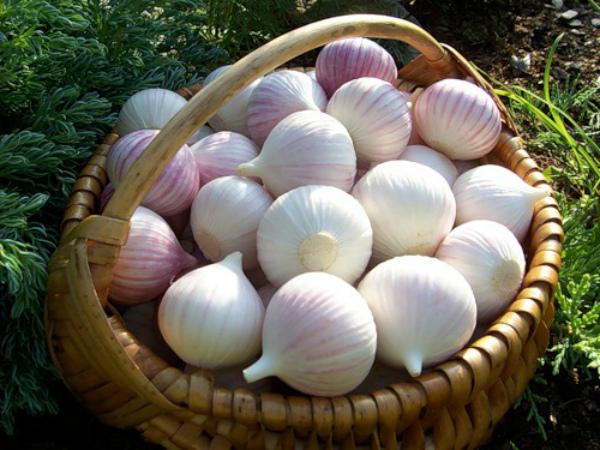
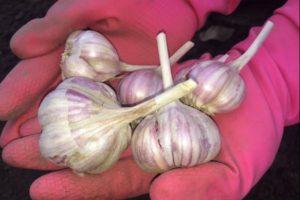
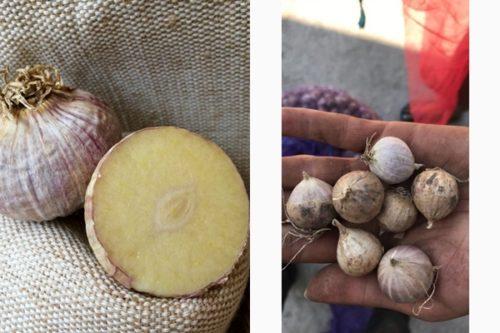
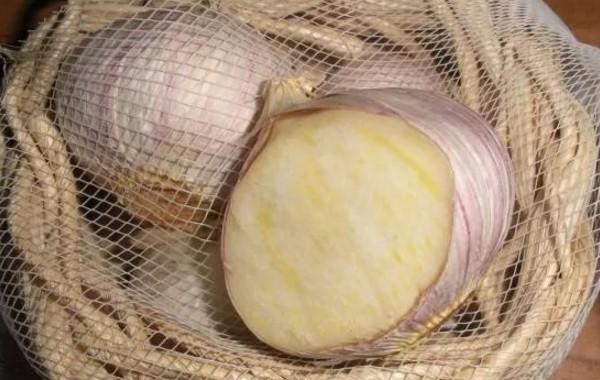
The single-clove bulb is a round bulb with one large, slightly flattened clove. Single-clove bulbs vary in size and are divided into classes. The bulb's color, depending on the variety, ranges from white to light purple. The bulb's skin is dense and multilayered.
Depending on the variety, the bulb weighs between 1.5 and 6 grams, with the optimal planting size being 10-20 mm. Larger bulbs are considered elite seedlings.
Important! By planting these bulbs, you'll get full-sized garlic heads with multiple cloves in just the first season.
Scope of application
The main purpose of cultivating single-clove garlic is to propagate and preserve the varietal qualities of the vegetable crop. Single-clove garlic is also used in cooking. It is added to salads, marinades, meat and fish dishes, and side dishes. The young, succulent leaves of the plant have a pleasant, slightly pungent flavor, so they are also used in salads and appetizers.
Ripening time
Small bulbs, 3 to 5 mm in diameter, grow from seeds planted outdoors in the fall. The vegetable crop fully matures in September. The first sign of harvesting is yellowing foliage. The tops dry out quickly, and the bulbs sink deeper into the soil. Therefore, it's best not to miss the ripening period for the onion sets.
Methods of reproduction
Winter garlic varieties planted outdoors produce a large flower stalk in late spring. The stalk contains small aerial bulblets, which are collected and arranged according to size.
Aerial bulblets or bulbils are divided into classes:
- Class I – planting material 12 mm or larger. When planted, full-sized garlic heads with numerous cloves grow.
- Class II – seeds up to 12 mm. This produces single-clove garlic, which, when planted outdoors, will yield a full harvest of varietal garlic.
Smaller seeds are left to preserve the varietal characteristics of the vegetable crop and for further propagation.
What are the advantages and disadvantages of growing
Many gardeners wonder why they should complicate their lives by growing garlic from air-seeded seeds when it's easier to plant regular cloves of any vegetable variety. But single-clove garlic produces a high-quality and abundant harvest. Garlic propagated from air-seeded bulbs is naturally immune to diseases and pests and is unpretentious in climate conditions and soil composition.
The main advantages of single-tooth:
- The seeds quickly take root in the soil and allow you to grow a good garlic harvest already in the first planting season.
- Garlic bulbs are not divided before planting in open ground.
- A vegetable crop grown from aerial bulbs rejuvenates favorite varieties of garlic.
- The seed material is resistant to frost, diseases and pests.
The disadvantage of single-clove garlic is the high price of planting material and the time it takes to obtain a full-fledged bulb with a large number of cloves.
Planting and caring for air heads
To grow high-quality seed material, the following requirements must be met:
- Select a variety of vegetable crop that will reproduce in the future.
- During the period of active growth and development, select a large, healthy plant that has formed a flower stalk.
 Important! Before planting in open ground, seeds should be kept in a cool place and treated with a weak solution of potassium permanganate.
When to sow
Planting depends on the climate of the region where the vegetable is grown. In southern latitudes and regions with mild winters, the bulblets are planted outdoors in late autumn, 15-25 days before the first frost. In regions with harsh winters, the sets are planted in early spring, as soon as the snow melts. Garlic is resilient to spring temperature fluctuations, so the plant will easily survive light frosts.
To what depth
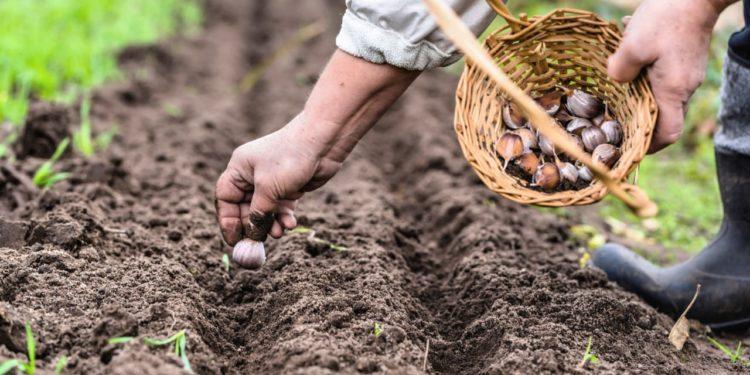
When planting outdoors in the fall, place the seeds in the soil and plant them deep, depending on the bulb size. Small and medium seeds are planted 2-3 cm from the soil surface, while larger seeds are planted 3-5 cm. During spring planting, plant the seeds no deeper than 3 cm. Follow the sowing guidelines: row spacing and spacing between seedlings.
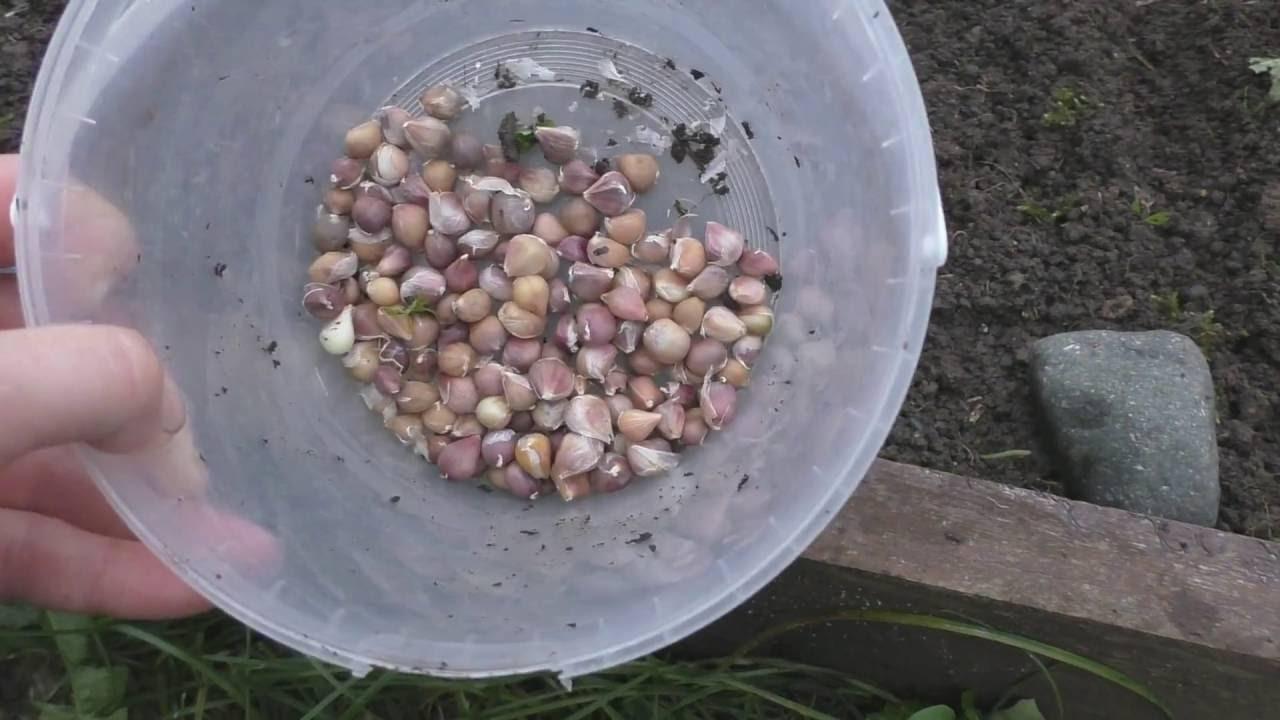
The seeds are planted in pre-prepared beds. Five to eight rows are formed in each bed, with the bulblets spaced 20-25 cm apart. Up to 40 g of small bulblets and up to 80 g of large bulblets are sown per square meter of bed. The distance between beds is 50 to 70 cm.
Take a look Also

Important! The smaller the seed, the more densely it should be sown in open ground. Larger seeds should be planted more sparsly.
Seeding patterns and technology
There are several options for growing the vegetable crop from bulblets and producing varietal garlic bulbs. A two-year cycle with harvesting and replanting is used for one-year-olds.
To ensure that the vegetable crop produces a high-quality harvest in just two years, the following steps will be required:
- In late autumn, aerial bulbs are planted in open ground.
- The crop is winter-hardy, with the first shoots appearing in early spring.
- When planted in autumn, the single-toothed clove ripens by mid-summer.
- The bulbs are collected and stored until late autumn.
- The harvested garlic crop is planted in open ground in the fall.
- A year later, the harvest of the varietal vegetable crop is collected.
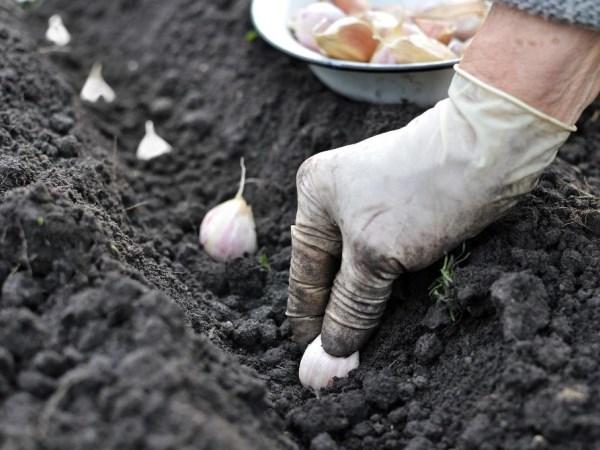
When using this method of garlic propagation, you will have to dig up the single clove and save it until the next sowing season.
A two-year cycle without cleaning and replanting
When using the two-year cycle method of planting vegetables without replanting or harvesting, consider the distance between planted bulbs; they will be large in the second year.
- Planting work is carried out in October, 30-40 days before possible frosts.
- During the growing season, plants are given proper care, but are not dug up in mid-summer.
- The garlic is left to overwinter in the garden bed, and the vegetable crop is harvested a year later.
Using this method of planting garlic, harvesting work is not necessary in the first year of growth of the vegetable crop.
Annual cycle with harvesting and replanting
The method of annual vegetable planting is used in regions with unstable climates and cold winters.
- Planting of seeds in open ground occurs in mid-spring.
- Harvesting begins as soon as the plant stem turns yellow and begins to dry out.
- Prepared bulbs of the vegetable crop are sown in the same autumn or the following spring.
Important! The bulblets are stored all winter before the first planting, so they are not removed from the cut stems with inflorescences.
Care
Planted aerial bulbs grow and develop quickly, so the plant requires additional care.
Watering and fertilizing
Basic fertilizers and supplementary feeding are applied to the soil before planting. However, sometimes vegetable crops require increased care. Fertilize single-clove radishes several times during the growing season. Winter vegetables are first fertilized in early April with organic fertilizers or urea. The next stages of fertilization are carried out in early May and again in June.
When using nitrogen fertilizers, keep in mind that too much nitrogen promotes the development of the above-ground portion of the plant and inhibits rhizome formation. Water as needed with warm, settled water. During dry periods, water once every 7-8 days.

Loosening and mulching the soil
Soil loosening is carried out in conjunction with watering and helps eliminate weeds from the garden bed. It also ensures oxygen and moisture reach the plant's rhizomes, where the formation and development of the vegetable crop occurs.
Mulching beds protects plants from drought, pests, and the spread of fungal and viral diseases.
Diseases and pests: control and prevention
If proper crop rotation, soil preparation, and seed preparation are followed when planting seeds, the risk of diseases and pests is minimal. Good predecessors for garlic include cucumbers, greens, carrots, or beets. It's not recommended to plant garlic after garlic and onions.
In case of plant infection, special preparations for therapeutic and prophylactic purposes are used.
Harvesting and post-harvest work
When harvesting single-clove garlic, the timing of the work is an important factor.
When to harvest garlic heads
Dig up ripe bulbs in midsummer, as soon as the green leaves begin to yellow and dry out. The longer the plant rhizomes remain in the soil, the deeper the ripe bulbs will be. Harvest the ripened crop on a cloudy day or in the evening. Direct sunlight can ruin the entire vegetable crop in just a few minutes.
Necessary tools and technology for digging up single-toothed cloves
Garlic onions are harvested commercially using specialized equipment and tools. Gardeners and vegetable growers harvest garlic using a shovel. The bulbs are dug up, cleaned of soil, and dried. Once dry, the tops and roots are trimmed off. The garlic is ready for storage in a ventilated, dry area.
Problems in growing
Even a novice gardener can grow single-clove garlic. However, failure to follow simple gardening guidelines will harm the plants. If planted late in the spring, the garlic won't have time to develop into numerous cloves, resulting in a bulb with a single large clove. Harvesting single-clove garlic too early won't last long enough for planting. The bulbs will lose their firmness and dry out.
Seed material degenerates, so at least ¼ of it is replaced annually. At first glance, propagating varietal garlic seems labor-intensive and difficult. But this is only the impression, as the entire process of growing garlic requires little time and effort.
Related posts:
 Description and characteristics of the Komsomolets garlic variety, planting and care
 Planting and growing garlic from bulblets in open ground, care and harvesting
 Garlic diseases and pests and their control, treatment methods and prevention
 Description and yield of the Lyubasha garlic variety, planting and care
 Winter garlic cultivation technology, large varieties and cultivation rules
 Why do you need to rake the soil away from garlic heads before harvesting?
 How to properly grow and care for spring garlic in open ground and when to tie it into knots
 How and with what to fertilize garlic so that it grows large in open ground