
- The best varieties of garlic for winter planting
- Shooting
- Non-shooting
- How to select and prepare seedlings
- What is required for the growth and good harvest of the crop?
- Required soil composition
- The optimal place
- Favorable and unfavorable precursors
- What is recommended for planting garlic together?
- Open ground planting technology
- Optimal timing
- Planting patterns and rules
- Agricultural technology and plant care
- Watering and fertilizing regime
- In the fall
- In the spring
- In summer
- Weeding and mulching
- Diseases and pests: control and prevention
- When and how to harvest winter garlic
- Preparation and storage
- Tips and recommendations from experienced gardeners
- How to grow large heads of garlic
- What to do if the plant turns yellow
When planting any crop, its specific characteristics must be taken into account to ensure a healthy harvest. Adhering to the proper technology for growing winter garlic requires proper planting and careful management during the growing season.
The best varieties of garlic for winter planting
When choosing winter garlic varieties for fall planting, it's recommended to review the rankings of the most popular options. Popular varieties made it to the top due to their high yields and ease of care.
Shooting
Garlic that bolts has a more pungent flavor and can be stored for a longer period. Among the bolting varieties, the following stand out:
- Gribovsky Yubileiny. This variety produces medium-sized grapes with reddish skins. Its main advantages are disease resistance and low storage requirements.
- Gribovsky 60. A high-yielding, early-ripening variety with drought and frost resistance. The heads are medium-sized and firm.
- Scythian. This variety is resistant to cold and infection. Its cream-colored teeth are covered with gray scales with prominent purple veins.
- Kiseleva's Large-Clove Clove. An early-ripening variety that produces large heads weighing approximately 80 g. The cloves have a piquant, sharp flavor.
- Herman. The heads are rounded with lilac-colored scales. The harvest is resistant to infections and can be stored for more than six months.
Non-shooting
A distinctive feature of non-bolting varieties is that they do not produce seeds. Propagation is possible only by planting cloves:
- Moskovsky. A mid-season variety with a mild flavor and a long shelf life. The cloves are white and covered with light gray scales.
- Odesskiy 13. A winter variety with white skins that develop purple veins. Its main advantage is long shelf life without loss of flavor.
- Gafuriysky. The heads are medium-sized, weighing up to 40 g, and flattened and round. The variety is resistant to rot but can be affected by powdery mildew under unfavorable environmental conditions.
- Dobrynya. A productive and frost-resistant variety with good shelf life. A single head of garlic weighs up to 55 g. The harvest is suitable for fresh consumption and canning.
- Hermidor. This garlic variety consists of 12-16 large cloves covered in a delicate purple peel. Its advantages include high yield and a piquant flavor.
How to select and prepare seedlings
The cloves for planting should be large, as this determines the final yield. The surface of the planting material should be free of rot, damage, or other defects. The head should be divided into cloves immediately before preparation for sowing. The preparation process is as follows:
- All cloves are carefully separated from each other to avoid damaging the integrity of the shell. The base is lightly cleaned of any corky debris to ensure good rooting.
- The planting material is inspected and several suitable specimens are selected for sowing.
- The selected cloves are soaked for half an hour in a solution of potassium permanganate for the purpose of disinfection.
- The disinfected cloves are soaked in a salt solution, dissolving 2 tablespoons of salt in 1 liter of water.
What is required for the growth and good harvest of the crop?
To obtain a good harvest, the crop must be grown in favorable conditions. When planning planting, select a site, check the soil composition, and consider crop rotation rules.
Required soil composition
Garlic prefers light, fertile soil, such as sandy loam. If the site has clay or loamy soil, amend the soil with expanded clay before planting to improve drainage. Humus and peat should also be added to the soil. The soil pH should be between 6 and 7.
The optimal place
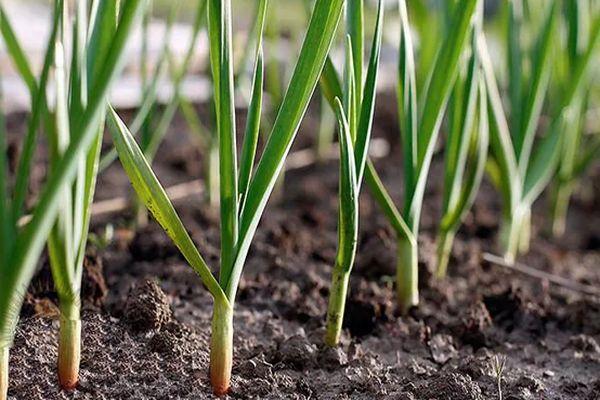
A site located at an elevated level and receiving consistent sunlight throughout the day is ideal for planting garlic. It's important that the beds avoid waterlogging and that the snow cover melts quickly with the arrival of spring. If suitable sites are unavailable, you can build raised beds to allow excess moisture to drain into the spaces between the rows, preventing root rot.
Favorable and unfavorable precursors
When planting, it's important to consider crop rotation rules. Growing garlic in the same spot for several years in a row is unacceptable, as the soil can harbor pests and disease vectors common to the crop. The optimal frequency of planting in one place is once every 5 years.
Legumes, various greens, cabbage, and cucumbers are suitable precursors for winter garlic. Onions and potatoes are undesirable precursors.
What is recommended for planting garlic together?
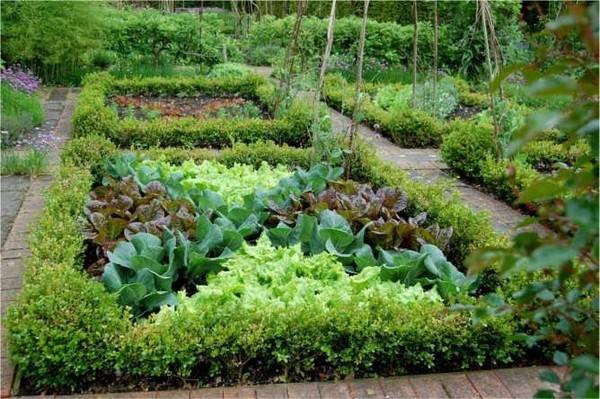
Properly selected neighboring crops have a beneficial effect on garlic's development. Suitable neighbors include:
- Carrots. The crops provide mutual protection against a number of diseases and pests.
- Herb Crops. It's recommended to sow leafy greens, including basil, dill, parsley, and arugula, in the bed next to garlic.
- Flowers. Daffodils, hyacinths, gladioli, and tulips can be planted next to garlic.
Open ground planting technology
When sowing, it's important to adhere to specific procedures to avoid errors. Failure to follow planting timing and procedures can lead to reduced yields and slow growth.
Optimal timing
The timing of winter garlic planting depends on climate conditions and the planned soil depth. Most often, cloves are planted at a depth of 3-5 cm and sown 2-3 weeks before the expected frost.
In the middle zone, this period falls at the end of September - the first days of October, and in regions with a warmer climate - at the beginning of November.
In cool climates, it's recommended to plant the seedlings 10-15 cm deeper. This will promote better rooting and protect them from severe frosts. Planting time in this case ranges from late August to mid-October.
Planting patterns and rules
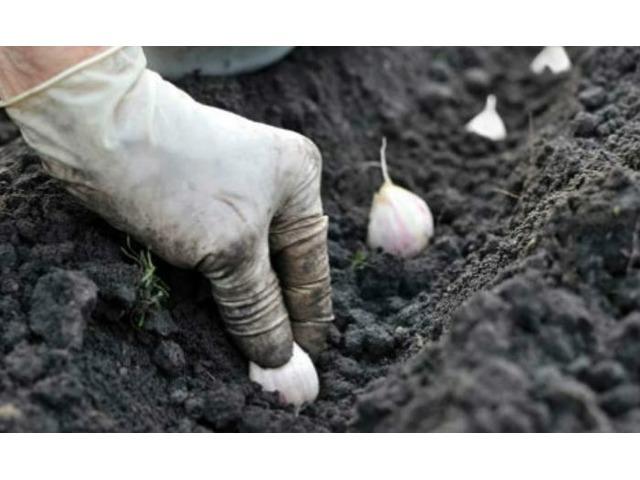
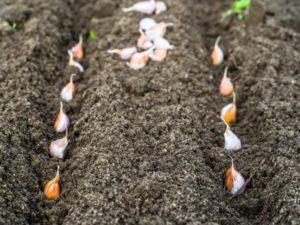
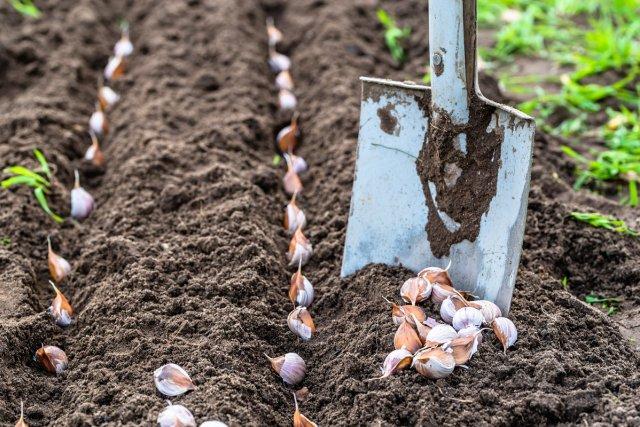
Having selected a suitable spot on the plot, dig furrows along the bed, spaced 20-25 cm apart. Place several cloves in each hole, leaving about 7 cm between them. Place the cloves sideways or upright, bottom down.
Agricultural technology and plant care
Throughout the growing season, care must be taken to ensure a bountiful harvest. To ensure vigorous growth, winter garlic requires proper watering, fertilization, soil cultivation, and protective spraying.
Watering and fertilizing regime
Watering and fertilization play an important role in growing winter garlic. To thrive, the crop requires sufficient moisture and nutrients. At different times of the year, plants require care tailored to the surrounding weather conditions.
In the fall
Since winter garlic is planted in the fall, the beds are watered immediately after planting. Watering should be stopped before frost sets in to prevent the cloves from freezing and rotting in the soil.
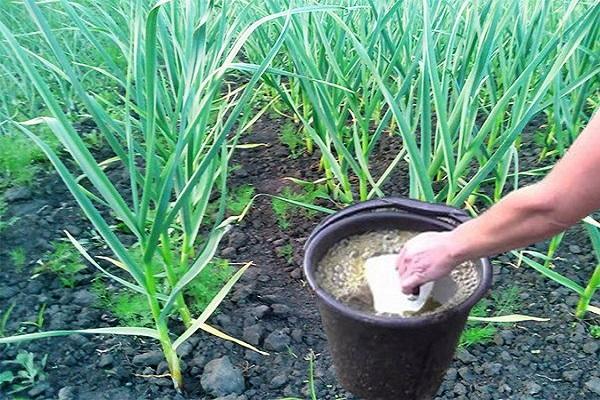
When sowing, the beds are fertilized with humus or well-rotted compost, and superphosphate, nitrophoska, and dolomite flour are also added. Peat is also added to clay soil.
In the spring
With the arrival of spring, the plant should be fertilized with a urea solution, and a week later, treated with nitroammophoska. Watering should be done about twice a week in the spring, as the soil dries out.
In summer
During the summer, water the soil every 5-6 days. If there is frequent rainfall, the frequency of watering can be reduced. In July, 3-4 weeks before harvest, watering is stopped.
The final portion of fertilizer is applied just before the garlic harvest, when the process of active head formation is underway.
To do this, dissolve 2 tablespoons of crushed superphosphate in 10 liters of water and treat the beds.
Weeding and mulching
During cultivation, weeds will periodically appear on the soil, hindering the development of the crop. It is recommended to regularly inspect the beds and remove weeds as they appear.
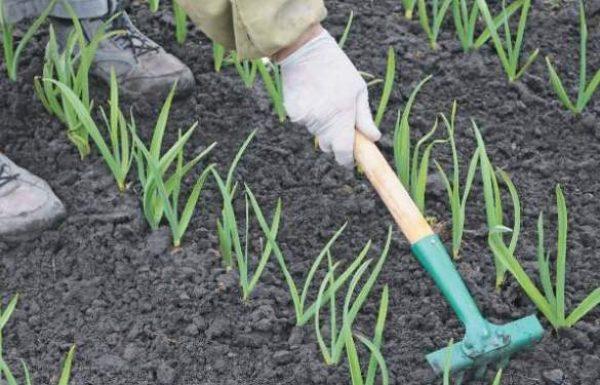
To simplify gardening and reduce labor, weed control can be achieved by mulching. A mulch layer can be made from peat, leaves, sawdust, or straw. Beginner gardeners often ask whether they need to rake the soil when mulching. You can cover your garden beds with mulch without raking the soil by laying a layer on top.
Diseases and pests: control and prevention
Unfavorable environmental conditions and neglect of care lead to the development of diseases and pests. Winter garlic is susceptible to fusarium wilt, rust, downy mildew, neck rot, and bacterial rot. Harmful insects that attack the crop include stem nematodes and root mites. onion moth.
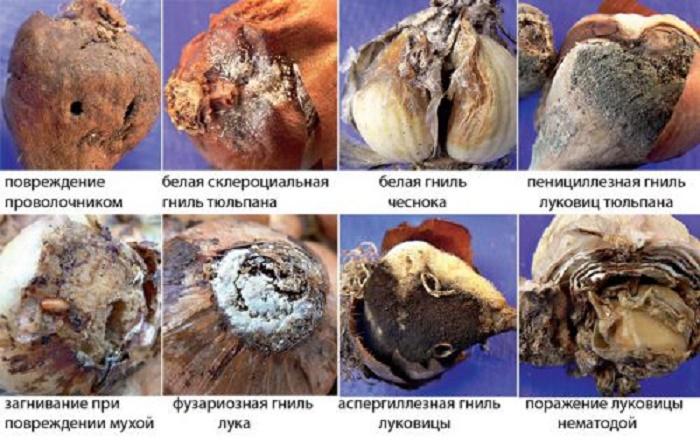
Control measures include treating beds with insecticides and fungicides immediately after detecting signs of crop infestation. Large pests can be removed manually or by using bait.
When and how to harvest winter garlic
Harvest timing depends on the climate and the variety being grown. Signs of ripeness include yellowing of the upper part of the plants and softening of the pseudostem. To remove the heads from the ground, carefully dig them out with a shovel and pull them out along with the clod of soil, being careful not to disturb the integrity of the pod. Then, shake off the soil and leave the pods to dry.
Preparation and storage
After harvesting, it's important to properly prepare your produce for storage. The following guidelines and tips are recommended:
- Garlic roots and stems should not be removed. These parts can only be lightly trimmed after drying.
- It's best to dry your garlic harvest in a warm, ventilated room or outdoors under cover. Avoid exposing the bulbs to direct sunlight.
- There is no need to additionally wash the crop, since the remaining soil will dry out and fall off on its own.
- If you plan to store winter garlic in bunches or braids, you need to leave long stems on the heads.
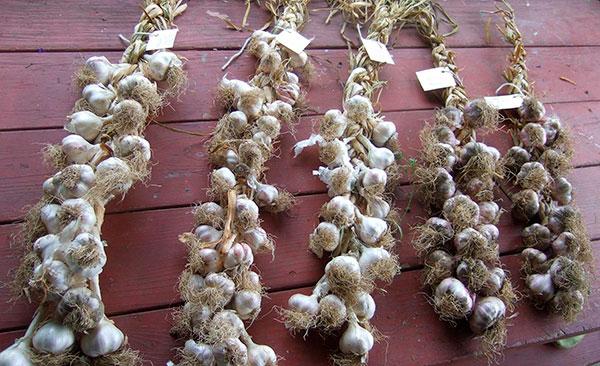 It is better to store the prepared harvest in a dark, cool place with a temperature of 2-5 degrees and an atmospheric humidity of 70-80%. A cellar, shed, or loggia are suitable places for storing garlic. You can also store the bulbs in the refrigerator. Plastic bags, boxes, and wooden crates are good storage containers. During storage, it's important to periodically inspect the bulbs to prevent rotting.
Tips and recommendations from experienced gardeners
When growing winter garlic, you may encounter common problems. To avoid complications and preserve your harvest, it's worth following the advice of experienced gardeners.
How to grow large heads of garlic
To grow large heads of garlic, it's important to select the appropriate variety. Varieties such as Gribovsky Yubileiny, Poretsky Mestny, and Danilovsky produce large harvests. The planting and subsequent care procedures are the same as standard.
What to do if the plant turns yellow
By the time garlic harvesting begins, yellowing of the above-ground portions is a natural process. If the plant begins to turn yellow at other times, it's due to insufficient nitrogen in the soil. Applying a fertilizer containing these nutrients helps eliminate the problem and restore normal growth.
Related posts:
 What are the differences between spring and winter garlic, description of the crops, and which one is better for storage?
 When to harvest winter garlic in Siberia, planting and storage times, varieties
 How to properly plant garlic outdoors and prepare the soil
 What determines the harvesting time for winter garlic, and when to dig it up according to the lunar calendar?
 Garlic harvesting dates in the Urals in 2025, cultivation and care
 The best varieties and types of early and winter garlic with descriptions and names
 Why do you need to rake the soil away from garlic heads before harvesting?
 Description and cultivation of single-clove garlic, planting and care rules