
Spring and winter are different types of garlicThe differences lie in the bulb structure and the number of bulbs they contain. Furthermore, they are planted at different times. Their shelf life also varies. You can learn about the differences between spring garlic and winter garlic below.
Although the crops differ significantly, it's difficult to say exactly which one is preferable. Given the specific characteristics and some characteristics of the species, each gardener may prefer to plant one type of garlic or another.
Features of spring garlic
Spring crops should be planted in the spring, in a dug-over and loosened area. They should be planted in slightly moist, not excessively soggy soil. If it's wet, postpone the planting. Garlic doesn't like being overwatered. This will cause the roots to rot, which will then spread to the bulbs.
The planting process should be as follows:
- A furrow is made with a hoe or other hand tool. Next, the heads are planted at a distance of 8 centimeters from each other;
- the following furrows are created at a distance of 25-30 centimeters from each other;
- When planting, the heads are sorted by size. Small ones are planted in one bed, and large ones in another. This makes caring for the crop easier.
Therefore, planting this plant is a simple task that doesn't require any specialized knowledge or extensive care. Simply remove any large weeds and loosen the soil occasionally.
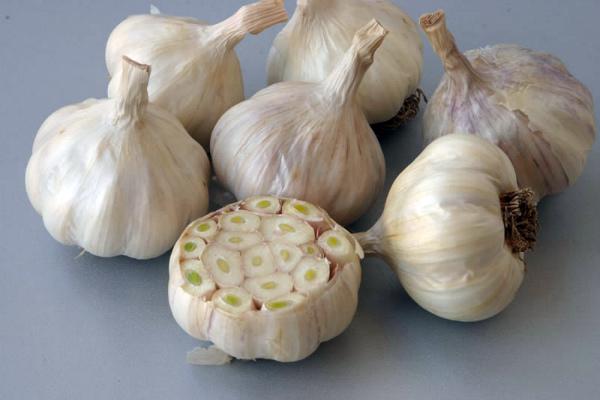
Features of winter garlic
Winter garlic is planted in the fall. It consists of an even number of heads, each no more than 10 in number.
Planting of the plant is carried out:
- 40-45 days before the onset of cold weather. During this time, the roots will have strengthened, but the plant will not yet begin to grow;
- One month before planting the heads, it's important to fertilize the soil, as this species prefers fertile soil. Before digging, sprinkle half a bucket of humus, 20 grams of potassium salt, and 30 grams of superphosphate per square meter.
- During the specified period, the crop is planted. It is also planted in furrows, the depth of which should be approximately 10-12 centimeters.
This type of plant, which is planted before winter, is also easy to plant and saves a significant amount of time in the spring, when it is quite difficult to cope with planting all the crops.

What is the difference between them?
It's worth considering all the differences between spring and winter garlic. First, they have different ripening periods. Second, they have different shelf life. Third, they differ in planting time. Furthermore, there are differences in their appearance and care. Each aspect should be considered separately.
By boarding time
Winter crops are planted before winter. This is the most favorable time for them, as the plant develops roots in the fall. Therefore, they begin growing actively in early spring. The roots germinate at temperatures of 0 degrees Celsius. When the temperature is 3-5 degrees Celsius, the roots begin to develop most actively, thereby ensuring stable growth.
Spring garlic is planted in early spring, immediately after the snow melts, as it dislikes dry soil. Once the soil warms to 5-7 degrees Celsius, it can be safely planted outdoors.
Note: Don't delay planting this plant, as it doesn't tolerate high temperatures. Root development, and therefore fruit development, begins at temperatures between 4 and 10 degrees Celsius. As soon as temperatures exceed this mark, growth slows. This is why many complain about a lack of harvest. This occurs due to improper sowing timing.
By appearance
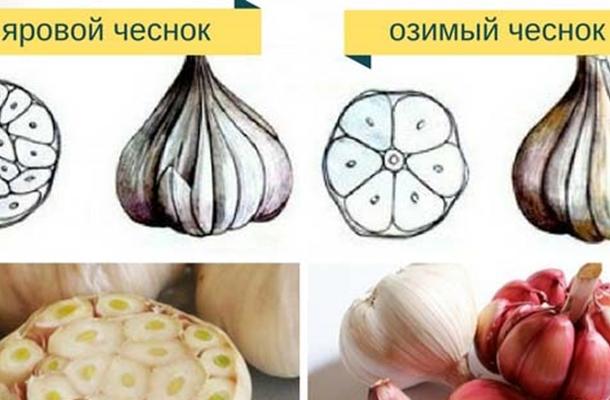
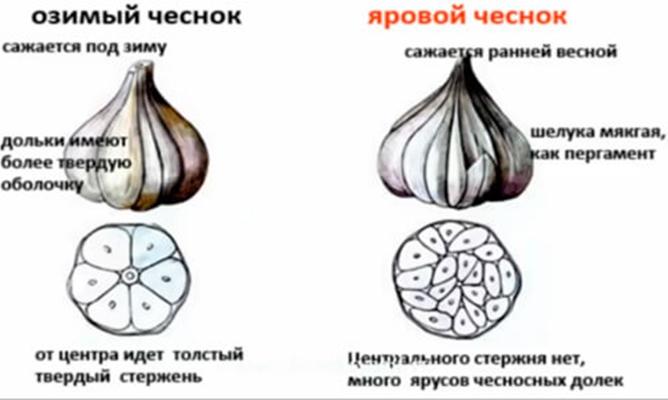
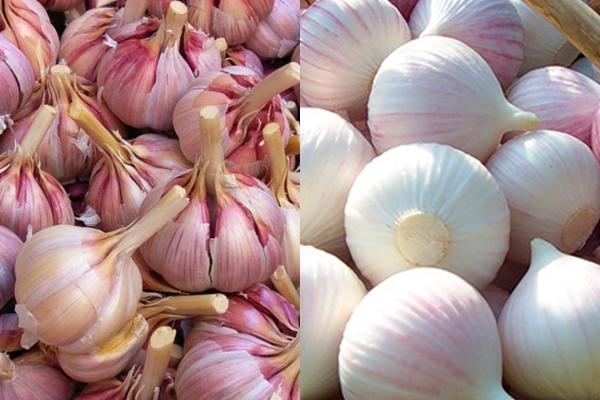
Externally, winter garlic and spring garlic differ greatly from each other, so they can be identified without any problems.
Spring garlic consists of numerous bulbs, sometimes up to 30 in number. They are arranged randomly within the bulb and vary in size. Simply feeling the bulb will help you determine whether it's spring or winter garlic.
Tip: To distinguish between the two types of garlic, simply pay attention to the following fact: winter garlic has an even number of heads.
Winter garlic bulbs are larger and larger than spring garlic bulbs. They are also roughly the same size. Winter garlic has a textured appearance, and its large bulbs are clearly visible beneath the skin. Spring garlic bulbs, on the other hand, are smoother and rounder.
Aftercare
Care is essential; without it, no crop can grow. It will either die or yield a negligible harvest. Garlic is susceptible to drought, overwatering, and pests. It also requires fertilization.
Spring crops thrive on watering. Regular irrigation is necessary from early May to late June. Watering should be stopped completely three weeks before harvest. It's also important not to oversaturate the soil; maintaining the correct level (the soil should feel slightly damp to the touch) is sufficient.
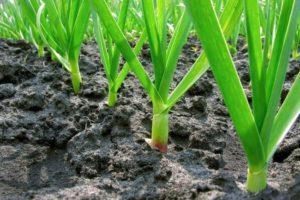
The first feeding is applied when the garlic's greens are just barely breaking the surface. Nitrogen fertilizers with little or no chlorides are ideal. The second feeding is done with the same fertilizer two weeks later. In late July/early June, potassium-phosphorus fertilizers should be applied, as this is when the bulbs are forming and require these nutrients for growth.
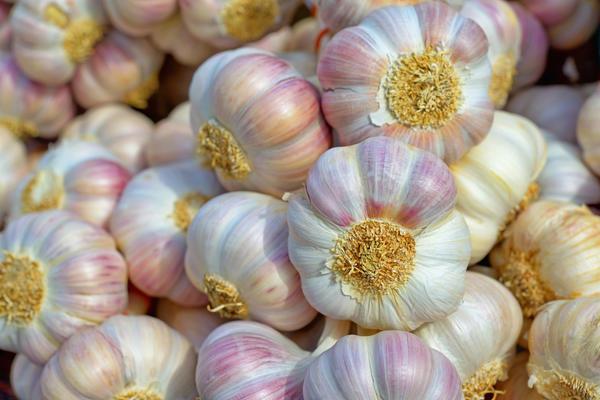 Important: watering spring garlic It is carried out once every 1.5 weeks. If the weather is dry, then once every 5-6 days.
Winter crops don't require as much watering as spring crops, as spring meltwater and soil moisture are sufficient for their growth. Winter crops require loosening. This should be done after the area can be walked on without sinking into the soil.
Tip: To loosen the soil confidently (this is necessary to prevent the soil from becoming crusted over due to excessive moisture evaporation), set up stakes on each side of the rows in the fall to indicate their location. This will allow for deep loosening of the spaces between the rows without damaging the crops.
Each type of crop is fertilized with different components. fertilizing winter garlicAs soon as the first leaves appear, you need to mix 1 spoon of urea in 10 liters of water and water the beds from a watering can (about three liters should be used per 1 square meter).
The next feeding stage will begin in two weeks. Here, dilute 2 tablespoons of nitrophoska or nitroammophoska per 10 liters (the water consumption for watering remains the same).
The final feeding is done in the second half of June. Then, 2 tablespoons of superphosphate are diluted in 10 liters of water. The recommended watering rate is 5 liters per square meter.
By ripening period
Winter crops ripen faster, as their growth begins immediately after the onset of warm weather. Spring crops require at least 10 days for the roots to establish themselves, and the fruit itself only just begins to develop.
Given the delay in fruit development, spring garlic may not ripen until late August (or early September), while winter garlic can be harvested by late July. If the climate is less than favorable, spring garlic may not have time to grow during the summer months, or may even be lost altogether. This is why spring varieties are grown primarily in the south.
Take a look Also

By keeping quality
Winter garlic is planted in the fall. Its advantage here is that it reduces gardening work in the spring. Harvesting time begins in the summer, at the end of July.
Spring garlic is planted in the spring. It's important to keep in mind that it stores better, as it can be stored indoors all winter without rotting, after which it can be planted. Winter garlic, however, doesn't store for as long, and planting it in the spring won't yield any results.
Which garlic is better to choose: winter or spring?
This question should be answered logically. Spring varieties are best grown in areas with long summers, as three summer months may not be enough due to unsuitable climate.
Winter crops are best grown in areas with short summers. They will, in any case, have time to accumulate reserves for growth.
Which garlic stores best?
Spring wheat is most common on large farms, while winter wheat is more common in private farms. To grow spring wheat, entrepreneurs must seek out the most favorable climate.
However, farmers are not shy about traveling to other regions to grow spring garlic rather than winter garlic. It's all about shelf life. Summer varieties can be used for food even eighteen months after harvesting. Winter varieties last less than a year and may be unsuitable for planting after winter.
Conclusion
As for flavor, there's no fundamental difference. There are many varieties of both winter and spring garlic. Finding the perfect one requires some experimentation.
Related posts:
 How to properly grow and care for spring garlic in open ground and when to tie it into knots
 The best varieties and types of early and winter garlic with descriptions and names
 When can spring garlic be harvested in 2025? Harvesting from the garden and storage
 When to dig up garlic in the Moscow region in 2025
 Garlic cultivation technology in open ground, planting times, and care guidelines for a good harvest
 Features of planting and caring for family garlic, description of varieties, pest control
 How to properly dry winter garlic after digging and where to store it at home
 What determines the harvesting time for winter garlic, and when to dig it up according to the lunar calendar?