
- Winter garlic: biological characteristics of growth and maturation
- When does it ripen?
- Why is it important to harvest garlic on time?
- What are the signs that indicate the ripeness of a head?
- Harvest timing
- What does the collection time depend on?
- Growing region
- Variety
- Climate conditions
- Agricultural technology and care
- What does the lunar calendar say for 2025?
- Favorable days
- Undesirable time for digging
- The nuances of harvesting and processing garlic
- How to dry it so that it stores well
The final stage of growing any plant is harvesting. The quality and nutritional value of the crops depend on the timing and sequence of harvesting. Late harvesting results in some of the fruit being wasted. Beginner gardeners need to know when and how to harvest winter garlic. There are several signs that this vegetable is ripening.
Winter garlic: biological characteristics of growth and maturation
Winter garlic is a seasoned vegetable that is cold-resistant and adapts to any climate. Roots begin to sprout at temperatures below zero, and at temperatures of 3-5°C, they begin to grow rapidly.
Winter garlic planted in the fall takes root before the first frost. Depending on the climate in different regions, planting periods can last from mid-September to mid-November. It takes 30 to 45 days for the vegetable to take root, but not begin to sprout.
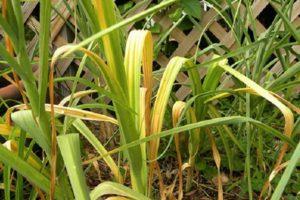
One of the first signs of winter garlic maturity is yellowing of the above-ground portion. However, don't rely solely on this sign, as it can also indicate a nutrient deficiency or pest or disease infestation. To determine ripening correctly, you need to take into account such signs as straightening of the arrows, cracking of the bulbs and exposure of the seed cloves.
When does it ripen?
The question of when winter garlic ripens is of interest to many beginning gardeners. There are no specific dates. Under some conditions, garlic planted in the fall may ripen by early July, while under other conditions, it may ripen by August.
Certain visual signs will tell you that it is time to harvest winter garlic.

Why is it important to harvest garlic on time?
The condition, flavor, and nutritional value of winter garlic depend on timely harvesting. If you harvest the bulbs before they're fully ripe, they may be too soft and unusable, but this can be resolved by ripening them in a warm, dry place.
The longer winter garlic is stored in the soil layers, the better it will be stored later, but the permitted storage periods should not be exceeded.
If the vegetable is overripe, it is likely to sprout again, which negatively impacts its flavor and nutritional properties. The emerging young shoots deform the scales, reducing its shelf life.
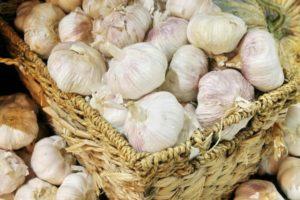
The following signs indicate that the vegetable is overripe:
- when you press on the head you feel softness and looseness;
- A head of garlic dug out of the ground easily separates into individual particles.

To avoid these problems, winter garlic should be harvested immediately after it has ripened.
What are the signs that indicate the ripeness of a head?
To find out how ripe your garlic heads are, you need to dig up 1-2 heads every week for visual inspection, starting in mid-July.
When the head is fully ripe, its outer skin becomes thin and the cloves in the elastic leathery shell separate easily.
There are other, equally accurate signs that will help determine the ripeness of garlic:
- cracking of the soil in the garden bed where the vegetable grows;
- cracking of inflorescences;
- elasticity of the arrows;
- drying of the root collar;
- peeling of the outer shell during cleaning;
- yellowing of the upper leaves of the tops and drying of the lower ones.

Harvest timing
To understand when it is best to dig up garlic heads, you should focus on the climate conditions and the specific care requirements of the crop.
If the garlic received sufficient nutrition during growth and the weather was mostly warm with little rainfall, it is recommended to harvest after July 20.
In hot and dry climates, garlic harvesting can be delayed for some time, but not longer than the first days of August.
What does the collection time depend on?
The harvesting period for winter garlic depends on several factors, including the vegetable variety, growing region, climate, and plant care.
Growing region
Different harvest calendars are used in the northern and southern regions of Russia. This is due to significant temperature fluctuations. In the south of the country, garlic ripens 15-20 days earlier than in the north. In the central part of the country, garlic can be harvested 100 days after the first shoots appear.

Variety
There are over 80 registered varieties of winter garlic. They differ in several parameters, including ripening speed. Early-ripening varieties ripen as early as 85 days after emergence. Late-ripening varieties require approximately 110 days.
Climate conditions
In rainy and moderately warm weather, ripening times are shortened, and in hot and dry weather, they are extended.
Agricultural technology and care
This crop develops and matures more quickly in sandy and loamy soils. On heavier soils, the process takes longer.

To speed up ripening, you need to provide winter garlic with proper care:
- loosen the soil after the first shoots appear in early spring;
- water every 10 days (at the rate of 10-12 liters of water per 1 m2).
What does the lunar calendar say for 2025?
In addition to basic recommendations for harvesting winter garlic, you can consult the lunar calendar for 2025. It will provide reliable clues.
Favorable days
Based on certain movements of the moon and its influence on the harvest, it is best to dig up winter garlic on the following days of July: from 5th to 7th, 15th, 16th, 19th, 20th, 23rd and 24th.
In August, it is recommended to harvest vegetables from the garden from the 1st to the 3rd.

Undesirable time for digging
The lunar calendar doesn't list any unfavorable days for harvesting. However, it's always worth remembering that it's not advisable to harvest before July 5th due to insufficient ripeness, and after August 15th due to overripeness.
The nuances of harvesting and processing garlic
Vegetable harvesting must be carried out strictly according to the rules. Several important steps must be taken beforehand:
- About 25 days before digging, loosen and clear the soil around the garlic heads.
- Tie off the stems. This will strengthen the bulbs and prevent further growth of the foliage and new shoots.
- 30 days before harvesting, stop watering the plant and break off the shoots, leaving a few sample ones.

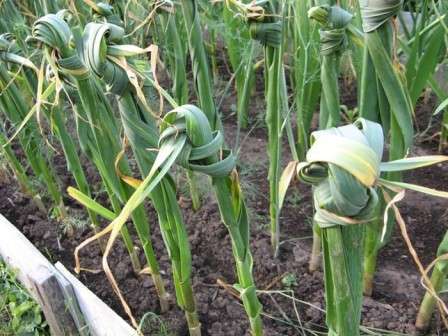
When digging up garlic bulbs, choose sunny, warm days. It's best to use a pitchfork instead of a shovel to avoid damage.
The slightly dug-up heads should be left in the garden bed for a while to dry. Avoid trimming the foliage, as the garlic needs to absorb the nutrients from the tops. Pre-drying in the sun is essential to kill mold, spores, and fungi. After 5 days, harvest the garlic, remove any soil, and trim off the roots, leaves, and tops.
How to dry it so that it stores well
If the vegetables were harvested in cloudy and damp weather, they should be dried in a well-ventilated, dry room for 7-10 days. To do this, it's best to spread them out evenly on paper.

Winter garlic must be dried and stored correctly, taking into account the following conditions:
- The optimal temperature is +3-5°C. Any higher temperature is detrimental to the growth of the vegetable.
- Humidity 50-80%. At these levels, garlic bulbs will not rot or sprout.
- Store in a dark place. Excess light promotes germination.
Vegetable crates or baskets can be used for storage. A convenient option is to hang them from the ceiling in braids or simple bundles of several.
Related posts:
 The best varieties and types of early and winter garlic with descriptions and names
 What are the differences between spring and winter garlic, description of the crops, and which one is better for storage?
 When to dig up garlic in the Moscow region in 2025
 How to properly grow and care for spring garlic in open ground and when to tie it into knots
 When can spring garlic be harvested in 2025? Harvesting from the garden and storage
 How to properly dry winter garlic after digging and where to store it at home
 Winter garlic cultivation technology, large varieties and cultivation rules
 How to properly plant garlic outdoors and prepare the soil