
Large, attractive garlic is sold at vegetable stands and markets. However, people are often disappointed, as the cloves are flavorless and the bulb spoils quickly. Spring garlic has a much longer shelf life than winter garlic and has a distinct aroma. It is added to various dishes and used in preserves. This plant, which came to Europe from Central Asia, kills viruses, treats colds, and eliminates runny noses. The herb grew wild in the mountains of Uzbekistan.
Spring garlic or winter garlic
This Amaryllis family plant has long been cultivated in Turkmenistan, Afghanistan, Pakistan, and Iran. The bulbs of this perennial plant are planted at different times—in autumn and spring.
Winter and spring garlic have their own distinctive features, the first type:
- Forms arrows.
- Propagated by cloves and bulbs.
- Stores for up to 4 months.
- It tolerates cold weather well, but may die in severe frosts and lack of snow.
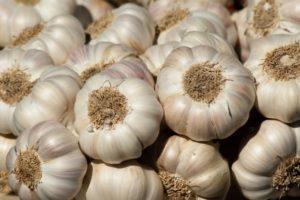
Summer garlic consists of three dozen small cloves arranged in a single row. Winter varieties have no more than 10 cloves, arranged in a spiral.
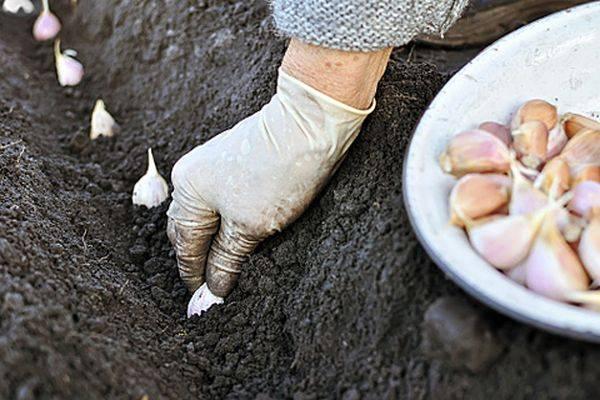
When planting spring garlic in spring larger bulbs growIts main advantages include:
- high productivity;
- distinct taste;
- long shelf life.
The heads of some summer varieties of the crop remain fresh for not just one, but two years. To achieve the desired result, it is important to follow proper agricultural practices and care.
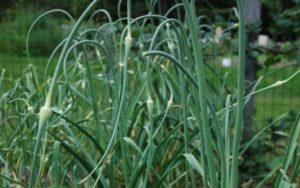
Spring garlic has narrow leaves that taper to a point, measuring about 30 cm in length, and stems that grow up to 1.5 meters. The herb's spherical inflorescence consists of lilac petals and small bulblets. The plant propagates only through cloves.
Landing time
Spring garlic has a significantly shorter growing season. In climates where summer ends quickly, cloves should be planted as early as possible. Even if spring frosts strike, the crop will survive, as it tolerates such weather surprises well.
At growing spring garlic in open ground It's important to monitor soil temperature. Spring arrives earlier in some regions, later in others. These varieties are planted when the soil in the garden bed warms up to 5°C. In temperate climates, this usually occurs in late April. Garlic roots develop best in low humidity and cool soil temperatures.
When spring crops are planted late garlic is growing poorly, small bulbs are formed, and the crop will not please with its yield, since in warm weather root growth stops, and leaf growth slows down.

Preparing the site for planting
Spring garlic thrives in loamy and sandy loam soils with low acidity. Fine particles improve air and moisture penetration, making the soil loose and fertile.
Avoid planting in low-lying areas where water stagnates. Garlic reacts negatively to temperature fluctuations, and experienced gardeners advise against planting in a drafty area. Sunlight is essential for the development of the heads; in the shade, only leaves will grow.
Although summer garlic isn't planted until April, the soil in the garden is dug deep in the fall. Fertilizer should also be applied at this time. Per square meter of loamy soil, the following is sufficient:
- 4 kg of humus;
- 40 grams of superphosphate;
- teaspoon of urea.

Clay soil is diluted with sand at a rate of 10 kg per 1 m2, and half as much peat and humus are added.
The prepared bed is raked and left that way for the winter. In the spring, when it's time to plant spring garlic outdoors, the area is loosened again, fertilized with organic matter, and watered well. Clay is added to sandy loam soil. Sand and humus are added to peat bogs.
How to plant spring garlic
To harvest a rich, pungent-tasting vegetable crop with large, heavy heads from your plot, it's essential to follow proper planting practices. First, select the seed material.
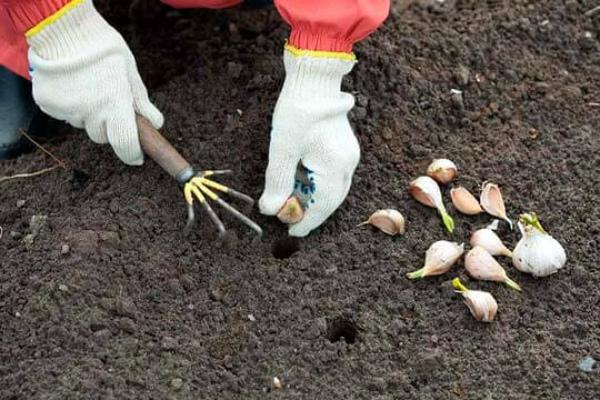
Large, healthy cloves are planted in holes every 70–80 mm, deepening them by about half a centimeter. Leave about 20 cm between rows.
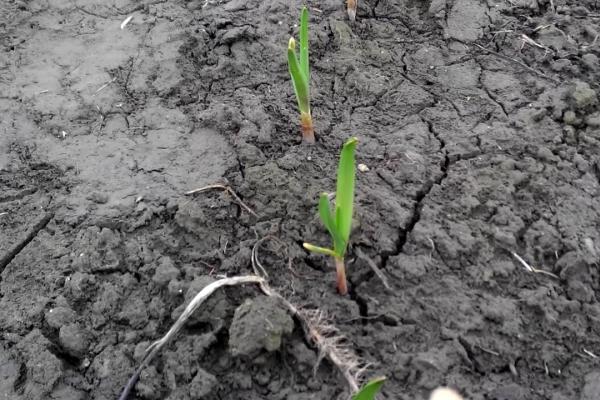
To ensure proper root formation and normal development of the above-ground portion of the crop, spring garlic is planted with the base facing down. The planted cloves are then covered with soil and peat. No watering or fertilizing is required; this was all done during the preparatory period. No work is performed on the bed until the cloves sprout.
To ensure large, rather than small, spring garlic, planting and care must be taken seriously, even though the crop is considered low-maintenance. Without watering and fertilizing, don't expect a high yield.
Preparation of planting material
The crop is grown exclusively vegetatively. Some gardeners separate large and small cloves. The former will produce large bulbs, while the latter will produce dense, fragrant greens.
If spring garlic is left at room temperature over the winter, the growing season will be extended, resulting in large bulbs that won't have time to ripen. If stored in a cool basement, the bulbs will be medium-sized the following season. Refrigerating garlic stored indoors before planting will significantly increase the yield.
The best large domestic varieties suitable for growing in temperate climates include Samorodok, Gulliver, and Shunut. Foreign spring garlic varieties such as Printanor and Flavor also thrive.
Just before planting, the round bulbs are separated into cloves and peeled. Care must be taken to ensure that the bottoms of the cloves do not dry out before they are placed in the ground.
It's not advisable to grow garlic in the same spot two years in a row, as it severely depletes the soil. The crop thrives in a plot where:
- spices;
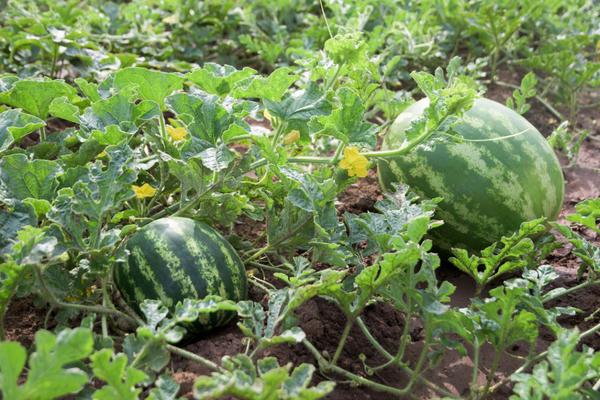
- melon field;
- wheat or rye;
- beans and legumes.
Avoid allocating space for spring varieties after carrots and bulbous crops. Planting tomatoes, strawberries, flowers, and eggplants nearby will reduce pest infestation. Insects dislike the pungent odor.
Stimulating the growth of seed material
When growing spring garlic, sprouts sometimes take a long time to emerge, and the yield isn't as expected. To speed up ripening and increase bulb size, the cloves are immersed in a potassium permanganate solution or soaked in water. Afterward, the seeds are wrapped in wet cheesecloth, placed in a plastic bag, and stored in a cool place for several days.
Once roots appear, the cloves are planted in the garden. To speed up the growth of spring garlic, it can be fertilized with nitroammophoska. Dissolve 5 grams of the substance in a bucket of water and soak the cloves in it.
The crop tolerates spring frosts and summer droughts well, and thrives in unfavorable climate conditions, but without watering and fertilization, you shouldn't count on a good harvest.
Care
Spring varieties sprout at cool temperatures and are not killed by late frosts, but to ensure they produce large heads, you need to understand their characteristics. Grass leaves grow until July, and moisture is essential during this period.
If the tips are dry, be sure to water the plant.
Caring for spring garlic includes not only irrigation, but also requires:
- loosening the soil;
- mulching of beds;
- nutrient supplementation.

Plants need less water once the bulbs have formed. In damp soil, the bulbs take longer to mature and store poorly. Watering should be stopped at the end of the season, and avoided on rainy days, otherwise the bulbs will rot. To slow water evaporation in hot weather, the soil in the garden bed should be mulched with peat or compost and loosened. In hot weather, the soil should be watered every five days; in warm weather, once every six weeks.
When the first leaves appear, water the crop with bird droppings. The fertilized garlic will begin to grow faster, producing dense greens that are used in salads and seasonings.
Does the crop need fertilizing?
During the growing season, fertilize the beds three times. The first time, the plants are watered with liquid cow manure or bird droppings as soon as the shoots appear. Organic nitrogen-containing fertilizer is used in a 1:10 ratio and thoroughly mixed in a warm solution. Do not exceed the recommended dosage, as this will negatively affect the crop and cause harm to humans.
Next fertilizing garlic Spring fertilizer is applied two weeks after the first. Dissolve two tablespoons of nitrophoska in a bucket of water. This is enough for a 3 square meter plot.
The third application is in the first half of August, when the bulbs begin to ripen. During this period, the plant requires phosphorus and potassium. You can buy a ready-made complex fertilizer called "Florovita" or add ash to the garlic when watering it as it bolts.
The nuances of getting a good harvest
When growing spring onions, it's important to consider key factors to ensure larger bulbs. In some temperate regions, bulbs don't have time to ripen, even when planted early. You can speed up the process by lifting them from the soil in late summer and trimming their roots slightly. This will slow growth, and the bulbs will ripen faster.
Unfavorable weather, temperatures above 25 degrees, and high humidity negatively impact the crop's condition, and even fertilizing with organic and mineral substances in this case does not help improve yield.
When choosing a spring garlic variety, you shouldn't just choose one you like, but rather one that's suitable for your region. It's worth listening to what an experienced gardener who's been planting this crop for a long time has to say on this topic:
“To grow large bulbs, I renew the garlic every year, tying the leaves into knots, and determining when to tie them into a knot by the arrows.”
Harvesting garlic
Proper planting and care in open ground aren't the only conditions for a high yield. Weather plays a significant role, affecting both the ripening time and shelf life of spring garlic.
The bulbs are dug up when more than half the leaves have turned yellow and fallen off. In temperate climates, this usually occurs after August 15th. Prolonged rains and low temperatures can delay harvesting.
When a dry day arrives, pry the garlic with a pitchfork, remove the bulbs, shake off the soil, and leave them in the garden for about five days or under cover if clouds return. Dry the bulbs with their tops trimmed, then sort them for storage. Spring varieties can be stored in a ventilated area. The bulbs will not dry out or rot at temperatures of both 20°C and 2°C.
Garlic is folded:
- in wicker baskets;
- in boxes made of boards;
- into the net;
- in a nylon stocking.
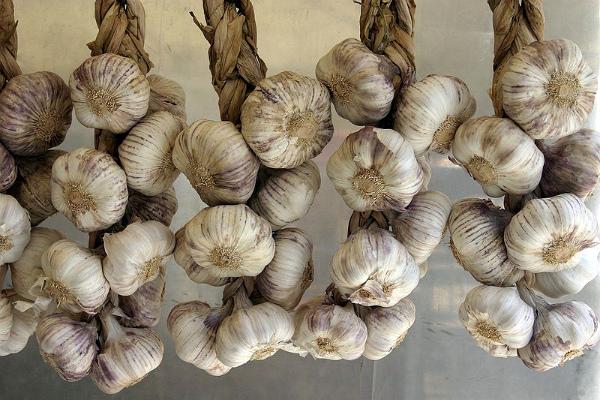
Can tie the bulbs Bunches and braid them. They store well in a glass jar or plastic container, sprinkled with coarse table salt.
Pests and diseases
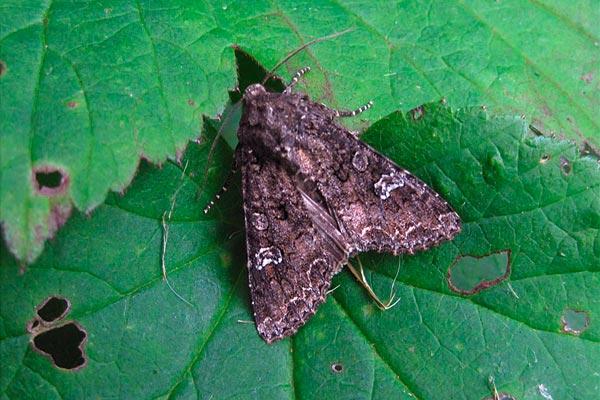
Sometimes in August or even July, spring garlic leaves turn yellow and dry out, despite moist soil. This isn't due to poor care, but to pest infestations. Although this crop protects other plants from insects, it itself is susceptible to pests:
- onion fly;
- moths and thrips;
- root mites;
- stem nematode.
To prevent garlic infestations, water the plants with ammonium sulfate and thin the beds, removing damaged stems. To combat onion flies, sprinkle the soil with salt and treat it with potassium chloride. Mites and thrips can be controlled using biological and chemical treatments.
Spring garlic is affected by:
- powdery mildew;
- black mold;
- bacterial rot.
These diseases are caused by fungi and microbes. Plants develop yellow spots, roots die, and a plaque forms between the scales. Bacterial rot causes the cloves to become ulcerated, discolored, and develops an unpleasant odor.
To combat diseases, the above-ground portion of garlic is sprayed with Gamair-TM, Bitoxibacillin, and Lepidocide. If a garden bed is infested with nematodes, garlic should not be planted there for at least four years.
Diseases and pests cause significant damage to the plant's yield; greenhouses offer no protection against onion and root mites. These insects thrive in high humidity and thrive in warm conditions. The female pest lays hundreds of eggs, which hatch into larvae that attack the garlic cloves.
Helminthosporium leaf spot affects spring varieties with light-colored scales. The disease is caused by a microscopic fungus and develops at any temperature and with excessive watering. The base of the bulb becomes covered with brown spots, and the cloves darken and rot. To prevent this, treat the planting material with formalin.
To prevent crop diseases and pests, practice crop rotation and avoid planting spring garlic after nightshade and bulbous crops. Select varieties based on climate conditions.
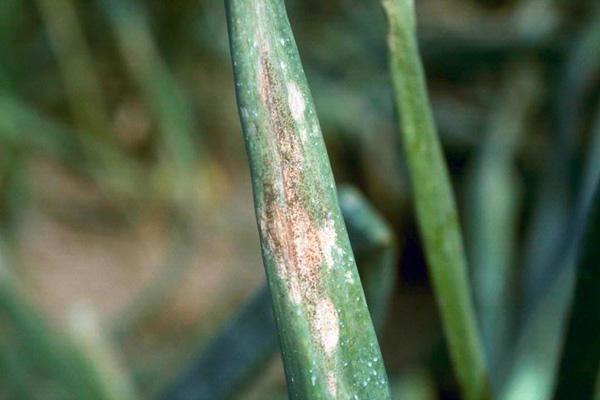
The harvest is stored for a long time at the correct temperature and optimal humidity.
Related posts:
 Why is the garlic in my garden growing small and not separating into cloves? What should I do?
 What are the differences between spring and winter garlic, description of the crops, and which one is better for storage?
 How to properly dry winter garlic after digging and where to store it at home
 The best varieties and types of early and winter garlic with descriptions and names
 When can spring garlic be harvested in 2025? Harvesting from the garden and storage
 When to dig up garlic in the Moscow region in 2025
 How to properly plant garlic outdoors and prepare the soil
 Description and yield of the Lyubasha garlic variety, planting and care
There are no special care requirements for this garlic. The variety tolerates minor temperature fluctuations well and is resistant to diseases. The most important thing is to fertilize the soil well; I recommend usingBioGrow".