
- Information about Chinese garlic
- Origin of culture
- Chemical composition
- Benefits and harms
- Cultivation areas
- Varieties
- Perennial
- Decorative
- How to distinguish it from Russian?
- Growing conditions in the regions of Russia
- Suitable climatic conditions
- Required soil composition
- Illumination of the landing site
- Landing
- Selection and preparation of the site and planting material
- Optimal timing
- Methods of planting a plant
- shoots
- Seeds
- How to care for Chinese garlic?
- Irrigation
- Fertilization
- Loosening and mulching the soil
- Diseases and pests: prevention and treatment
- Harvesting and storage
- The nuances of winter forcing
- The main problems encountered during cultivation
A member of the Liliaceae family, Chinese garlic, or onion garlic, is increasingly becoming a staple in Russian gardens. This easy-to-grow vegetable boasts good frost resistance, beneficial medicinal properties, and a rich vitamin content. Fragrant onion is another name for Chinese garlic; its fresh greens can be used as a flavorful seasoning for meat dishes.
Information about Chinese garlic
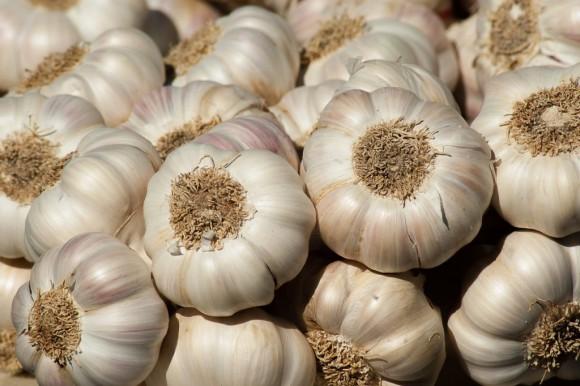
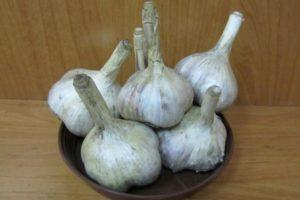
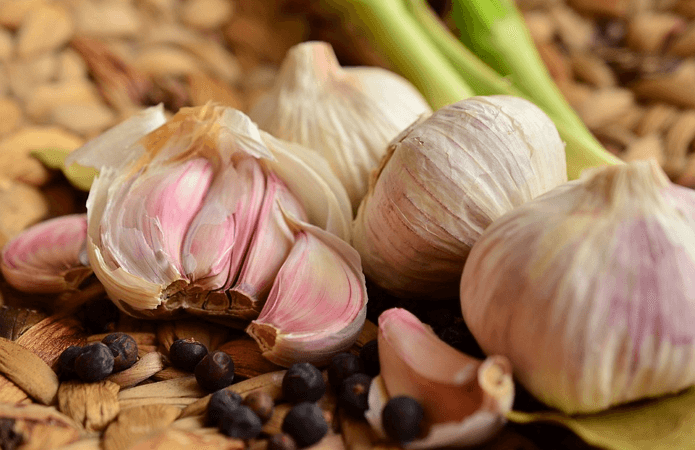
The main distinguishing feature of Chinese garlic is its fused scales; there is no bulb, and no stem forms within the bulb. The presence of cloves varies by variety; typically, they are absent. A prime example of a single-clove variety is Solo Chinese garlic. Mountain varieties may produce 2-3 cloves within a false bulb.
Origin of culture
The historical homeland of Chinese garlic is India, Asia, and China. It has been used as a food for over three thousand years. Sweet chives are common in Japan. These days, the plant is often grown by Russian gardeners. Sweet chives are easy to grow and can tolerate temperature fluctuations.
Chemical composition
Regular consumption of this Chinese vegetable normalizes metabolism and has an anthelmintic and antiseptic effect on intestinal function.
The chemical composition of the vegetable is diverse: fiber, minerals, essential oil, carotene, ascorbic and pantothenic acids, vitamins, mineral salts.
Chives contain germanium, a substance that can prevent the development of cancerous tumors and osteoporosis. Tungsten and molybdenum are also found in this Chinese vegetable.
Benefits and harms
In Russia, negative attitudes toward Chinese products have developed over the past decades. Indeed, Chinese garlic imported from China can be harmful to health. This isn't the vegetable's fault. Harmful components enter the plant's nutrient-rich juices through toxin-contaminated water or through excessive application of chemical fertilizers to the soil. Sweet onions grown in your own garden are a healthy, vitamin-rich, aromatic vegetable.
Benefits of Chinese garlic:
- Strengthening the immune system, fighting viral diseases.
- Improves heart function and makes blood vessels more elastic.
- It has a beneficial effect on the digestive tract, alleviating the symptoms of ulcers and gastritis.
The negative consequences of consuming fragrant onions include:
- Should not be used during breastfeeding, as it may impair the taste and quality of milk.
- May cause severe allergic reaction.
- Contraindicated for people suffering from liver disease and urolithiasis.
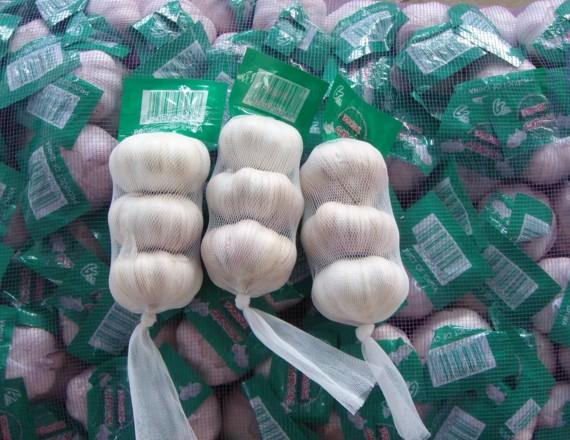 Chinese garlic can be eaten fresh or pickled. The stem, greens, and bulb itself are used for cooking.
Cultivation areas
Chinese garlic is grown in various parts of the world: in China, Japan, India, Thailand, Vietnam, and Russia. This fragrant chive prefers rocky soils and often grows wild in river valleys and meadows.
Varieties
The variety of Chinese garlic is vast. Breeders distinguish two main types: perennial and ornamental fragrant.
Perennial
Most often grown for its greens, the false bulb can also be eaten. It is a compact plant that produces fragrant plumes up to 55 centimeters tall. These plumes can be up to 7 millimeters wide. It tolerates winters well, providing fresh greens all season long.
Decorative
Often used in landscape design to decorate alpine gardens and rock gardens, it forms umbrella-shaped inflorescences with small flowers gathered into a ball. It is a spring-bearing species.
How to distinguish it from Russian?
When buying this aromatic vegetable at the store, Russians prefer domestic varieties and types. The main differences between Chinese and Russian garlic are:
- There are no roots; in China they are removed with an electric knife.
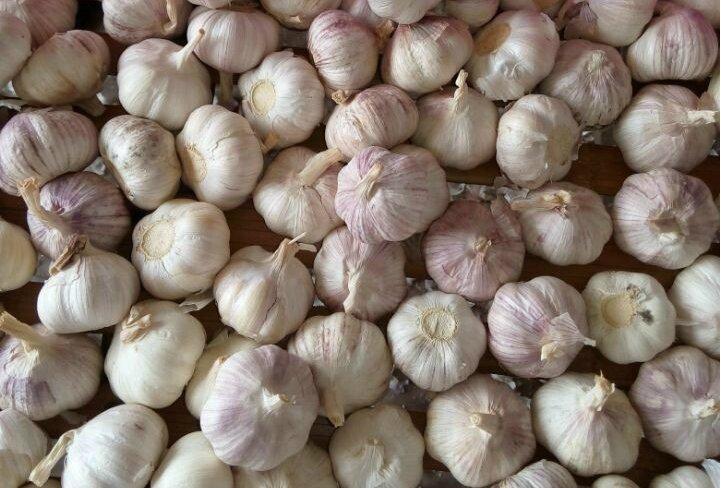
- All the bulbs are similar to each other, have the same smooth round shape and uniform color.
- The onion may turn green during cooking.
- The bulb of Chinese garlic has a smaller mass.
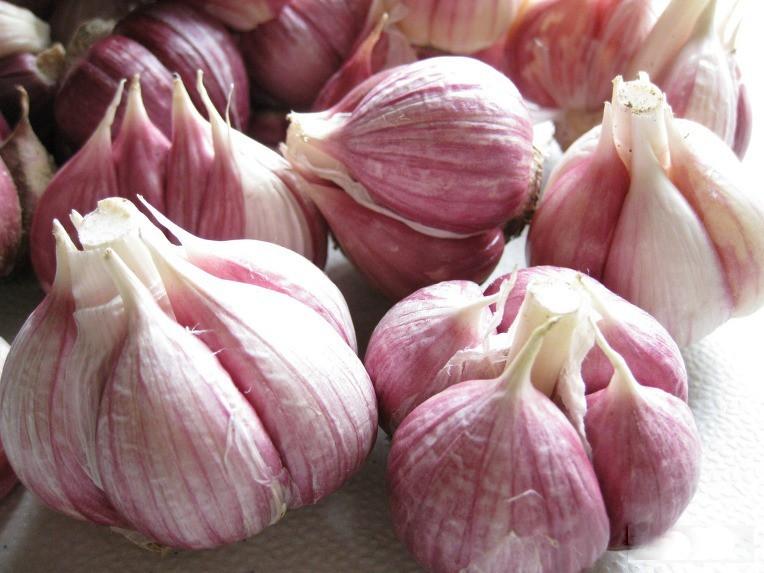 Note: If garlic turns green while cooking, it doesn't mean it's spoiled. The color change is due to the vegetable's allyl sulfide content. This doesn't affect the quality of the fruit; it's still edible.
Growing conditions in the regions of Russia
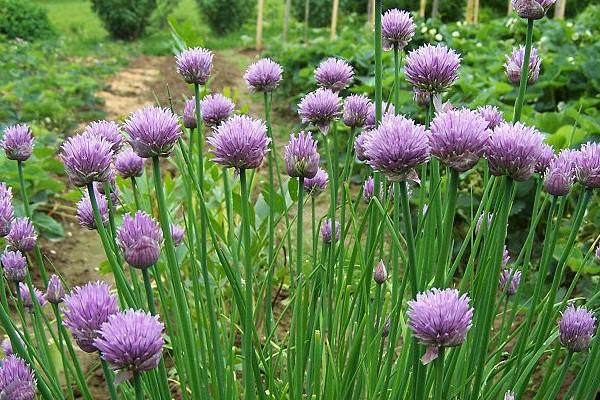
In Russia, Chinese garlic can be grown in the south, the Far East, Siberia, and in temperate latitudes. Sweet chives are frost-hardy but prefer warmer climates. In our country, this variety is called "dzhusai."
Suitable climatic conditions
Chinese garlic can be grown in any region of Russia; the fragrant onion overwinters well. The plant will thrive best in the southern regions, as although it easily tolerates Russian winters, it is quite demanding in terms of daytime temperatures and light.
Required soil composition
In nature, dzhusai grows on rocky soils, preferring loamy soils. Excessive moisture is detrimental to fragrant onions; stagnant water around the roots is unacceptable.
The best predecessors are legumes and cabbage. Garlic should not be planted after its fellow crops.
Illumination of the landing site
Chinese garlic is grown in well-lit areas. It does not grow well in shade or partial shade. Planting near tall trees and shrubs is not recommended.
Landing
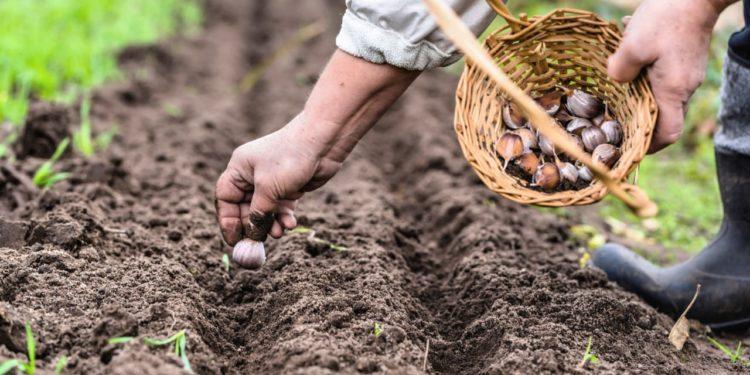
Garlic is planted in rows, spaced 30 centimeters apart. The distance between plants is kept small, up to 5 centimeters, and the plants are thinned out if they become too dense.
Selection and preparation of the site and planting material
Preparing the garden bed for chives begins in the fall. The soil is dug to a depth of 30 centimeters and fertilized. Fresh manure should not be added, as it may cause the chives to rot. Organic fertilizers such as humus are suitable, while mineral fertilizers such as wood ash or superphosphate are suitable.
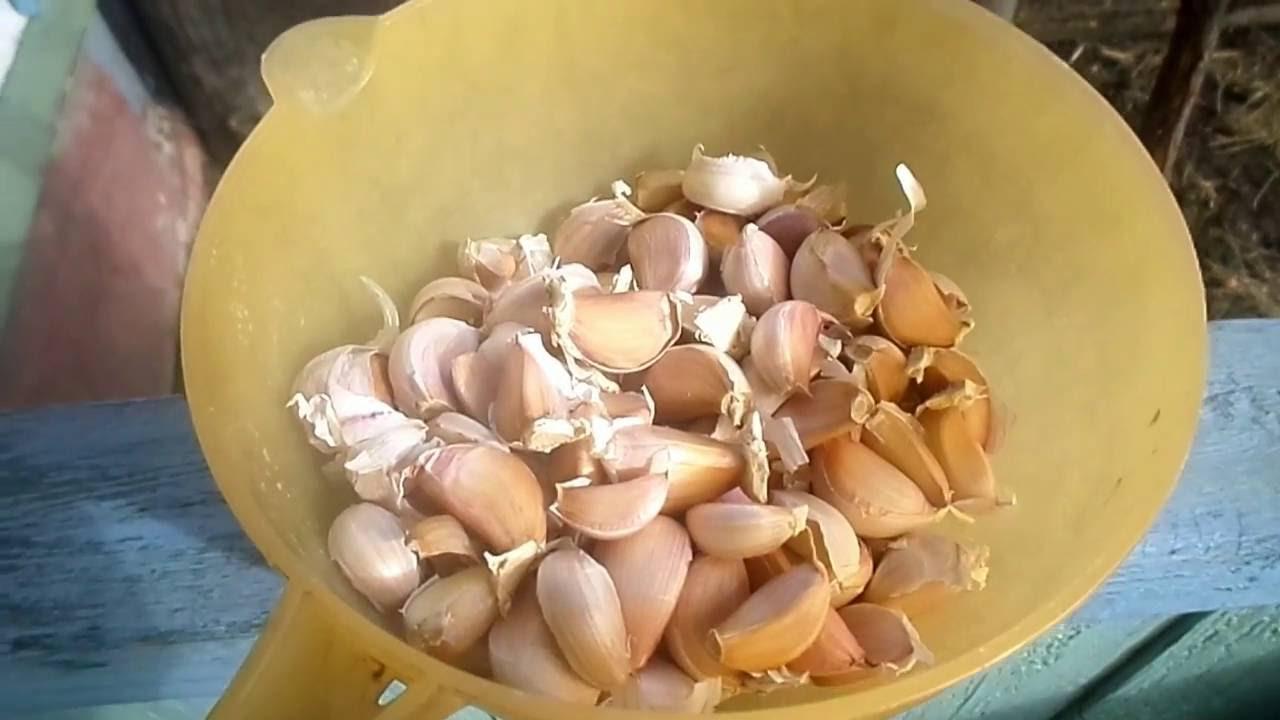
In spring, the bed is loosened, removing weeds. If the soil is heavily compacted, the digging is repeated. Furrows are drawn in the prepared bed and the bulbs are planted. Before planting, the bulbs are disinfected with a solution of potassium permanganate. The seeds are soaked in the weak solution for about two hours.
Optimal timing
The best time to plant Chinese garlic is spring. If you plan to grow the bulbs from seeds, sow them in seedling trays in late February.
Methods of planting a plant
Chinese garlic is propagated using two traditional methods: shoots and seeds. Each gardener decides for themselves which method to choose.
shoots
This method is similar to dividing a bush. The perennial is dug up and the young shoots are carefully separated from the main plant. The advantage of this method is that if the bush is divided early in the spring, the young shoots will produce a harvest the same year.
Seeds
Growing from seeds is a labor-intensive method, yet it's still the preferred method for most gardeners. Seeds are sown in seedling trays in late February or directly into the ground in early April. Seedlings appear in about a month.
How to care for Chinese garlic?
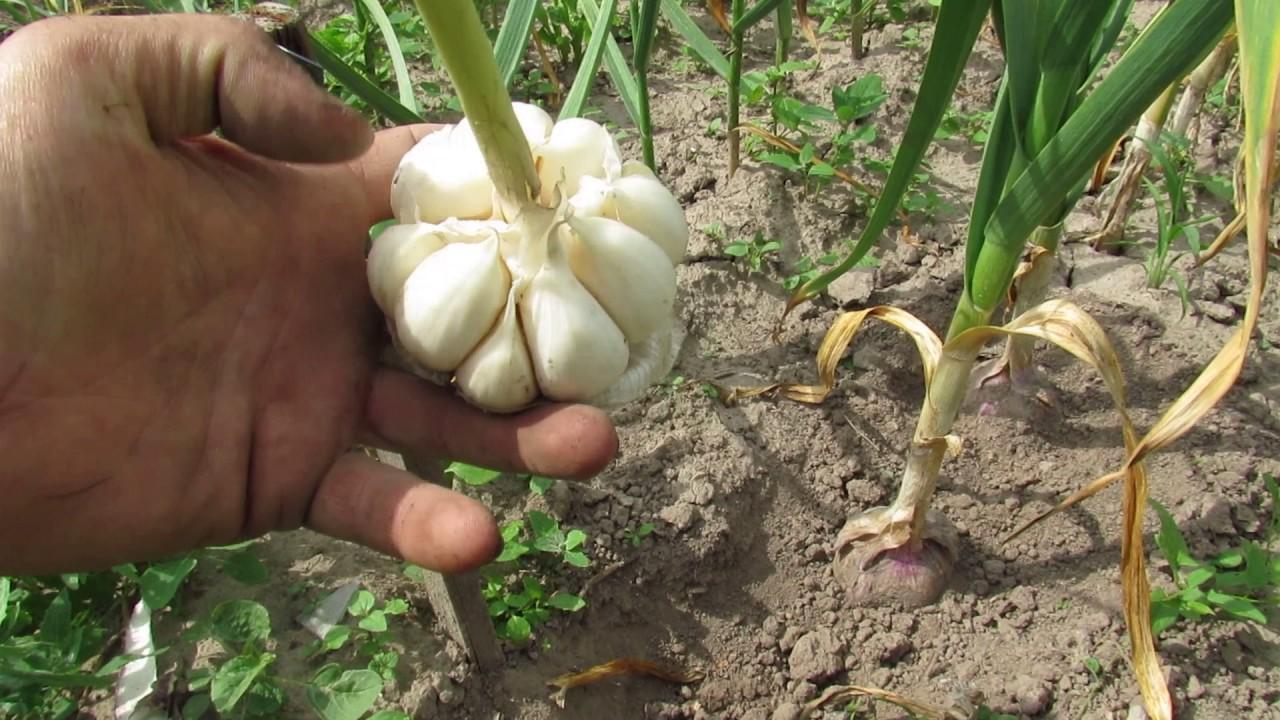
This vegetable crop is suitable for beginners. Caring for Chinese garlic is simple and involves regular watering, weeding and loosening the soil, pest control, and observing planting and harvesting schedules.
Irrigation
Plants should be watered as needed. If the moisture is too high, the plant will not produce a fruitful harvest; rather, it will become diseased and rot.
In the first year, fragrant onions are watered rarely; in the second year, the number of irrigation procedures is increased.
Fertilization
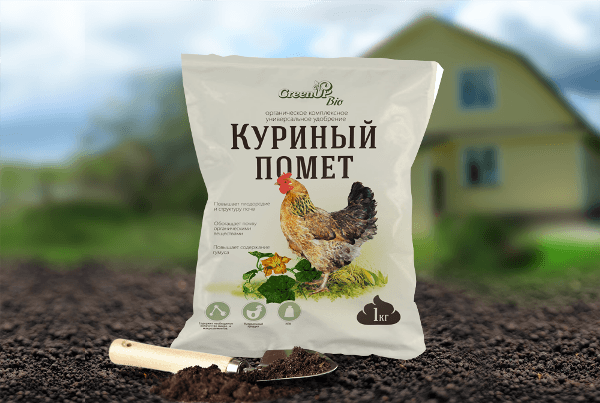
Sweet onions don't require additional feeding. Once per season, you can water the plants with a chicken manure solution, but be careful not to let any of the fertilizer drip onto the leaves.
Loosening and mulching the soil
After weeding, the spaces between the onion beds are mulched with a mixture of humus and sand. This loosening procedure is combined with thinning and mulching, and should be performed after watering.
Diseases and pests: prevention and treatment
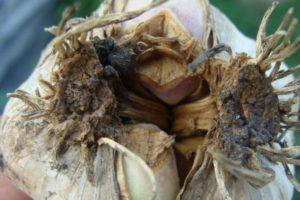
Chinese garlic is a plant with strong immunity, rarely gets sick, and is most susceptible to aphids and onion flies. Regularly sprinkling the plants with wood ash will help control these pests. In severe cases, fungicides are used.
To prevent fungal diseases, you can water garlic plants once a month with a weak solution of potassium permanganate.
Harvesting and storage
Chinese garlic is harvested for greens about four times per season. Perennials need to be pruned frequently to promote fresh foliage growth. The optimal length of a mature head is 20-30 centimeters. The heads are dug up and cut off during replanting or dividing. They are thoroughly dried in the sun or in a dry, well-ventilated area. Store the berries in a dry, dark place.
The nuances of winter forcing
The species' genetic makeup allows for year-round cultivation. When cold weather arrives, the bush can be planted in a flowerpot or box. Harvested bulblets can also be planted in special containers. Winter forcing tips:
- The optimal age of a plant for dividing a bush is 3 years.
- Plants must be replanted with a lump of soil to avoid damaging the root system.
- Place containers with winter garlic in a warm, well-lit place.
- Drainage is installed at the bottom of the pot.
By growing Chinese garlic in winter, the whole family will have fresh herbs in their refrigerator, rich in vitamins and minerals.
The main problems encountered during cultivation
The main difficulties faced by novice gardeners:
- The leaves don't develop an intense, vibrant green color and quickly turn yellow. In this case, it's recommended to feed the garlic with nitrogen fertilizer.
- If planting deadlines are not met, the plant takes a long time to take root and lags behind in development.
- Overwatering leads to fungal diseases.
- Infrequent cutting of mature greens leads to a decrease in growth rates.
- If stored incorrectly, garlic heads turn green.
Growing Chinese garlic in your garden is easy; it's important to choose the right location, follow the planting pattern, and regularly loosen and mulch the spaces between rows.
Related posts:
 Description and characteristics of the Chinese Snake cucumber variety, cultivation and care
 50 types and varieties of perennial onions with descriptions, cultivation, and care
 When to harvest leeks from the garden for storage, ripening times
 The best varieties and types of early and winter garlic with descriptions and names
 Description and propagation of Chinese dates, planting and tree care
 Description of the Exhibition onion variety, growing from seedlings, planting and care
 Description and cultivation of single-clove garlic, planting and care rules
 How and when to plant onions to get large bulbs